
Executive Overview
As the winter season settles in, bringing with it a dramatic shift in weather, extended periods of indoor confinement, and the unpredictable disruptions of holiday breaks, educators and parents alike often notice a profound change in the demeanor of children and young adults. The disruption of established daily routines, coupled with the underlying anxieties or over-stimulation of the holiday season, frequently manifests as heightened emotional dysregulation, behavioral friction, and diminished focus.
Self—defined as the capacity to effectively monitor and manage one’s thoughts, emotional states, and behavioral responses—is a foundational developmental skill. It allows children to navigate everyday frustrations, maintain attention during cognitive tasks, and foster positive, empathetic peer relationships. While this competency is vital year-round, its urgency spikes dramatically during the winter months.
To combat seasonal emotional turbulence and provide constructive outlets for pent-up energy, child development experts and educators are increasingly turning to targeted, interactive interventions. Far from being rigid or clinical, developing these competencies can be seamlessly integrated into everyday play, classroom instruction, and family routines. This report explores a comprehensive suite of evidence-based, engaging winter activities designed to equip children and teens with the robust self-regulation tools they need to thrive during the coldest months of the year.
Detailed Chronology: The Winter Transition and the Need for Emotional Regulation
The psychological and physiological challenges that children face during the winter months do not happen overnight; they follow a distinct, predictable timeline that educators and caregivers must navigate.
Phase 1: The Pre-Break Build-Up (Late November to Mid-December)
As the calendar inches closer to winter break, classrooms and households experience a palpable surge in collective anxiety and excitement. Academic schedules are often altered to accommodate holiday pageants, school assemblies, and early-dismissal days. During this window, children’s internal barometers begin to spin. The anticipation of disruptions to routine signals the nervous system to shift into a heightened state of alert, frequently leading to impulsive behaviors, boundary-testing, and difficulty with emotional baseline maintenance.
Phase 2: The Holiday Interlude (Mid-December to Early January)
While intended to be a period of rest and familial bonding, extended holiday breaks often introduce a different set of challenges. The loss of structured school days, irregular sleep schedules, excessive screen time, and hyper-stimulating social environments can deplete a child’s cognitive and emotional reserves. When children return to school or structured environments in January, the shock of readjustment often triggers an influx of behavioral challenges, resistance to academic demands, and social friction.
Phase 3: The Deep Winter Inertia (January through February)
Once the novelty of the new year wears off, the reality of deep winter sets in. Shorter daylight hours, freezing temperatures, and extended periods of indoor confinement restrict physical activity and reduce exposure to natural sunlight—a critical regulator of mood and circadian rhythms. During this phase, children frequently exhibit symptoms of lethargy, boredom-induced frustration, and attention fatigue. Implementing structured self-regulation interventions during this critical period acts as a crucial buffer against seasonal burnout.
Supporting Context & Metrics: The Science of Self-Regulation
To understand why winter-themed interventions are so effective, one must examine the neurological and physiological mechanisms underpinning self-regulation. Decades of research in developmental psychology and neuroscience highlight that emotional control is not an innate, fixed trait; rather, it is a malleable skill set rooted in the maturation of the prefrontal cortex and the regulation of the autonomic nervous system.
The Role of the Parasympathetic Nervous System
When children experience stress, sensory overload, or changes in routine, their sympathetic nervous system ("fight or flight") often takes the wheel, leading to rapid breathing, muscle tension, and impulsive reactions. Interventions such as mindful breathing and sensory play deliberately stimulate the vagus nerve, activating the parasympathetic nervous system. This physiological shift lowers heart rates, reduces cortisol levels, and restores cognitive access to the prefrontal cortex, enabling rational thought and emotional balance.
Empirical Benefits of Mindful Movement and Nature
Data compiled by educational researchers indicate that incorporating tactile, physical, and mindfulness-based activities into a child’s daily schedule yields measurable improvements:
- Attention Span: Studies show that short bursts of mindful breathing or sensory-based breaks can increase sustained attention on academic tasks by up to 30%.
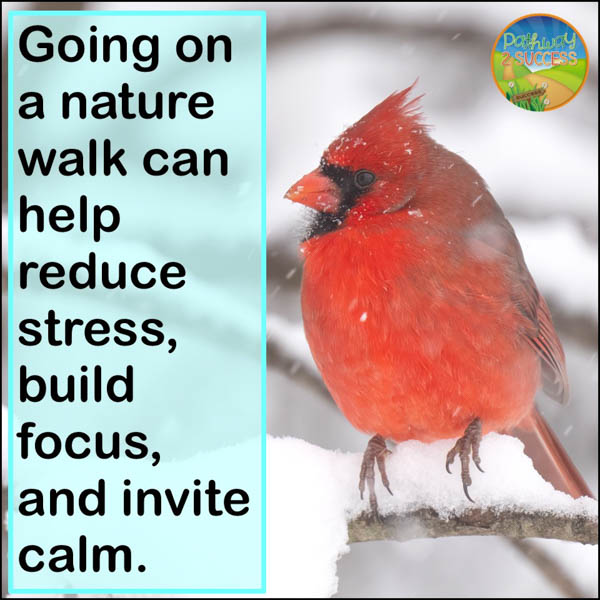
- Stress Reduction: Regular exposure to nature-themed walks and mindful grounding exercises correlates with a significant decrease in reported classroom anxiety and behavioral referrals during high-stress months.
- Mood Stabilization: Practices rooted in gratitude and positive self-talk actively rewire neural pathways to counter negativity bias, leading to enhanced emotional resilience and improved sleep hygiene among adolescents.
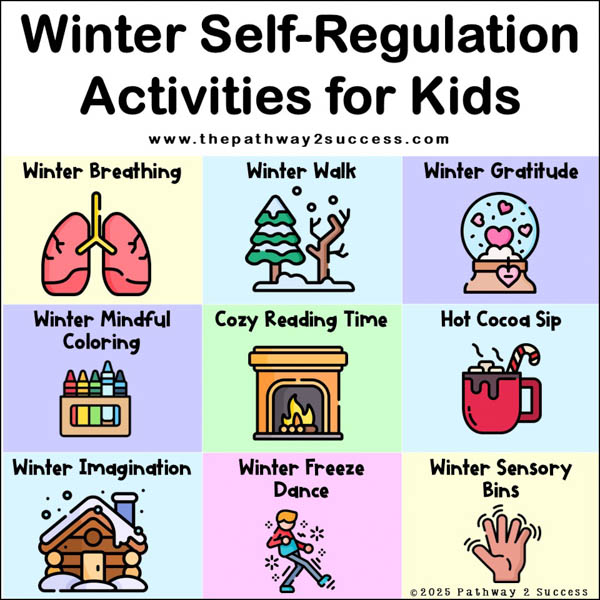
Comprehensive Strategies: 10 Engaging Winter Activities for Self-Regulation
Integrating self-regulation practices into the winter curriculum or home environment does not require complex clinical equipment. The following ten activities leverage the unique motifs of the winter season to teach vital emotional management skills through active engagement.
1. Winter Breathing Activities
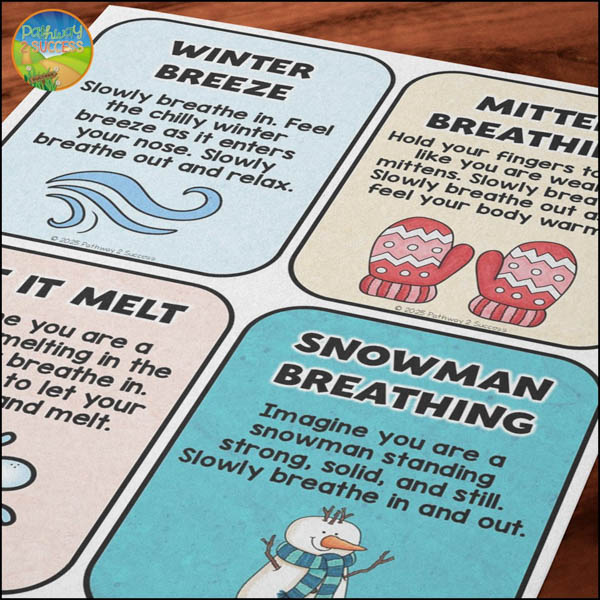
- The Concept: Deep, controlled breathing exercises paired with comforting, winter-themed imagery to help children pause, reset, and anchor their awareness.
- Implementation: Introduce mindful breathing as an internal "pause button." Instead of reacting instantly to an emotional impulse, children learn to take slow, deliberate inhales and exhales. Use winter-themed visual aids—such as imagining blowing out a flickering candle on a cold night or tracing the shape of a snowflake while breathing—to guide the exercise.
- Why It Works: Focused breathing immediately engages the parasympathetic nervous system, halting the stress response, reducing physical tension, and centering wandering thoughts.
2. Outdoor Nature Walks
- The Concept: Guided sensory explorations of the winter landscape, encouraging children to observe their immediate environment through sight, sound, touch, and smell.
- Implementation: Before stepping outside into the crisp air, establish clear behavioral expectations (e.g., staying with the group, treating the environment with care). During the walk, prompt children to identify subtle winter details: the crunch of frozen ground beneath their boots, the stark silhouette of bare tree branches against a gray sky, or the chill of the breeze against their cheeks. Conclude with a reflective writing or sharing circle.
- Why It Works: Time spent outdoors reduces stress hormones, sharpens cognitive focus, and provides essential physical activity and natural sunlight, which are frequently lacking during darker winter months.
3. Winter Gratitude Practices
- The Concept: Structured reflections designed to help children identify and articulate specific aspects of their lives they appreciate during the colder months.
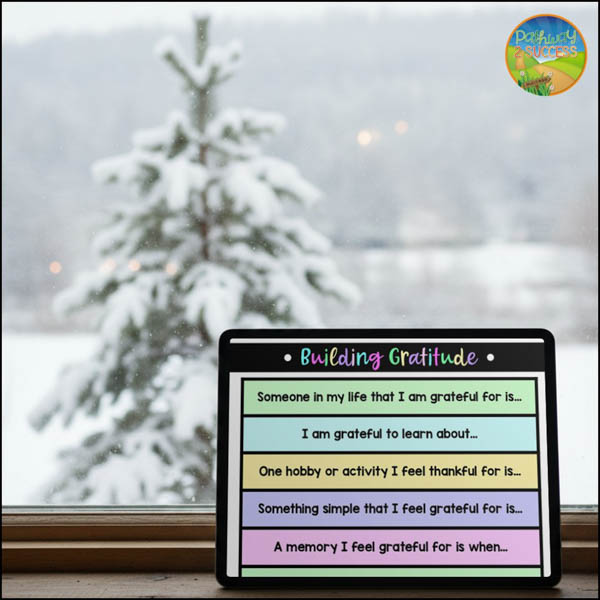
- Implementation: Host a daily or weekly gratitude circle. Move beyond generalized statements by encouraging children to pinpoint micro-moments of joy, such as the comforting warmth of a sweater, the taste of warm soup, or the beauty of frost on a windowpane. Utilize gratitude sentence starters or dedicated winter gratitude journals to facilitate deeper personal reflection.
- Why It Works: Actively practicing gratitude rewires the brain to scan for positive stimuli, buffering against winter melancholy, strengthening resilience, and improving overall emotional well-being.
4. Mindful Winter Coloring
- The Concept: Focused artistic sessions utilizing winter-themed templates integrated with positive self-talk affirmations.
- Implementation: Provide children with coloring pages featuring winter scenes or positive mantras, alongside a variety of mediums (colored pencils, crayons, gel pens). Emphasize that the objective is not to produce a masterpiece, but rather to slow down, regulate breathing, and immerse oneself in the repetitive, rhythmic motion of coloring.
- Why It Works: Coloring acts as an accessible bridge to mindfulness. Because it does not require absolute physical stillness like traditional meditation, it serves as an invaluable self-regulation strategy for kinesthetic learners who require gentle movement.
5. Cozy Reading Time
- The Concept: Carving out dedicated, comfortable blocks of time for independent or shared reading designed to foster stillness and deep relaxation.
- Implementation: Create an inviting atmosphere by arranging soft seating, dimming harsh overhead lights, and projecting a virtual fireplace on a screen. Allow children to read independently or engage in a shared read-aloud. Shared reading introduces co-regulation, where the steady, calm voice of the reader helps anchor the listeners’ nervous systems.
- Why It Works: Immersive reading lowers heart rates, eases muscle tension, builds empathy, and offers a cognitive sanctuary away from external stressors and digital fatigue.
6. Winter Sensory Bins
- The Concept: Tactile exploration stations filled with safe, winter-inspired materials designed to ground overstimulated minds.
- Implementation: Fill shallow containers with sensory-friendly items such as fake snow, cotton balls, smooth blue glass beads (representing ice), plastic pinecones, and metallic snowflakes. Allow children to scoop, pour, and explore the textures freely.
- Why It Works: Tactile play anchors children in the present moment, offering deep proprioceptive input that soothes the central nervous system while simultaneously developing fine motor skills and creative storytelling.
7. The Mindful Hot Cocoa Sip
- The Concept: Transforming a simple winter treat into a multi-sensory mindfulness exercise.
- Implementation: Serve warm cups of hot cocoa (or any comforting beverage). Guide children to engage all five senses before taking a sip: feel the heat radiating through the ceramic mug, inhale the rich aroma, observe the marshmallows melting, and slowly taste the liquid, pausing intentionally between sips.
- Why It Works: Mindful consumption requires total sensory concentration, which quietens racing thoughts. Warm liquids also physiologically signal the central nervous system to relax and unwind.
8. Winter Imagination and Visualization
- The Concept: Guided mental imagery journeys that transport children to serene, relaxing winter landscapes.
- Implementation: Instruct children to close their eyes, settle comfortably into their seats, and listen to a descriptive narrative. Guide them to imagine walking through a quiet, snow-covered forest, noticing the muffled silence of the falling snow, the crisp scent of pine, and the absolute stillness of nature.
- Why It Works: Visualization harnesses the brain’s neuroplasticity, allowing individuals to mentally induce a state of physiological calm and emotional reset on demand.
9. Creative Winter Crafts
- The Concept: Hands-on art projects that challenge children to manage fine motor control, follow multi-step directions, and cope with creative imperfections.
- Implementation: Set out supplies for winter-themed crafting—such as paper snowflakes, woven yarn winter hats, or salt-paint snow scenes. Allow a balance of structured guidance and personal artistic freedom.
- Why It Works: Crafting requires sustained attention and emotional resilience. When a piece of art does not turn out as planned, children are presented with a low-stakes opportunity to practice frustration tolerance and emotional recovery.
10. Winter Freeze Dance and Movement Games
- The Concept: High-energy movement breaks integrated with intentional impulse-control prompts.
- Implementation: Play upbeat winter-themed music and encourage children to dance freely. Periodically stop the music or introduce a specific trigger word (e.g., "Blizzard!" or "Icicle!"), at which point all participants must instantly freeze their bodies in place.
- Why ItWorks: Freeze dance directly challenges the inhibitory control centers of the brain. It teaches children to transition rapidly between high physical arousal and complete stillness, mastering the physical manifestation of self-control.
Official Statements & Expert Perspectives
Educational psychologists and school counselors emphasize that implementing these strategies requires consistency, patience, and a non-judgmental approach from adult leaders.
"Self-regulation is not something a child simply ‘has’ or ‘doesn’t have’; it is a capacity that must be scaffolded, practiced, and modeled," notes Dr. Elena Vance, a leading child behavioral specialist. "During the winter months, when physiological stressors peak and routines are fractured, adults often make the mistake of enforcing stricter behavioral punishments for dysregulated kids. What children actually require is an increase in co-regulation—providing them with safe, structured, and engaging tools like mindful breathing, sensory play, and nature exploration to help them recalibrate their internal systems."
Furthermore, educators who have integrated these ten core practices into their daily classroom management report a marked cultural shift. Rather than viewing self-regulation exercises as a loss of instructional time, progressive schools recognize that spending ten minutes on a guided breathing session or a sensory break preserves hours of productive learning time by preemptively addressing behavioral disruptions.

Future Outlook
As educational institutions and parenting philosophies continue to evolve toward a more holistic understanding of childhood development, the integration of social-emotional learning (SEL) into everyday life is no longer viewed as an optional luxury. It is recognized as an absolute necessity for modern academic and personal success.
Looking ahead, the development of specialized winter self-regulation frameworks is expected to expand. Schools are increasingly investing in dedicated "calm-down corners," sensory-friendly indoor recess options, and staff training programs focused on trauma-informed care and nervous system regulation. By equipping children with these diverse, engaging tools early in life—ensuring they know how to breathe through a challenge, ground themselves in nature, and find comfort in moments of stillness—we lay the groundwork for resilient, emotionally intelligent adults capable of weathering any season, literal or metaphorical, that life presents.

