
Executive Overview
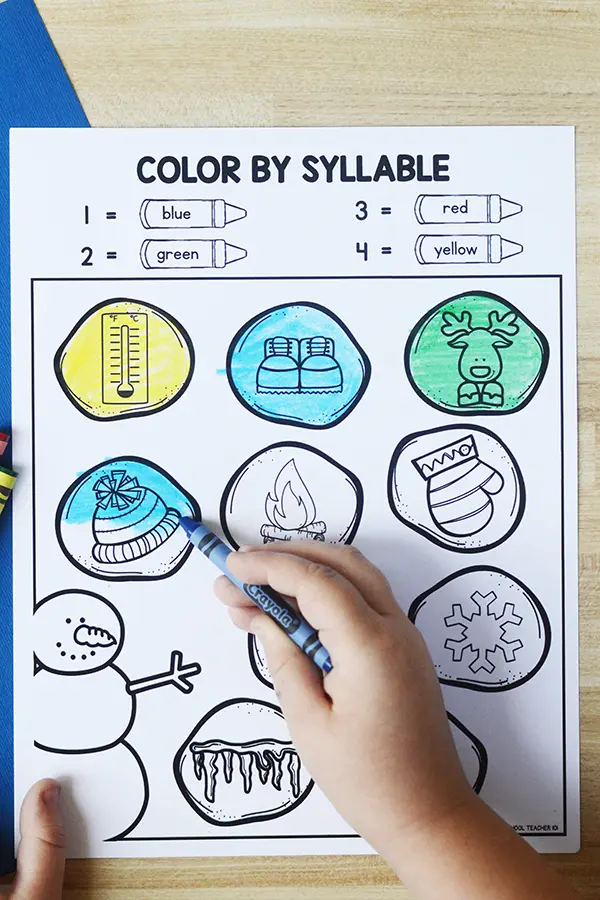
As early childhood educators navigate the complexities of foundational literacy, innovative resources are transforming traditional classrooms. Among the most recent developments is the introduction of thematic, play-based learning tools designed to bolster pre-reading skills through phonological awareness. At the forefront of this movement is the newly released "Winter Color by Syllable" activity set—a no-prep literacy resource created to integrate seamlessly into preschool and kindergarten curricula.
Phonological awareness, specifically the ability to segment and recognize individual syllables within words, is widely recognized by reading specialists as a vital stepping stone toward decoding and reading fluency. By merging this rigorous cognitive exercise with the engaging mechanics of color-by-code worksheets, educators and parents are finding new ways to capture young learners’ attention during the busy winter months. This report examines the educational framework supporting color-by-syllable activities, the broader implications of play-based literacy instruction, and the expansion of year-round phonological tools designed for early learners.

Detailed Chronology: The Evolution of Play-Based Phonological Tools
The integration of artistic expression with linguistic skill-building did not happen overnight. To understand the current landscape of early childhood education resources, it is helpful to trace the developmental milestones that led to modern multi-sensory learning aids:
- Early Foundations (Pre-2000s): Traditional kindergarten and preschool classrooms relied heavily on oral clapping games, tactile counting blocks, and flashcards to teach syllable segmentation. While effective, these methods often required intensive, one-on-one instructional time from educators.
- The Rise of Color-by-Code (2000s–2010s): Worksheets utilizing color-by-number or color-by-letter formats gained widespread popularity for reinforcing math facts and basic alphabet recognition. However, these early iterations largely ignored advanced phonological concepts like syllable counting.
- The Shift Toward Phonological Awareness (Late 2010s): Educational researchers increasingly emphasized phonological awareness as a core predictor of future reading success. This triggered a demand for printables that could bridge auditory sound recognition with visual processing.
- Introduction of Seasonal Literacy Centers (2020–Present): Creators began designing thematic, cross-curricular resources. The introduction of tools like the "Winter Color by Syllable" pack marks a significant evolution, offering zero-prep, independent learning stations that keep children engaged through seasonal motifs while addressing curriculum standards.
Supporting Context & Metrics: Why Syllable Segmentation Matters
In early childhood literacy, phonological awareness refers to a child’s ability to recognize and manipulate the spoken parts of sentences and words, including syllables, onsets, rimes, and phonemes. Syllable awareness sits comfortably in the middle of this developmental continuum—complex enough to challenge young minds, yet concrete enough for pre-K and kindergarten students to grasp through physical cues like clapping or chin-dropping.

Cognitive and Academic Impacts
- Decoding Preparation: Children who can accurately segment a word into its component syllables find it significantly easier to break down unfamiliar words later in their reading journeys.
- Vocabulary Expansion: Introducing multi-syllabic winter-themed vocabulary (e.g., snow-flake, mitt-ens, ther-mom-e-ter) broadens a child’s linguistic repertoire.
- Autonomous Learning: No-prep activities designed for literacy centers foster independent problem-solving skills, allowing educators to conduct small-group instruction while fast finishers remain productively engaged.
Quantitative Scope of Comprehensive Literacy Packs
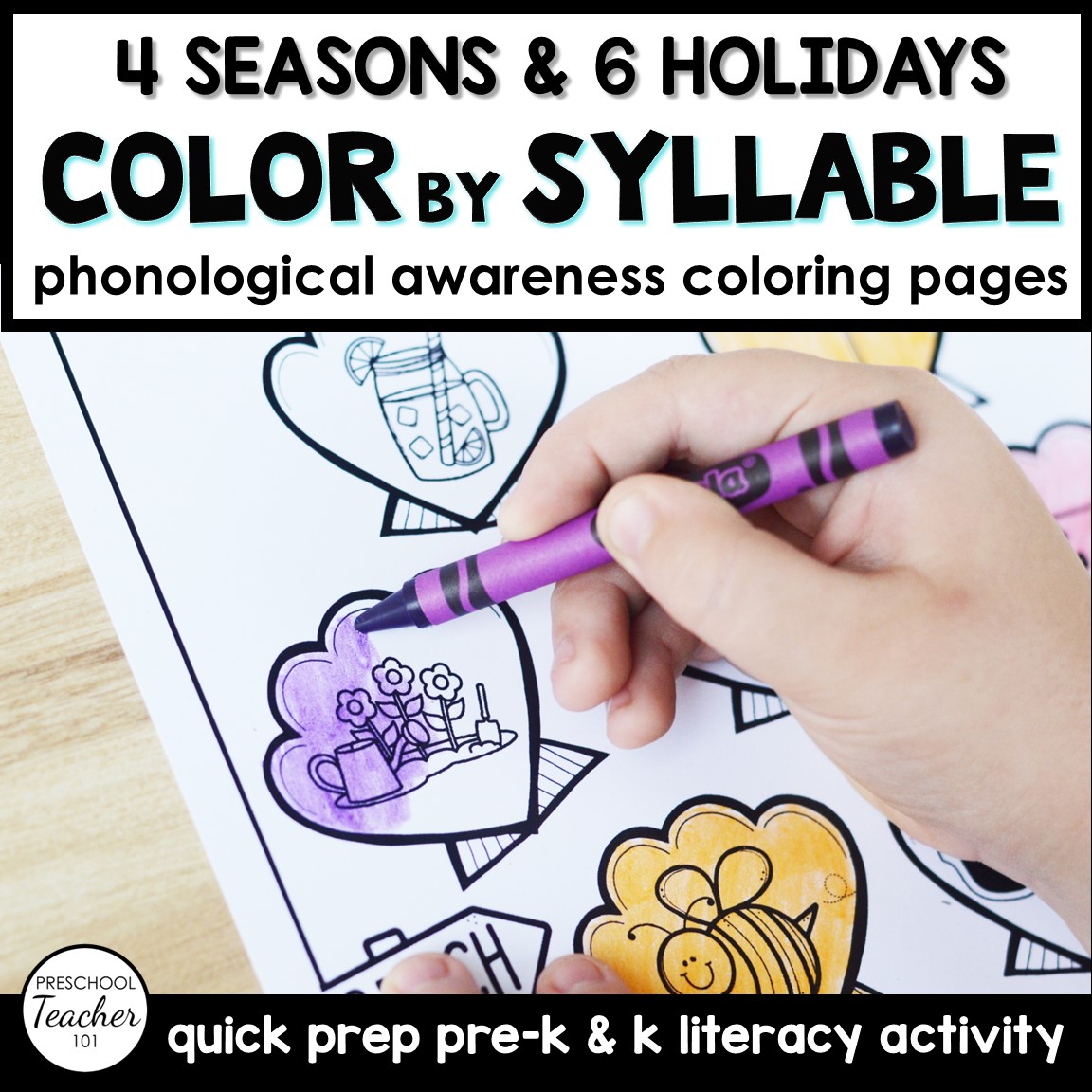
To meet the demand for continuous, year-round phonological practice, comprehensive curriculum expansions have been introduced. For instance, expanded year-long sets—such as the 33-page comprehensive color-by-syllable packs—incorporate a wide variety of seasonal and holiday themes. These resources typically scale in difficulty, allowing students to recognize anywhere from one to five syllables across diverse vocabulary sets spanning the academic calendar.
Official Statements and Educational Insights
Early childhood literacy advocates and curriculum developers emphasize that play and rigorous academic standards do not have to be mutually exclusive.

"Integrating phonological awareness into everyday art and coloring tasks removes the intimidating barrier often associated with formal reading instruction," notes a leading voice in early childhood development. "When children count syllables by coloring a winter scene, they are actively engaging both hemispheres of the brain, reinforcing auditory concepts through visual art."
Educators frequently highlight the administrative and practical benefits of no-prep resources:

- Efficiency for Teachers: With the mounting pressures on preschool and kindergarten educators, ready-to-print center activities reduce planning time while maintaining high educational value.
- Differentiation: Versatile printable sets allow teachers to select specific worksheets based on individual student needs, catering simultaneously to children who are just learning to isolate single-syllable words and those ready to tackle complex four- or five-syllable challenges.
- Home-School Connection: Providing take-home practice options ensures that foundational learning extends beyond the classroom walls, keeping parents involved in their child’s literacy development.
Future Outlook: The Trajectory of Early Literacy Resources
As educational technology and printable pedagogical tools continue to evolve, several key trends are shaping the future of early childhood literacy:
1. The Blending of Tactile and Digital Learning
While physical worksheets like the Winter Color by Syllable series remain essential for developing fine motor skills and pencil grip, future iterations will likely see increased integration with interactive digital platforms. Teachers are increasingly blending physical printouts with guided audio prompts, where children listen to a word, clap the syllables, and then color the corresponding section on their paper.

2. Comprehensive, Year-Round Curricular Alignment
The success of seasonal literacy centers has proven that thematic consistency works. Looking ahead, curriculum designers are expected to produce even more cohesive, year-long thematic bundles that link phonological awareness seamlessly from the first day of autumn through the final weeks of summer break. This ensures that children receive cumulative, spiraled practice rather than isolated, disjointed lessons.
3. Increased Accessibility and Equity
Platforms providing free downloadable resources, alongside comprehensive professional teacher marketplaces like Teachers Pay Teachers, are democratizing access to high-quality educational materials. As these networks expand, classrooms in underfunded districts will have greater access to premium, research-backed literacy tools that support equitable educational outcomes for all young learners.
Conclusion
The introduction of specialized literacy tools like the Winter Color by Syllable activity set underscores a broader, positive shift in early childhood education: making foundational learning both rigorous and genuinely enjoyable. By transforming the cognitive task of syllable segmentation into an approachable art activity, educators can support phonological awareness without sacrificing the joy of the winter season. As these resources continue to expand into comprehensive year-round curricula, they will undoubtedly remain a cornerstone of effective, play-based literacy instruction for generations of young readers to come.

