
Executive Overview
Amazon Prime Day 2025 is officially scheduled to run from October 7th through October 8th, promising 48 hours of high-volume, deep-discount shopping across virtually every product category on the platform. However, for educators, parents, and technology enthusiasts, the true value of this multi-day retail event lies beyond standard consumer electronics and home goods. Prime Day serves as a critical annual window to acquire high-end Science, Technology, Engineering, and Math (STEM) educational tools, learning robotics, and advanced development kits at significantly reduced price points.
As digital literacy transforms from an elective extracurricular interest into a fundamental life skill, early childhood exposure to coding, circuit design, physics, and logic-based play has accelerated dramatically. High-quality educational toys—ranging from sophisticated programmable robots to modular mechanical engineering systems—frequently carry prohibitive standard retail prices, making events like Prime Day essential budget-relief windows.
This comprehensive briefing provides a data-driven overview of the top-performing STEM toys and learning kits to monitor during the October 7–8 event, details critical preparation strategies for maximizing savings, and explores how modern educational technologies are reshaping youth development.
Detailed Chronology & Event Architecture
Understanding the mechanics of Amazon Prime Day is crucial for securing high-demand, low-supply inventory. While the official 48-hour promotional window begins at midnight on October 7th and concludes late on October 8th, consumer behavior trends over recent years demonstrate that Amazon’s promotional timeline has fundamentally shifted.
The Run-Up Phase (Late September – October 6th)
Amazon routinely initiates early-bird rollouts, price drops, and "Early Prime Day Deals" up to two weeks before the official launch. For STEM toys and educational kits, third-party sellers and primary manufacturers often test promotional pricing tiers during this window. Early shoppers benefit from guaranteed inventory availability, bypassing the high-traffic volatility that defines the official 48-hour event.
Phase 1: Day One Kickoff (October 7th)
The official start of Prime Day brings an immediate influx of platform-wide price cuts. At 12:00 AM, thousands of items transition into primary discount brackets. For high-ticket items like robotics kits and advanced building systems, Day One is characterized by the rapid depletion of stock. Consumer analytics show that top-tier educational bundles frequently exhaust their primary allocations within the first 12 hours of the event.
Phase 2: Lightning Deals and Mid-Event Adjustments (October 7th – 8th)
Running concurrently with standard Prime Day discounts are Amazon’s signature Lightning Deals. These are time-sensitive, highly restricted promotional windows where a limited inventory of a specific product is offered at an exceptionally steep discount. Lightning Deals require swift consumer action; popular items can sell out in a matter of minutes. Throughout this phase, inventory trackers and deal aggregators continuously refresh listings to capture newly activated price drops.
Phase 3: Final Hours and Post-Event Window (Late October 8th)
As the clock winds down on the evening of October 8th, final markdowns occur as sellers attempt to clear remaining promotional stock. Following the conclusion of the event, secondary price adjustments occasionally persist for up to 24 hours, though inventory availability becomes highly unpredictable.
Top-Selling STEM Toys & Learning Kits to Monitor:
| Product Name | Primary Focus | Target Age Group | Key Educational Benefit |
|---|---|---|---|
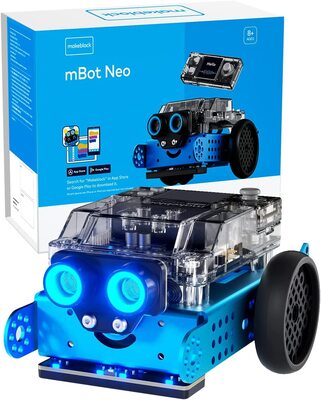
| mBot Neo Coding Robot | Robotics & Python/Scratch | Ages 8+ | Logical thinking, concentration, and programming fundamentals |
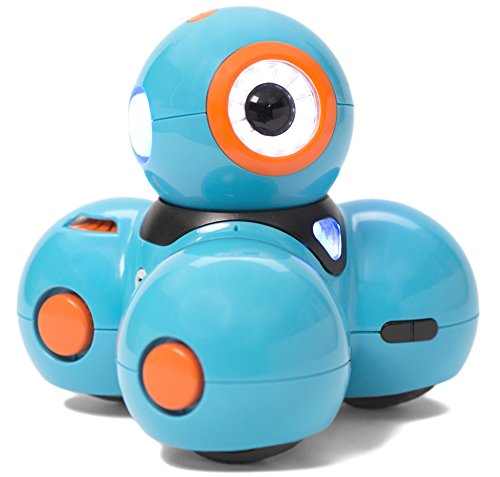
| Wonder Workshop Dash | Interactive Robotics | Ages 6+ | Sequential coding, sensor interaction, and collaboration |
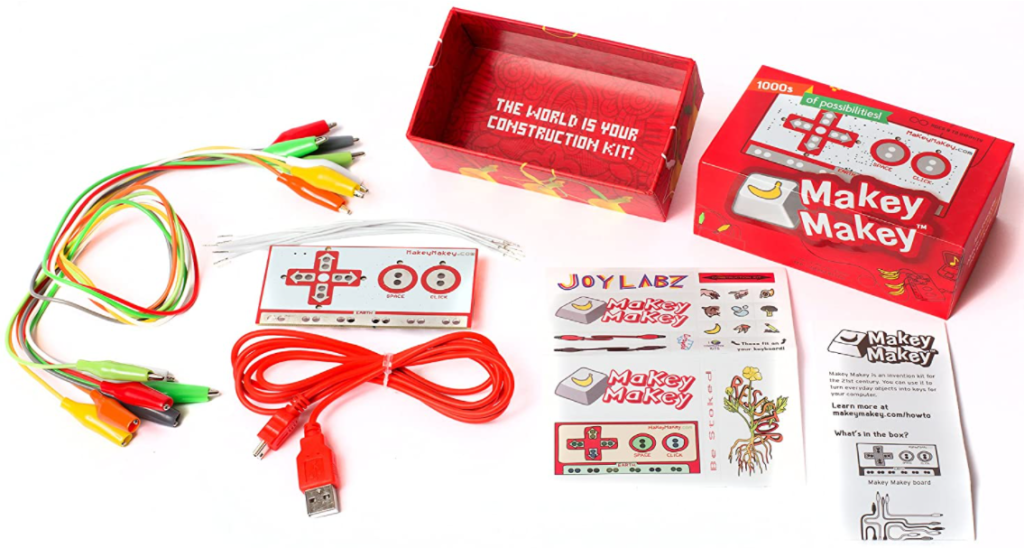
| Makey Makey Invention Kit | Circuitry & Invention | Ages 8+ | Applied physics, conductive material exploration, and creativity |
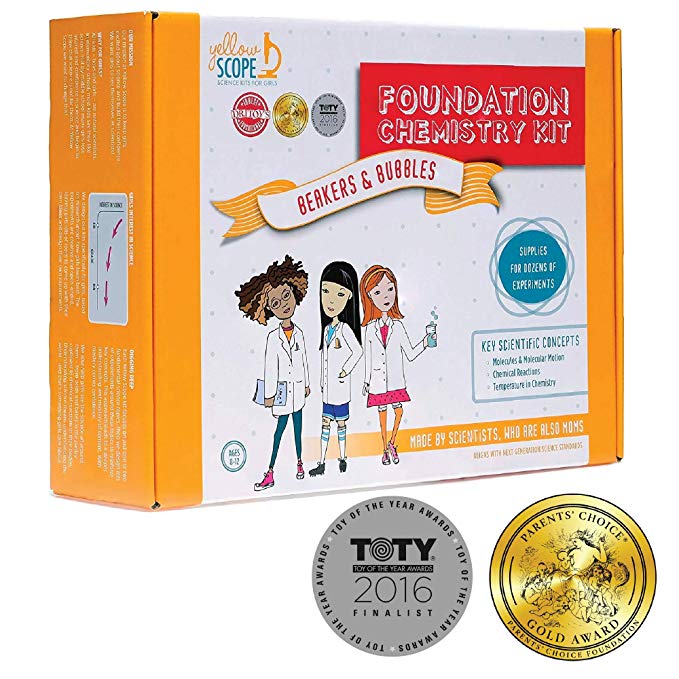
| Yellow Scope Chemistry Kit | Applied Chemistry | Ages 8+ | Scientific methodology, cosmetic science, and gender-inclusive STEM |
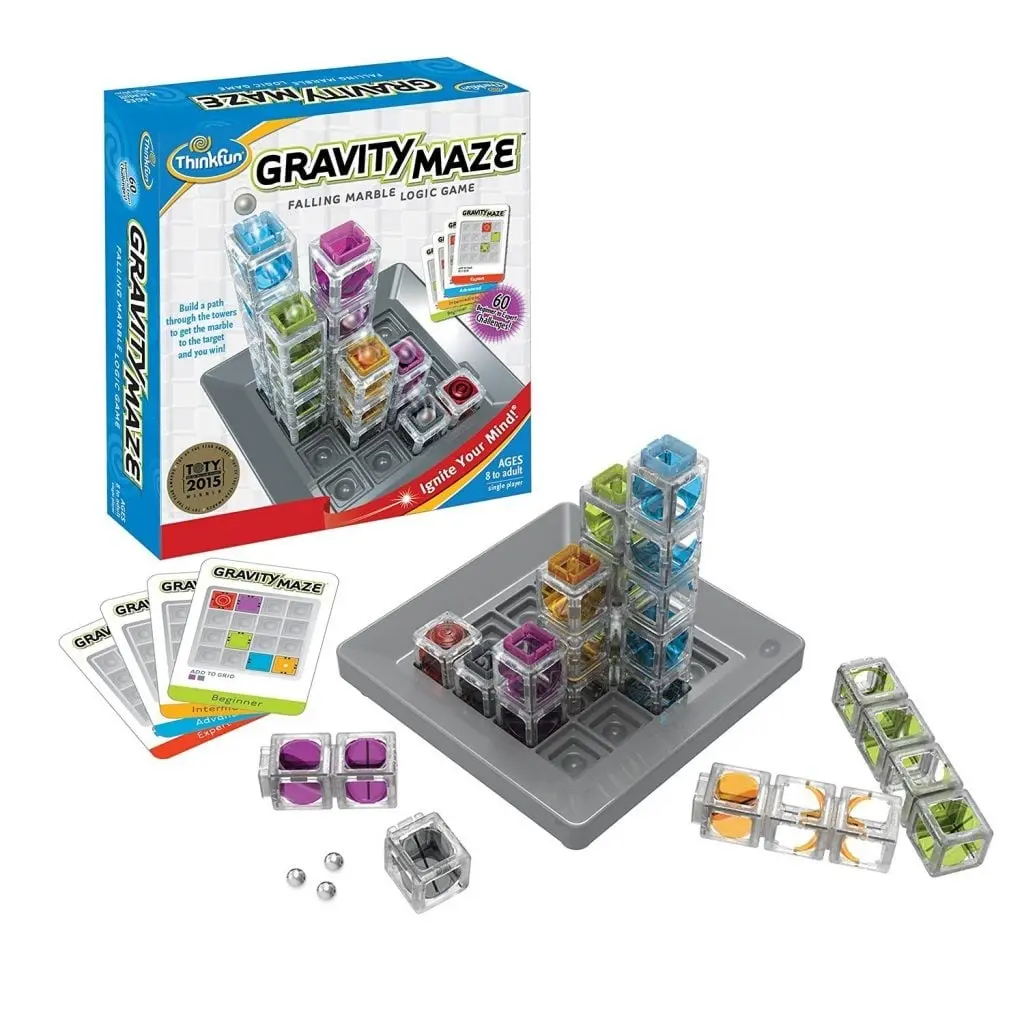
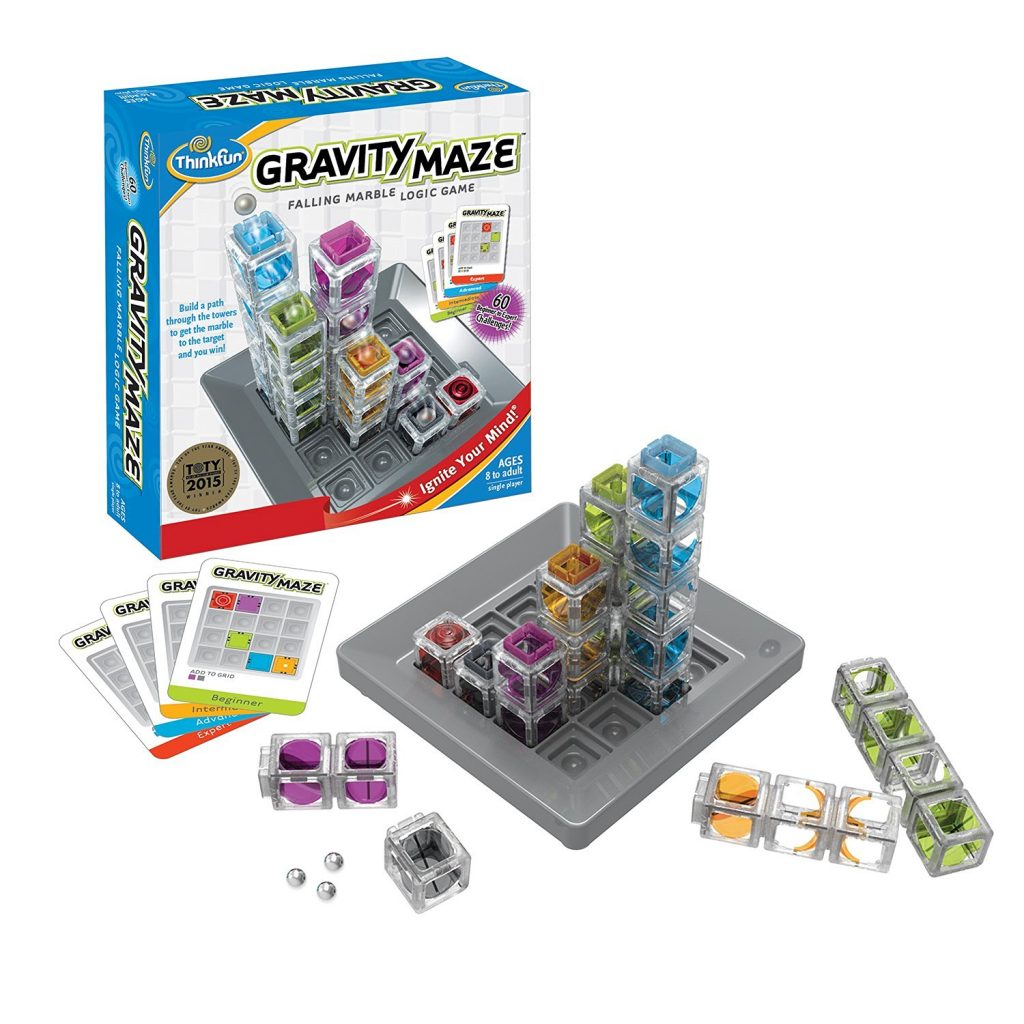
| ThinkFun Gravity Maze | Spatial Logic & Physics | Ages 8+ | Strategic planning, gravity mechanics, and spatial reasoning |
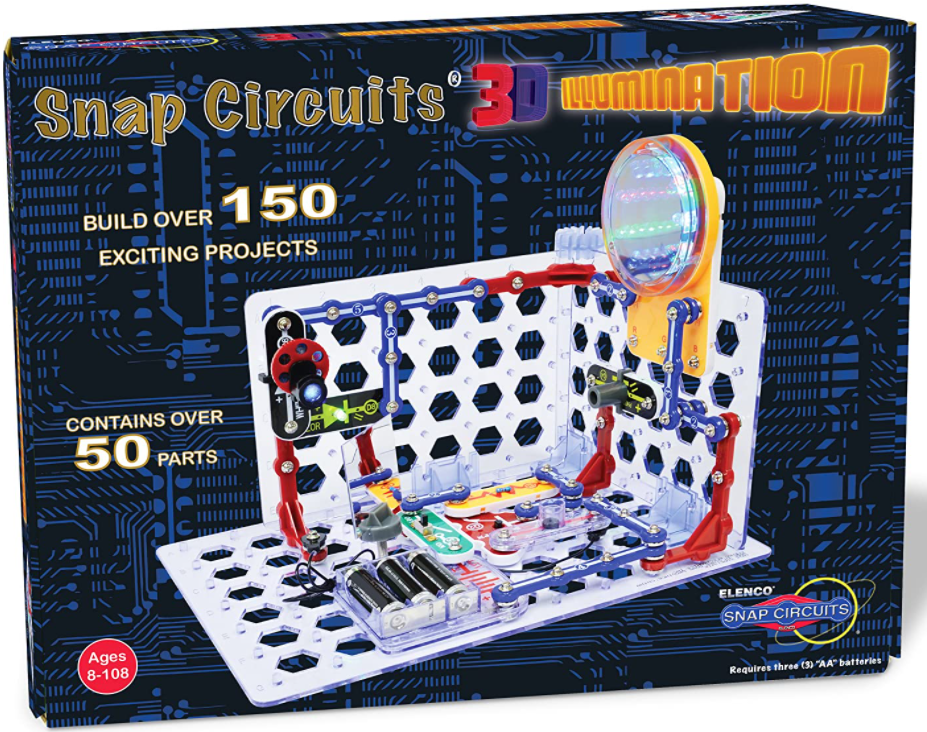
| Snap Circuits 3D Illumination | Electrical Engineering | Ages 8+ | Circuit design, current flow understanding, and 3D spatial assembly |
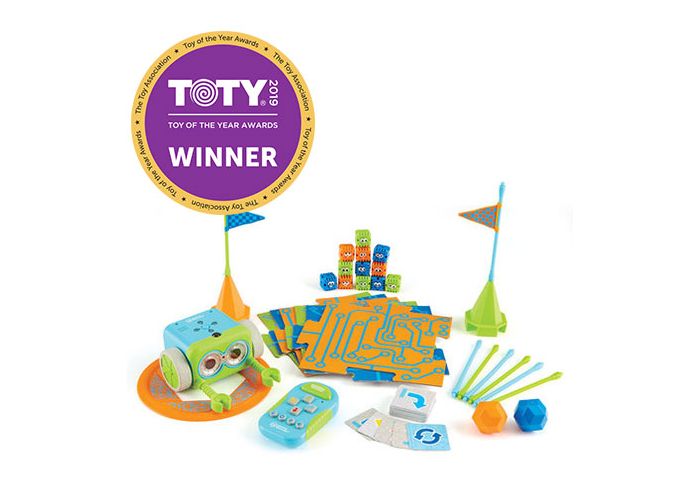
| Botley The Coding Robot | Screen-Free Coding | Ages 5–9 | Early logic, sequential command entry, and tactile problem-solving |
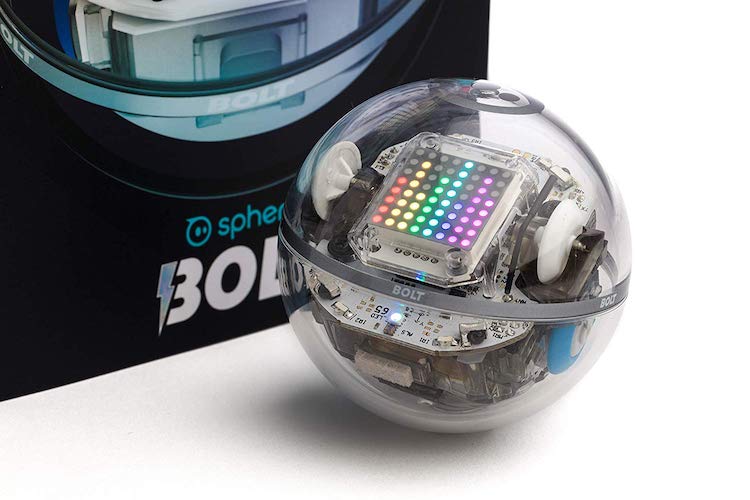
| Sphero BOLT | Advanced Programmable Bot | Ages 8+ | Matrix LED programming, physics tracking, and sensor data analysis |
| Ravensburger GraviTrax XXL | Modular Physics / Engineering | Ages 8+ | Structural integrity, kinetic energy mastery, and open-ended design |
| LEGO Boost Creative Toolbox | Robotics & Brick Building | Ages 7–12 | Multidimensional engineering, motorized mechanics, and coding |
Supporting Context & Metrics: The Rise of STEM Education
The surging market demand for educational technology is supported by extensive economic and educational research. According to industry analyses, the global STEM toys market has expanded at a compound annual growth rate (CAGR) exceeding 8% over the past five years, driven by institutional shifts toward digital literacy in primary education and a growing parental emphasis on cognitive development through play.
The Cognitive Value of Coding and Robotics
Modern childhood development frameworks emphasize that coding is no longer merely a vocational skill for software engineers; it is a fundamental language of problem-solving. Research from developmental psychologists indicates that exposure to sequential logic tools—such as the mBot Neo Coding Robot or Wonder Workshop Dash—significantly enhances executive function, working memory, and spatial reasoning in children aged six to twelve.
Unlike passive screen time, interactive robotics require children to physically assemble, troubleshoot, and test code against physical constraints. When a child programs a Sphero BOLT or builds a complex mechanism using the LEGO Boost Creative Toolbox, they engage in iterative design: formulating a hypothesis, running a test, analyzing a failure, and debugging their approach. This iterative loop mirrors professional engineering methodologies.
Breaking Gender Disparities in Technical Fields
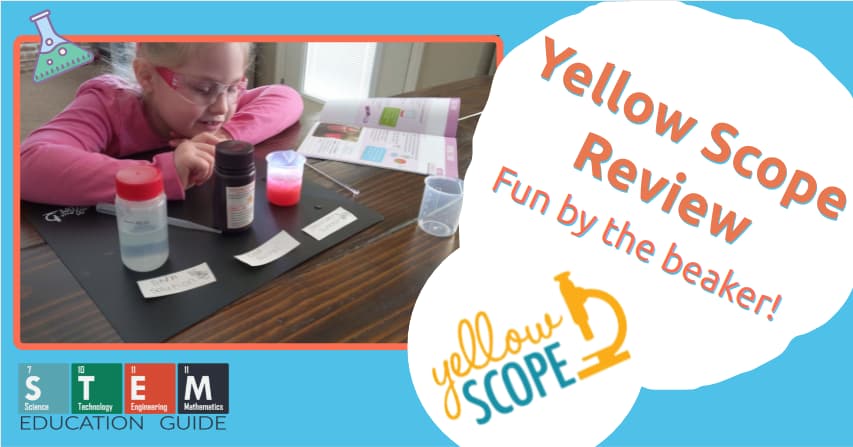
Historically, technical and engineering toys have suffered from demographic imbalances in marketing and adoption. Initiatives led by manufacturers like Yellow Scope—creators of the YELLOW SCOPE Foundation Chemistry Kit—have successfully challenged this paradigm by engineering science kits specifically tailored to engage girls in rigorous scientific inquiry. Data shows that providing inclusive, narrative-driven chemistry and engineering sets during formative pre-teen years substantially increases long-term retention and interest in STEM academic tracks.
Official Guidelines and Membership Mechanics
Navigating Amazon Prime Day requires adherence to the platform’s structural rules, particularly regarding membership tiers and promotional eligibility.
Membership Requirements
Exclusive access to Prime Day pricing structures is strictly limited to active Amazon Prime members. Consumers who do not currently hold an active subscription can leverage Amazon’s official 30-day free Prime member trial.
This trial period grants full access to all standard Prime benefits, including expedited shipping, video streaming, and Prime Day pricing tiers. Crucially, consumer rights advocates and financial analysts note that subscribers can cancel their membership immediately after Prime Day concludes without forfeiting their promotional purchases or incurring subscription fees, provided the cancellation occurs within the trial window.
Navigating Lightning Deals Safely
As noted in official Amazon terms of service, Lightning Deals operate under strict scarcity constraints:
- Time Limits: Deals generally last between 2 to 4 hours, or until 100% of the allocated promotional inventory is claimed.
- Cart Reservations: Adding an item to a shopping cart during a Lightning Deal initiates a strict 15-minute checkout countdown. Failure to complete the transaction within this window releases the item back into the public inventory pool.
- Waitlists: For heavily scouted items—such as the Makey Makey Invention Kit or Snap Circuits 3D Illumination—consumers can join an automated waitlist if the initial stock allocation is claimed. If another user fails to complete their checkout within the 15-minute window, the slot transfers to the next user on the waitlist.
Future Outlook: The Evolution of Educational Play
As we look toward the remainder of the decade, the intersection of play and education will continue to evolve through emerging technological integrations.
The Shift Toward Screen-Free Computational Thinking
While digital interfaces remain vital for advanced robotics like the LEGO Boost or mBot Neo, a distinct market counter-trend is emerging toward screen-free computational thinking. Products such as the Botley The Coding Robot (which operates via a physical remote programmer) and the Ravensburger GraviTrax XXL Marble Run demonstrate that children can master foundational algorithmic thinking, gravity mechanics, and spatial planning entirely without tablets, smartphones, or computers. Industry forecasters predict a 15% annual increase in consumer demand for screen-free STEM alternatives as parents seek balanced cognitive development environments.
Modular Longevity and Sustainability
Modern educational toy consumers are increasingly rejecting single-use plastic novelties in favor of modular, upgradeable systems. Kits that feature cross-compatibility—such as expandable marble runs, modular circuitry, and reprogrammable microcontrollers—offer superior long-term value. Families investing in these ecosystems during promotional windows like Amazon Prime Day 2025 are building home-based laboratories that scale alongside the child’s cognitive development, ensuring years of ongoing educational utility.
Conclusion
Amazon Prime Day 2025 (October 7th–8th) represents an optimal convergence of high-value retail discounting and strategic educational investment. By understanding the event’s chronology, leveraging free membership trials, preparing for rapid-fire Lightning Deals, and selecting age-appropriate, modular STEM toys, parents and educators can secure industry-leading learning tools at a fraction of their standard cost. Whether introducing a young child to the basics of spatial logic with a ThinkFun Gravity Maze or guiding an aspiring programmer through their first Python-based robot build with an mBot Neo, proactive planning during this 48-hour window yields long-term cognitive and academic dividends.

