In the high-stakes environment of modern education, instructional coaching and school leadership are frequently anchored in the pursuit of transformation. When coaches and administrators step into classrooms, their primary objective is to alter pedagogical practices to improve student outcomes. However, these well-intentioned interventions often collide with a predictable and formidable barrier: teacher pushback.
Traditionally, educational systems have pathologized this resistance. When educators express skepticism or outright refusal regarding new curricula, methodologies, or structural mandates, leadership has historically diagnosed the problem as a localized defect residing within the teacher—labeling them as "resistant," "inflexible," or "unwilling to evolve."
Renowned educational author, coach, and consultant Elena Aguilar challenges this orthodoxy in her ninth and latest book, How to Coach Resistance: Turning Pushback Into Possibility. According to Aguilar, resistance is not a static character flaw or a standalone teacher problem; rather, it is a dynamic, relational phenomenon co-created by both parties in the interaction. When a coach applies top-down pressure, a defensive teacher pushes back, creating an escalating cycle of institutional friction.
This conceptual shift carries profound implications for the architecture of professional development (PD). By recognizing that coaches and leaders inadvertently contribute to the pushback they experience, Aguilar flips the script: if resistance is a dynamic interaction, then coaches possess the agency to dismantle it. Through targeted frameworks—such as the ACE model (Acknowledge emotions, Cultivate compassion, Expand the story) and the Gaps Framework—Aguilar provides a roadmap for turning adversarial friction into collaborative, transformative growth. This report investigates the mechanics of educational resistance, the emotional currents underpinning pushback, and the actionable strategies required to redefine leadership in schools today.
Detailed Chronology: The Evolution of Professional Resistance
To understand how educational institutions arrived at our current paradigm of coaching and resistance, it is necessary to examine the historical trajectory of school reform and professional development.
[Traditional Reform Era]
   └── Top-down mandates & compliance-based models
       └── Emergence of systemic teacher burnout and defensive pushback

[The Coaching Paradigm Shift]
   └── Transition to supportive, one-on-one instructional coaching
       └── Misdiagnosis of pushback as personal inflexibility

[The Relational Era (Aguilar's Framework)]
   └── Recognition of resistance as a two-way dynamic
       └── Implementation of emotional intelligence, ACE, and Gaps frameworks
The Era of Top-Down Compliance
For decades, school reform was characterized by a top-down, compliance-driven model. School districts adopted sweeping pedagogical trends—ranging from whole-language reading instruction to rigid standardized testing frameworks—and expected immediate implementation across all classrooms. In this era, "resistance" was treated as a disciplinary or administrative issue. Teachers who voiced concerns were frequently sidelined, evaluated poorly, or branded as impediments to institutional progress.
The Rise of Instructional Coaching
As educational research evolved, districts began shifting toward supportive coaching models. Recognizing that punitive oversight failed to improve student learning, schools introduced instructional coaches to partner with teachers. This represented a major step forward, positioning professional growth as a collaborative venture rather than a punitive audit.
Yet, an unexamined friction persisted. Even with supportive coaches in classrooms, pushback remained rampant. Coaches frequently found themselves frustrated by teachers who seemed emotionally closed off or indifferent to progressive teaching strategies. The prevailing assumption remained intact: the coach was bringing the "right" solution, and the teacher was failing to receive it.
The Relational Shift
Aguilar’s work marks a critical evolutionary turning point in this chronology. By drawing on extensive experience in instructional coaching and adult learning theory, she reframes resistance not as an obstacle to be overcome, but as vital data to be analyzed. Resistance, in this modern view, is an indicator of unmet needs, emotional distress, or legitimate pedagogical misalignment.
By analyzing the interactive dance between coach and teacher, Aguilar’s framework shifts the locus of control. Instead of asking, "How do I fix this resistant teacher?" the modern instructional coach must ask, "How am I contributing to this dynamic, and what safety mechanisms does this teacher require to lower their guard?"
Supporting Context & Metrics: Unpacking the Hidden Dynamics of Pushback
To operationalize Aguilar’s insights, educational leaders must examine the invisible psychological and structural mechanics that fuel pushback in schools.
The Fear Cycle: Two Hands Pushing
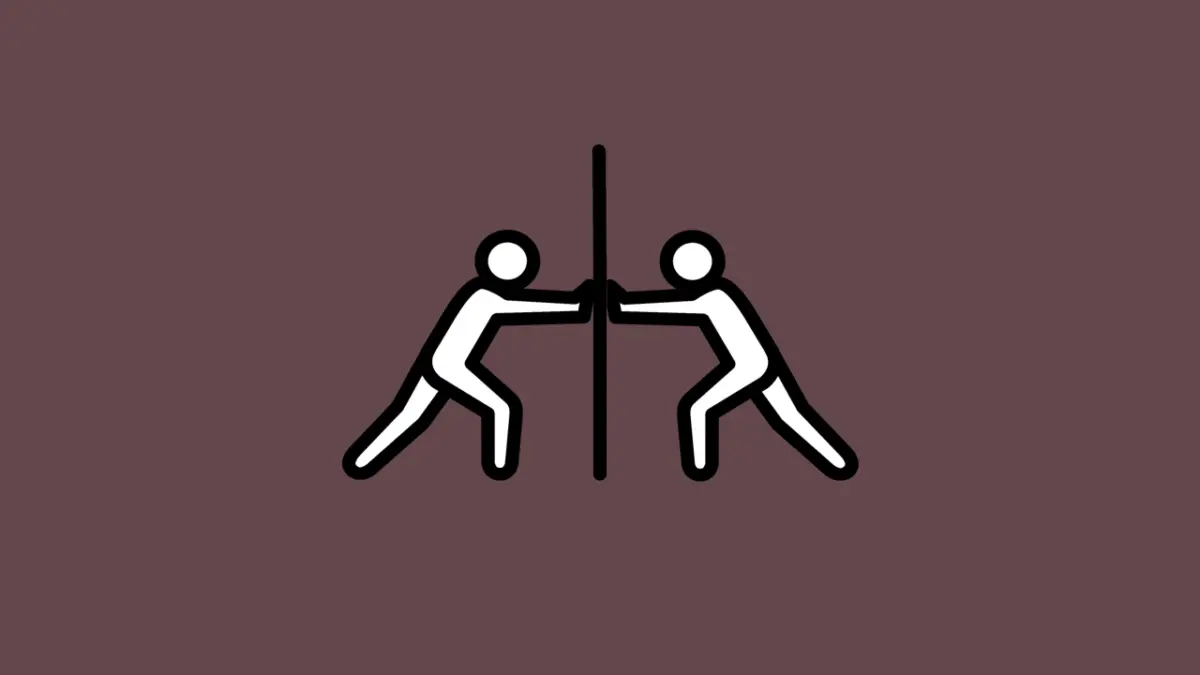
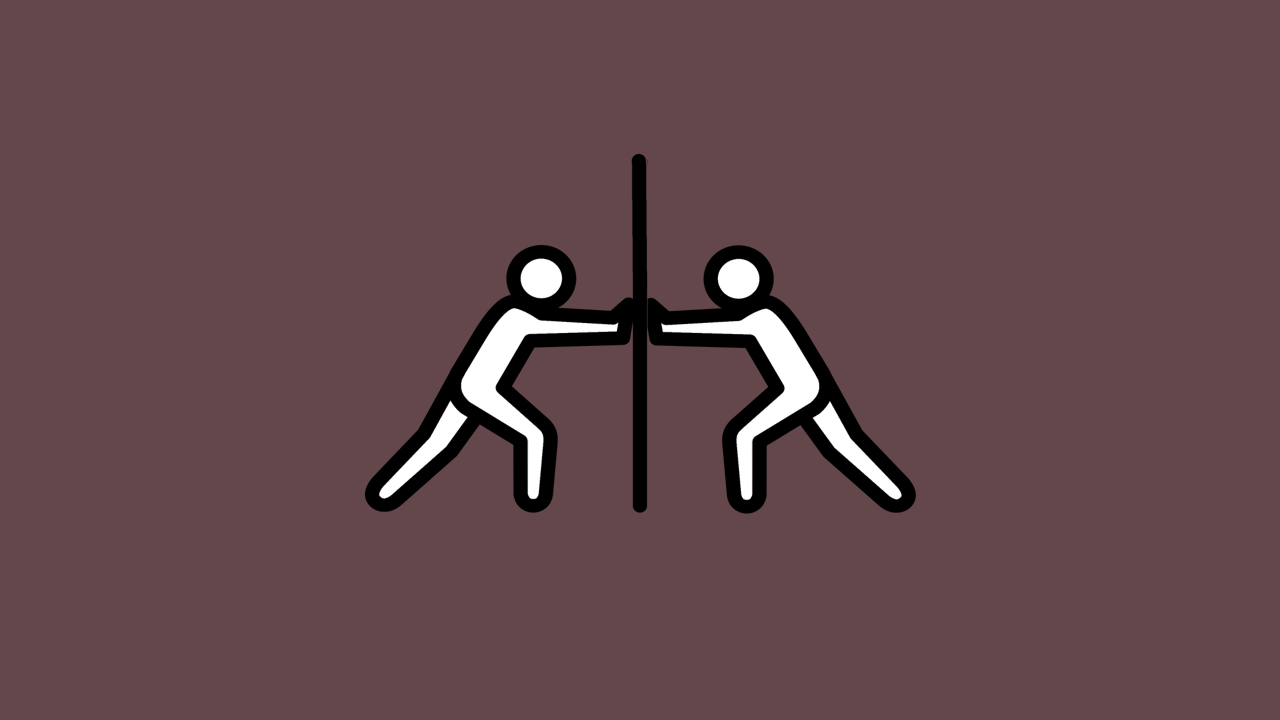
At the core of Aguilar’s philosophy is a visceral metaphor: two people pushing against each other with their hands.
The Teacher’s Fear: Often stems from a deep-seated vulnerability—fear of failure, fear of exposing pedagogical gaps, fear of losing control of their classroom management, or sheer exhaustion from managing chronic systemic reform fatigue.
The Coach’s Fear: Often stems from anxiety regarding their own efficacy—fear of failing their leadership metrics, fear of being unable to produce measurable data improvement, or fear of losing authority in the coaching relationship.
When these anxieties meet, defensiveness escalates. The teacher insists students cannot handle a complex task; the coach insists they can. Each counter-argument intensifies the pressure. Aguilar’s intervention is startlingly simple yet psychologically demanding: drop your hand. By ceasing to exert pressure, the coach breaks the feedback loop of resistance.
The ACE Framework: Navigating Emotional Undercurrents
Once the adversarial pressure is removed, coaches frequently uncover powerful emotional undercurrents. Aguilar’s ACE framework offers a structured methodology for navigating these emotional landscapes:
Acknowledge Emotions: Coaches do not need clinical credentials to validate human emotion. By pausing before diving into problem-solving, a coach can name the emotional climate with exploratory language ("It sounds like there’s some apprehension here; does that feel accurate?"). This simple validation communicates psychological safety and acceptance.
Cultivate Compassion: Self-judgment runs rampant among educators facing professional scrutiny. Cultivating compassion involves guiding teachers to speak to themselves with the same kindness they would offer a best friend. Crucially, Aguilar notes this step is impossible if the coach has not cultivated self-compassion first.
Expand the Story: Human beings naturally attach limiting beliefs to challenging experiences ("I am a bad teacher," or "My students are incapable"). Expanding the story involves gently unpacking these cognitive narratives, allowing the educator to recognize alternative explanations and explore new instructional pathways.
The Gaps Framework: Diagnosing the True Barrier to Entry
When moving past emotional barriers into tactical instruction, leadership must correctly diagnose what is getting in the way. Aguilar’s Gaps Framework breaks pedagogical obstacles into six distinct categories:
Gap Category
Definition & Indicator
Traditional Misdiagnosis
Skill
Lacking the technical execution required to implement a practice.
"Unwilling to try."
Knowledge
Lacking foundational understanding of the content or pedagogy.
"Resistant to modern standards."
Capacity
Lacking the time, physical energy, or systemic bandwidth.
"Lazy or unmotivated."
Will
A fundamental ideological or motivational objection to the task.
(Often correctly identified, but rarely explored deeply).
Emotional Intelligence
Difficulty regulating emotional triggers or relational dynamics.
"Difficult personality."
Cultural Competence
Blind spots regarding equity, bias, or student backgrounds.
"Out of touch."
By systematically evaluating these six areas—rather than automatically assuming a "will gap"—coaches can tailor interventions precisely to what the teacher actually requires to succeed.
Official Statements & Expert Insights
In her extensive interviews and written works, Elena Aguilar continually emphasizes the transformative potential of reframing our relationship with pushback.
Reflecting on the mutual defensiveness inherent in coaching interactions, Aguilar notes:
"What we experience as resistance is actually the dynamic between two people… If you don’t want to experience resistance, drop your hand. Stop exerting your own pressure against their pressure."
She explicitly rejects the notion that this perspective shifts blame onto the coach, framing it instead as a source of profound professional empowerment:
"This is not to blame you. It is the most hopeful thing I can tell you, because it means resistance is not fixed. It is determined at least in part by what you bring into the room, and what you bring is something you can change."
Furthermore, Aguilar validates that pushback is not always pathological; sometimes, it is an ethical imperative:
"There are times when resistance is righteous, and there needs to be resistance. Resistance in and of itself is not a bad thing."
When a teacher is instructed to implement practices that run counter to child development or equity—such as forcing young children into prolonged, sedentary instructional periods—their pushback is a rational, professional defense of student well-being. Leaders must learn to distinguish between defensive avoidance and righteous pedagogical resistance.
Future Outlook: Redefining Professional Learning and School Culture
As educational institutions navigate ongoing teacher shortages, post-pandemic learning gaps, and rapid technological integration, the traditional models of compliance-based management are increasingly untenable. The future of school leadership relies on relational intelligence and psychological safety.
Implications for Instructional Coaching Programs
District professional development programs must move away from training coaches merely in data analysis and curriculum delivery. Future coaching academies must incorporate:
Reflective Listening and Emotional Regulation: Training coaches to recognize their own somatic and emotional responses during high-tension conferences.
Systems-Level Empathy: Equipping leaders to trace teacher resistance back to structural capacity and resource constraints rather than individual deficit.
Ethical Advocacy: Empowering coaches to serve as a bridge between classroom realities and administrative mandates, ensuring that legitimate teacher pushback informs district-level decision-making.
Cultivating a Culture of Partnership
Ultimately, the paradigm championed by Aguilar redefines the modern educational workspace. When teachers realize that instructional leaders are not auditors seeking compliance, but genuine partners willing to share vulnerability and listen without judgment, the entire cultural climate shifts.
By replacing coercion with curiosity, and resistance with relationship-building, schools can transform administrative friction into a laboratory for innovation. In this evolving landscape, pushback ceases to be a threat to order; it becomes the raw material from which authentic, lasting educational progress is forged.