
Executive Overview
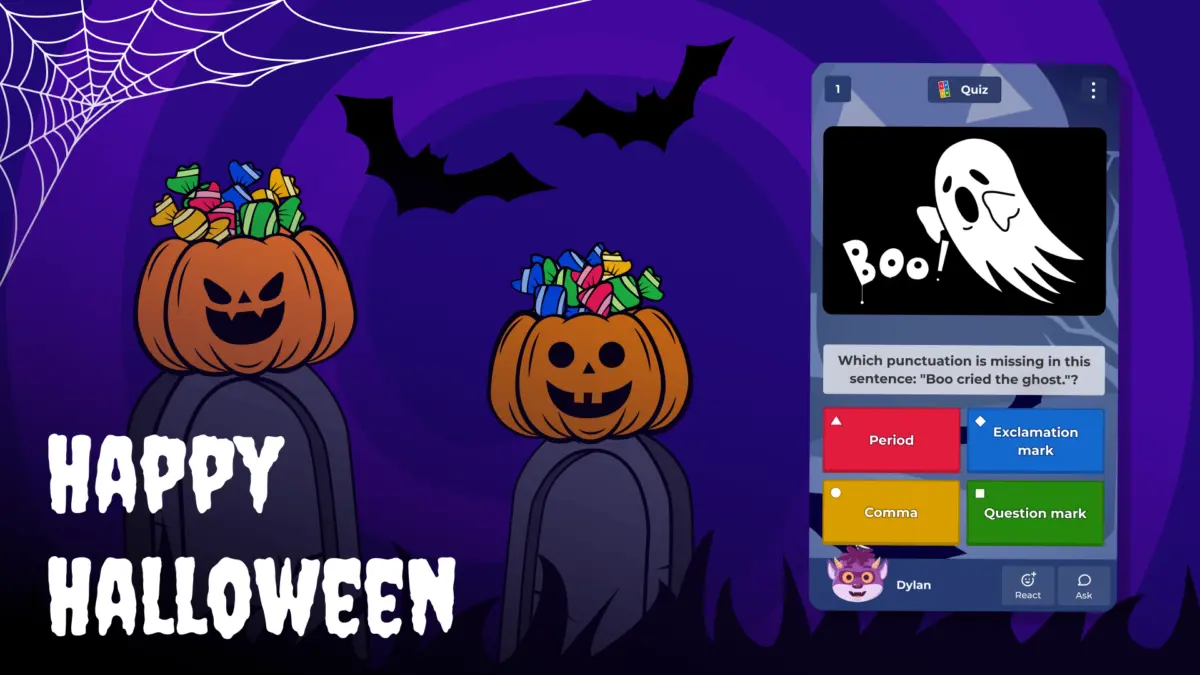
As the autumn leaves turn crisp and communities prepare for the annual celebration of ghosts, ghouls, and goblins, the intersection of education and entertainment is undergoing a fascinating transformation. Kahoot!, the global game-based learning platform, has unveiled its comprehensive, highly anticipated seasonal lineup of Halloween-themed educational content. Designed to bridge the gap between festive fun and rigorous academic engagement, this year’s rollout leverages pop-culture icons, historical deep-dives, and interactive STEM challenges to capture the imagination of learners of all ages.
Far from a mere seasonal gimmick, this initiative represents a strategic pedagogy shift. By embedding core curricula—ranging from foundational math and advanced vocabulary to historical analysis and ecological literacy—into familiar, gamified formats, educators, parents, and students can maintain learning momentum during a traditionally disruptive time of year. With partnerships spanning heavyweights like Disney, Marvel, Nickelodeon, TED-Ed, and the World Wildlife Fund (WWF), Kahoot! has positioned itself at the forefront of digital edtech innovation, proving that spooky season can simultaneously be a period of profound academic enrichment.
Detailed Chronology: The Evolution of Seasonal Gamified Learning
To understand the magnitude of Kahoot!’s current Halloween rollout, it is essential to examine the platform’s trajectory over the past decade. Founded on the principle of making learning awesome, the Norwegian-born company has steadily evolved from a simple classroom trivia tool into a sprawling digital ecosystem utilized by millions worldwide.
Phase One: Grassroots Classroom Engagement (2013–2018)
In its early years, seasonal content on Kahoot! was largely user-generated. Teachers across the globe would manually input trivia questions about Halloween history, literary monsters like Frankenstein, or autumn science concepts into the platform’s basic quiz interface. While effective for individual classrooms, these quizzes lacked standardization, high-production graphics, and cross-curricular alignment.
Phase Two: Institutional Partnerships and Curated Channels (2019–2022)
Recognizing the demand for high-quality, verified educational content, Kahoot! began forging strategic alliances with premier cultural, scientific, and media institutions. The platform introduced curated channels, allowing users to access pre-made, expert-vetted games. During the Halloween cycles of this era, early collaborations with entities like TED-Ed and various museums brought historical touchstones—such as the Salem Witch Trials—and scientific inquiries into classrooms through an engaging digital medium.
Phase Three: The Multi-Platform Pop-Culture Ecosystem (2023–Present)
Today, Kahoot! operates as a comprehensive multimedia learning platform. The current Halloween initiative represents a maturity in digital pedagogy where pop culture and formal education merge seamlessly. By securing rights and collaborations with entertainment giants like Marvel, Star Wars, Hello Kitty, and Nickelodeon, Kahoot! has bypassed the traditional friction points of student disengagement. The platform’s chronology this season demonstrates a sophisticated, multi-tiered approach tailored specifically to four distinct user groups: educators, parents, students, and lifelong learners.
Supporting Context & Metrics: The Science of Play-Based Learning During Holidays
The transition from traditional instruction to gamified learning during high-distraction periods like October is supported by a robust body of educational psychology and cognitive science research.
Combating the "Holiday Slump"
Educators have long wrestled with the academic disruption caused by seasonal holidays. The anticipation of costumes, candy, and evening festivities often fractures student attention spans. According to educational data analytics, student engagement metrics typically dip during holiday-adjacent weeks. However, platforms utilizing game-based assessments report a counter-trend: when academic concepts are framed within a narrative context—such as solving a math puzzle to escape a haunted house or identifying nocturnal wildlife to understand ecological balance—cognitive retention rates actually climb.
The Power of Familiar Characters (The Halo Effect in EdTech)
Kahoot!’s strategic inclusion of beloved characters—such as SpongeBob SquarePants, Groot, Charlie Brown, and Hello Kitty—acts as a cognitive bridge. In educational theory, reducing cognitive load is critical for mastering new or complex skills. When children encounter fractions or reading comprehension prompts alongside a comforting, recognizable figure like Snoopy or Hello Kitty, the perceived anxiety of the academic task diminishes. This "halo effect" fosters a positive emotional association with learning, transforming what might otherwise be viewed as a chore into a highly anticipated recreational activity.
Quantitative Reach and Accessibility
The scope of Kahoot!’s digital footprint allows these educational interventions to scale globally almost instantaneously. With millions of active monthly users spanning K-12 institutions, higher education, corporate training environments, and domestic households, digital learning modules bypass geographical barriers. A student in a rural classroom and a student in a metropolitan hub have equal access to the same high-caliber TED-Ed historical modules or WWF wildlife conservation quizzes.

Sector-by-Sector Breakdown of Kahoot!’s Halloween Curriculum
Kahoot!’s expansive 2026 Halloween catalog is meticulously categorized to address the unique needs of diverse learning demographics.
1. For Educators: Bringing Spellbinding Subjects to the Classroom
Teachers seeking to harness the electric energy of October can deploy interdisciplinary kahoots that align with state and national curriculum standards.
- TED-Ed Collaborations: Students can delve into the blurred lines between folklore and historical fact, exploring the origins of literary giants like Dracula and examining the socio-political pressures that fueled the Salem Witch Trials. These modules blend historical inquiry with critical thinking exercises.
- Nickelodeon & Disney Channels: Math, language arts, and general science are infused with enchantment. Educators can utilize SpongeBob SquarePants and Teenage Mutant Ninja Turtles kahoots to inject humor and relatable narratives into otherwise dry foundational drills. Similarly, the Disney: Happy Halloween! channel offers cross-curricular investigations wrapped in familiar fairy-tale aesthetics.
2. For Parents: Sweet Learning Treats at Home
Preventing the "summer slide" is a frequent talking point among educators, but managing the "holiday distraction gap" is equally vital. Kahoot! provides parents with accessible, low-pressure tools to reinforce core academic competencies at home.
- Hello Kitty and Friends: Designed for early learners, these modules focus on cognitive development and foundational mathematics through festive imagery like decorating haunted houses and solving gentle math puzzles.
- Marvel’s Midnight Monster Math: Targeted at children needing reinforcement in counting, addition, and subtraction, this collection features Groot and his cosmic companions in high-stakes, playful number challenges.
- The Peanuts Gang: Leveraging Charles Schulz’s timeless classic It’s the Great Pumpkin, Charlie Brown, this specific curriculum prioritizes emotional literacy. It helps children navigate complex emotions such as disappointment, fosters imagination, and celebrates the communal wonder of the season.
3. For Students: Spooktacular Study Sessions and Exam Preparation
As autumn progresses, the shadow of mid-term exams and late-semester evaluations looms large for secondary and post-secondary students. Maintaining study momentum is paramount.
- Museum of Science (SciShow Kids Partnership): Students can explore the mechanics of the cosmos, investigating why the moon changes its phases, alongside explorations of creepy-crawly insects and their ecological roles (aligned with Earth and Space Science standards).
- WWF Wild Classroom: Dispelling myths about "spooky" animals, this collection highlights how misunderstood species—such as bats, spiders, and owls—are critical to maintaining planetary health.
- Wiktionary Advanced Vocabulary: For older students looking to elevate their writing, the Wicked Words for Halloween module challenges players with rare, unusual, and archaic English terminology, testing linguistic prowess in a competitive solo or group format.
4. For Lifelong Learners: Frightfully Fun Social Celebrations
Learning does not stop at the classroom door. Adults, corporate teams, and social circles frequently host gatherings during October, creating ripe opportunities for adult education disguised as entertainment.
- Wikipedia Cultural History: A deep dive into the true historical origins of Halloween, tracing its evolution from ancient Celtic harvest festivals to modern global celebrations, alongside an exploration of fictional horror icons.
- Star Wars: Happy Ghoul-actic Halloween: Blending pop-culture trivia with tongue-in-cheek galactic humor, this module tests participants’ knowledge of the Jedi path, Sith lore, and everything in between.
Future Outlook: The Trajectory of Gamified Seasonal Education
As digital infrastructure improves and artificial intelligence enables more personalized, adaptive learning paths, the future of seasonal educational content is poised for radical expansion.
Industry analysts predict that platforms like Kahoot! will soon move beyond static, pre-made quiz collections toward dynamically generated, adaptive storytelling modules. Imagine a future Halloween where a classroom of students inputs their specific math curriculum needs, and the platform generates a real-time, branching narrative game featuring their favorite characters navigating a procedurally generated haunted environment.
Furthermore, the integration of augmented reality (AR) and virtual reality (VR) hints at immersive educational experiences where historical events—such as the unfolding of the scientific revolution or historical cultural practices—can be explored spatially within a game-based framework.
Conclusion
Kahoot!’s strategic capitalization of the Halloween season highlights a broader, highly encouraging trend in modern pedagogy: education and engagement do not need to be mutually exclusive. By packaging rigorous academic standards within delightful, pop-culture-infused, and seasonally appropriate packages, Kahoot! ensures that curiosity remains alive, well, and wonderfully spooky all year round. Whether in a kindergarten classroom, a university lecture hall, or a family living room, the message is clear—learning can, and should, be an absolute thrill.

