
By Marisa Petrarca | Updated September 30, 2026

Executive Overview
For generations, the cultural script surrounding childbirth has followed a predictable, almost comforting narrative: a pregnant woman’s water breaks, classic abdominal contractions begin, and after a period of rhythmic tightening, she transitions to pushing. Movies, television shows, and even well-meaning birth classes have reinforced this blueprint, leaving generations of mothers-to-be with the impression that labor pain is a distinct, rhythmic wave centered squarely in the abdomen.

However, for a significant percentage of laboring individuals, this cinematic blueprint is entirely inaccurate. They experience a phenomenon known as "back labor"—an excruciating, often relentless wave of lower back pain that bypasses standard abdominal signals entirely.

Despite its prevalence, back labor remains woefully under-discussed in prenatal preparation circles. Many women report navigating their third trimesters in total ignorance of the condition, only to be broadsided by a level of pain that defies their expectations, complicates medical monitoring, and leaves them psychologically shaken. This investigative report explores what back labor is, why medical science struggles to fully predict or prevent it, and why the medical community must radically shift its prenatal education paradigm to ensure women are no longer blindsided by the most grueling aspects of delivery.

Detailed Chronology: Anatomy of an Unforeseen Ordeal
To understand the psychological toll of back labor, one must look closely at how it disrupts a mother’s expectations. For Marisa Petrarca, the journey into this harsh reality began quietly, halfway through a standard, low-risk pregnancy. Sitting across from a friend at a local restaurant, Petrarca asked for a detailed, blow-by-blow account of her delivery. The response was jarring—punctuated by explicit language describing lower back pain so intense it overshadowed every other memory of childbirth. Pushing the warning aside in an attempt to manifest a smoother fate, Petrarca tucked the information away, completely unaware that she would soon live the reality.

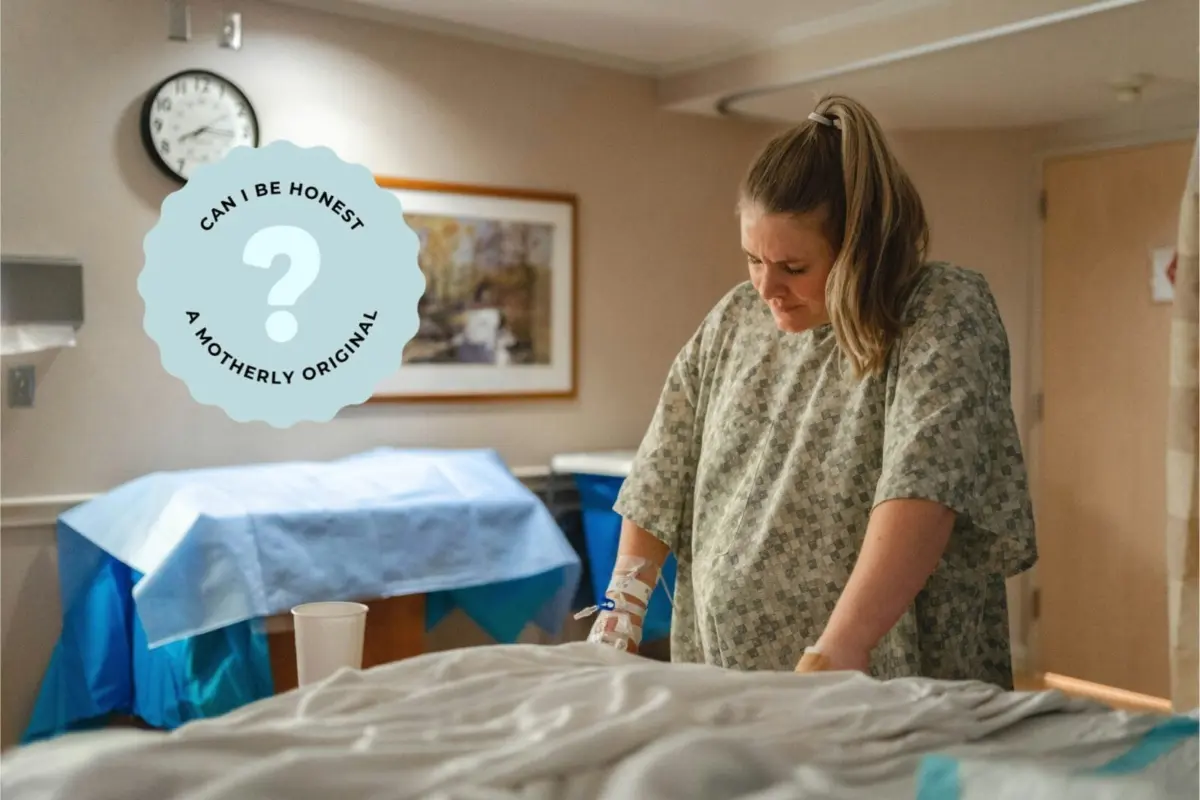
Fast-forward to week 37. Petrarca woke from a nightmare of acute lower back pain, only to realize the agony was real, inescapable, and intensifying. Convinced labor had commenced, she headed to the hospital. There, the pain paralyzed her cognitive functions. When she pressed a nurse for answers, the response was agonizingly simple: "It could be!" Sent home to rest because her cervix was not yet fully dilated, she endured another 24 hours of sporadic torture that culminated in severe vomiting and a frantic second trip to the hospital—this time in the backseat of a car, writhed in agony, drawing alarmed glances from passing motorists.

Upon arrival, the clinical picture shifted dramatically. While the medical monitors tracked erratic contractions, Petrarca felt virtually nothing in her abdomen. Instead, a white-hot, unrelenting pressure locked into her lower spine. Her baby’s heart rate began to exhibit concerning decelerations, adding a layer of acute clinical urgency to an already overwhelming physical experience. When the time finally came to push, the fundamental question remained unanswered: Had she missed her contractions entirely? Was the back pain the true marker of labor all along? The lack of clear communication from the medical team left a profound psychological scar, reducing what should have been an empowered passage into motherhood to a blur of confusion and unmanaged pain.

Supporting Context & Metrics: What is Back Labor and Why Does It Happen?
To demystify the condition, we must examine the physiological mechanics driving back labor. According to Dr. Brandye Wilson-Manigat, a board-certified OB-GYN, back labor is clinically defined as intense, debilitating pain concentrated in the lower back during the contraction cycle.

"It is thought to occur when the baby’s position places increased pressure on the mother’s sacrum, tailbone, and surrounding tissues during contractions," Dr. Wilson-Manigat explains. "This makes the pain much more noticeable in the lower back than in the abdomen."

The Clinical Mechanics
- Occiput Posterior Position: While not the sole culprit, back labor is frequently a clinical clue that the baby is in an occiput posterior (OP) position—meaning the baby’s skull rests against the back of the mother’s pelvis (often referred to as "sunny-side up") rather than facing her spine.
- Structural Contributors: Maternal pelvic shape and size, a fetus that is large relative to the pelvic outlet, or muscular tension in the pelvic floor can all prevent the baby from rotating correctly during descent.
- Subjective Intensity: Pain is inherently subjective, but clinical consensus notes that patients experiencing back labor frequently report a higher rating on the pain scale, coupled with a lack of inter-contraction relief compared to anterior-position labor.
The Information Gap
Why are women so rarely warned about this phenomenon? According to Dr. Wilson-Manigat, back labor is often omitted from casual conversations because it is viewed as a variation of standard labor rather than a distinct medical event. Because coping mechanisms—such as counter-pressure, hydrotherapy, and epidural analgesia—overlap with traditional labor management, healthcare providers frequently fold back labor into the broader, generalized umbrella of "labor pain."

However, this administrative and educational oversight leaves patients unprepared for the unique psychological and physical tax of relentless sacral pressure.

Official Statements and Institutional Failings
The silence surrounding back labor highlights a broader systemic issue within modern maternity care: the tendency to minimize or gloss over the raw, unvarnished realities of physical pain in female patients. Recent data from healthcare analysts and organizations like Gallup and Pivotal underscore a sobering reality: over half of women report feeling dissatisfied or dismissed regarding how their health concerns and pain levels are handled by medical providers.

When patients enter the labor and delivery ward without understanding anatomical positioning like the OP presentation, they are ill-equipped to advocate for interventions that might alleviate back pain—such as specific maternal positioning (e.g., hands-and-knees, peanut ball usage, or spinning babies techniques) designed to encourage fetal rotation.

Furthermore, when hospital staff offer vague reassurances ("It could be!") rather than a clear explanation of why the pain is localized to the spine, it breeds an environment of medical alienation. Women are told to "speak up" in the delivery room, yet they are systematically denied the baseline anatomical knowledge required to articulate their suffering effectively. The institutional failure to educate patients beforehand strips them of agency precisely when they need it most.

Future Outlook: A Call for Radical Transparency in Prenatal Care
The narrative around childbirth must evolve. Hiding the raw, grueling possibilities of labor behind a sanitized cultural veneer does a profound disservice to expectant mothers. Preparing a woman for back labor is not about inducing fear; it is about empowerment through truth.

+-----------------------------------------------------------------+
|               THE SHIFT IN PRENATAL EDUCATION                   |
+-----------------------------------------------------------------+
|  FROM: Sanitized narratives & generalized "labor pain" warnings |
|    TO: Transparent anatomical education regarding fetal position  |
|                                                                 |
|  FROM: Vague hospital reassurances during acute distress        |
|    TO: Proactive, communicative care teams offering targeted    |
|        interventions (counter-pressure, optimal positioning)    |
+-----------------------------------------------------------------+
If birth educators, OB-GYNs, and hospitals begin to normalize conversations about back labor during routine prenatal visits, patients will enter the delivery suite with a vastly different psychological posture. They will recognize the warning signs of an OP presentation, demand targeted physical therapy interventions early in labor, and understand that their pain—while excruciating—is a mechanical event, not a failure of their body.

Back labor may remain an unpredictable twist of fetal positioning, but suffering through it in silent ignorance should be a relic of the past. By arming expectant mothers with unvarnished facts, the medical community can replace confusion with clarity, ensuring that on the other side of the hardest labor, women emerge not just relieved that it is over, but fully understood, deeply supported, and fiercely proud of what they survived.

