In the dynamic ecosystem of today’s middle and high school classrooms, interpersonal friction is not an anomaly—it is an inevitability. When diverse cohorts of adolescents converge, differing opinions on science projects, shifting social dynamics, and perceived slights from interrupted conversations routinely spark tension. Historically, educational institutions have approached these inevitable flashpoints through a reactive, punitive lens. However, a paradigm shift is currently sweeping contemporary education: the objective of modern conflict resolution is no longer to eradicate disagreements entirely, but rather to equip young adults with the cognitive and emotional toolkits necessary to navigate friction independently, safely, and constructively.
By embedding Social-Emotional Learning (SEL) directly into daily academic routines, educators are moving past mere classroom management. They are actively fostering essential life competencies. This comprehensive report examines the pedagogical necessity of conflict resolution in secondary education, details the neurological science driving adolescent behavior, outlines actionable classroom frameworks, and evaluates the long-term societal implications of cultivating self-advocacy and emotional regulation in our youth.
Detailed Chronology: The Evolution of Classroom Discipline Toward SEL
To understand the current emphasis on proactive conflict resolution, one must examine how school discipline and student support systems have transformed over the past several decades.
Phase 1: The Era of Purely Punitive Measures (Late 20th Century)
For decades, secondary education relied heavily on punitive disciplinary models. When student conflicts escalated—whether through shouting matches, exclusion, or academic disputes—the standard response involved immediate separation and penalization. Detentions, suspensions, and mandatory administrative reprimands dominated the educational landscape. While these methods temporarily removed disruption from the immediate learning environment, educational researchers increasingly noted their failure to teach underlying social skills. Students were punished for failing to manage emotions they had never been formally taught to regulate.
Phase 2: The Introduction of Zero-Tolerance and Behavioral Compliance (1990s–2000s)
As concerns over school safety grew toward the end of the century, many districts adopted rigid zero-tolerance policies. This era prioritized strict behavioral compliance over developmental guidance. However, longitudinal data soon revealed unintended consequences: soaring suspension rates, widened achievement gaps, and an escalating sense of alienation among vulnerable student populations. Educators began calling for systemic interventions that addressed the root causes of behavioral disruptions rather than merely penalizing the symptoms.
Phase 3: The Rise of Restorative Practices and Social-Emotional Learning (2010s–Present)
The contemporary era marks a fundamental transformation toward restorative justice and explicit SEL integration. Driven by neuroscience and developmental psychology, modern educators recognize that the adolescent brain is uniquely primed for social learning. Rather than waiting for a crisis to occur, progressive classrooms now weave relationship-building, active listening, and structured de-escalation techniques into the fabric of the daily curriculum. Conflict is reframed not as a behavioral failure, but as a teachable moment that strengthens communication, emotional intelligence, and interpersonal resilience.
Supporting Context & Metrics: The Neuroscience of Adolescent Conflict
Navigating conflict during the middle and high school years presents unique challenges, rooted deeply in adolescent neurobiology. Understanding the physiological mechanisms of stress and emotional reactivity is critical for educators implementing effective resolution strategies.
The Amygdala Hijack vs. Prefrontal Cortex Control
When a student feels disrespected, overwhelmed, or threatened by a peer, the amygdala—the brain’s emotional processing and "fight, flight, or freeze" center—rapidly takes control. During this physiological response, higher-level executive functions are temporarily sidelined. Impulsive reactions, defensive posturing, and emotional outbursts often follow.
Conversely, when students are trained to recognize their stress responses and employ deliberate calming techniques, blood flow returns to the prefrontal cortex. This region of the brain is responsible for long-term planning, empathy, complex decision-making, and perspective-taking. Because the adolescent brain is still undergoing profound structural development—particularly along the neural pathways connecting the limbic system to the prefrontal cortex—young adults require explicit, scaffolded support to bridge the gap between emotional distress and rational problem-solving.
The Multi-Faceted Benefits of Proactive Intervention
Research consistently demonstrates that explicit instruction in conflict resolution yields profound academic, social, and psychological benefits. Classrooms that prioritize proactive SEL frameworks observe:
Enhanced Academic Engagement: When instructional time is not perpetually hijacked by unresolved social drama, students maintain greater focus on core curriculum tasks.
Improved Classroom Climate: Fostering mutual respect and structured peer dialogue significantly reduces instances of bullying, social exclusion, and chronic absenteeism.
Long-Term Competency Development: The strategies acquired in middle and high school—such as active listening, boundary setting, and respectful disagreement—form the foundation of future workplace professionalism and civic participation.
Pedagogical Frameworks: Core Strategies for the Secondary Classroom
Implementing effective conflict resolution requires a multifaceted approach that combines relationship building, explicit skill instruction, and continuous self-reflection. Educators utilize several evidence-based pillars to achieve this:
1. Intentional Relationship Building
The bedrock of effective conflict resolution is relational trust. Navigating interpersonal problems is inherently uncomfortable; it demands vulnerability and mutual respect. Consequently, educators must lay the groundwork by fostering genuine connections within the classroom long before a dispute arises.
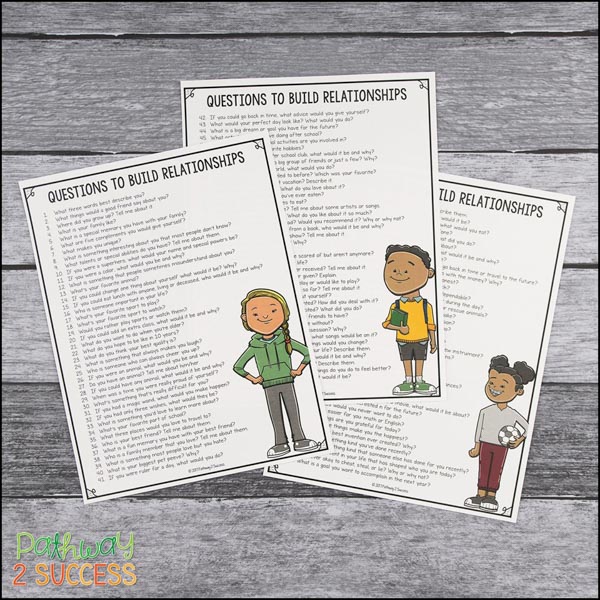
Implementation: Utilizing low-stakes, high-interest discussion prompts during morning meetings or advisory periods allows students to discover commonalities and appreciate diverse perspectives. When students feel a genuine sense of belonging to their classroom community, the emotional stakes of resolving disagreements drop significantly.
Conflict should never be treated as a taboo subject. Instead, educators must demystify friction by explaining that disagreements are natural byproducts of collaboration and diverse viewpoints.
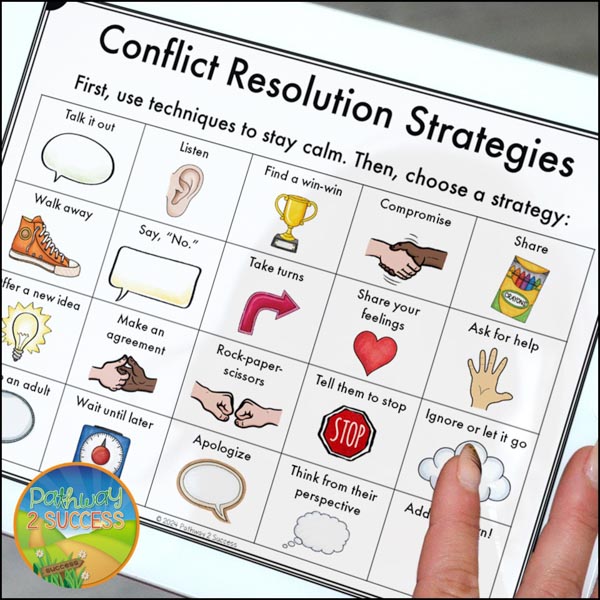
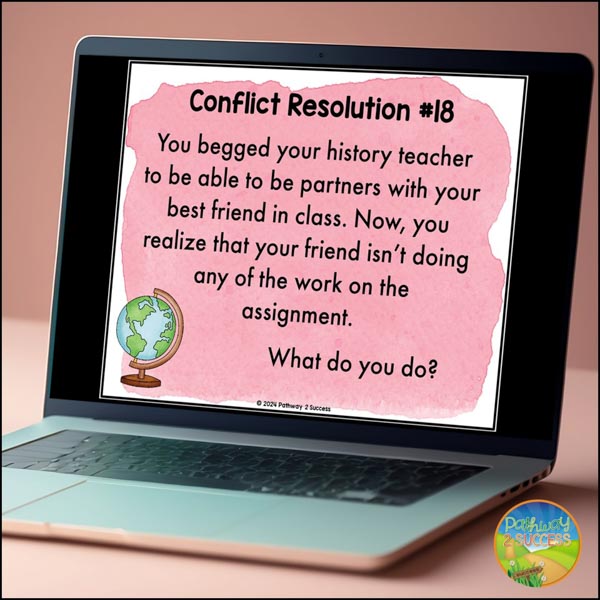
Implementation: Teachers explicitly contrast different resolution pathways. For instance, a minor disagreement over a science project requires active listening and compromise, whereas pressure to share answers on an independent assignment requires assertive self-advocacy (e.g., saying "no" respectfully). Providing visual anchor charts and scenario-based cards gives students concrete vocabulary and tactical choices to deploy when tensions rise.
3. Cultivating Active Listening
True active listening requires moving past the instinct to formulate a rebuttal while the other person is still speaking. It involves listening with the sole intent to understand another person’s internal reality.
Implementation: Educators can integrate structured listening protocols into group assignments. Techniques such as paraphrasing ("What I hear you saying is…") and reflective questioning ensure that all participants feel genuinely heard, neutralizing defensiveness before it escalates into hostility.
4. Embedding Calming and Self-Regulation Strategies
Because physiological arousal precedes verbal conflict, emotional regulation must precede cognitive problem-solving.
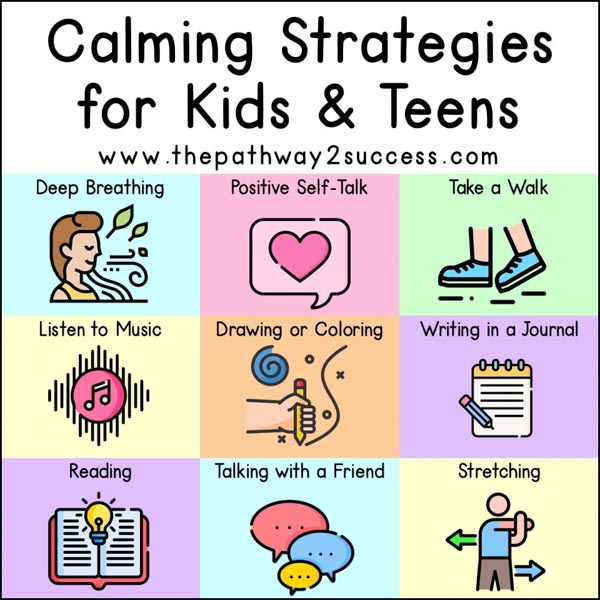
Implementation: Classrooms should seamlessly integrate evidence-based calming techniques—such as controlled deep breathing, positive self-talk, and brief journaling prompts—as routine brain breaks between intensive academic tasks. By normalizing these practices during calm periods, students build emotional muscle memory that enables them to access inner calm during high-stress moments.
5. Leveraging Scenario-Based Discussions and Class Meetings
Abstract theories of conflict resolution are often ineffective when students are in the heat of an emotional moment. Concrete, scenario-based practice provides a safe rehearsal space.
Implementation: Teachers present hypothetical or real-world conflict scenarios, guiding students through a structured analysis: What is the core problem? What are the underlying emotions? What are three potential pathways forward, and what are their likely consequences? Regular class meetings further democratize this process, empowering the collective student body to co-create community norms and restorative solutions.
6. Encouraging Self-Advocacy and Respectful Disagreement
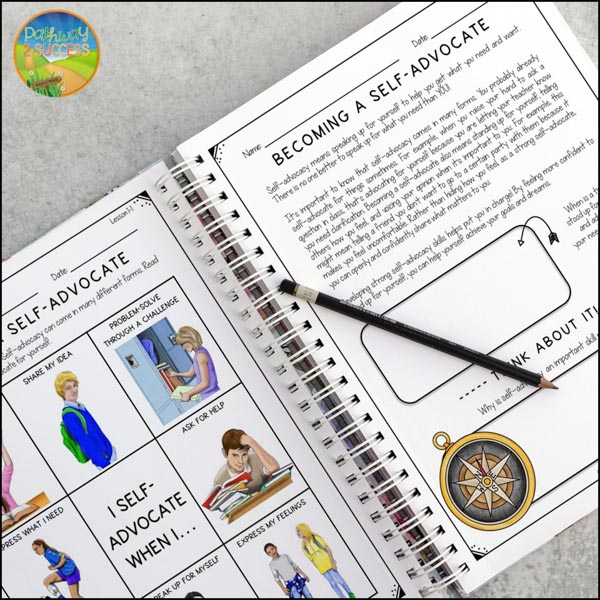
Conflict resolution and self-advocacy are two sides of the same coin. Students must learn how to articulate their needs, establish healthy personal boundaries, and voice dissent without resorting to personal attacks.
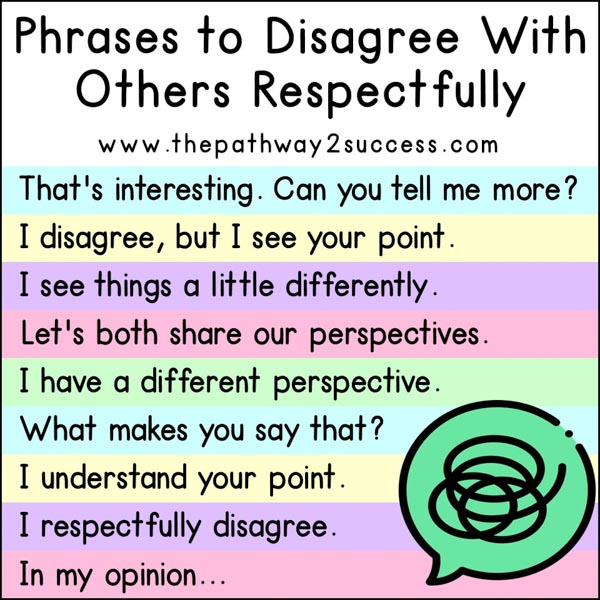
Implementation: Educators provide linguistic scaffolding for respectful disagreement, offering phrases such as: "I see that perspective differently because…", "Help me understand your point on this point…", or "I feel overwhelmed when…" Engaging students in debates over high-interest topics (e.g., historical milestones, scientific ethics, or cultural innovations) provides low-risk practice environments for mastering these crucial communicative arts.
Implementation: Dedicating the final five to ten minutes of a class period to reflective journaling allows students to evaluate their interpersonal interactions: What went well today? Where did I experience friction, and how did I handle it? What can I adjust tomorrow? Coupled with visual anchor charts and bulletin boards displaying resolution strategies, these daily touchpoints reinforce personal accountability and continuous self-improvement.
Official Statements and Expert Insights
Educational leaders and behavioral specialists continue to advocate for systemic integration of social-emotional learning within secondary education curricula.
Dr. Elena Vance, a leading developmental psychologist specializing in adolescent behavioral frameworks, emphasizes the vital transformation happening in modern schools:
"For generations, we treated adolescent conflict as a disciplinary infraction rather than a developmental milestone. When we punish kids for arguing without teaching them how to negotiate, compromise, or regulate their nervous systems, we are failing to provide them with the foundational survival skills of adulthood. Conflict resolution is not a distraction from academics; it is the prerequisite for a functional learning environment."
Furthermore, school administrators piloting comprehensive SEL programs report marked cultural improvements across entire student bodies. Superintendent Marcus Holloway notes:
"The data speaks for itself. When districts invest in proactive conflict resolution strategies—such as active listening modules, restorative circles, and explicit self-advocacy training—we see immediate drops in disciplinary referrals and significant gains in collaborative academic performance. We are no longer just managing behavior; we are empowering students to become architects of their own peaceful communities."
Future Outlook: The Long-Term Impact on Society
As secondary education continues to evolve in response to technological advancements, shifting social landscapes, and heightened global connectivity, the imperative for robust conflict resolution training has never been more pronounced.
Looking forward, the integration of emotional intelligence and interpersonal problem-solving into middle and high school curricula promises far-reaching societal benefits. By dismantling the reactive, punitive models of the past and replacing them with proactive, skill-based frameworks, educational institutions are preparing students for an increasingly complex world.
The young adults graduating from these modern classrooms are uniquely equipped to enter higher education and the modern workforce with advanced emotional resilience, sophisticated communication abilities, and an unwavering capacity to transform interpersonal friction into collaborative innovation. Ultimately, teaching students how to resolve their differences peacefully is not merely an exercise in classroom management—it is a vital investment in the future stability and empathy of our global society.