
Executive Overview
In an era defined by rapid information exchange, subjective truth, and a cultural aversion to absolute boundaries, the Christian church faces a quiet yet devastating crisis from within. While contemporary discussions often focus on external pressures, secularism, and societal shifts, ecclesiastical scholars and theologians point to a far more insidious threat: the resurgence of ancient heresies wrapped in modern vernacular.
This pressing reality is the focal point of Episode 26 of the Read, Do, & Tell Podcast, hosted by Becky and Amy. Continuing a multi-part series on theological deviations within the church, the latest installment takes direct aim at "Heresies Against God."
To understand the gravity of this subject, one must first look past the modern misconception that heresy is merely a minor difference in opinion. Historically and biblically, heresy is a critical departure from the core revelations of Scripture—a deliberate distortion of the nature, character, and personhood of God. Far from being a relic of dusty theological textbooks, heretical teaching has dogged the church since its infancy, evolving to fit the intellectual and spiritual climate of every generation.
This report explores the foundational definitions of heresy, examines the historical measures taken by early church councils to safeguard orthodox doctrine, analyzes contemporary distortions surrounding the Trinity and the nature of God, and provides a framework for how modern believers can anchor their faith in the unchanging Word of God.
Detailed Chronology: From Early Church Councils to Modern Pulpits
To grasp the danger of modern theological deviations, one must recognize that historical heresies are remarkably persistent. They rarely vanish entirely; instead, they are rebranded and reintroduced to unsuspecting generations.
The Ancient Battlegrounds: The Early Church Councils
During the first few centuries of Christianity, as the church expanded across the Roman Empire and beyond, leaders faced intense debates regarding the identity of Jesus Christ, the Holy Spirit, and the Triune nature of God. Without standardized creeds, various factions interpreted Scripture through biased, philosophical, or overly reductionist lenses.
In response, the early church fathers convened major ecumenical councils. These gatherings were not born out of a desire to stifle thought, but rather out of an urgent necessity to protect the flock from teachings that fundamentally altered who God is.
- The Council of Nicaea (325 AD): Convened to address Arianism—the teaching that Jesus was a created being rather than co-equal and co-eternal with the Father—this council established the foundational framework of Christ’s divinity, culminating in the Nicene Creed.
- Subsequent Councils (Constantinople, Ephesus, and Chalcedon): These gatherings further refined orthodox Christian theology, systematically dismantling views that either divided Christ’s divine and human natures or collapsed the distinct persons of the Trinity into mere "modes" of a single divine actor (Modalism).
As Becky and Amy emphasize in Episode 26, studying these early councils is not an exercise in dry academic history; it is a vital exploration of how the church successfully defended the Gospel against doctrines that would have otherwise gutted Christianity of its redemptive power.
The Modern Resurgence: Old Lies in New Packaging
Fast-forwarding to the 21st century, the Read, Do, & Tell hosts caution that the nature of the threat has changed only in presentation, not in substance. Modern-day heresy often masquerades as progress, inclusivity, or deep spiritual insight.
Today’s theological errors regarding God and the Trinity frequently manifest in several ways:
- Moralistic Therapeutic Deism: A worldview that reduces God to a cosmic therapist and divine butler whose primary goal is to make people feel good and solve their problems, stripping Him of His holiness, justice, and sovereignty.
- Subtle Subordinations: Modern variations of ancient subordinationism, which suggest that the members of the Trinity are not equal in value, power, or eternity, distorting the relational harmony and eternal nature of the Godhead.
- Anthropomorphic Projections: Reimagining God entirely in humanity’s image—stripping Him of His transcendent attributes to align with contemporary cultural preferences.
Supporting Context & Metrics: Why Theological Literacy Matters
The conversation surrounding heresies against God is underpinned by a growing concern over theological illiteracy within modern congregations. Studies from organizations like Ligonier Ministries and LifeWay Research have consistently highlighted a widening gap between what professing Christians claim to believe and what orthodox Christianity has historically taught.
The State of Modern Theology
- Doctrinal Drift: According to recent State of Theology surveys, a significant percentage of churchgoers hold views that align with ancient heresies—such as believing that Jesus was a great teacher rather than God incarnate, or that the Holy Spirit is a force rather than a distinct personal member of the Trinity.
- The Danger of Emotionalism: When faith is driven entirely by subjective emotional experiences rather than objective scriptural truth, believers become prime targets for heretical teachings that "sound good" or offer easy answers to complex existential questions.
The Cost of Compromise
Heresy is never a victimless theological abstraction. When the nature and character of God are distorted:
- The Gospel is Compromised: If God is not holy, sin is no longer viewed as an ultimate offense against Him. If Christ is not fully God and fully human, His substitutionary atonement on the cross loses its efficacy.
- Discipleship Falters: Believers who are not grounded in sound doctrine cannot effectively pass down a resilient, rooted faith to the next generation—a core burden of the Raising Rooted Disciples ministry.
Official Statements & Theological Insights
The dialogue featured on the Read, Do, & Tell Podcast provides crucial perspective on how believers should approach this topic.
Defining the severity of the issue, the hosts stress:
"We need to remember that heresy is a SERIOUS matter to the church AND to God! Heretical teaching is teaching that intentionally distorts or contradicts God or the pure gospel as revealed in Scripture. Those who teach heresies are ‘heretics.’"
Addressing the common pushback that Christians should simply "agree to disagree" on all matters of faith, the podcast clarifies the crucial boundary line between secondary preferences and primary orthodox doctrines:
"Christians can hold different beliefs about some things, and it isn’t considered heretical. Teachings that distort or contradict the nature and character of God ARE, however, heretical."
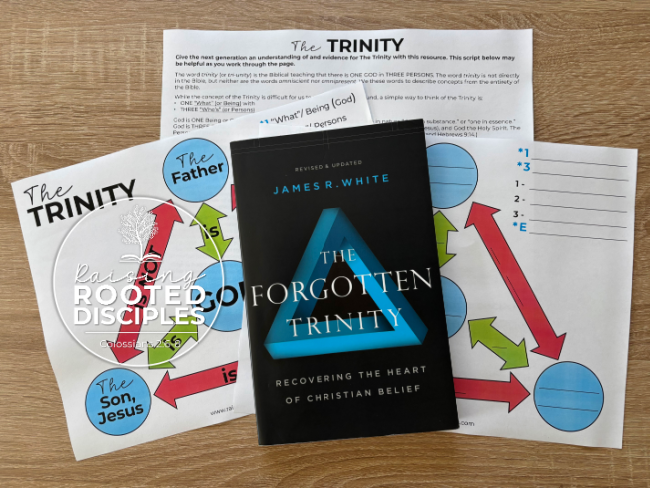
To combat this confusion, resources such as the Trinity Diagram & Teaching Pack—offered through the Raising Rooted Disciples community—aim to equip parents, educators, and church leaders with clear, visually engaging tools to teach sound doctrine. By breaking down complex theological concepts like the Trinity into accessible, scripturally sound formats, the ministry seeks to inoculate believers against modern deceptions.
Future Outlook: Equipping the Next Generation for Truth
As the cultural pressure to conform spiritual truths to shifting societal standards intensifies, the church stands at a critical crossroads. The future vitality of Christian witness depends entirely on its willingness to anchor itself in historical orthodoxy and uncompromised biblical truth.
Key Action Steps for the Modern Church
- Prioritize Theological Education: Congregations must move beyond superficial programming and invest in deep, systematic discipleship. Believers must be taught why they believe what they believe.
- Engage with Church History: As demonstrated in Episode 26, looking back at the early church councils provides a roadmap for navigating modern controversies. The historical guardrails established centuries ago remain just as protective today.
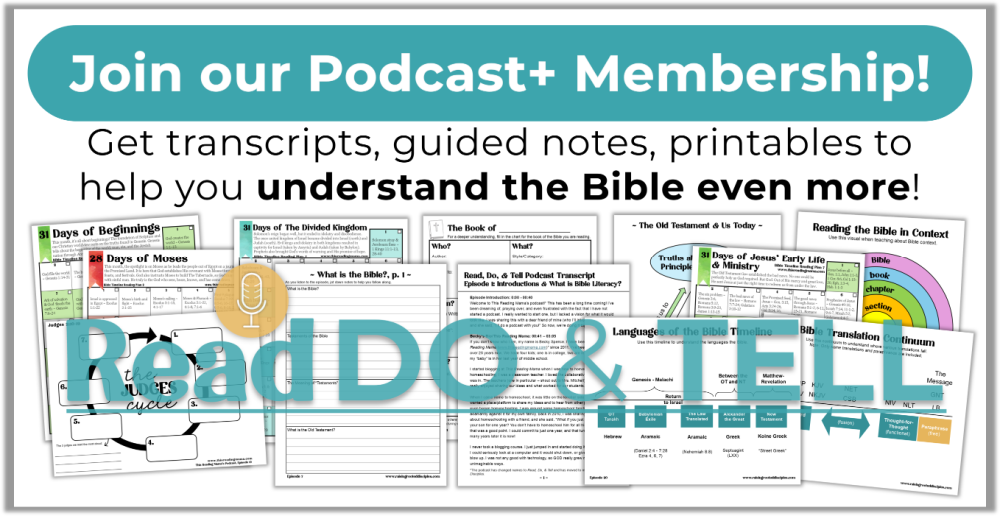
- Utilize Sound Resources: Leveraging structured study tools, guided notes, Scripture reading plans, and visual aids—such as those provided via Podcast+ memberships and educational toolkits—ensures that families and study groups are well-equipped to spot and reject doctrinal error.
Conclusion
The battle against heresies is not a call for intellectual arrogance or divisive gatekeeping; rather, it is an act of profound love for God and His people. To love God is to love Him as He has revealed Himself in Scripture, rather than crafting an idealized version of Him to suit our modern sensibilities.
As Becky concludes in her ministry address, echoing the resolute spirit of the biblical scribe Ezra:
"Let’s be determined… to read, do, and tell the Word of the Lord!"
Only through unwavering commitment to the pure Gospel can the church navigate the turbulent waters of modern heresy and pass down a vibrant, resilient faith to generations to come.

