
Executive Overview
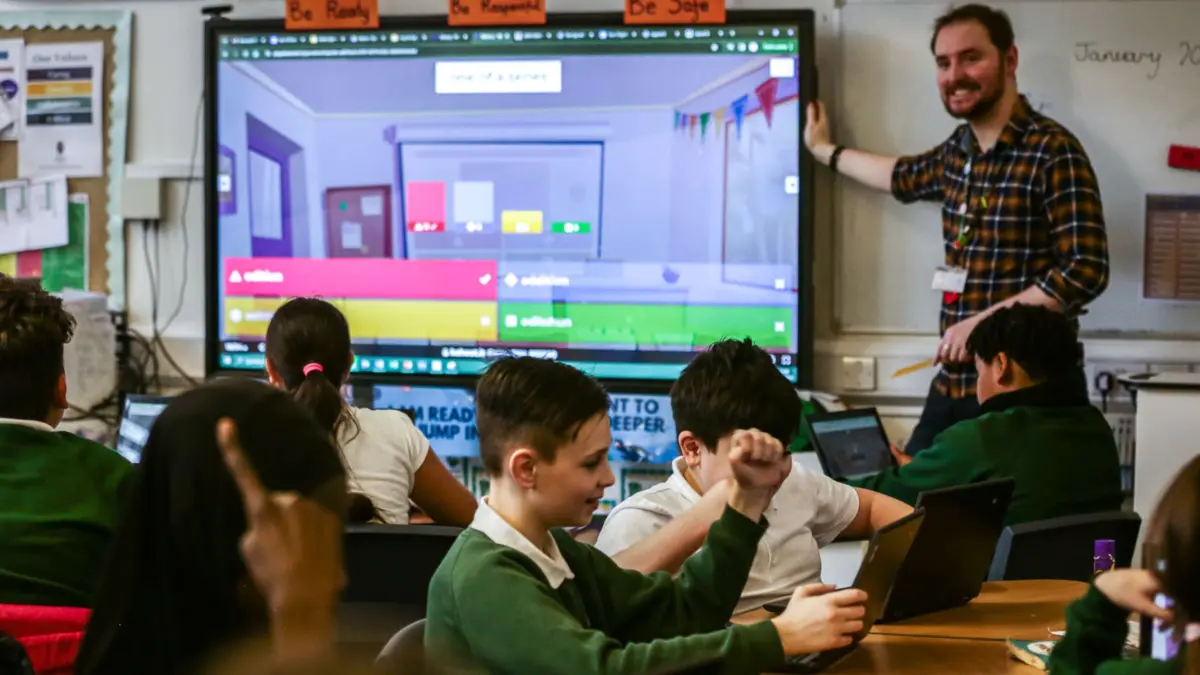
As educators worldwide prepare for the dawn of a new academic year, the pressure to balance student engagement, curriculum pacing, and technological integration has never been higher. Modern classrooms are dynamic, complex ecosystems where teachers must navigate shifting policy environments—ranging from strictly device-free zones to digitally integrated blended learning models—while simultaneously working to bridge persistent post-pandemic learning gaps.
Entering this high-stakes arena, global learning platform Kahoot! has announced a sweeping array of product updates and pedagogical features designed specifically to tackle these real-world challenges head-on. Rolled out for the back-to-school season, these new tools stretch far beyond the platform’s traditional multiple-choice quiz format. They introduce adaptive math practice, device-free interactive modes, multilingual vocabulary expansion, open-ended critical thinking prompts, and advanced AI-assisted lesson planning.
By addressing the multifaceted pain points of 21st-century educators, Kahoot!’s latest ecosystem evolution aims to save valuable preparation time, cater to diverse learning styles, and inject joy into classrooms from kindergarten through higher education. This report provides an in-depth examination of the newly introduced features, their pedagogical implications, and what they signify for the future of educational technology.
Detailed Chronology and Product Evolution
To understand the weight of Kahoot!’s latest announcements, one must contextualize the trajectory of the platform. Launched originally as a game-based response to traditional lecture formats, Kahoot! has progressively transformed from a simple trivia tool into an all-encompassing instructional suite. The late-summer and early-fall rollout of 2026 marks one of the company’s most aggressive feature expansions to date, structured systematically around distinct classroom challenges.
1. Navigating the Device-Free Movement: Classic Unplugged and Team Tiles
In recent years, educational institutions have increasingly pushed back against ubiquitous personal screens, implementing strict device-free policies to combat distraction and bolster interpersonal communication. Recognizing that teachers in these environments still crave interactive, gamified engagement, Kahoot! engineered two novel offline-friendly modes: Classic Unplugged and Team Tiles.
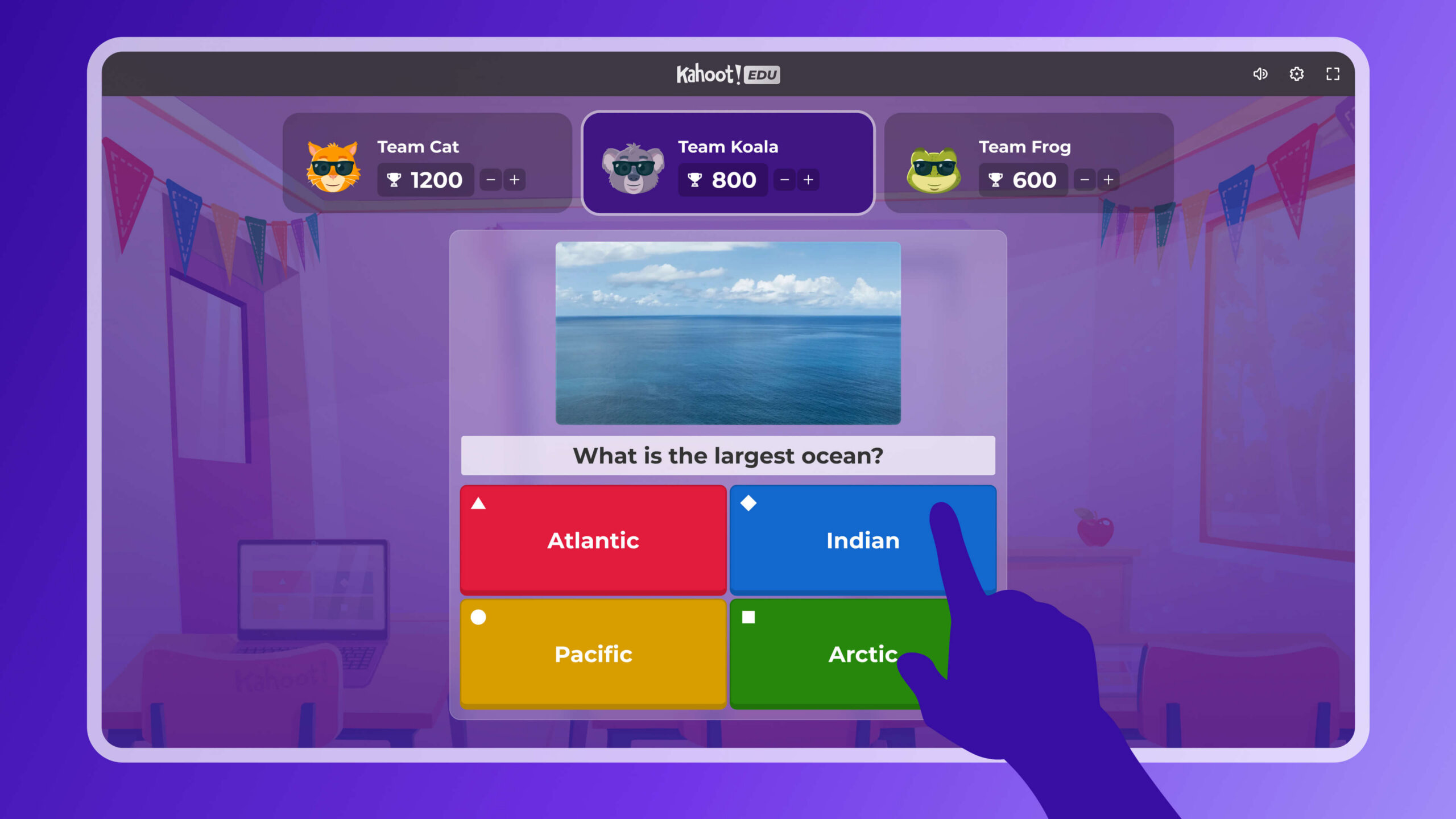
- Classic Unplugged: Educators can now host a standard Kahoot! lesson directly from a centralized, shared classroom display. Rather than logging in via individual smartphones, tablets, or laptops, students call out answers collectively or utilize physical response cards. This preserves the high-energy, competitive spirit of the game while keeping desk surfaces clear of personal distractions.
- Team Tiles: Focusing on collaborative learning, Team Tiles allows students to group together (such as Team Cat, Team Koala, or Team Frog) and debate solutions jointly. This mechanism transforms digital quiz sessions into physical, team-based discursive exercises, fostering social-emotional learning alongside academic review.
2. Tackling Foundational Gaps: The Rise of Math Missions
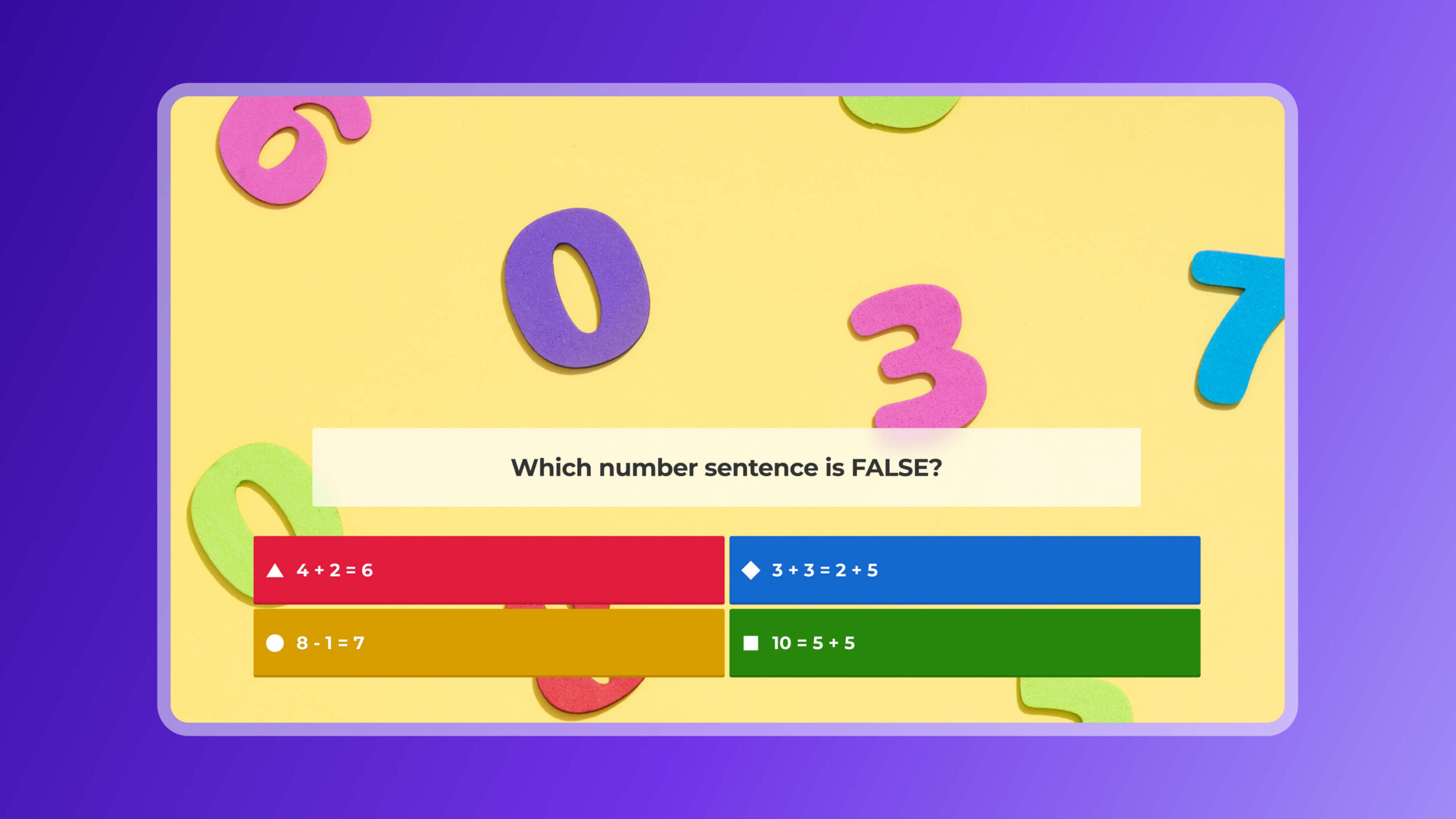
Mathematics education continues to face severe scrutiny regarding foundational proficiency and standardized test recovery. To combat math anxiety and bridge learning deficits, Kahoot! expanded its adaptive learning capabilities with Math Missions.
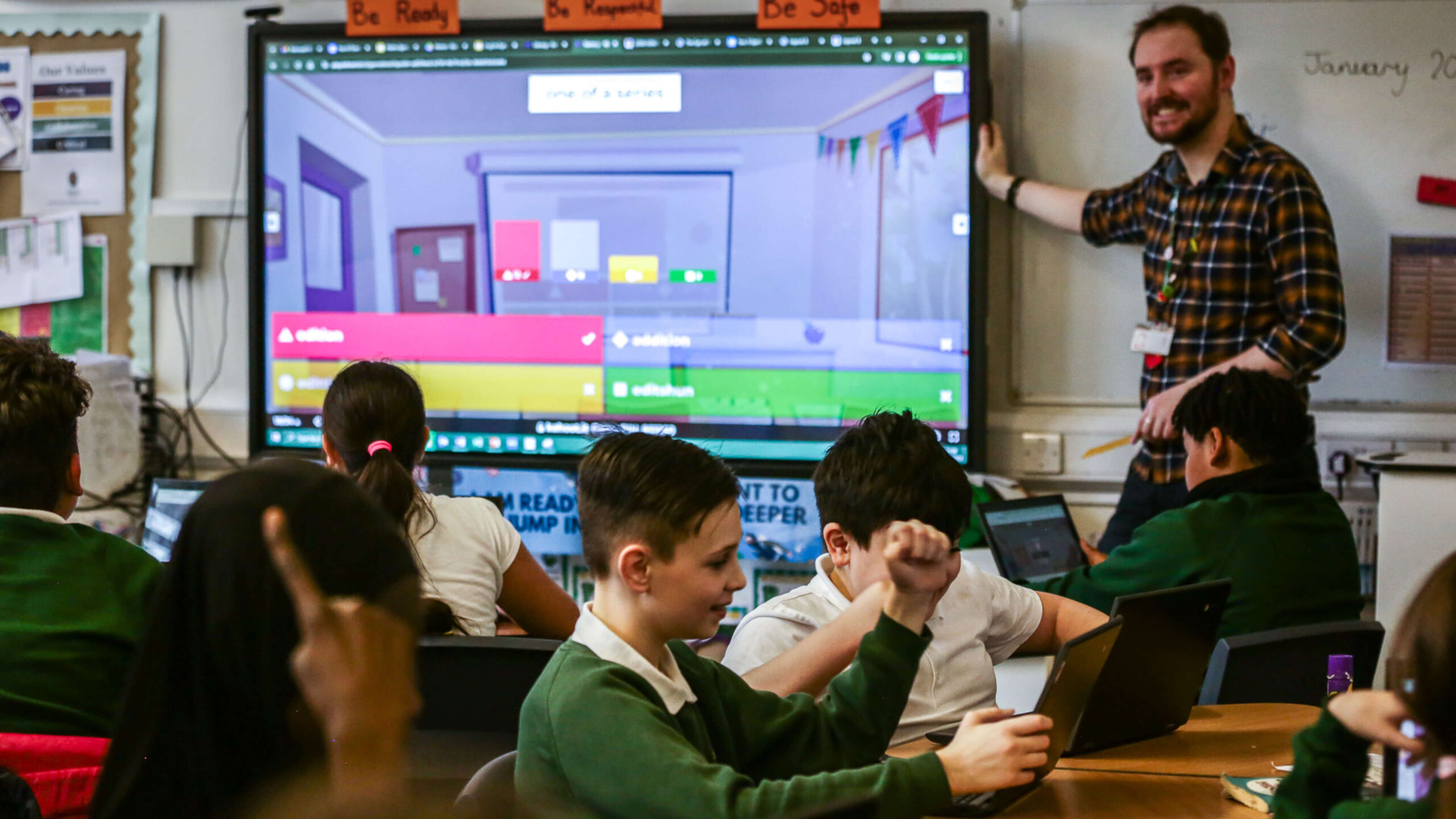
Designed as a self-driven, highly individualized practice tool, Math Missions continuously evaluates student performance and dynamically adjusts question difficulty in real-time. Whether a student is struggling with basic number sense or encountering early algebraic concepts, the tool ensures they are neither overwhelmed nor bored. By providing targeted practice coupled with real-time analytics for teachers, Math Missions acts as a virtual instructional assistant, building long-term academic confidence one step at a time.
3. Cultivating Global Competence: Kahoot! Language Learning
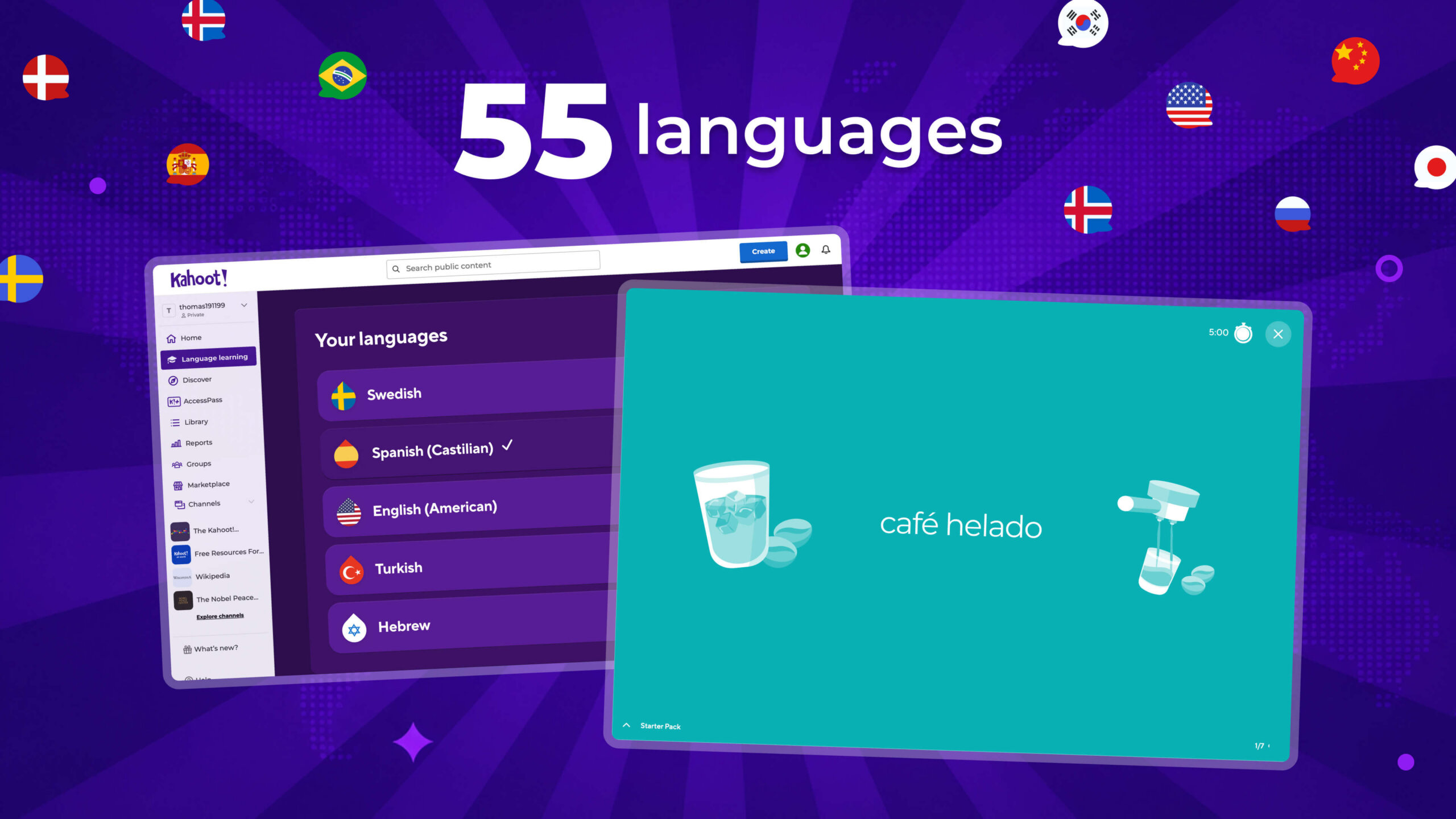
Language acquisition requires repetition, contextual immersion, and low-stakes opportunities for practice. The introduction of Kahoot! Language Learning brings support for over 55 distinct languages directly into the teacher’s toolkit.
Merging bite-sized visual lessons with the vibrant pacing of Kahoot!, the platform now serves as a unified hub for vocabulary acquisition. Educators can seamlessly transition from a quick morning warm-up in Spanish or French to a multiplayer competitive review session, or assign self-paced homework modules that reinforce speaking and reading confidence.
4. Elevating Discourse: Open-Ended Questions for Older Students
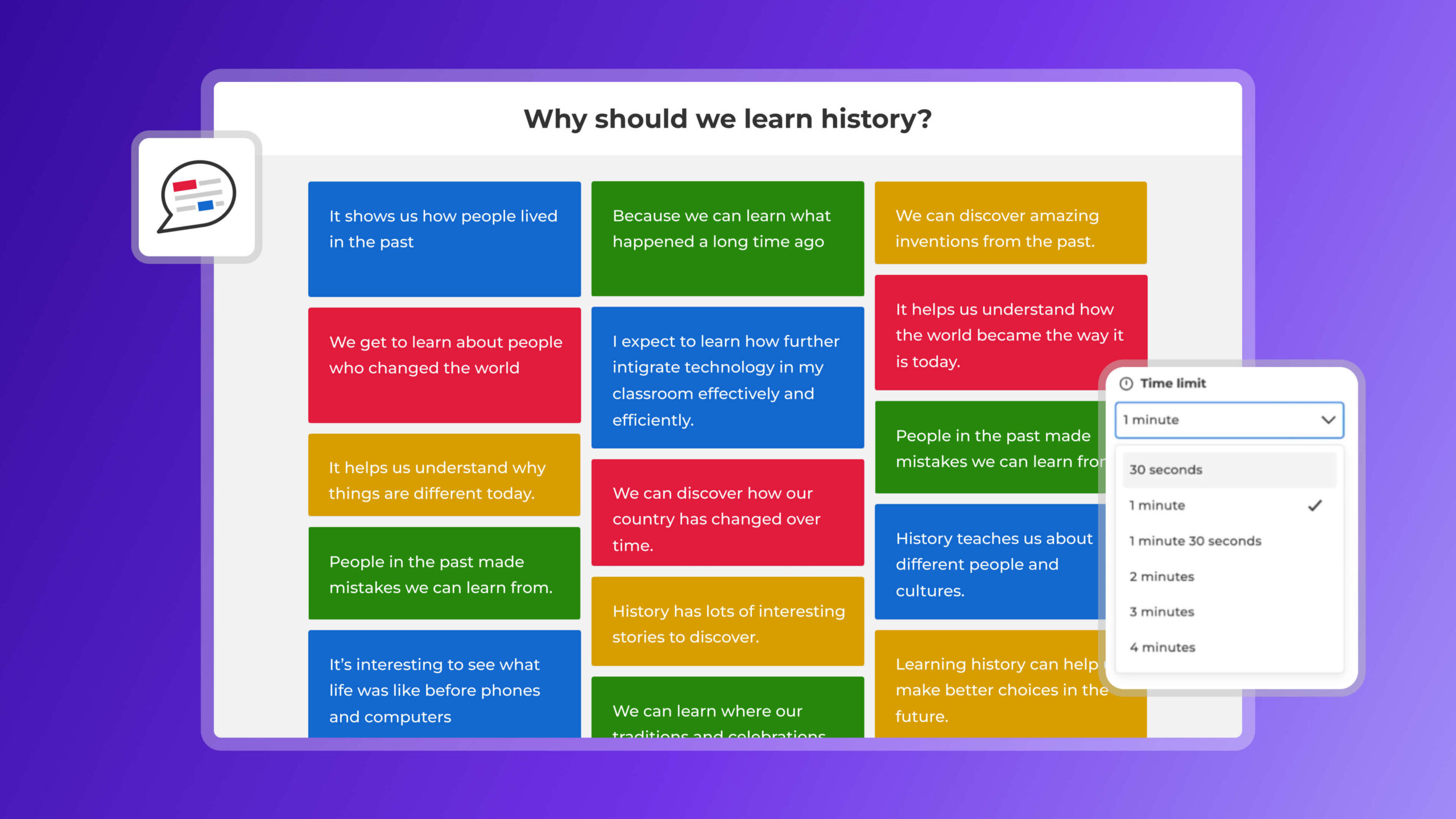
While gamification excels at rapid recall, modern education places a premium on higher-order cognitive skills, metacognition, and qualitative debate. Addressing the pedagogical needs of instructors teaching students aged 16 and over, Kahoot! has widened access to its open-ended question types and interactive brainstorming boards.
Moving past rigid right-or-wrong selections, these features allow learners to type out nuanced arguments, philosophical interpretations, or complex reflections (such as responding to prompts like "Why should we learn history?"). The responses are then dynamically mapped across colorful, digital sticky notes on a shared screen, creating an immediate, safe environment for classroom-wide discussions and qualitative assessments.
5. Streamlining Workflows: The Kahoot! Assistant and AI Integration
Perhaps the single largest operational burden facing modern educators is the sheer amount of time required to design, format, and differentiate lesson materials. To alleviate this friction, the platform introduced the Kahoot! Assistant.
Powered by advanced artificial intelligence, this feature democratizes smart lesson creation. Teachers can instantly generate comprehensive, interactive quizzes and learning modules from any raw topic, web URL, or pre-existing document. Furthermore, educators can ingest their legacy files—such as PDF syllabi or standard slide decks—and watch as the AI automatically transforms static presentations into dynamic, gamified learning experiences.
Supporting Context and Metrics: The State of Educational Technology in 2026
The rollout of these features is not happening in a vacuum; it responds directly to macro-level shifts in global education:
- The Screen-Time Debate: According to recent educational policy tracking, over 40% of school districts across major western markets have implemented stricter smartphone bans during instructional hours. Tools like Kahoot!’s Classic Unplugged directly address the pedagogical necessity of interactive learning without violating emerging district-wide device mandates.
- The Mathematics Deficit: Standardized testing metrics over the past half-decade have consistently indicated lingering foundational gaps in STEM subjects, particularly mathematics. Adaptive tools like Math Missions provide the individualized intervention models that under-resourced classrooms desperately require to deliver differentiated instruction at scale.
- Teacher Burnout and Administrative Load: Surveys regarding teacher retention continue to point toward administrative fatigue and excessive lesson-planning hours as primary drivers of burnout. By leveraging generative AI through the Kahoot! Assistant, the platform estimates a substantial reduction in weekly preparation time, allowing educators to refocus their energy on direct student interaction and mentorship.
Official Statements and Leadership Vision
While rolling out these comprehensive updates, leadership at Kahoot! has continually emphasized a mission-driven approach centered on teacher empowerment and student joy.
In official statements accompanying the back-to-school launch, product developers underscored that the core objective was to solve real, practical classroom challenges rather than simply pushing technology for technology’s sake. "Whether you are looking to save time on lesson prep, foster critical thinking, or motivate students to complete their homework, our latest updates give you the flexibility to engage every learner exactly where they are," noted the platform’s educational outreach team.
Emphasizing accessibility, the company has structured its offerings to scale across various institutional budgets. Alongside comprehensive enterprise suites like Kahoot!+ Gold—tailored for robust K-12 and Higher Education deployment—the platform continues to maintain its baseline commitment to accessibility via Kahoot! Go, ensuring that budget-constrained classrooms can still access foundational interactive tools for free. Additionally, professional development (PD) resources, such as the newly launched back-to-school essentials PD course, are being provided to ensure educators feel fully equipped to master the new feature set from day one.
Future Outlook: What Lies Ahead for Gamified Learning
As schools continue to evolve past the traditional paradigms of rote memorization and passive listening, platforms like Kahoot! are charting the course for interactive, data-driven, and hybrid instruction.
The convergence of artificial intelligence with gamified assessment points toward a future where lesson planning is nearly instantaneous, leaving room for hyper-personalized human instruction. By bridging the gap between physical classrooms (through unplugged modes) and advanced cognitive training (through open-ended discourse and adaptive math missions), Kahoot! is positioning itself as an indispensable pedagogical partner.
Looking ahead, industry analysts expect further refinement in how adaptive AI integrates with formal curriculum standards, allowing real-time tracking of state and national educational benchmarks directly through gameplay analytics. For the 2026 academic year and beyond, the message from the educational technology sector is clear: technology should not dictate how a classroom runs, but rather adapt flexibly to whatever environment—digital, hybrid, or entirely unplugged—the educator chooses to build.

