
Executive Overview
Subscription boxes have fundamentally transformed the landscape of at-home education and child engagement. Spearheaded by industry pioneers like KiwiCo, the concept of delivering curated, hands-on learning kits directly to the doorstep has captured the imagination of parents and educators alike. Today, the market has expanded far beyond basic arts and crafts, evolving into a sophisticated ecosystem of Science, Technology, Engineering, and Mathematics (STEM)—as well as STEAM, which incorporates the arts—designed to foster critical thinking, creativity, and real-world problem-solving from infancy through adolescence.
While KiwiCo remains a household name, parents are increasingly searching for alternatives tailored to specific age groups, unique learning philosophies, or specialized niches like robotics, geography, and environmental science. Based on extensive, hands-on testing across dozens of kits, this report provides an authoritative guide to the best STEM and STEAM subscription boxes currently available. Designed for parents seeking to curb screen time, support homeschooling structures, or simply spark an enduring passion for discovery, this comprehensive overview explores the distinct advantages, developmental frameworks, and unique offerings of the market’s leading alternatives.
Detailed Chronology: The Evolution of At-Home STEM Learning
The rise of subscription boxes did not happen overnight; it represents a convergence of shifting educational philosophies, the maker movement, and modern subscription commerce. Understanding how these kits evolved highlights why they have become such powerful educational tools today.
- Pre-2010s: The Traditional Supplemental Learning Era. Before the subscription box boom, parents seeking extra educational activities relied heavily on static workbooks, board games, or buying individual science kits from hobby shops. These often required extensive preparation, shopping trips for specialized supplies, and offered limited ongoing engagement.
- The Early 2010s: The Birth of Curated Discovery. Companies like KiwiCo and early geography-focused platforms launched with a simple premise: package monthly curiosity into a single, beautifully designed box. This period established the subscription model as a viable, low-stress method for parents to introduce structured learning without the prep work.
- The Mid-2010s: The Rise of Niche Specialization. As the market matured, generic "craft and science" boxes gave way to highly targeted educational frameworks. Companies began consulting developmental psychologists, neuroscientists, and environmentalists to ensure their kits aligned with specific cognitive milestones, introducing Montessori-aligned play and specialized subject matter.
- The Late 2010s to Present: Creator-Led and Advanced Engineering Kits. The contemporary market is defined by high-production, expert-backed initiatives. Platforms founded by YouTube educators, former NASA engineers, and science communication networks (such as Mark Rober’s CrunchLabs and Vsauce’s Curiosity Box) have elevated at-home kits into sophisticated engineering and invention challenges tailored for older children and teens.
Supporting Context & Metrics: Why STEM Subscriptions Matter
The explosive growth of STEM subscription boxes is underpinned by robust educational research. STEM education is no longer viewed merely as an academic elective; it is recognized as a fundamental framework for cognitive development.
The Educational Value Proposition
According to educational studies, real-world problem-solving—a core component of STEM learning—activates a child’s intrinsic motivation. When children are presented with physical components and challenged to build a working model, they engage in trial-and-error experimentation. This iterative process stimulates creativity and builds foundational life skills:
- Critical Thinking: Learning to analyze why a mechanical gadget failed and how to adjust it.
- Resilience: Overcoming frustration when an experiment requires multiple iterations.
- Collaboration: Providing opportunities for parents and siblings to work together toward a common goal.
Advantages for Parents
Beyond the cognitive benefits for children, subscription boxes offer tangible logistical advantages for busy parents and homeschoolers.
| Benefit | Why It Helps Parents |
|---|---|
| Less screen use | Actively draws children away from digital devices through immersive, tactile play. |
| Prepped activities | Eliminates the stress of sourcing, measuring, and gathering hard-to-find craft or science supplies. |
| Homeschool support | Adds reliable, structured, and hands-on modules to daily or weekly curricula. |
| Easy to manage | Delivered right to the door with minimal setup, freeing up valuable parent time. |
Top KiwiCo Alternatives: Detailed Reviews
While KiwiCo’s lines (such as Panda, Koala, and Tinker Crate) are exceptional, several alternative subscriptions offer distinct advantages depending on your child’s age and interests.
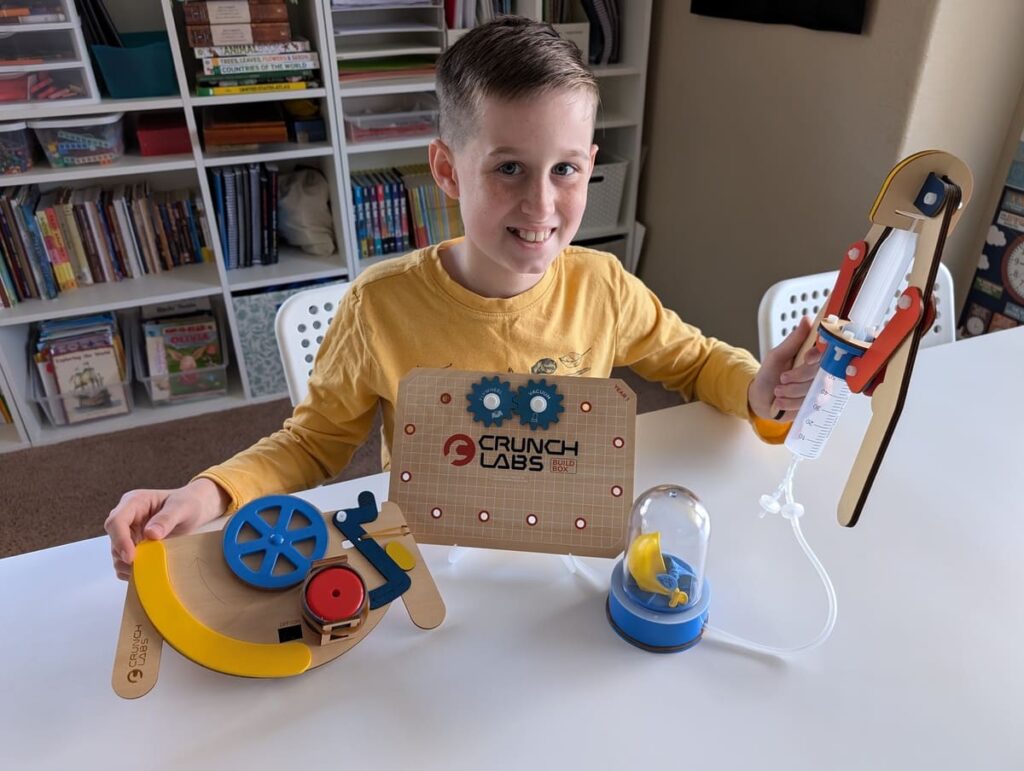
1. CrunchLabs: Best for Engineering and Invention
Founded by former NASA engineer and prominent YouTuber Mark Rober, CrunchLabs shifts the focus from passive building to active invention.
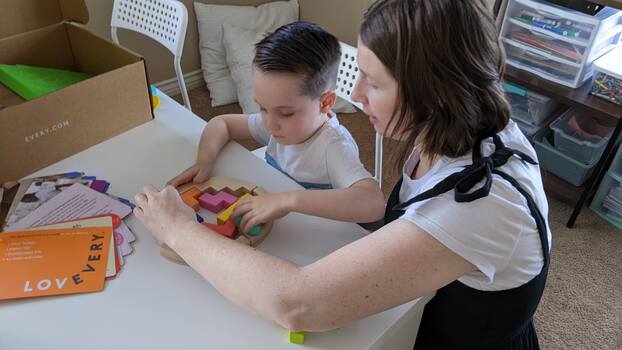
- What it is: Each month, children receive a box containing raw parts and instructions to construct a functional mechanical toy or working machine.
- The Educational Edge: Alongside the physical kit, children gain access to exclusive video content where Mark Rober explains underlying engineering concepts in an engaging, highly approachable manner.
- Comparison: Often compared to KiwiCo’s Tinker Crate or Eureka Crate, CrunchLabs places a heavier emphasis on open-ended invention challenges.
2. Lovevery: Best for Early Childhood (Ages 0–4)
For infants and toddlers, Lovevery stands out as the premier stage-based play subscription.
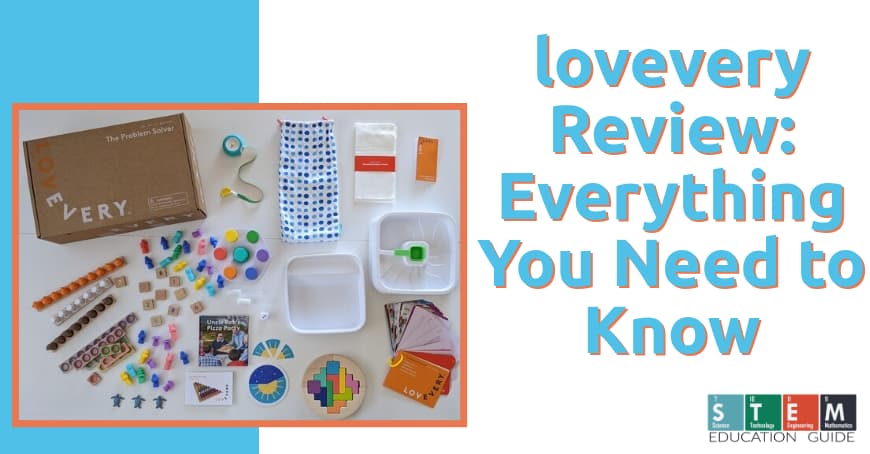
- What it is: Delivered every two months, Lovevery kits are meticulously researched and designed around a Montessori approach.
- The Educational Edge: Developed in consultation with a diverse panel of advisors—ranging from certified positive discipline trainers to human neuroscience professors—these playthings are custom-tailored to exact cognitive and motor skill milestones.
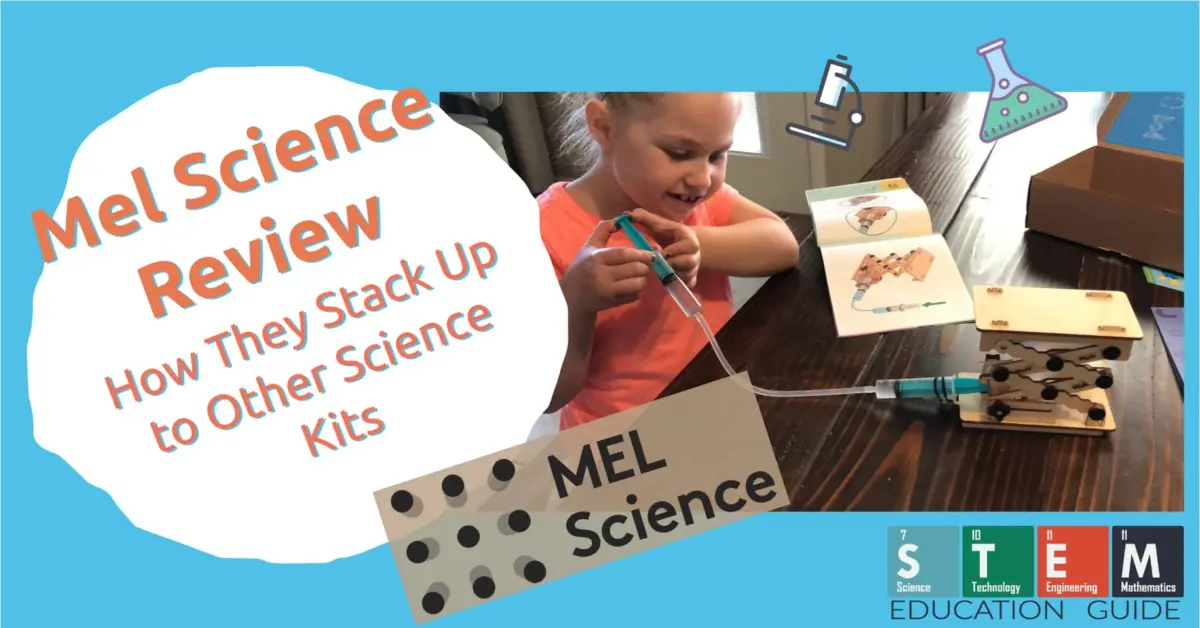
3. Mel Science: Best Direct Competitor for Deep Science
If your child has an insatiable appetite for traditional and advanced sciences, Mel Science is the closest one-to-one alternative to KiwiCo.
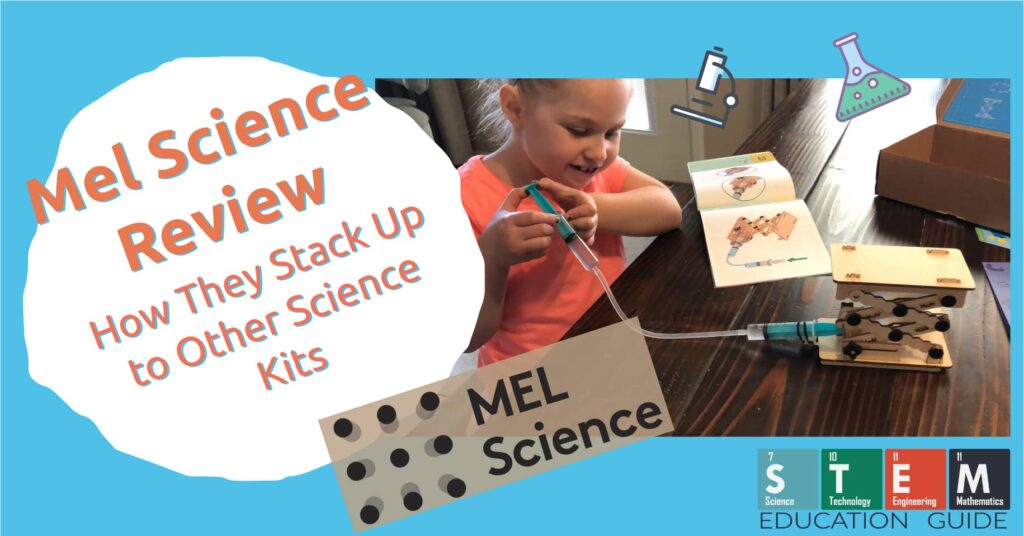
- What it is: Kits are organized by specific scientific disciplines, including physics, chemistry, coding, mathematics, and even medicine.
- The Educational Edge: Mel Science excels at making complex scientific principles wildly engaging and accessible to all children, regardless of their initial interest level, through high-quality physical experiments paired with digital interactive content.
4. Little Passports: Best for Geography and Global Culture
For families looking to combine science with cultural exploration, Little Passports offers an award-winning journey across the globe.
- What it is: Aimed at children ages 3 to 10, subscriptions allow kids to earn passport stamps while exploring new countries through themed science experiments, art projects, and stories.
- The Educational Edge: Over time, the platform has expanded its offerings to include dedicated STEM-focused lines like the Science Expedition box, Space box, and Animals Wild box.
5. Green Kid Crafts: Best for Eco-Friendly STEAM Learning
Founded by an environmental scientist and mother, Green Kid Crafts integrates artistic creativity directly into the scientific method—embracing the transition from STEM to STEAM.
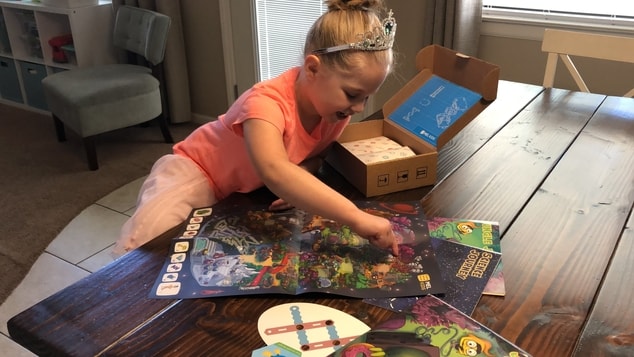
- What it is: Earth-friendly, themed boxes that encourage kids to explore the natural world around them.
- The Educational Edge: By blending scientific inquiry with artistic expression using sustainable materials, these kits foster environmental stewardship alongside critical thinking.
6. The Curiosity Box: Best for Teens (Ages 13+)
Finding engaging STEM resources for teenagers can be notoriously difficult. The Curiosity Box, created by the science education network Vsauce, solves this challenge.
- What it is: A seasonal subscription box delivered once every three months, filled with high-end scientific apparatuses and toys.
- The Educational Edge: Featuring items like plasma orbs, Newton’s cradles, and anamorphic kits, it provides older teens with intellectually stimulating items that respect their maturity level.
7. Womple Box: Best for Story-Driven Exploration
Womple Box merges geography, storytelling, and hands-on STEAM projects to feed a child’s natural urge to explore.
- What it is: Offering the Dinobox (ages 3–5) and the standard Womple Box (ages 6–11), children follow a character named Womple on global adventures.
- The Educational Edge: Kids learn about international food, traditions, and geography through tangible projects, transforming learning into an interactive narrative.
Official Guidelines: How to Choose the Right Subscription Box
With so many compelling options available, selecting the ideal subscription box requires balancing your child’s natural inclinations with your overarching educational goals.
- Assess Child Interests: Observe what naturally captures your child’s attention. Are they drawn to construction, electronics, chemistry, or art? Selecting a box aligned with their current passions ensures immediate engagement.
- Embrace Flexibility: If you are trying to guide your child toward a new subject (such as coding or chemistry), focus on the fun and exploratory aspects rather than strict adherence to step-by-step instructions. The problem-solving skills will develop organically as they play.
- Review Terms and Policies: Subscription flexibility varies. Always review cancellation and pausing policies before committing to ensure the service accommodates your family’s changing schedule and budget.
Future Outlook: The Next Generation of At-Home Education
As educational technology and direct-to-consumer logistics continue to advance, the future of STEM subscription boxes looks exceptionally bright. Industry analysts project several key trends shaping the coming years:
- Integration of Augmented Reality (AR): Physical building kits will increasingly sync with companion apps, allowing children to visualize molecular structures, engineering stress points, or planetary movements in 3D space directly above their physical creations.
- Personalized Learning Pathways: Future subscriptions will likely offer customizable module tracks, adapting the complexity and scientific focus of upcoming boxes dynamically based on user feedback and demonstrated mastery.
- Sustainable Manufacturing: With growing consumer demand for eco-conscious products, subscription providers will continue to phase out single-use plastics, pivoting entirely toward biodegradable materials, sustainably sourced wood, and zero-waste packaging.
Ultimately, whether you choose KiwiCo or one of its innovative alternatives, the true value of these subscription boxes lies in the shared experiences they create. The excitement of a package arriving at the doorstep transforms routine afternoons into collaborative adventures in learning, fostering memories and cognitive skills that will last a lifetime.

