As the crisp autumn air heralds the return of the academic calendar, millions of students step back into classrooms facing a complex web of cognitive demands. While society often measures academic success through the narrow lens of standardized test scores and completed assignments, a critical foundational layer dictates whether a student thrives or flounders: executive functioning.
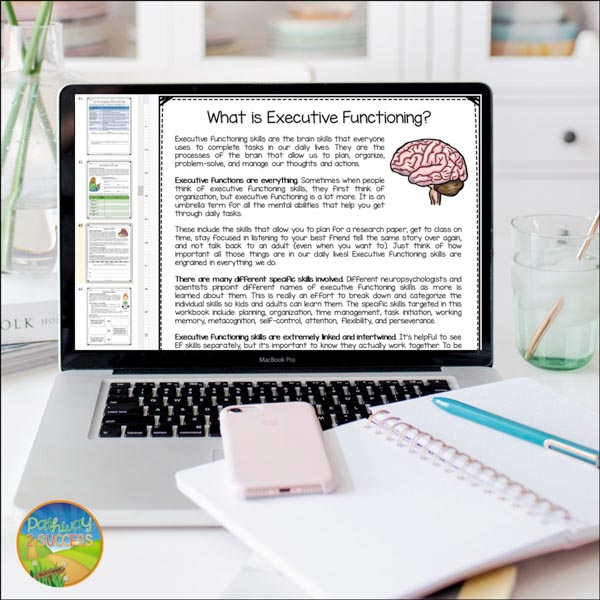
Encompassing a suite of mental processes that include working memory, flexible thinking, self-control, planning, and organization, executive functioning serves as the air traffic control system of the brain. When these skills are robustly developed, students navigate transitions, manage heavy workloads, and organize multi-step projects with relative ease. However, for learners struggling with executive dysfunction, the start of a new school year can quickly devolve into a landscape of lost papers, misplaced schedules, and overwhelming academic stress.
Recent educational insights emphasize that these vital cognitive skills are not innate traits that children either possess or lack; rather, they are malleable capacities that educators and parents can explicitly model, build, and strengthen. By embedding executive functioning strategies into the daily educational ecosystem from day one, schools can dramatically reshape the trajectory of the academic year. This comprehensive report explores the foundational importance of executive functioning, details chronological implementation steps for the classroom, contextualizes the broader impact on student well-being, and outlines a forward-looking vision for modern education.
Detailed Chronology: Phase-by-Phase Integration of Executive Skills
Successfully integrating executive functioning into the school environment requires a deliberate, chronological approach. Rather than treating these strategies as isolated interventions, educators are encouraged to weave cognitive supports into the daily rhythm of school life, moving from the initial morning bell to the final afternoon dismissal.
The dawn of the school day sets the neurological tone for everything that follows. When students walk into a chaotic, unstructured environment, their cognitive resources are immediately drained just trying to figure out what comes next. To conserve this precious mental energy, classrooms must adopt predictable, structured morning routines.
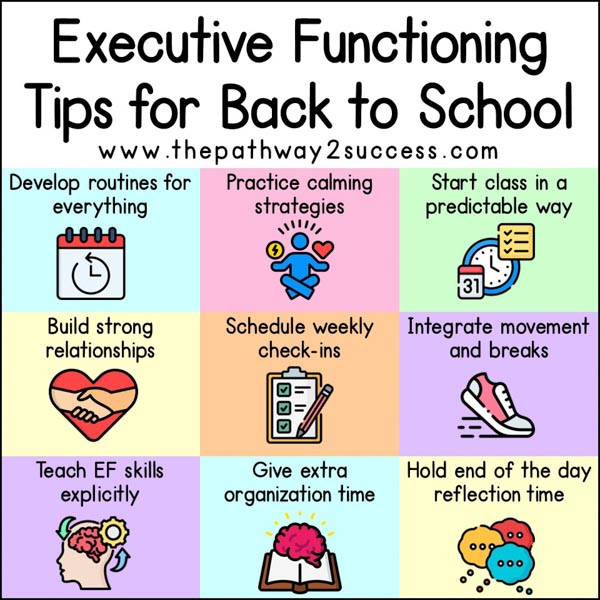
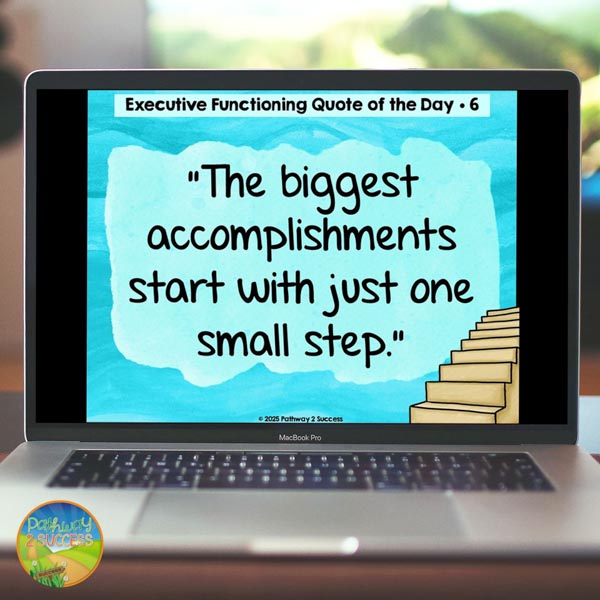
Arrival and Bell Ringers: Implement consistent opening activities such as motivational bell ringers, executive functioning quotes of the day, or word-of-the-day slides. These predictable tasks provide an immediate "jump start" for success, allowing students to transition smoothly from home life to academic focus without panic or guesswork.
Schedule Transparency: Display the daily schedule prominently. When students can visually review the roadmap for the day, anxiety levels drop, and self-regulation improves. If schedule changes are inevitable due to assemblies or special events, previewing these alterations early in the morning prevents cognitive friction.
Phase 2: Active Classroom Instruction and Skill Integration
Once the morning momentum is established, the core of the school day requires explicit instruction and seamless integration of cognitive strategies into traditional academic subjects like math, reading, science, and art.
Explicit Teaching of Cognitive Skills: Just as educators do not expect children to magically master long division or phonics without guidance, executive functioning skills—such as impulse control, sustained attention, and emotional perseverance—must be taught explicitly. Utilizing structured, year-long curricula provides students with a shared vocabulary and actionable frameworks for understanding how their brains work.
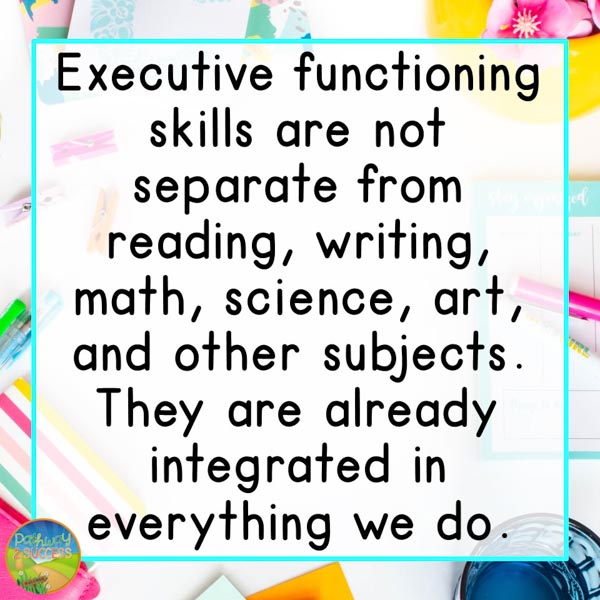
Embedding Strategy into Content: Executive functioning is not a separate subject; it is the vehicle through which all subjects are learned. Teachers can explicitly highlight these skills during regular lessons—for instance, breaking down the planning steps of a research paper, organizing data sets in math, or utilizing visual graphic organizers for reading comprehension.
Dynamic Movement Breaks: Cognitive stamina is deeply tied to physical well-being. Classrooms that integrate purposeful movement—such as station-to-station writing activities or interactive math games—help students regulate their nervous systems, renew focus, and avoid mental fatigue.
Phase 3: Mid-Day Reflection and Strategy Shares
As the academic day progresses, proactive check-ins and peer-to-peer learning opportunities ensure that students remain aligned with their goals.
Strategy Shares: Creating intentional spaces for students to explain, discuss, and demonstrate the unique tricks they used to solve a problem fosters a powerful community of practice. When a student hears a peer explain how they organized their backpack or managed their time during a difficult assignment, learning becomes collaborative and empowering.
Individualized Check-Ins: Weekly or bi-weekly check-ins allow educators to conference one-on-one with learners. These brief touchpoints serve as vital diagnostic interventions, offering students the chance to evaluate their progress, discuss which strategies are working, and adjust their goals in real-time.
Phase 4: End-of-Day Closure and Organization Time
The final stretch of the school day is critical for consolidating learning, processing experiences, and preparing for the morrow.
Structured Organization Time: Dedicating specific blocks of time for students to clean out binders, file returned work, and organize digital folders prevents the accumulation of academic clutter. When students practice these tidying habits collectively, organization transitions from a punitive chore to a shared standard.
Reflective Closures: Utilizing end-of-the-day reflection questions allows students to evaluate what worked well, what obstacles they encountered, and how they can adapt tomorrow. This routine builds metacognition—the ability to think about one’s own thinking—which is the ultimate goal of executive skill development.
Supporting Context & Metrics: The Science of Cognitive Regulation
To fully appreciate the necessity of executive functioning integration, one must examine the neurological and psychological realities facing modern students. Cognitive science demonstrates that the prefrontal cortex—the region of the brain responsible for executive control—continues developing well into young adulthood. Consequently, expecting children and teens to instinctively possess flawless time-management or emotional regulation skills is neurobiologically unrealistic.
The Cost of Dysregulation
When executive functioning breaks down, the consequences ripple across academic performance, mental health, and social dynamics. Studies consistently show that students struggling with working memory and cognitive flexibility experience higher rates of anxiety, classroom frustration, and academic disengagement. Furthermore, stress acts as a direct inhibitor of executive capacity; when a student’s nervous system is overwhelmed, the brain defaults to survival mechanisms (fight, flight, or freeze), effectively locking down the prefrontal cortex and shutting down higher-order problem-solving.
The Power of Calming and Coping Strategies
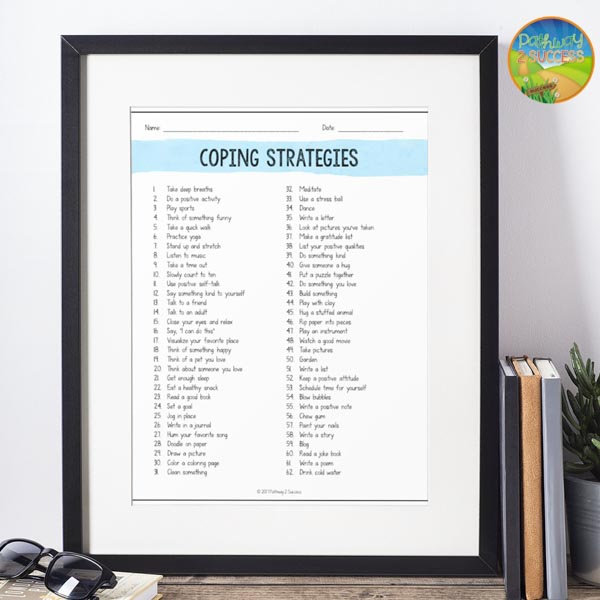
Recognizing that a calm mind and body are prerequisites for optimal learning, effective classrooms prioritize evidence-based calming strategies. Teaching students deep-breathing exercises, progressive muscle relaxation, or mindfulness breaks provides them with self-soothing tools they can deploy independently whenever they feel overwhelmed. Paired with healthy lifestyle foundations—such as adequate sleep, balanced nutrition, and regular physical activity—these emotional regulation tools dramatically expand a student’s cognitive bandwidth, fostering resilience in the face of academic and social challenges.
Official Statements and Pedagogical Insights
Leading voices in child psychology and education reform increasingly advocate for a shift toward trauma-informed, executive-function-centered classrooms.
Dr. Sarah Jenkins, a leading developmental psychologist specializing in adolescent cognitive growth, notes:
"We have spent decades penalizing students for executive functioning deficits—labeling them as lazy, unmotivated, or disorganized—when in reality, they simply lack the neuro-cognitive toolset required to manage modern academic loads. When schools pivot from punishment to explicit skill-building, we see profound transformations in student confidence, behavior, and academic output."
Similarly, veteran educators emphasize the systemic benefits of structured classroom design.
"Creating an organized physical and digital environment is not about aesthetic perfection; it is about cognitive scaffolding," shares Marcus Vance, an award-winning middle school principal and educational consultant. "When every supply has a designated home, and every routine is practiced until it becomes second nature, we remove unnecessary micro-decisions from a child’s day. That saved cognitive energy goes straight into learning, creating, and connecting with peers."
Future Outlook: The Evolution of Student Support Systems
Looking ahead, the educational landscape is experiencing a fundamental paradigm shift. As schools increasingly recognize that academic achievement is inextricably linked to social-emotional and cognitive well-being, executive functioning training is moving from the margins to the center of teacher preparation programs and curriculum design.
The Integration of Technology and Adaptive Learning
The future of executive skill development will likely see a blend of intentional classroom practices and smart digital scaffolds. From digital planning assistants that help students visualize timelines to adaptive software that teaches task-breakdown methods, technology can offer personalized support for diverse learners. However, digital tools must complement—not replace—human mentorship, peer collaboration, and explicit teacher guidance.
Cultivating a Culture of Grace and Growth
Ultimately, the most enduring takeaway for the future of education is the normalization of the learning process itself. Acquiring complex executive skills is a messy, non-linear journey characterized by small victories and inevitable setbacks. By fostering patient, resilient classroom cultures where educators and students alike celebrate daily progress, embrace mistakes as learning opportunities, and start fresh every morning, schools can cultivate a generation of adaptable, self-empowered learners ready to navigate an ever-changing world.