In an era defined by relentless digital notifications, hyper-stimulating media environments, and unprecedented multi-device usage, the modern landscape for children and adolescents is a minefield of distraction. Attention is not merely a preference or a personality trait; it is a foundational cognitive skill—the bedrock upon which academic success, emotional regulation, and lifelong problem-solving are built. Without robust attentional control, young minds struggle to process new information, retain complex concepts, or persevere through challenging cognitive hurdles.
Fortunately, growing neuroscience and educational research reveals a reassuring truth: attention is a malleable muscle. Children and teenagers can systematically learn, practice, and master evidence-based strategies to sharpen their focus, tune out distractions, and successfully work toward their unique goals.
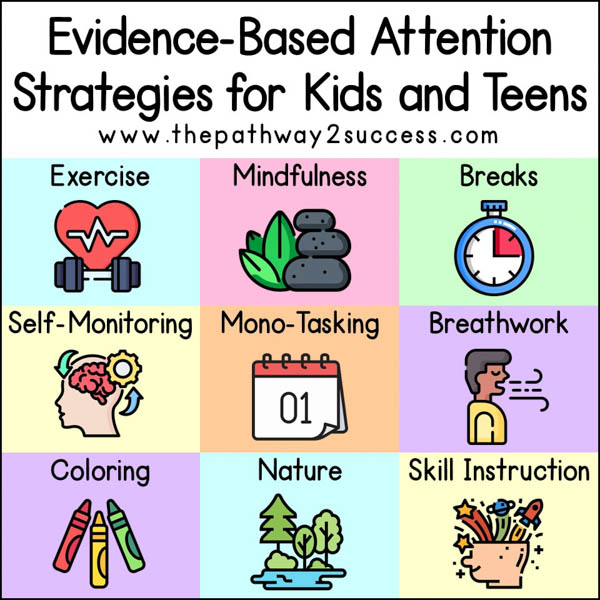
This comprehensive report examines scientifically validated methodologies designed to enhance cognitive performance in youth. By analyzing peer-reviewed meta-analyses, psychological studies, and educational frameworks, we explore twelve distinct, evidence-backed approaches—ranging from physical exercise and mindfulness to sleep hygiene and direct skill instruction—offering a definitive blueprint for educators, parents, and clinicians alike.
Detailed Chronology & Scientific Foundation
The scientific study of cognitive control and sustained attention in youth has evolved significantly over the past three decades. Moving away from purely behavioral management models, contemporary psychology and education rely on "evidence-based strategies"—interventions rigorously tested and validated through robust scientific research.
To understand the evolution of these practices, one must look at how researchers evaluate them:
The Power of Meta-Analyses: The gold standard of scientific validation is the meta-analysis, a comprehensive report that aggregates and synthesizes data across dozens or hundreds of individual studies to identify overarching trends and effect sizes.
The Shift toward Executive Functioning (1990s–2000s): Early research focused primarily on behavioral compliance in classrooms. By the turn of the century, neuroimaging allowed scientists to map executive functioning in the prefrontal cortex, proving that attention could be directly strengthened through targeted interventions like self-monitoring and direct skill instruction.
The Contemporary Holistic Framework (2010s–Present): Modern research recognizes that attention cannot be isolated from physiological health. Recent meta-analyses emphasize the profound impact of lifestyle factors—such as physical activity, nature exposure, yoga, and restorative sleep—on neurological pathways responsible for focus and cognitive flexibility.
Supporting Context & Metrics: The 12 Pillars of Evidence-Based Attention
To effectively cultivate focus in kids and teens, stakeholders must integrate strategies rooted in scientific literature. Below is an exhaustive breakdown of the twelve key areas proven to enhance attention span and executive functioning.
1. Exercise
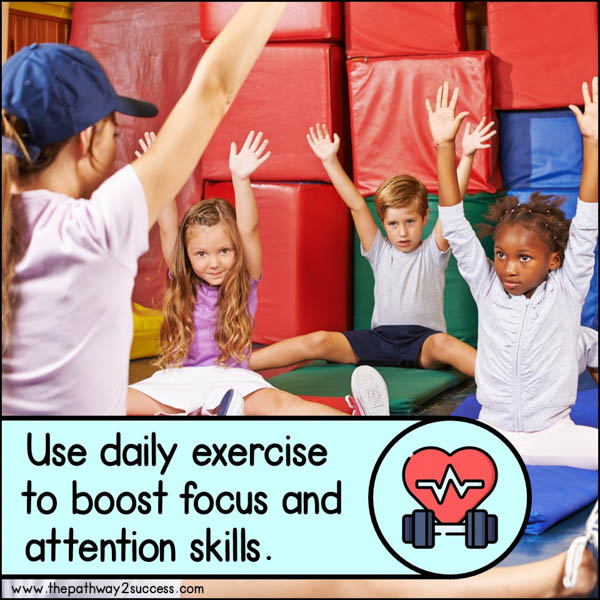
Physical movement is one of the most potent catalysts for cognitive enhancement. A landmark meta-analysis conducted by de Greeff et al. (2018) demonstrated that regular physical activity exerts a profoundly positive effect on overall attention and academic performance, with the most robust benefits appearing after weeks of sustained routines. Furthermore, the Committee on Physical Activity and Physical Education in the School Environment (2013) highlighted that embedding movement directly into classroom lessons significantly increases time-on-task metrics.
Application: Integrating aerobic games, active transition times, and kinesthetic learning modules into daily schedules.
2. Mindfulness and Meditation
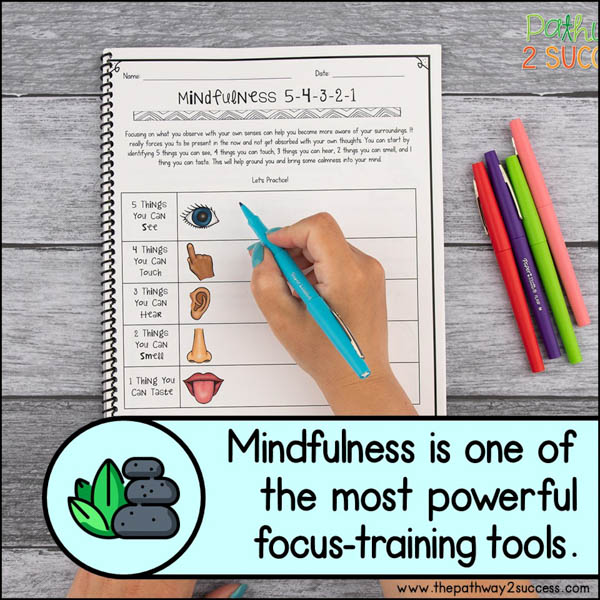
Mindfulness—the practice of anchoring awareness in the present moment—has transitioned from ancient tradition to clinical necessity. While techniques range from mindful breathing to sensory observation, substantial research documents its capacity to reduce emotional reactivity and improve behavioral regulation (Keng et al., 2013). Crucially, a meta-analysis by Verhaeghen (2021) revealed that mindfulness training yields significant, measurable gains in focused and sustained attention.
Application: Daily 5-minute breathing anchors, guided body scans, and sensory-based grounding exercises in school and home settings.
3. Strategic Breaks
The human brain is not built for endless, uninterrupted cognitive output. Breaks provide crucial windows for neural regrouping. Research investigating active breaks (physical movement) and passive breaks (listening to a story) confirms that both formats yield significant post-break improvements in attention (Janssen et al., 2014). Regular cognitive pauses directly correlate with enhanced on-task behavior and academic achievement (Committee on Physical Activity and Physical Education in the School Environment, 2013).
Application: Utilizing the Pomodoro technique or structured brain-break intervals during long study sessions.
4. Self-Monitoring
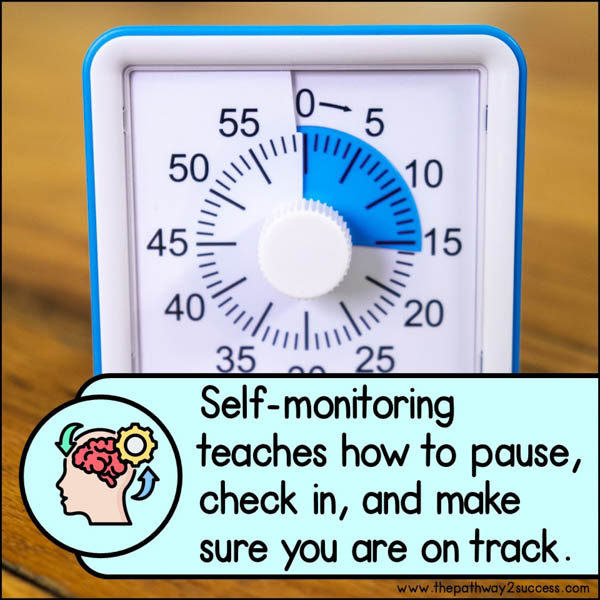
Self-monitoring teaches learners to pause, evaluate, and adjust their own behaviors in real-time. When a student intermittently checks their attention level, recognizes they have drifted off-task, and deploys corrective strategies, they exercise active metacognition. A comprehensive meta-analysis by Reid et al. (2005) confirmed that self-monitoring is exceptionally effective for students experiencing attention difficulties.
Application: Utilizing self-check rubrics, silent timer cues, and reflection logs during independent work.
5. Breathing Techniques
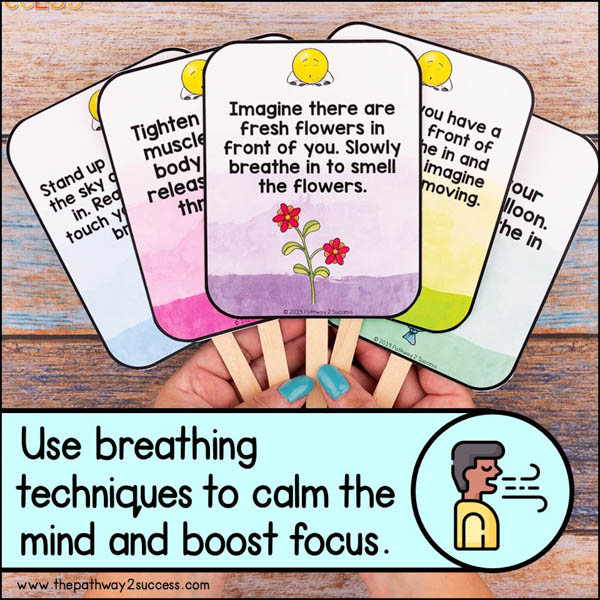
Deliberate diaphragmatic breathing directly impacts the autonomic nervous system. Scientific literature demonstrates that purposeful breathwork improves sustained attention, diminishes negative affect, and lowers cortisol levels (Ma et al., 2017). By regulating deep breaths, children can soothe the amygdala—the brain’s emotional processing center—thereby clearing cognitive bandwidth for focused thought.
Application: "Box breathing" exercises, wave breathing visualizations, and paced exhalations prior to high-stakes testing.
6. Mono-Tasking
The modern myth of multitasking has severely compromised youth attention spans. Research indicates that what humans call "multitasking" is actually rapid task-switching (Gopher et al., 2000). This constant pivoting diminishes overall productivity, increases error rates, and accelerates mental fatigue. Mono-tasking—the deliberate act of dedicating 100% of cognitive resources to a single objective—serves as the direct antidote.
Application: Eliminating tab-switching on digital devices, clearing desks of extraneous materials, and committing to single-objective sprints.
7. Time in Nature (Attention Restoration Theory)
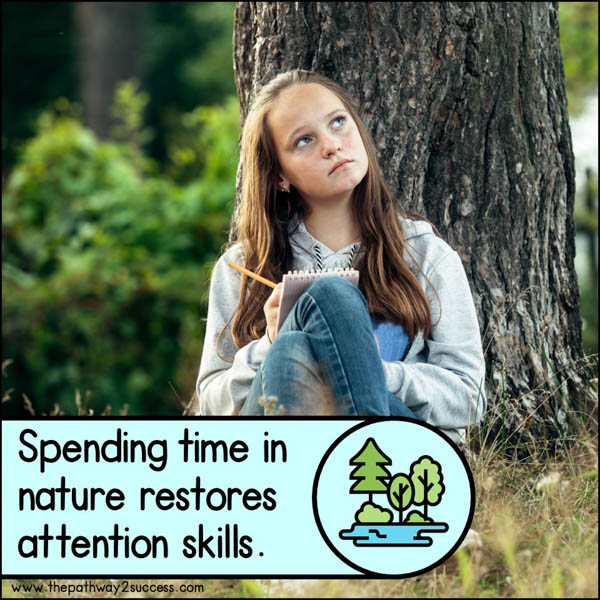
Rooted in Attention Restoration Theory, considerable evidence shows that natural environments repair depleted cognitive resources. A meta-analysis by Stevenson et al. (2018) established that working memory, cognitive flexibility, and attentional control all improve significantly following exposure to natural settings. Remarkably, even passive views of nature through windows or imagery provide restorative benefits (Berman et al., 2008).
Application: Outdoor learning sessions, nature-walk breaks, or placing biophilic elements and plants inside classrooms.
8. Direct Skill Instruction
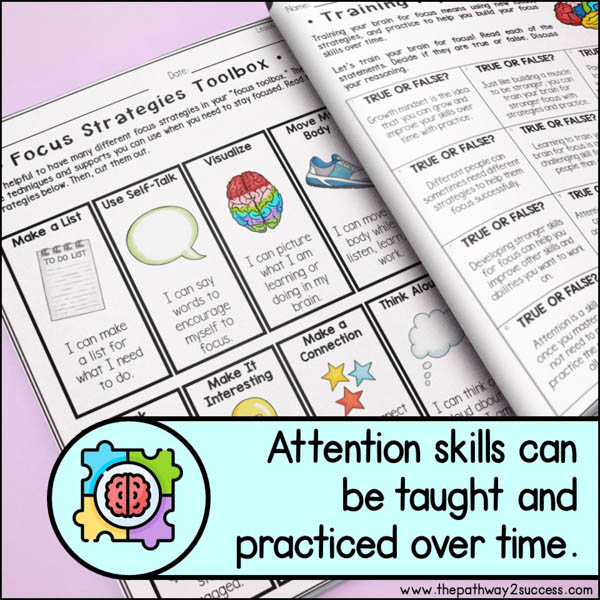
Attention is a skill that must be explicitly taught rather than implicitly expected. Synthesizing educational research, Hattie (2018) highlighted direct instruction as a premier evidence-based method for skill acquisition. When educators explicitly teach executive functioning strategies—such as task initiation, organization, and study systems—students build an internal toolbox for lifelong academic independence (Meltzer et al., 2007).
Application: Dedicated mini-lessons on how to organize backpacks, break down large projects, and utilize graphic organizers.
9. Coloring
Far from being a mere pastime, structured coloring engages selective attention while inducing calm. Experimental research by Holt et al. (2019) revealed that college students who engaged in coloring experienced reduced anxiety and heightened selective attention. Furthermore, Suryagayathri (2024) found that coloring significantly improved students’ abilities to concentrate amidst noisy environments and successfully manage distractions.
Application: Utilizing adult or youth coloring pages featuring positive self-talk affirmations as transitional focus-building activities.
10. Yoga
Combining physical postures with mental focus, yoga offers a holistic approach to cognitive regulation. A systematic review of 18 dedicated studies indicated that yoga practice yields profound improvements in children’s attention skills, alongside enhanced memory, decreased anxiety, and lowered stress levels (Yadav et al., 2022).
Application: Incorporating morning yoga stretches, balance poses, or mindful movement routines into daily schedules.
11. Brainteasers and Puzzles
Cognitive puzzles provide a low-stakes, high-engagement method for exercising the brain’s executive networks. Research by Winarsunu and Fasikkhah (2022) showed that children engaging in group puzzle-solving demonstrated superior self-regulation and attention skills. Similarly, Altun et al. (2016) found that integrating a brainteaser curriculum three times a week significantly expanded students’ attention spans compared to control groups.
Application: Morning logic puzzles, Rubik’s cubes, word searches, and collaborative problem-solving games.
12. Sleep Hygiene
Though rarely executed within classroom walls, sleep is the ultimate biological foundation of attention. In his seminal work Why We Sleep, Dr. Matthew Walker (2017) details how high-quality sleep allows the brain to perform vital nightly housekeeping, consolidating memories and resetting neural pathways. Sleep deprivation directly curtails attention span, impairs working memory, and drastically slows reaction times.
Application: Establishing consistent sleep schedules, enforcing digital curfews one hour before bed, and creating cool, dark sleeping environments.
Official Statements & Expert Perspectives
Educational psychologists and neuroscientists emphasize that addressing attention deficits requires a paradigm shift away from punitive discipline and toward supportive skill-building.
"We cannot punish a child into better focus; we must teach them how their brain works and give them the physiological and cognitive tools to self-regulate," notes a leading developmental pediatrician specializing in executive functioning. "When we integrate movement, mindfulness, and direct instruction, we are wiring the brain for sustainable success."
Furthermore, educational researchers stress that no single strategy is a silver bullet. Because every child’s neurodevelopmental profile is unique, adults must act as facilitators—introducing a diverse array of evidence-based interventions and allowing youth to discover which techniques resonate best with their personal rhythms.
Future Outlook
As educational institutions and family dynamics continue to grapple with hyper-connectivity and technological integration, the imperative for evidence-based attention strategies will only intensify. Future directions in cognitive research point toward personalized, biometric-informed interventions that track real-time cognitive fatigue and automatically suggest micro-breaks or breathing exercises.
However, the core tenets remain timeless. By championing a balanced lifestyle that honors physical health, emotional regulation through mindfulness, dedicated rest, and explicit skill instruction, we can inoculate the next generation against the epidemic of distraction. Empowering kids and teens to "focus on their focus" is not merely an academic accommodation—it is an essential investment in their lifelong cognitive resilience and personal well-being.