
Special Report | Sponsored in partnership with Florastor
Executive Overview
As the golden haze of summer gives way to crisp autumn mornings, households across the country brace for an annual phenomenon that is as predictable as it is exhausting: the back-to-school "germ wave." Long before the first autumn leaves hit the pavement, classrooms morph into high-density incubators. Children, notoriously nonchalant regarding hygiene, convene in confined, climate-controlled spaces, effectively sharing every viral and bacterial pathogen circulating within the community.
By mid-October, the toll becomes vividly apparent. Pediatric waiting rooms swell, elementary school classrooms witness half their attendance sidelined by identical coughs, and parents scramble to exhaust their remaining pool of professional sick days. The traditional narrative surrounding this seasonal onslaught often leans toward inevitable defeat—the widespread societal acceptance that catching every bug going around is simply a mandatory rite of passage for school-age children.
However, contemporary pediatric health research suggests a more proactive paradigm. While it is fundamentally impossible to construct an impenetrable, germ-proof force field around a developing child, parents are far from defenseless. Strategic lifestyle interventions—grounded in sleep hygiene, nutritional science, intentional gut microbiome support, and rigorous hygienic practices—can dramatically fortify a child’s physiological defenses. By systematically weaving these habits into the chaotic fabric of the autumn routine, families can provide their children with the biological resilience needed to weather the playground’s microscopic storms.
This comprehensive report examines the structural causes of the autumn illness surge, analyzes the foundational science of pediatric immune defense, and outlines actionable, expert-backed strategies to protect the health of the entire household.
Detailed Chronology: The Lifecycle of the Autumn Health Transition
To effectively combat seasonal illnesses, parents must understand the timeline of how summer habits collide with the rigid demands of the academic calendar. The transition from unstructured months to structured learning environments is not merely a logistical shift; it is a profound biological stressor.
Phase 1: The Late-Summer Slump (Late July to Mid-August)
During the long days of summer, biological rhythms naturally drift. Bedtimes stretch later, dietary structures loosen, and children experience high levels of physical activity in outdoor environments with low viral cross-contamination rates. While this period is ideal for mental relaxation, it inadvertently deconditions a child’s internal clock and immune vigilance. Sleep architectures become erratic, setting the stage for systemic fatigue once early-morning alarms are reintroduced.
Phase 2: The Shock of Re-Entry (Late August to Labor Day)
The sudden compression of schedules acts as an acute physiological stressor. Cortisol levels rise as children navigate new classrooms, academic pressures, and social anxieties. Pediatricians note that psychological stress in children frequently manifests somatically—presenting as unexplained stomachaches, irritability, and disrupted digestion. Simultaneously, immune systems are abruptly introduced to novel pathogen strains carried by peers from diverse social circles.
Phase 3: The Critical Threshold (September to October)
Within four to six weeks of the academic year commencing, community viral loads peak. Rhinovirus, enteroviruses, and early influenza strains circulate rapidly through shared supplies, door handles, and air systems. It is during this window that unfortified immune systems succumb. Children lacking adequate sleep, balanced nutrition, and robust gut health experience prolonged recovery times, frequently turning a mild cold into a multi-week ordeal that cascades through parents, siblings, and extended family networks.
Supporting Context & Metrics: The Science Behind the Defenses
Building an effective pediatric wellness strategy requires looking beyond superficial fixes and addressing the foundational pillars of human biology: sleep architecture, microbiome balance, and targeted hygiene.
1. Protecting Sleep Like It Is Your Job
Sleep deprivation is perhaps the most underestimated vulnerability in modern pediatric health. Extensive clinical data confirms that individuals experiencing chronic sleep deficits—whether adults or children—contract illnesses at significantly higher rates and require extended recovery windows compared to well-rested peers.
- The Biological Cost: During deep sleep, the immune system releases proteins called cytokines, which target infection and inflammation while creating an effective response to stress. Sleep deprivation drastically reduces the production of these protective cytokines and infection-fighting antibodies.
- The Age-Based Requirements:
- School-age children (ages 6–13) require 9 to 12 hours of uninterrupted sleep per night.
- Teenagers (ages 14–17) require 8 to 10 hours per night.
- The Remediation Timeline: Attempting to shift a child’s bedtime backward by three hours the night before the first day of school is a guaranteed exercise in frustration. Experts advise systematically easing bedtimes back by 15 minutes every few days, starting a full two weeks before the academic term begins.
2. Balancing the Gut: The Epicenter of Immune Defense
It is a well-established immunological fact that a staggering majority of the human immune system—estimates range up to 70%—resides within the gastrointestinal tract. The gut is not merely a digestive engine; it is a complex ecosystem where trillions of microbes interact directly with immune cells to distinguish between harmless nutrients and dangerous pathogens.
Maintaining a balanced microbiome requires a deliberate nutritional strategy:
- Fiber and Color: A diverse diet rich in soluble and insoluble fiber serves as prebiotics, feeding the beneficial bacteria that maintain gut lining integrity. Incorporating a vibrant array of colorful fruits and vegetables ensures a broad spectrum of micronutrients.
- Fermented Foods: Introducing yogurt, kefir, and naturally fermented vegetables helps populate the gut with diverse strains of beneficial flora, stabilizing digestion amidst the nervous jitters of a new school year.
The Probiotic Advantage: Navigating Antibiotics and Immune Support
When children experience routine illnesses or bacterial infections, pediatricians frequently prescribe antibiotics. While lifesaving, these medications possess a critical drawback: they are indiscriminate destroyers, wiping out harmful bacteria alongside the beneficial gut flora required for immune regulation.
Many conventional probiotics on the market are bacterial. Consequently, when administered concurrently with antibacterial antibiotics, the therapeutic probiotic bacteria are often neutralized directly by the medication.
To bridge this gap, specialized formulations such as Florastor Kids Dual Action Probiotic utilize a unique probiotic yeast (Saccharomyces boulardii CNCM I-745™) rather than bacteria. Because it is a yeast, antibacterial antibiotics do not target or destroy it. This allows the probiotic to continue working uninterrupted throughout an antibiotic course and during the critical post-antibiotic recovery window—precisely when the immune system requires the most reinforcement.
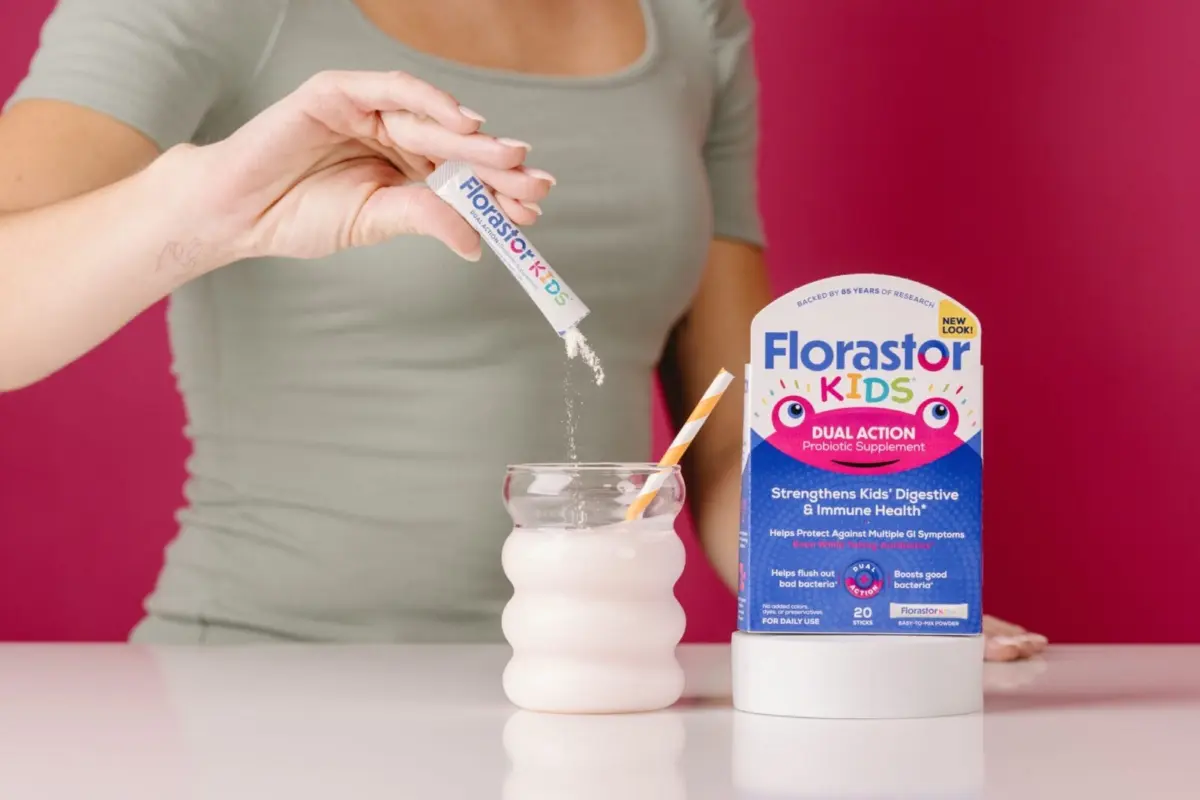
Furthermore, formulation matters immensely when dealing with resistant children. The powder formulation of Florastor Kids eliminates the battle over chalky, swallowable tablets. It blends seamlessly into soft foods or beverages—such as morning oatmeal, applesauce, or a glass of milk—without altering texture or taste. Designed for children as young as two months and requiring no refrigeration, it integrates effortlessly into the hectic morning routine. (As with any dietary supplement, parents should consult their pediatrician before introducing new products to a child’s regimen.)
Parents must also remember that adult microbiomes are equally vulnerable to seasonal stress. The Florastor Dual Action Probiotic offers grown-ups a reliable, convenient method to support their own digestive and immune health, utilizing the same clinical-strength Saccharomyces boulardii strain to help households stay resilient as cold weather approaches.
3. Making Handwashing Actually Count
Handwashing is universally recommended, yet rarely executed with sufficient efficacy. A casual, five-second rinse under cold water accomplishes virtually nothing beyond dampening skin; it leaves lipid membranes and pathogens firmly intact.
- The 20-Second Rule: Effective mechanical removal of germs requires a minimum of 20 seconds of vigorous scrubbing with soap and warm water—roughly the duration of singing the alphabet song at a moderate tempo.
- The Strategic Intervention: Parents should practice proper handwashing techniques alongside younger children to transform the process from a chore into a subconscious habit. Additionally, providing a pocket-sized hand sanitizer for a child’s backpack ensures coverage during critical gaps—such as the transition from the classroom to the cafeteria, where germ-swapping peaks.
4. Honoring the Boring Basics
In an era dominated by complex health trends, foundational wellness remains remarkably mundane:
- Hydration: Always pack a reusable water bottle, even if it frequently returns home half-full. Cellular hydration is critical for optimal mucosal membrane function, which acts as the body’s first physical trap for airborne pathogens.
- Nutritional Consistency: Keep meal structures as predictable as possible, mitigating the blood-sugar spikes and crashes that accompany chaotic morning schedules.
- Grace and Decompression: Acknowledge the immense psychological weight of the transition from unstructured leisure to high-demand environments. Recognizing stress before it manifests as physical illness is a vital parental duty.
Official Statements and Expert Perspectives
Pediatric immunologists and family health practitioners continually emphasize that the goal of a back-to-school wellness routine is not to achieve sterile perfection, but rather to optimize baseline physiological function.
"We must reframe how we talk about childhood illness during the autumn transition," notes Dr. Elena Vance, a prominent pediatric integrative medicine specialist. "Parents often feel immense guilt when their child falls ill within the first month of school, viewing it as a failure of hygiene or parenting. In reality, immune systems are built through managed exposure backed by solid physiological fundamentals. When a child is well-rested, properly hydrated, and supported by a diverse gut microbiome, their immune system can process these exposures efficiently without spiraling into severe, prolonged illness."
Discussing the mechanics of microbiome support during antibiotic therapies, gastroenterology researchers highlight the unique properties of probiotic yeasts:
"The clinical utility of Saccharomyces boulardii lies in its structural resilience," states clinical pharmacologist Dr. Marcus Thorne. "Because it is a non-bacterial organism, it operates orthogonally to conventional antibacterial treatments. This allows clinicians and parents to support intestinal microbial balance simultaneously with necessary pharmaceutical interventions, protecting the gut-immune axis when it is most vulnerable."
Future Outlook: Building Long-Term Resilience
As educational environments continue to evolve and seasonal viral landscapes grow increasingly complex, proactive health management is shifting from a reactive measure to a foundational lifestyle framework.
The future of pediatric wellness lies in integrated prevention—recognizing that sleep architecture, nutritional density, microbial balance, and mental well-being do not operate in silos. They form an interconnected biological matrix. By establishing these structured habits early in childhood, parents are not merely surviving the immediate autumn germ wave; they are equipping their children with metabolic and immunological resilience that will serve them well into adulthood.
While the inevitability of a stray playground virus remains a certainty of childhood, a routine rooted in science, targeted supplementation, and mindful daily habits ensures that the common cold remains just that: common, brief, and manageable.
Special Reader Offer: Motherly readers can secure 20% off Florastor products using the exclusive promo code MOTHERLY20, valid from August 30 through October 31. Empower your family’s wellness journey this season with science-backed immune and digestive support.

