
Executive Overview
In an era characterized by a vast multiplicity of theological viewpoints and digital-age spiritual exploration, the boundaries separating orthodox Christian teaching from historical heresy have faced renewed scrutiny. The Read, Do, & Tell Podcast, hosted by educators and ministry leaders Becky and Amy, dedicated Episode 26 of its ongoing series to tackling one of the most serious divisions in Christian theology: heresies against God.
Far from being an academic exercise confined to dusty seminary archives, the conversation highlights how distortions of the divine nature—particularly concerning the Trinity and the character of God—continue to influence contemporary pulpits and digital platforms. Defined fundamentally as teachings that intentionally distort or contradict God or the pure gospel as revealed in Scripture, heresy remains a critical theological concern.
This article explores the core themes of Episode 26, examining why the early church fathers fought fiercely against deviant doctrines, how ancient heresies mirror modern theological errors, and the practical resources available to believers seeking to anchor their faith in historic orthodoxy.
Detailed Chronology: From Ancient Councils to Modern Pulpits
To understand the weight of modern theological deviations, one must retrace the historical battlegrounds where the church first defined its orthodox boundaries. During the opening segments of Episode 26, Becky and Amy walk listeners through the foundational developments of early church history, demonstrating that false teachings regarding the nature of God are far from novel phenomena.
The Historical Roots of Theological Contention
In preceding episodes (specifically Episodes 23 and 24), the podcast laid a systematic groundwork distinguishing between secondary matters of Christian liberty—where believers may hold differing perspectives—and primary matters concerning the essential nature and character of God. When a teaching fundamentally alters who God is, it crosses the line from a secondary disagreement into the realm of heresy.
To illustrate how the early church confronted these challenges, the hosts examined four key early church councils and creeds. For centuries, bishops and theologians gathered to codify biblical truth against systematic misinterpretations:
- The Council of Nicaea (325 AD): Convened to address Arianism, which argued that Jesus Christ was a created being rather than co-eternal and co-substantial with the Father.
- The Council of Constantinople (381 AD): Expanded upon the Nicene Creed to firmly establish the full divinity and personhood of the Holy Spirit, completing the foundational formulation of the Trinity.
- The Council of Ephesus (431 AD) and Chalcedon (451 AD): Addressed Christological heresies regarding how the divine and human natures coexisted within the single person of Jesus Christ.
These councils were not born out of a desire for institutional control, but out of an urgent pastoral necessity: to protect the flock from distortions that stripped the gospel of its power to save.
The Evolution into Modern-Day Heresies
A central premise of Episode 26 is that ancient heresies rarely vanish entirely; instead, they undergo a cosmetic rebranding to suit contemporary cultural preferences. Modern theological drift frequently targets the doctrine of the Trinity and the immutable attributes of God.
While historical errors like Modalism (the belief that God is one person who merely shifts roles as Father, Son, and Holy Spirit) or Arianism were formally refuted centuries ago, their modern equivalents frequently resurface in popular Christian culture, self-help theology, and progressive Christian commentary. By emphasizing a God who is exclusively affirming at the expense of His holiness, or by reducing Jesus to a mere moral teacher rather than the divine Savior, modern movements inadvertently repeat ancient errors.
The podcast serves as a timely reminder that Christians must remain vigilant. Studying church history is not an optional elective for the intellectually curious, but an essential armor for every believer navigating a culture saturated with syncretistic and revisionist spirituality.
Supporting Context & Metrics: Equipping the Church Against Theological Drift
The release of Episode 26 aligns with a broader educational initiative by the creators of Raising Rooted Disciples. Recognizing that theological literacy requires more than passive listening, the ministry has developed an array of comprehensive study tools designed to fortify believers and families against doctrinal error.
The Anatomy of the Trinity
One of the most complex yet essential doctrines of the Christian faith is the Trinity—one God existing eternally in three distinct persons: Father, Son, and Holy Spirit. Misunderstandings of this doctrine often lead straight into heresy.
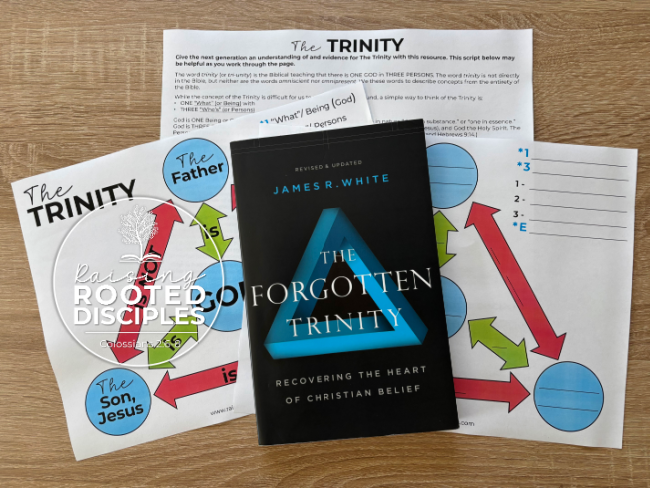
To combat confusion, the ministry has made available the Trinity Diagram & Teaching Pack. This resource offers a clear, visually structured breakdown of orthodox Trinitarian theology, contrasting biblical truth with common misconceptions (such as partialism, modalism, and tritheism). Subscribers to the Raising Rooted Disciples community receive free access to these pedagogical materials, ensuring that complex theological concepts are accessible to learners of all ages.
The Podcast+ Membership Ecosystem
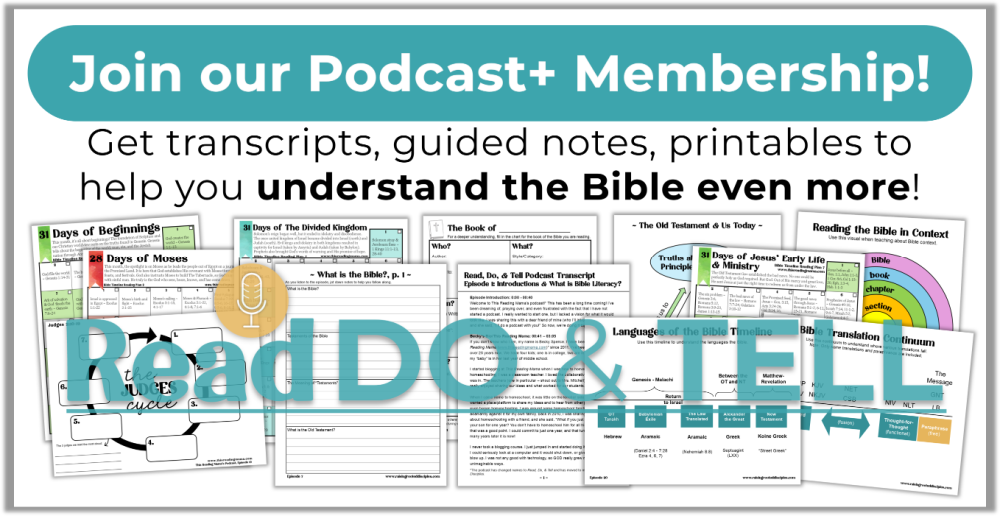
To sustain and expand this theological education effort, the ministry operates a tiered support model via its Podcast+ Membership platform. Members gain access to robust auxiliary materials that transform a standard listening experience into an active, disciplined study of Scripture:
- Comprehensive Transcripts: Allowing for deep-dive reading and textual verification of every podcast episode.
- Guided Notes & Study Tools: Structured templates that encourage critical thinking and personal application.
- Exclusive Bible Reading Plans: Curated reading schedules designed to align with ongoing podcast themes.
- Specialized Printables: Visual aids that reinforce biblical literacy within families, homeschool groups, and small-group Bible studies.
By integrating these resources, the creators bridge the gap between rigorous academic theology and practical, grassroots discipleship.
Official Statements & Ministry Philosophy
The heartbeat of the Read, Do, & Tell Podcast is anchored in a deeply intentional approach to Scripture. Reflecting on the ongoing series, co-host Becky emphasizes the seriousness with which believers must approach the Word of God:
"We need to remember that heresy is a SERIOUS matter to the church AND to God! Heretical teaching is teaching that intentionally distorts or contradicts God or the pure gospel as revealed in Scripture. Those who teach heresies are ‘heretics.’"
This authoritative stance is balanced by a passionate call to action rooted in biblical precedent. Drawing inspiration from the biblical scribe Ezra—who set his heart to study the law of the Lord, to practice it, and to teach its statutes and ordinances—the ministry operates under a clear operational triad:
- Read: Immersing oneself deeply and accurately in the historical, contextual text of Scripture without twisting it to fit modern sensibilities.
- Do: Living out the mandates of orthodox faith in daily life, character, and community interaction.
- Tell: Unapologetically communicating the uncompromised gospel to a watching world, standing firmly against doctrinal distortion.
Through video platforms like YouTube and dedicated audio streaming feeds, the ministry continues to broadcast these vital truths, ensuring that rigorous theological discussions remain accessible to modern audiences without watering down the historical weight of the message.
Future Outlook: Navigating the Theological Landscape Ahead
As the church looks toward the future, the challenges posed by theological relativism and digital-age misinformation show no signs of abating. The ease with which unverified teachings can be broadcast globally means that modern believers must be more discerning than ever before.
The ongoing conversation on the Read, Do, & Tell Podcast regarding heresies serves as a vital corrective. By looking backward to the courage of the early church fathers and forward to the educational needs of the next generation, ministry leaders are helping to cultivate a resilient, biblically literate church.
Key Takeaways for the Modern Believer
- Prioritize Doctrinal Clarity: Understand that God’s character and the nature of the Trinity are non-negotiable pillars of the Christian faith.
- Engage with Church History: Recognize that today’s theological debates have historical precedents; studying past councils protects the modern church from repeating historical mistakes.
- Utilize Educational Resources: Leverage structured study guides, such as the Trinity Diagram and Podcast+ membership tools, to deepen personal and familial understanding of Scripture.
Ultimately, the defense of orthodox truth is not merely about winning theological debates—it is about preserving the beauty, holiness, and saving power of the true gospel. As Becky, Amy, and the broader Raising Rooted Disciples community demonstrate, standing firm in the Word of the Lord remains the church’s highest calling and safest anchor in an ever-shifting cultural landscape.

