
Executive Overview
In the high-stakes, time-constrained environment of the modern classroom, educators are locked in a perpetual race against the clock. Every lesson plan is a delicate calculus of minute allocation, balancing foundational review, core instruction, and practical application. Yet, a significant portion of this precious instructional time is routinely consumed by a familiar ritual: the first ten to fifteen minutes spent reviewing material that students were ostensibly supposed to have absorbed independently the night before.
When these review sessions stretch, the domino effect is immediate and detrimental. Interactive discussions are rushed, hands-on activities are truncated or abandoned entirely, and complex, higher-order cognitive concepts are squeezed into the final, fading moments of a period.
Enter the concept of the classroom micro-experiment—a deliberate, low-risk, short-term pedagogical intervention designed to test targeted instructional shifts without the friction of a total curriculum overhaul.
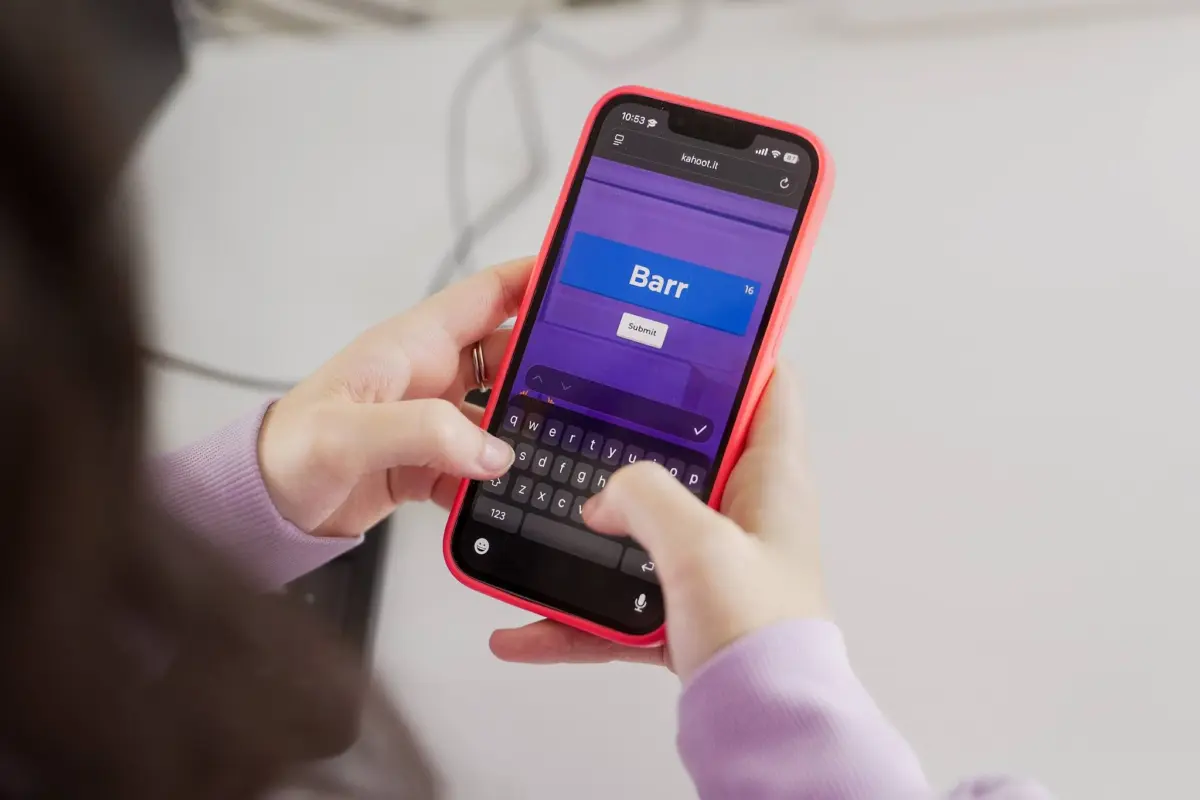
As the concluding chapter in a four-part back-to-school series exploring agile teaching strategies, this fourth installment investigates a powerful hypothesis: What if students arrived in class having already verified what they know? By deploying a low-stakes, pre-class digital assessment—such as a brief Kahoot! challenge—educators can reclaim lost minutes, diagnose conceptual blind spots before the bell rings, and dynamically reshape their lesson plans based on real-time data. This article explores the mechanics of the "flipped micro-experiment," analyzing its structural impact on lesson pacing, cognitive retention, and student engagement.
Detailed Chronology: The Evolution of the Classroom Micro-Experiment Series
To understand the strategic placement of this final micro-experiment, it is necessary to examine the foundational interventions that preceded it throughout the academic series. The overarching philosophy of the classroom micro-experiment is antithetical to traditional, sweeping pedagogical overhauls. Instead of demanding that teachers commit to an entirely new routine—only to quietly abandon it weeks later due to burnout or time constraints—the micro-experiment model advocates for surgical, agile testing.
Part 1: The Weekly Formative Check
The series began by examining the baseline of instructional feedback: the weekly formative check. By inserting a low-stakes, bite-sized assessment into the routine, teachers could gauge comprehension trends over a rolling seven-day window. This intervention proved that data collection does not need to be heavy-handed or grading-intensive to yield actionable insights.
Part 2: Student-Built Review Sessions
Building on the momentum of formative checks, Part 2 shifted agency directly to the learners. Educators handed over the mechanics of review-question creation to the students themselves. By tasking learners with generating their own assessment items, the classroom experienced a profound cognitive shift: students moved from passive consumers of information to active analysts of curriculum content, deep-diving into the nuances of what makes a rigorous, effective question.
Part 3: Team Play and Peer-to-Peer Explanation
Part 3 addressed the social dimension of learning. By introducing structured team play into digital reviews, the experiment transformed solitary test-taking into a collaborative communicative exercise. Students were no longer just selecting correct answers; they were forced to articulate their reasoning, debate alternative interpretations, and teach one another in real-time.
Part 4: The Pre-Class Knowledge Check (The Current Focus)
This brings us to the culmination of the series. While the first three experiments focused on optimizing in-class moments—formative tracking, student authorship, and collaborative review—Part 4 looks upstream. It asks how educators can fundamentally alter the physics of the classroom by shifting low-level comprehension checks into the pre-class space, thereby freeing up synchronous minutes for advanced critical thinking, debate, and hands-on application.
Supporting Context & Metrics: The Crisis of Classroom Time
To appreciate the necessity of the pre-class micro-experiment, one must confront the arithmetic of educational time management.
The Cost of the "Cold Start"
Consider a standard 50-minute high school or university class period. Factoring in administrative housekeeping, transitions, and cleanup, the net instructional time is frequently reduced to roughly 40 minutes. If an educator dedicates the first 10 to 15 minutes of that window to reviewing a foundational reading or a previous night’s concept, they have effectively surrendered 25% to 37% of their total synchronous bandwidth to passive, retrospective recap.
+--------------------------------------------------------------------------+
|                       STANDARD 50-MINUTE PERIOD                          |
+--------------------------+-----------------------+-----------------------+
| Administrative / Buffer  | Traditional Review    | Core Instruction &    |
| (5–10 mins)              | (10–15 mins)          | Practice (25–30 mins) |
+--------------------------+-----------------------+-----------------------+

+--------------------------------------------------------------------------+
|                     FLIPPED MICRO-EXPERIMENT PERIOD                      |
+--------------------------+-----------------------+-----------------------+
| Administrative / Buffer  | Data-Driven Targeted  | Deep Application,     |
| (5–10 mins)              | Review (3–5 mins)     | Labs, & Debate        |
+--------------------------+-----------------------+-----------------------+
Educational researchers note that this "cold start" model—where teachers assume students enter the room with a blank slate regarding assigned pre-readings—often penalizes both advanced and struggling learners. Advanced learners grow restless during protracted basic reviews, while struggling learners may feel alienated when terminology is glossed over too quickly.
The Flipped Classroom: Evolution and Friction
The "flipped classroom" model, popularized over the past decade and a half, attempted to solve this exact dilemma. By asking students to engage with lectures, videos, or readings at home and reserve in-class time for homework, projects, and discussions, proponents promised a more efficient use of human capital.
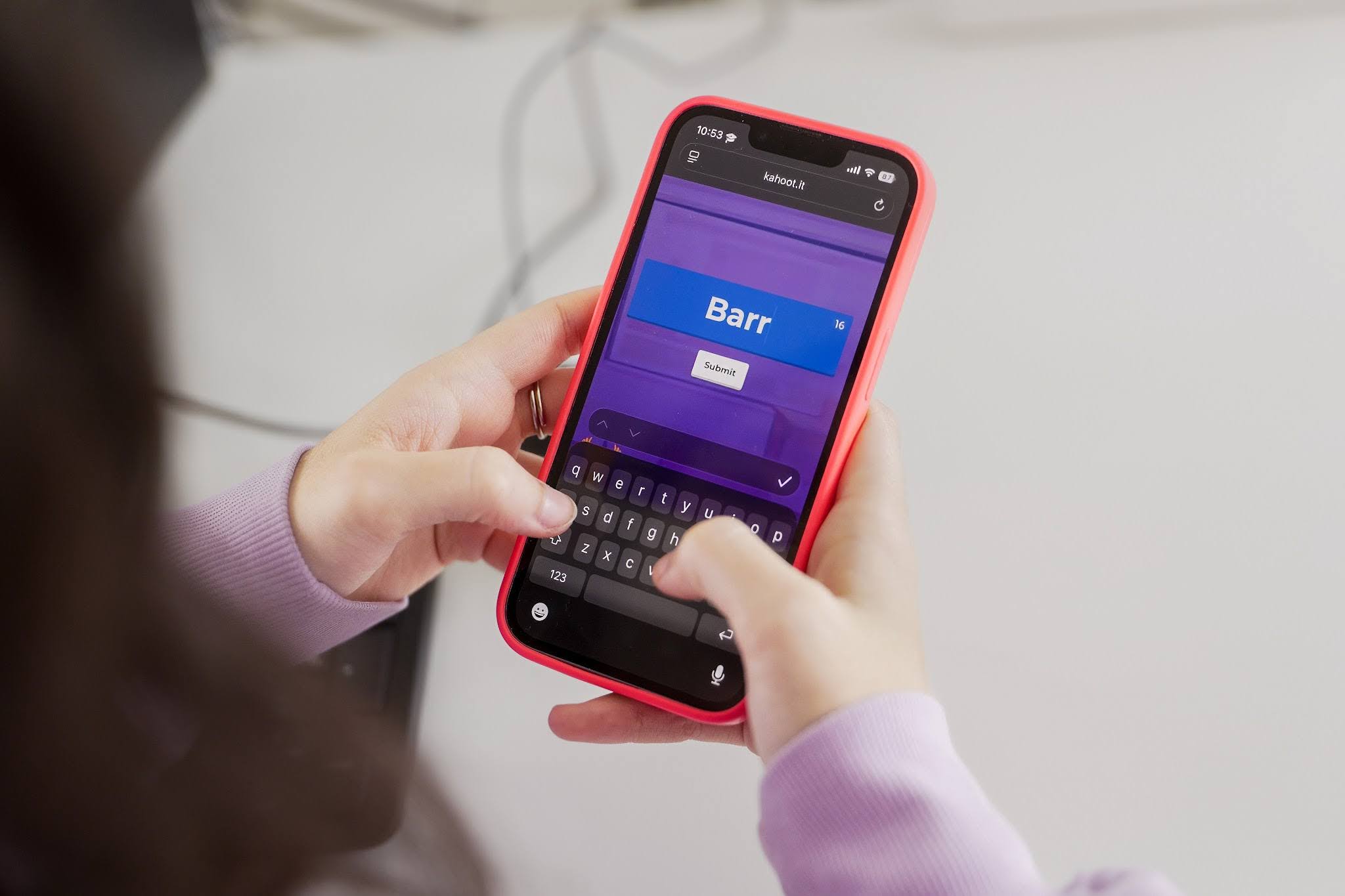
However, full-scale classroom flipping historically suffered from high friction rates:
- The Compliance Gap: Without accountability mechanisms, students frequently skipped the pre-work entirely, rendering subsequent in-class collaborative activities impossible.
- Cognitive Overload: Redesigning an entire semester’s worth of curriculum into a flipped format often led to severe teacher burnout.
- Lack of Diagnostic Visibility: Teachers often assigned pre-work blindly, walking into class with no empirical data on whether students actually understood the assigned material or where their specific misconceptions lay.
The Micro-Experiment Solution
The pre-class micro-experiment bypasses these structural hurdles by scaling down the commitment. Instead of flipping an entire curriculum, an educator flips one lesson using a short, five-minute digital assessment.
By utilizing platforms like Kahoot! as an asynchronous, pre-class diagnostic tool, teachers achieve two critical breakthroughs:
- Built-In Accountability: Students complete a quick, gamified check before a hard deadline, ensuring baseline preparation.
- Pre-Instructional Analytics: The educator reviews the analytics dashboard prior to walking into the classroom, transforming lesson planning from a speculative exercise into a targeted, data-driven intervention.
Official Guidelines: Designing and Executing the Four-Week Micro-Experiment
Transitioning to a pre-class diagnostic routine does not require an institutional mandate or a textbook rewrite. To test the efficacy of this approach without overwhelming students or instructors, educational specialists recommend a structured, four-week trial period.
The Four-Week Implementation Framework
- Select the Target Topic (Week 1): Do not attempt to flip every unit. Choose a single, recurring lesson slot each week—such as a Thursday reading review or a Monday vocabulary check—where you consistently notice students struggling with foundational preparation.
- Build the Diagnostic Bridge: Construct a short, 5-to-10 question Kahoot! game that directly covers the core concepts of the upcoming reading, video, or lecture. Keep the questions focused on baseline comprehension, vocabulary, and primary takeaways rather than trick questions.
- Establish a Clear Deadline: Set an asynchronous completion window (e.g., "Complete by 8:00 AM on the morning of class"). Frame this not as a high-stakes punitive quiz, but as an entry ticket designed to help tailor the day’s interactive work.
- Analyze Before You Teach: Spend 5 minutes reviewing the platform analytics dashboard before the lesson begins. Look for two critical metrics:
- Overall Completion Rate: Did the majority of the class engage with the material?
- The "Red Flag" Questions: Which specific concepts yielded the highest error rates?
- Pivot Your Lesson Plan: If analytics show 90% mastery on a core concept, bypass your planned 15-minute lecture and redeploy those minutes toward a complex case study or open debate. If analytics reveal a widespread misconception on a pivotal question, immediately dedicate the opening minutes to unpacking that exact point of confusion.
- Iterate and Expand (Weeks 2–4): Repeat the routine for four consecutive weeks. Collect qualitative feedback via low-stakes pulse polls or end-of-unit reflections to gauge whether students feel better prepared and less rushed during class.
Best Practices for Pre-Class Assignments
To ensure high compliance and meaningful data collection, educators should adhere to several evidence-based design principles:
- Keep It Low-Stakes: If students perceive pre-class diagnostics as high-stakes exams, anxiety spikes, and completion rates plummet. Emphasize that the primary value of the check is diagnostic feedback for both the teacher and the learner.
- Keep It Brief: A pre-class assessment should rarely exceed 5 to 7 minutes of active engagement time. The goal is priming the brain, not replicating a comprehensive midterm exam.
- Make the Connection Explicit: During the first week of the experiment, explicitly show students the analytics (anonymized, if necessary) at the start of class. Say to them: "Based on this morning’s check, 60% of you found question three challenging. Let’s spend our first five minutes cracking that specific problem together." This creates an immediate feedback loop that validates the utility of the pre-work.
Future Outlook: The Agile Educator and the Next Era of Learning
As educational institutions navigate rapid technological shifts, artificial intelligence integration, and evolving student needs, the tools available to teachers are becoming increasingly sophisticated. Yet, the foundational challenge of teaching remains stubbornly human: how to optimize the finite, invaluable time humans spend together in a physical or virtual room.
The classroom micro-experiment represents a broader philosophical shift in pedagogical design. It moves away from monolithic, rigid curricular planning and toward an agile, iterative methodology borrowed from the tech sector—prototyping, testing, measuring signals, and pivoting based on empirical reality.
Scaling the Micro-Mindset
If a single, four-week pre-class diagnostic experiment proves successful, its implications extend far beyond a single unit of study:
- Curricular Customization: Teachers can dynamically prune outdated review segments across entire syllabi, replacing passive lectures with active, student-centered inquiries.
- Reduced Teacher Burnout: By relying on real-time data to dictate where instructional energy is spent, educators eliminate the exhausting guesswork of over-preparing lectures that students may not even need.
- Enhanced Metacognition: Students who routinely engage in pre-class self-assessments develop stronger self-regulated learning habits, arriving in class not as passive receptacles of information, but as active participants prepared to construct their own understanding.
Final Call to Action
You do not need to rewrite your syllabus, overhaul your grading rubric, or flip every lesson plan this academic year to experience the benefits of agile teaching.
Start small. Choose one upcoming lesson, design a five-minute pre-class Kahoot! assessment, assign it before your next meeting, and observe how the dynamics of your classroom shift when you walk in armed with real-time data.
As this Back-to-School series demonstrates, systemic classroom improvement rarely happens through massive, exhausting transformations. Instead, it is built through a sustainable, compounding formula: one small change, one clear signal to watch, and a few weeks to discover what is truly possible.
This article is the fourth and final installment in our Back-to-School series on classroom micro-experiments. To explore previous strategies—including weekly formative checks, student-built reviews, and collaborative team play—visit the official educator resource hub.

