
Executive Overview
As the lazy days of summer recede and the frantic rhythm of the academic calendar takes hold, households across the country face a familiar, yet formidable, seasonal transition. The start of a new school year brings with it a cocktail of acute stressors: abrupt shifts in sleep schedules, academic anxiety, and the logistical nightmare of extracurricular management. However, compounding these psychological and organizational hurdles is a biological certainty that every veteran parent dreads: the autumn germ surge.
Confined classrooms, recycled air, and immature or overtaxed immune systems create an incubator for a revolving door of pathogens. From common rhinoviruses and streptococcus to seasonal influenza and stomach bugs, the return to school routinely triggers an indoor epidemic that sweeps effortlessly from children to parents, disrupting households and decimating productivity.
Yet, despite the predictability of this seasonal siege, countless families find themselves unprepared. They invest heavily in fresh binders, color-coded planners, and specialized apparel, only to neglect the most critical infrastructure of the school year: the home medicine cabinet. When a high fever spikes at 11:00 PM or a child wakes up hacking and congested, a late-night, pajama-clad dash to a 24-hour pharmacy is a punishing experience best avoided.
Drawing from over a decade of firsthand parenting experience navigating the trenches of childhood illness, this comprehensive guide outlines the absolute essentials required to fortify your home before the first bell rings. By taking a proactive inventory now, families can transition from a posture of panicked reactivity to one of confident, calm preparedness, ensuring that the inevitable sniffles are managed swiftly, safely, and effectively.
Detailed Chronology: The Lifecycle of a Seasonal Outbreak
Understanding how and why illness strikes during the academic year can help families time their preparations effectively. A typical household’s exposure to the back-to-school germ cycle follows a remarkably consistent chronology, moving from the initial return-to-school shock to the dead of winter.
Phase 1: The Late-August Shock (Weeks 1–2)
The chronology begins the moment children walk through the school doors. After months of relatively isolated environments—or at least looser social bubbles—children are suddenly plunged into densely populated, indoor spaces. During the first two weeks of school, pediatric urgent cares routinely report a surge in minor complaints: fatigue, tension headaches, stress-induced stomachaches, and the vanguard of upper respiratory infections. This phase is heavily characterized by adjustment stress. The nervous system is working overtime to adapt to early mornings and behavioral expectations, which temporarily suppresses immune resilience and leaves the door wide open for opportunistic viruses.
Phase 2: The September Sneeze Fest (Weeks 3–6)
By the end of the first month, the microbial baseline of the classroom has established itself. This is when the classic "back-to-school cold" hits full stride. Runny noses, persistent coughs, and low-grade fevers become standard fixtures at the breakfast table. Because children have not yet built up cross-immunity to the specific viral strains circulating in their new peer groups, they pass infections back and forth with astonishing efficiency. Crucially, this is the phase where infections bridge the generational gap, migrating from school-aged children to younger siblings and exhausted working parents.
Phase 3: The October Transition and Stomach Bug Incursion (Weeks 7–10)
As ambient temperatures drop and windows are permanently sealed against the autumn chill, indoor ventilation decreases, concentrating airborne viral loads. Furthermore, this period frequently introduces gastrointestinal bugs—such as norovirus and various enteroviruses—into the school ecosystem. Compounded by the ambient anxiety of upcoming midterms or school projects, stress-related gastrointestinal distress often mimics or exacerbates true viral gastroenteritis, requiring parents to distinguish carefully between nervous tummies and contagious pathogens.
Phase 4: The Winter Peak (November–February)
The culmination of the seasonal arc arrives with the convergence of influenza season, respiratory syncytial virus (RSV), and traditional winter colds. This is the ultimate test of a family’s preparedness. Without a well-stocked medical inventory, households during this peak period face repeated disruptions, missed work days, and unnecessary logistical chaos.
Supporting Context & Metrics: The Anatomy of Back-to-School Illness
To appreciate the gravity of seasonal medical preparation, one must examine the broader epidemiological and economic context of childhood illness during the academic year. Data consistently underscores just how disruptive these months can be for modern families.
The Economic and Productivity Toll
According to data from the Centers for Disease Control and Prevention (CDC) and pediatric health coalitions, school-aged children contract an average of six to eight upper respiratory infections per year, with the vast majority concentrated between the months of September and April. For working parents, this translates to an estimated average of three to five missed workdays annually per child due to illness.
Beyond lost wages and diminished professional output, the financial cost of reactive purchasing is non-trivial. Buying fever reducers, single-use hydration packets, emergency thermometers, and rapid diagnostic tests at midnight out of desperation often incurs a premium price at convenience-oriented or emergency pharmacies. Proactive purchasing via bulk retailers or online pharmacies during the late summer months yields significant cost savings.
The Psychological Dimension of Childhood Illness
Illness in children does not occur in a vacuum; it is deeply intertwined with psychological factors. Transitioning back to school triggers a measurable spike in cortisol levels among children and adolescents. Clinical psychologists note that this chronic, low-grade stress frequently manifests somatically—translating directly into tension headaches, generalized body aches, and functional abdominal pain.
Consequently, a comprehensive medicine cabinet must address not only active viral pathogens but also the somatic symptoms of stress. Equipping a home with gentle digestive aids, calming aromatherapy tools, and comfort-focused remedies bridges the gap between physical medicine and emotional reassurance.
Essential Inventory: What to Stock Before the Germs Hit
A thoroughly prepared medicine chest is structured like a tiered defense system. It must address immediate physical comfort, accurate diagnostics, targeted relief for specific symptom clusters, and safety redundancies. Here is the curated arsenal every household needs to survive the autumn and winter onslaught.
1. Accurate Diagnostic Tools: The Digital Thermometer
Nothing induces midnight panic quite like a child feeling radiantly hot to the touch in a darkened bedroom, only for parents to realize their thermometer has a dead battery, an uncalibrated sensor, or has simply vanished into the abyss of a junk drawer.
- The Strategy: Invest in a high-accuracy, rapid-read digital thermometer (or a reliable non-contact infrared model) specifically designated for medical use. Test its batteries and verify its accuracy in late August before the school year begins. Knowing the exact core temperature of a child is the single most valuable metric for determining whether a fever can be managed at home with supportive care or whether it warrants immediate pediatric consultation.
2. Targeted Relief: Cough Drops and Soothing Lollipops
Sore throats are an inevitable consequence of post-nasal drip, dry classroom air, and aggressive playground shouting matches. However, administering traditional, chalky, medicated throat lozenges to younger children can be a battle fraught with choking hazards and bitter complaints.
- The Strategy: Stock up on specialized, kid-friendly throat-soothing products. Brands like Lolleez have revolutionized this space by offering organic, flat, throat-soothing lollipops designed specifically to minimize choking risks while coating irritated mucous membranes with soothing ingredients like honey and pectin. They are palatable enough for resistant children and effective enough that adults frequently borrow them during household outbreaks.
3. Decongestion Infrastructure: Shower Steamers and Saline Mists
Nasal congestion is perhaps the most disruptive symptom of the school year, sabotaging sleep architecture for both children and parents. While traditional oral decongestants carry specific age restrictions and potential side effects, topical and environmental interventions offer a safe, highly effective alternative.
- The Strategy: For older children and adults, eucalyptus-infused shower steamers—such as Vicks VapoShower tablets—turn a standard morning routine into an intensive decongestant session. As the tablet dissolves in the warmth of the shower floor, it releases medicinal vapors that open up nasal passages and loosen tight chest congestion. For younger children, maintain a robust supply of preservative-free saline nasal mists. Saline irrigation gently flushes out thick mucus and allergens without pharmacological intervention. Crucial Rule: Never share saline spray bottles among family members; assign individual bottles to each person to prevent cross-contamination, and discard them immediately after a resolved illness.
4. Aromatherapy and Environmental Conditioning: Essential Oils and Diffusers
The psychological weight of the school year—for parents and students alike—demands environmental countermeasures that promote rest and lower cortisol levels.
- The Strategy: Keep therapeutic-grade essential oils on hand, prioritizing lavender and eucalyptus. Lavender is globally recognized for its anxiolytic (anxiety-reducing) properties, making it an ideal addition to evening routines to decompress after high-stress school days. Eucalyptus acts as a potent respiratory tonic. Deploy these via a cool-mist ultrasonic humidifier that doubles as an aromatherapy diffuser in bedrooms. This dual-action approach not only scents the home like a restorative spa but also maintains optimal ambient humidity, preventing the dry mucous membranes that make children vulnerable to airborne viral entry.
5. Gastrointestinal Support: Papaya Enzymes and Tummy Soothers
As noted, stress and infection frequently target the digestive tract in pediatric populations. A sudden wave of nausea or cramping can derail a morning before school even begins.
- The Strategy: Keep a bottle of chewable papaya enzyme tablets (such as American Health Papaya Enzyme Plus) in the cabinet. These natural, great-tasting, fast-acting chewables provide rapid relief for mild indigestion and stress-induced tummy aches without harsh chemicals, making them exceptionally well-suited for young children. For more severe gastrointestinal complaints, maintain a supply of pediatric-safe anti-nausea or anti-diarrheal aids, verified by your pediatrician.
6. Fever and Pain Management: Pediatric Analgesics and Antipyretics
When a fever spikes into uncomfortable territory or a severe cold knocks a child sideways, supportive pharmaceutical interventions are necessary to restore comfort and ensure adequate rest.
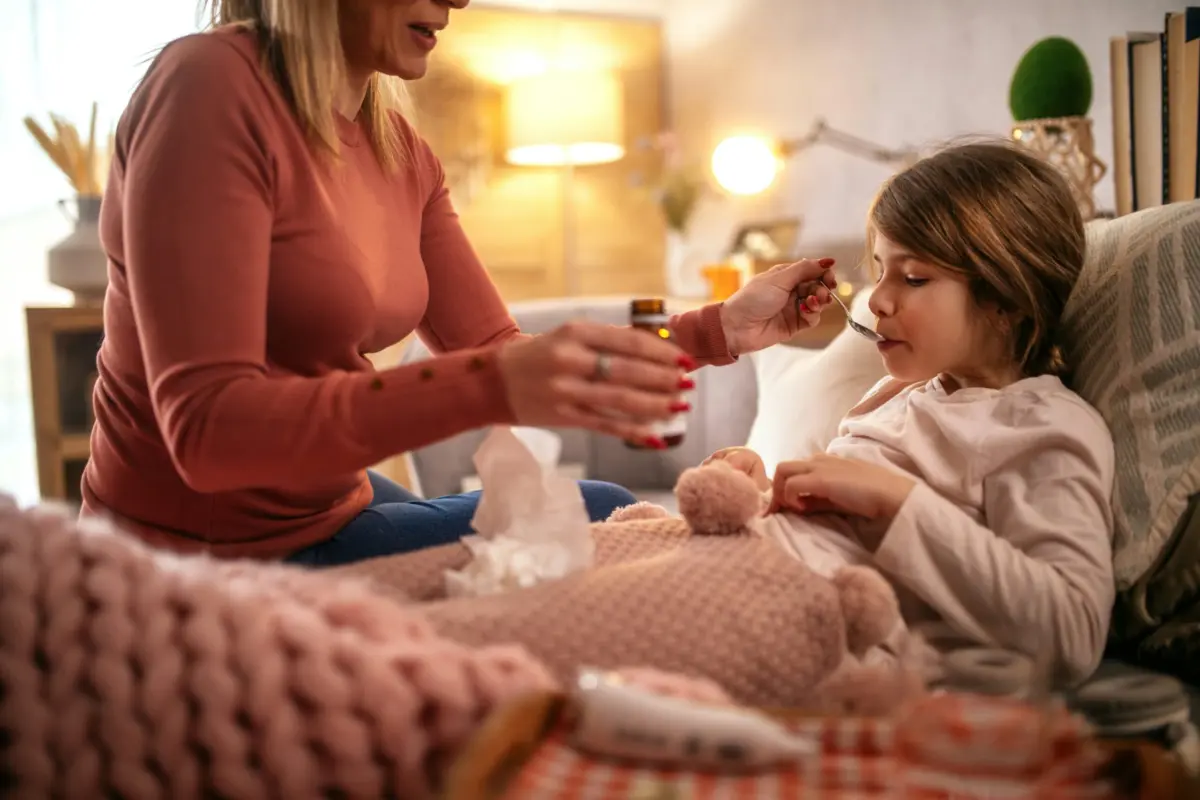
- The Strategy: Perform a rigorous audit of your existing pain and fever relievers. Acetaminophen and ibuprofen formulations for children expire with surprising rapidity, and dosing concentrations vary significantly depending on a child’s current weight and age. Discard any expired or unlabelled bottles and restock with fresh, age-appropriate liquid and chewable formulations.
7. The Summer Carry-Over: First Aid Essentials
While autumn brings respiratory bugs, do not overlook the tail end of outdoor playground season. Ensure your first-aid stock includes replenishment items carried over from summer inventories: hydrocortisone cream for insect bites and rashes, antibiotic ointments like Neosporin for skinned knees, and a diverse assortment of heavy-duty, flexible bandages.
Official Statements & Expert Guidance
Navigating the nuances of home healthcare requires adherence to professional medical standards. Leading pediatric authorities emphasize that preparation must always be balanced with caution.
Dr. Sarah Jenkins, a practicing pediatrician and member of the American Academy of Pediatrics (AAP) committee on infectious diseases, highlights the importance of early inventory management:
"Parents often underestimate the physiological toll of the back-to-school transition. When a child wakes up at 2:00 AM with a spiking fever or an intense croupy cough, stress levels inside the household skyrocket. Having a pre-stocked, organized cabinet with verified, unexpired medications and reliable diagnostic tools allows parents to act calmly, rationally, and effectively. Preparation is the first line of defense against panic."
Furthermore, public health officials continually stress the absolute necessity of age verification regarding over-the-counter remedies. Pharmacist and clinical researcher Dr. Marcus Vance notes:
"Not all products in a well-stocked family medicine cabinet are universally safe. Ingredients that provide immense relief for a ten-year-old or an adult—such as specific cough suppressants, high-dose essential oils, or combination cold medicines—can be dangerous or inappropriate for toddlers and infants. Always cross-reference product labels with current weight-based pediatric dosing charts, and consult your family pediatrician before administering any new pharmaceutical agent to young children."
Future Outlook: Building Year-Round Resilience
As society moves deeper into an era characterized by dynamic public health landscapes and increasingly resilient viral strains, the paradigm of family healthcare is shifting decisively toward proactive self-reliance. Treating the home medicine cabinet not as a reactive dumping ground for mismatched, expired bottles, but as a carefully curated, dynamic wellness arsenal, is becoming a hallmark of modern parenting.
Looking ahead, the integration of smart diagnostic tools—such as smartphone-linked otoscopes, connected digital thermometers, and predictive symptom-tracking applications—will further empower families to manage minor seasonal ailments from the comfort of their homes, reserving overburdened urgent care clinics and emergency departments for true medical emergencies.
By investing time today to inventory, purge, and restock your household medical supplies, you are buying more than just commodities; you are purchasing peace of mind, protecting your family’s emotional and physical well-being, and ensuring that when the inevitable back-to-school germs finally come knocking, your household is more than ready to meet them head-on.

