
Executive Overview
In an era dominated by glowing displays, blue-light exposure, and endless scrolling algorithms, parents face a modern paradox. Technology is undeniably woven into the fabric of daily life and education, yet mounting developmental research underscores the critical need to protect young minds from the hypnotic pull of traditional screens. Tablets, smartphones, and televisions often capture a child’s attention at the expense of tactile exploration, imaginative play, and natural social development.
However, escaping the digital age entirely is neither practical nor beneficial. The wonders of modern technology—ranging from interactive audio storytelling and smart sleep routines to developmental toddler toys and physical-digital hybrids—offer immense value when curated correctly. The solution is not to banish technology, but to reinvent it.
Enter the screen-free tech movement: a booming sector of child development tools that introduce core technological concepts, audio literacy, and interactive engagement completely free of visual displays. From auditory audiobooks that spark the imagination to tangible storytelling devices and interactive learning systems, these innovations bridge the gap between high-tech engagement and low-stimulus safety.
To honor the pioneers shaping this vital industry, we are launching an exclusive community-driven initiative. We have curated a definitive list of the top brands leading the screen-free revolution, and we are turning the final decision over to you. What is your favorite screen-free device brand? Cast your vote before the polls officially close on September 23, 2026, at 12:00 PM ET, and help us recognize the innovators who are changing childhood for the better.
Detailed Chronology: The Evolution of Child-Centric Entertainment
To understand how we arrived at today’s diverse landscape of screen-free technology, it is essential to trace the historical progression of children’s media and the growing pushback against over-digitization.
Phase I: The Analog Era and Early Electronic Toys (Pre-2000s)
For decades, childhood entertainment relied on physical mechanics. Early educational toys depended on buttons, springs, and mechanical gears to teach cause and effect. The introduction of basic microchips in the late 20th century brought simple synthesized sounds, flashing red LED lights, and rudimentary spelling games (such as early iterations from LeapFrog and VTech). These tools were groundbreaking for their time, offering interactive learning without requiring visual monitors.
Phase II: The Tablet Boom and the Screen Saturation Crisis (2010–2018)
The proliferation of smartphones and affordable tablets completely shifted the paradigm of parenting. Touchscreens made digital interfaces intuitive even for toddlers, leading to widespread adoption of video streaming apps and interactive mobile games. While these tools offered temporary relief for caregivers, pediatricians and child psychologists soon raised alarms. Studies began to link excessive screen time with delayed language acquisition, sleep disturbances, attention deficits, and reduced emotional regulation in young children.
Phase III: The Rise of Audio-First and Tangible Tech (2018–Present)
Recognizing the hazards of blue light and passive visual consumption, a new wave of entrepreneurs and educational developers engineered a counter-movement. This period saw the explosive growth of audio-based ecosystems—such as Yoto and Tonies—alongside innovative sleep trainers, projection storybooks, and tactile learning devices. These products harnessed modern cloud technology, RFID chips, and wireless audio streaming, yet delivered the content entirely through tactile objects, physical cards, and sound. Today, this sector represents one of the fastest-growing niches in the global toy and consumer electronics market.
Supporting Context & Metrics: The Science of Screen-Free Play
The consumer shift toward screen-free technology is not merely a passing parenting trend; it is deeply rooted in cognitive science, developmental psychology, and public health recommendations.
The Pediatric Consensus
Major health organizations, including the American Academy of Pediatrics (AAP) and the World Health Organization (WHO), maintain strict guidelines regarding digital media exposure:
- Infants Under 18 Months: Aside from video chatting, screen media should be avoided entirely.
- Toddlers (18 to 24 Months): If introduced, media should be high-quality and co-viewed with a parent to help children understand what they are seeing.
- Children Ages 2 to 5: Screen time should be limited to one hour per day of high-quality programming, with a strong emphasis on interactive, human-guided play.
Why Audio and Tactile Tech Excel
Research into cognitive load theory suggests that visual screens can easily overwhelm a young child’s working memory. When a screen dictates every image, color, and movement, the child’s internal imagination is sidelined.
Conversely, audio-driven devices—such as dedicated storytelling players and music boxes—require the child’s brain to construct mental imagery. This active cognitive processing significantly enhances:
- Listening Comprehension and Vocabulary: Children exposed to rich audio narratives process complex sentence structures and diverse vocabulary pools at accelerated rates.
- Sleep Hygiene: Blue light emitted by screens suppresses melatonin production, disrupting circadian rhythms. Screen-free night companions and audio players help transition children into deep, restorative rest.
- Independent Play: Without the addictive flashing loops of video games, children naturally learn to self-soothe, concentrate for longer periods, and engage in unstructured, creative play.
The Nominees: Innovating the Future of Play
The brands featured in our showcase represent the pinnacle of modern, screen-free ingenuity. Explore the contenders below before casting your official vote.
1. eKids
Known for blending pop culture familiarity with safe, durable audio technology, eKids specializes in kid-friendly headphones, boomboxes, and interactive learning gadgets that prioritize volume limitation and physical usability over digital distraction.
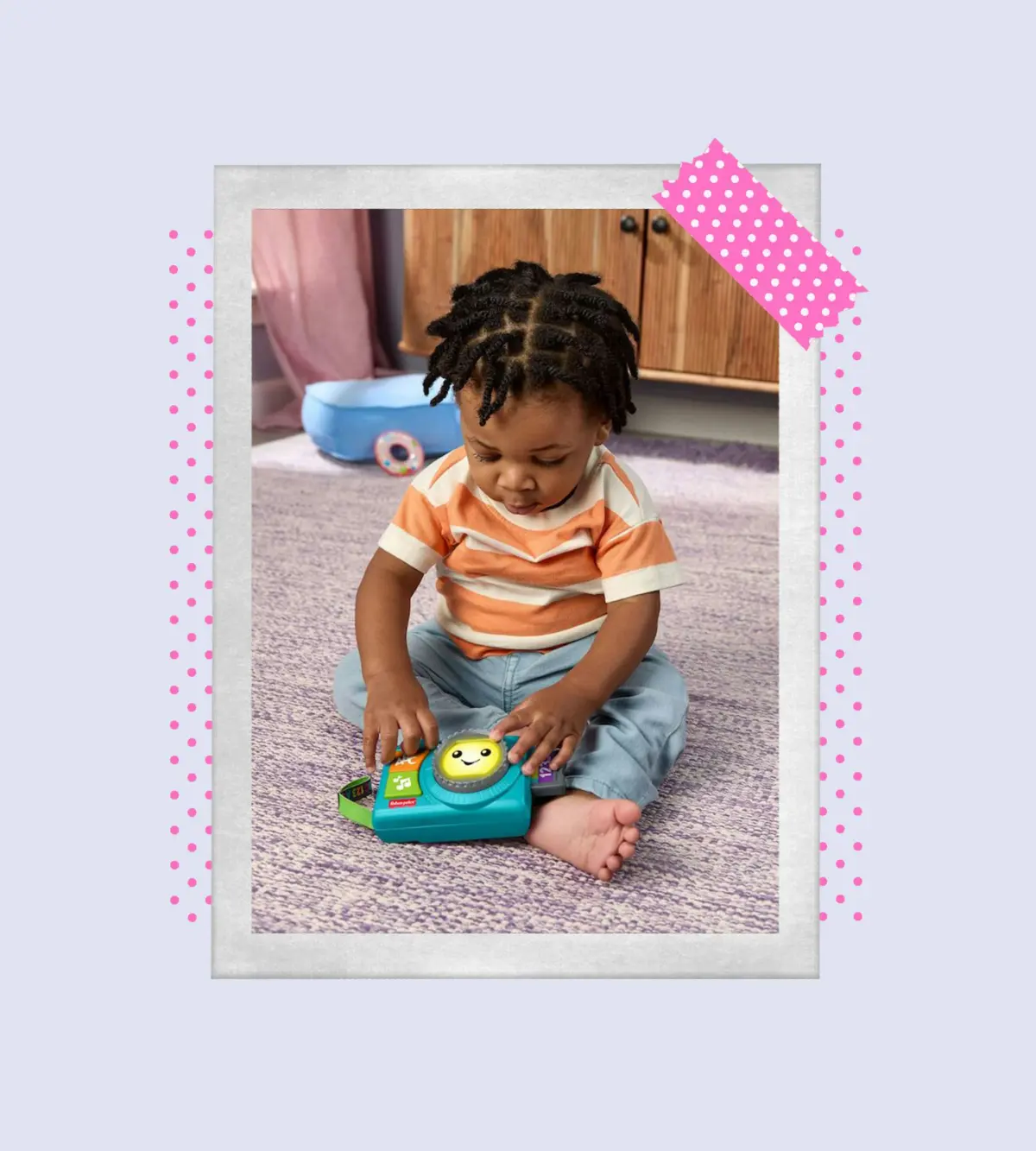
2. Fisher-Price
A historic titan in early childhood development, Fisher-Price continues to adapt to modern needs by integrating clever electronics into classic developmental toys, fostering motor skills, spatial reasoning, and auditory engagement without relying on screens.
3. Hatch
Revolutionizing bedtime routines for families worldwide, Hatch provides smart, screen-free sound machines and nightlights that double as gentle time-to-rise indicators, helping children build healthy, independent sleep habits.
4. LeapFrog
A pioneer in tech-driven education, LeapFrog offers a diverse array of interactive books, audio players, and electronic learning toys designed to build foundational literacy and numeracy skills through physical touch and sound.
5. Little Tikes
Famed for active, rugged play, Little Tikes incorporates simple, robust electronic components into active toys that encourage physical movement, coordination, and imaginative roleplay.
6. Loftie
Bridging the gap between wellness and family tech, Loftie creates minimalist, screen-free alarm clocks and sound machines designed to help both parents and older kids unplug from smartphones and establish healthier morning and evening routines.
7. Lunii
The creators of My Fabulous Storyteller, Lunii empowers children to become the authors of their own adventures. With zero screens and zero waves, kids choose characters, locations, and objects to generate custom audio stories.
8. Mighty
Mighty bridges the gap between streaming music and device independence, offering a screen-free, clip-on music player that lets kids listen to Spotify and Amazon Music playlists without needing a smartphone or tablet nearby.
9. Moonlite
Transforming storytime into a magical cinematic experience, Moonlite attaches to a smartphone’s flashlight to project vibrant storybook illustrations onto the wall, accompanied by immersive sound effects via an accompanying app, while keeping the physical book experience alive.
10. Storybutton
Designed like a retro radio for the modern age, Storybutton streams hours of curated audio stories, podcasts, and meditations for kids through a simple, child-friendly interface free of visual displays.
11. StoryPhones by ONANOFF
StoryPhones are smart, safe wireless headphones designed for kids that play audio stories and music via magnetic content shields, ensuring high-quality auditory entertainment with built-in volume-limiting protection.
12. Eddi by Storypod
Storypod uses interactive audio figures (craftie tokens) and tactile storybooks to deliver engaging, multisensory audio experiences that promote language development and independent play without any screens.
13. tonies
A global phenomenon in audio-based play, the Toniebox is an imaginative audio player wrapped in soft, durable fabric. Children place hand-painted character figurines ("Tonies") on top to trigger songs, stories, and educational content.
14. VTech
A trusted name in educational electronics, VTech offers a wide range of audio players, interactive clocks, and learning toys that introduce technology safely and creatively to growing minds.
15. Yoto
Yoto delivers an award-winning audio platform anchored by the Yoto Player and Yoto Mini. Children control their listening experience by inserting physical smart cards into the player, accessing a vast library of audiobooks, podcasts, and sleep sounds.
Official Statements and Industry Insights
Child development experts and industry analysts alike are taking note of this monumental shift toward screen-free interactive devices.
Dr. Elena Vance, a prominent pediatric developmental psychologist, notes:
"When we remove the visual screen, we return agency to the child. Instead of being passive consumers of hyper-fast visual stimuli, children become active creators of mental imagery, narrative structure, and emotional connection. The brands succeeding in this space understand that technology should enhance human imagination, not replace it."
Market research forecasts indicate that the global market for audio-based children’s entertainment and tangible educational tech will continue its rapid upward trajectory through the decade. Parents are actively seeking out tools that offer peace of mind, knowing their children are engaging with safe, enriching, and developmentally appropriate innovations.
Future Outlook: What Lies Ahead for Screen-Free Innovation?
As we look toward the horizon of 2026 and beyond, the boundary between physical toys and smart technology will continue to blur—happily, without the inclusion of traditional displays.
Future innovations in the screen-free sector are projected to feature:
- Advanced AI-Powered Audio Companions: Interactive audio devices that can dynamically converse, tell branching stories, and adapt to a child’s reading level in real-time.
- Sustainable, Eco-Friendly Materials: A stronger push toward biodegradable plastics, organic fabrics, and ethically sourced electronic components.
- Expanded Accessibility Integration: Specialized audio interfaces designed to support neurodivergent children and those with visual or motor impairments, ensuring that screen-free tech is universally inclusive.
The revolution is well underway, and the power to highlight the industry’s finest achievement rests in your hands.
Cast Your Vote Today!
Which brand stands out as the ultimate champion of screen-free innovation? Whether you swear by the magical storytelling of Tonies and Yoto, the soothing bedtime environment created by Hatch, or the tactile educational adventures from LeapFrog and VTech, your voice matters.
👉 Vote Now in the Screen-Free Device Brand Awards
Note: Voting officially concludes on September 23, 2026, at 12:00 PM ET. Make your voice heard and celebrate the brands that are keeping childhood imaginative, engaging, and screen-free!
Photos courtesy of Fisher-Price, Hatch, Loftie, Mighty, and tonies.

