
EXECUTIVE OVERVIEW
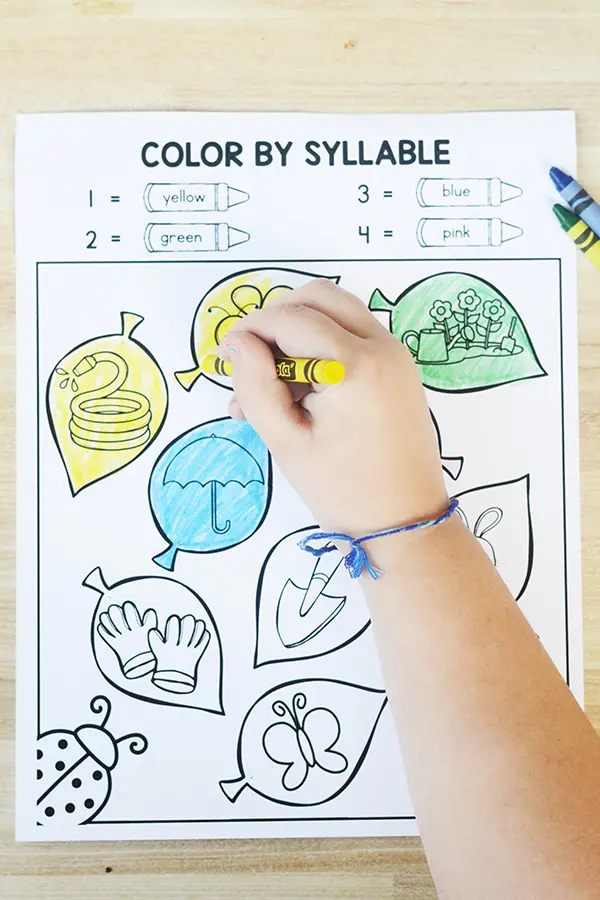
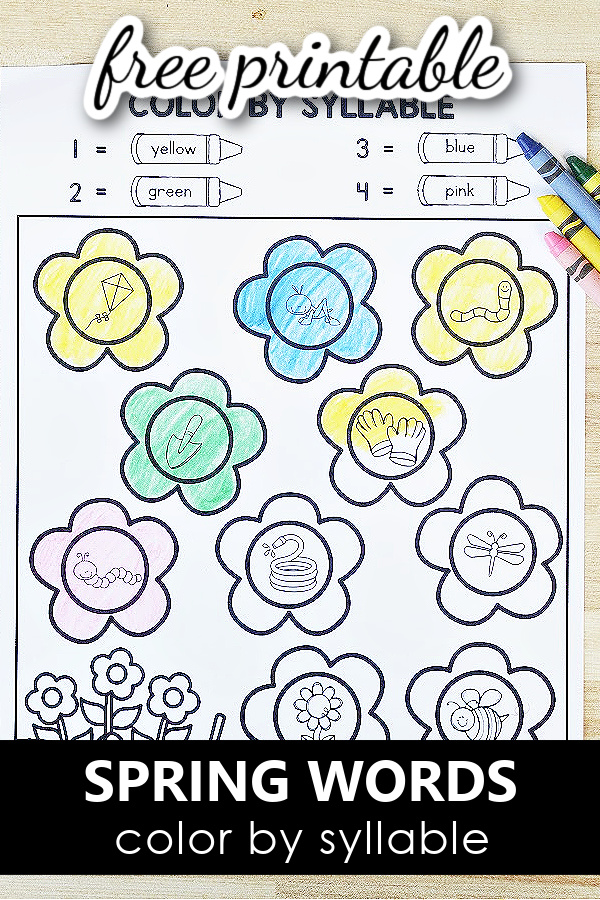
As educators and policymakers grapple with declining foundational literacy rates in early childhood education, a quiet revolution is taking place in preschool and kindergarten classrooms across the country. The integration of multisensory pedagogical tools—most notably phonological awareness frameworks aligned with the Science of Reading—has emerged as a vital strategy for addressing early reading gaps. Among these, the "Spring Color by Syllable" initiative, alongside comprehensive year-round color-by-code adaptive worksheets, offers a compelling blueprint for how early educators can seamlessly blend foundational skills instruction with creative engagement.
By deconstructing words into individual auditory segments and pairing them with visual-art mechanics, these no-prep resources bridge the gap between abstract phonological concepts and concrete cognitive processing. Designed explicitly for Pre-K and kindergarten cohorts, this approach transforms traditional drill-and-kill vocabulary exercises into immersive literacy centers and dynamic take-home practices. This report provides an authoritative examination of the pedagogical mechanics behind syllable-segmenting color activities, evaluating their classroom utility, alignment with modern literacy standards, and the broader implications of gamified learning for early childhood development.
1. The Pedagogical Imperative: Shifting Paradigms in Early Literacy
For decades, early childhood educators have searched for scalable, effective methods to instill phonological awareness—the foundational ability to recognize and manipulate spoken parts of sentences and words, such as syllables, onsets, and rimes. Traditional instruction often relied heavily on rote memorization, clapping out beats, or flashcards that frequently failed to sustain the short attention spans of four- and five-year-old learners.
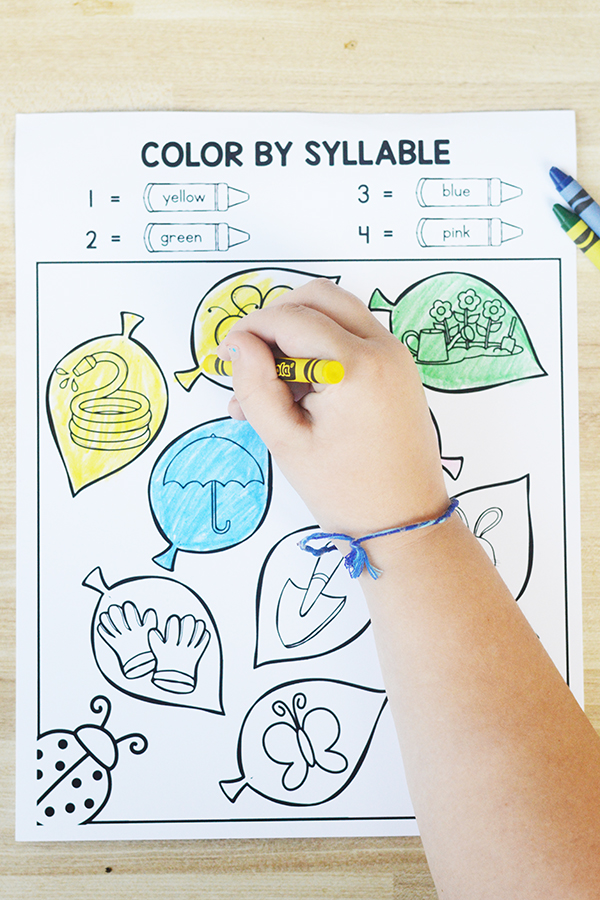
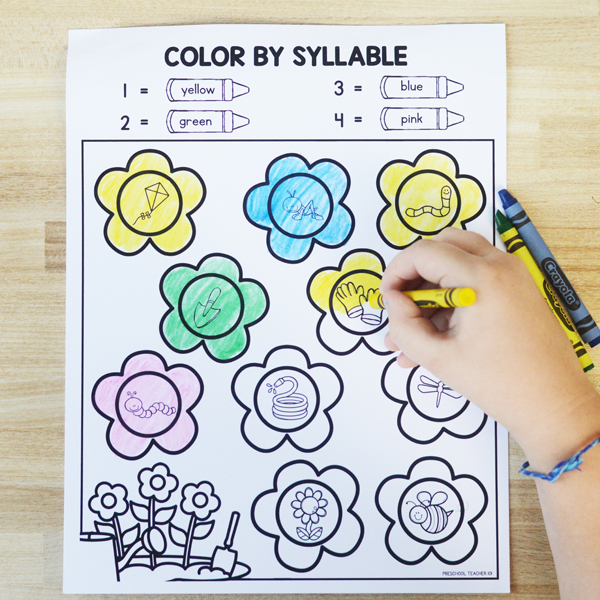
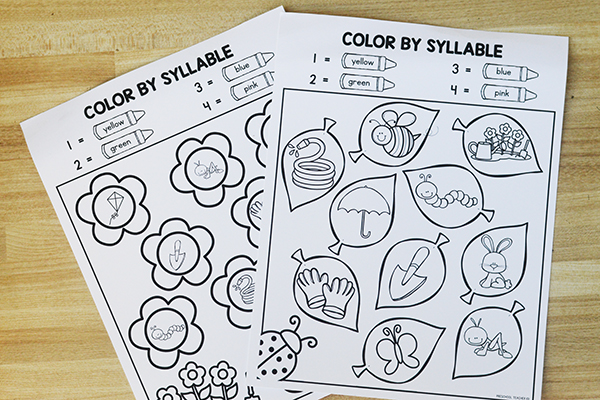
The introduction of phonological awareness color-by-code activities addresses this developmental hurdle by leveraging the innate appeal of coloring. When a child encounters a Spring-themed vocabulary worksheet, they are not merely filling in shapes; they are actively engaging in auditory discrimination. To color a specific region of the page, the student must first identify a depicted object, articulate the word, segment its constituent syllables (ranging from one to five), and map that phonetic count to a designated color code.
[Auditory Input: Word Identification]
       ↓
[Phonetic Processing: Syllable Segmentation (1-5 beats)]
       ↓
[Cognitive Mapping: Matching Syllable Count to Color Code]
       ↓
[Motor Output: Creative Coloring / Fine-Motor Integration]
This multi-step cognitive loop reinforces the Science of Reading framework. By moving beyond simple visual recognition, color-by-syllable worksheets require children to physically and mentally manipulate language structures. Educators note that this methodology is particularly effective for diverse learners, including English Language Learners (ELLs) and students with varying developmental trajectories, because it anchors abstract linguistic sounds to concrete visual and motor actions.
2. Structural Breakdown of the Spring and Year-Long Curriculum
To understand the widespread adoption of these resources, one must examine their structural flexibility within a classroom environment. The instructional design targets high-utility implementation across multiple educational settings:
- Literacy Centers: Serving as independent or small-group stations, these worksheets allow teachers to work closely with targeted intervention groups while the rest of the class solidifies phonological skills autonomously.
- Fast Finishers: A perennial challenge in early elementary classrooms is managing pacing disparities. Color-by-syllable sheets provide a productive, academically rigorous option for students who complete core assignments ahead of schedule.
- Take-Home Practice: By extending learning beyond the classroom walls, these no-prep activities foster parent-child engagement, turning homework into an interactive vocabulary-building exercise.
Expanding Beyond Seasonal Themes
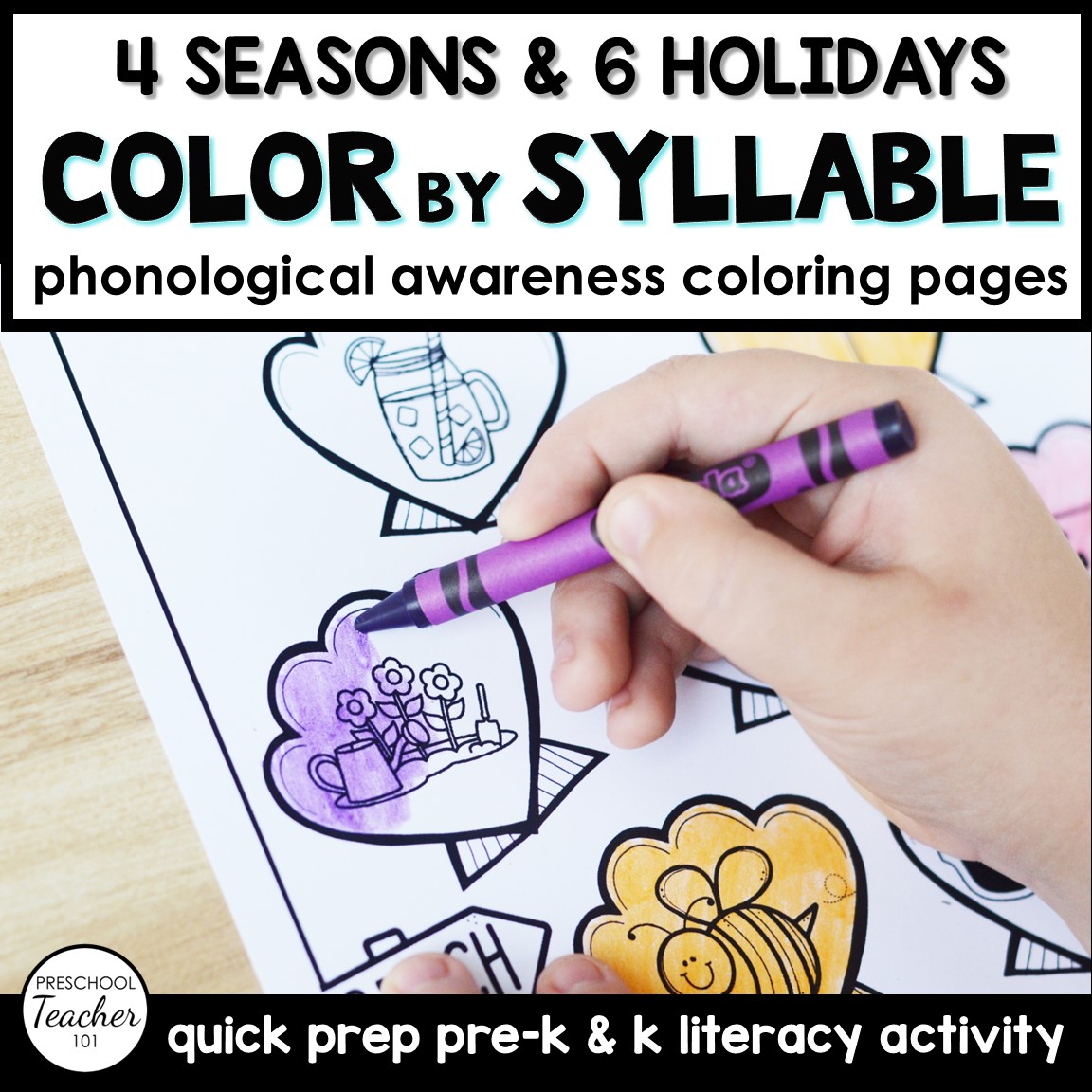
While the Spring-specific release captures immediate seasonal enthusiasm with blooming motifs and vernal imagery, educational developers have recognized the need for continuity. The comprehensive 33-page year-round curriculum expands this pedagogical model across all instructional periods. By incorporating seasonal and holiday themes, the curriculum ensures that children practice recognizing one to five syllables continuously throughout the academic calendar.
Crucially, pedagogy experts emphasize a vital prerequisite: explicit vocabulary introduction. Before students can independently segment and color based on syllable count, educators must introduce and contextualize the target terms. Without this foundational step, the activity risks devolving into a guessing game rather than a targeted phonological exercise.
3. Supporting Context, Metrics, and Classroom Integration
The push toward structured, play-based phonological tools is backed by a growing body of cognitive science research. According to early childhood literacy metrics, children who master syllable segmentation in Pre-K and kindergarten demonstrate significantly higher decoding proficiency by the end of first grade.
| Metric / Indicator | Traditional Rote Instruction | Gamified Color-by-Syllable Framework |
|---|---|---|
| Student Engagement Duration | Low (Average 5–8 minutes) | High (Average 15–25 minutes) |
| Cognitive Retention Rate | Moderate | High (Reinforced by motor-visual mapping) |
| Teacher Preparation Time | High (Requires extensive material gathering) | Zero (No-prep, print-and-go format) |
| Differentiation Capability | Rigid | Flexible (Covers 1 to 5 syllable tiers) |
Furthermore, the integration of fine-motor skill development alongside literacy instruction yields dual benefits. As young learners grasp crayons, markers, or colored pencils to shade in segmented regions, they simultaneously build the intrinsic hand strength and dexterity required for future handwriting proficiency. This holistic intersection of physical coordination and cognitive processing underscores why educators increasingly favor multi-disciplinary printables over isolated worksheets.
4. Official Insights and Educator Perspectives
Educators and curriculum designers who have implemented color-by-syllable systems highlight their utility in bridging the gap between state literacy standards and classroom realities.
"When we look at the Science of Reading, the goal is to make phonological processing second nature," explains a veteran early childhood literacy specialist. "Tools that combine auditory word breakdown with tactile art remove the intimidation factor of phonics. Children do not feel like they are undergoing a test; they feel like they are creating a picture. That psychological shift is monumental for early engagement."
Administrators have also praised the zero-prep nature of these resources. In an era where teacher burnout and administrative burdens are at historic highs, curriculum packets that require minimal setup while maintaining rigorous educational standards offer an invaluable lifeline. Whether deployed as part of comprehensive spring preschool lesson plans or utilized as standalone morning work, these printables provide a reliable framework that novice and veteran teachers alike can adapt to their specific classroom dynamics.
5. Future Outlook: The Evolution of Play-Based Literacy Tools
Looking ahead, the trajectory of early childhood education points toward an even deeper synthesis of structured literacy and creative play. As digital and print hybrids continue to evolve, the core principles established by physical color-by-syllable activities remain foundational.
Future iterations of phonological awareness resources are expected to expand further into customized tiered learning, offering hyper-localized vocabulary sets that reflect diverse cultural and environmental experiences. Moreover, as professional development programs increasingly train teachers in the nuances of the Science of Reading, tools that visually and tactilely demystify syllable structures will likely transition from supplementary novelties to core staples of the early education toolkit.
Ultimately, the success of initiatives like the Spring Color by Syllable program demonstrates a timeless truth in education: when cognitive rigor is wrapped in curiosity, creativity, and play, young learners do not just meet academic standards—they exceed them with enthusiasm.

