
Executive Overview
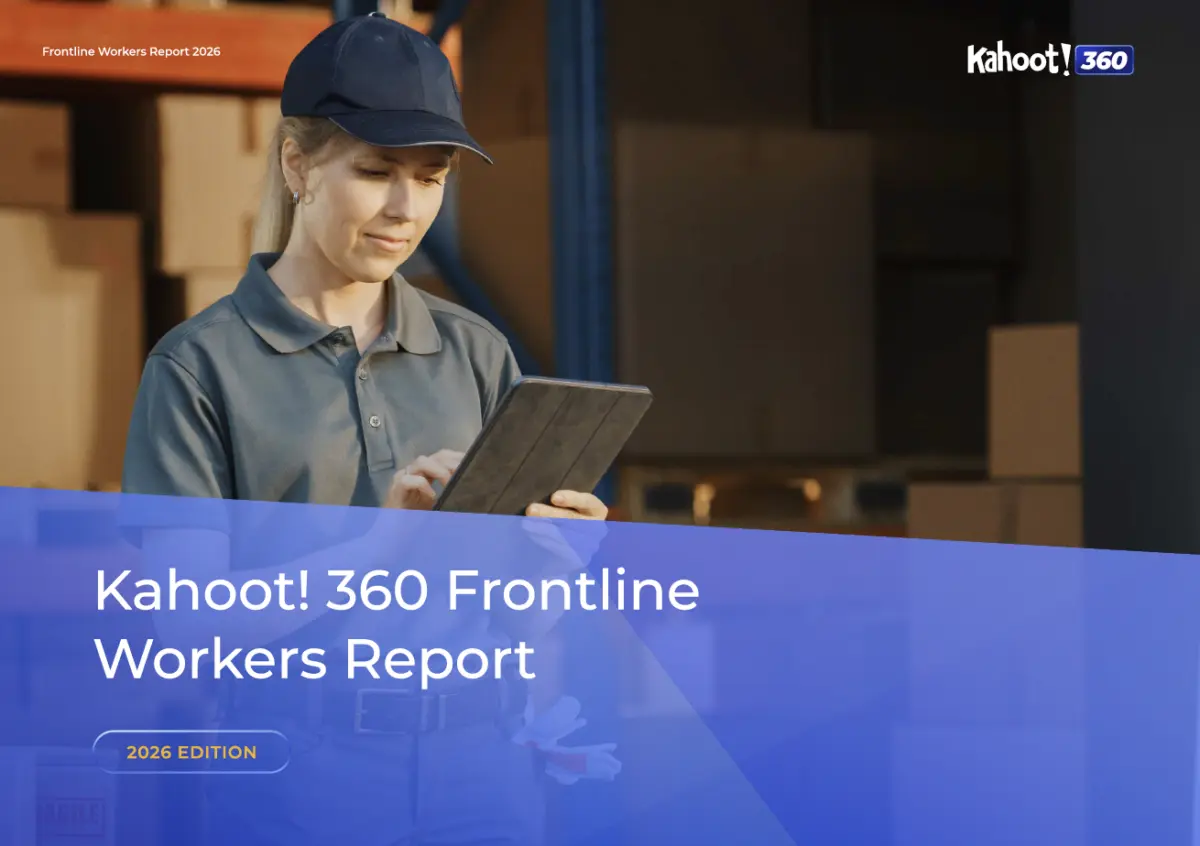
From the bustling wards of metropolitan hospitals to the tireless delivery networks crossing suburban neighborhoods, and from the front of the classroom to the floor of retail and logistics enterprises, frontline workers are the indomitable backbone of our daily society. They are the human interface of modern commerce and public service, delivering critical functions while directly representing their organizations to the public. Yet, a profound disconnect exists between the societal value placed on these essential roles and the operational support provided to the individuals who fulfill them.
According to the newly released Kahoot! 360 Frontline Workers Report, an alarming number of frontline professionals feel that their employers are falling short of providing the structural, educational, and emotional support required to succeed. Based on a comprehensive September 2026 survey of 4,000 frontline workers across the United States and the United Kingdom, the research exposes a volatile nexus of soaring workplace pressures, alarming training deficits, and a looming retention crisis.
The findings are both sobering and urgent. More than half of all surveyed frontline staff have been thrust into operational responsibilities without appropriate preparation, while over a third are actively eyeing the exit door. Far from being merely an HR metric, this systemic neglect carries profound real-world consequences, creating unnecessary safety risks for employees, customers, and patients alike. However, the report also offers a clear pathway forward, demonstrating that proactive organizations can reverse these trends by dismantling antiquated, one-off training paradigms and embracing continuous, accessible, and engaging professional development frameworks.
Detailed Chronology: The Escalating Pressures on the Modern Frontline
To fully comprehend the gravity of the contemporary frontline dilemma, one must trace the compounding pressures that have transformed these roles over recent years. The historical perception of frontline work—often categorized as low-skill, transient employment—has clashed violently with the reality of post-pandemic labor demands, economic shifts, and accelerating technological evolution.
The Erosion of Foundational Support
In the early phases of workforce recovery following global disruptions earlier in the decade, organizations leaned heavily on frontline resilience. Hospitals, supply chains, educational institutions, and retail sectors demanded unprecedented adaptability. However, as operational tempos stabilized, the structural support systems implemented during crises were frequently scaled back, leaving workers to shoulder increased burdens with fewer resources.
By mid-2026, employee surveys began flagging severe cracks in the foundation. Workers reported being asked to adopt new software, navigate shifting regulatory compliances, and handle escalated customer service demands without a corresponding investment in their professional toolkits. This mismatch between operational expectation and organizational enablement created the fertile ground for the current crisis documented in the Kahoot! 360 research.
The Tipping Point: Mid-2026 Findings
The September 2026 data collection window captured a critical juncture. Faced with persistent inflationary pressures, rising burnout rates, and stagnating professional development pathways, frontline personnel reached a threshold of exhaustion. The survey revealed that 39% of frontline workers are actively planning to leave their current positions within the next 12 months. This impending exodus threatens to destabilize industries that are already grappling with structural talent shortages, signaling that organizations can no longer afford to treat frontline enablement as an afterthought.
Supporting Context & Metrics: Quantifying the Frontline Deficit
The Kahoot! 360 Frontline Workers Report substantiates qualitative concerns with hard, undeniable data. By surveying 4,000 frontline employees across the US and UK, the research provides a granular look at the state of training, safety, and career retention in today’s economy.

+-------------------------------------------------------------------------+
|                  KEY METRICS FROM THE 2026 REPORT                       |
+-------------------------------------------------------------------------+
|  58%  | Workers asked to perform tasks without relevant training        |
|  37%  | Workers who received NO formal training in the past 12 months   |
|  26%  | Mistakes caused by poor training that endangered public safety  |
|  22%  | Mistakes caused by poor training that endangered staff safety   |
|  39%  | Frontline workers planning to leave their jobs within 12 months |
|  62%  | Workers viewing their frontline role as a long-term career      |
+-------------------------------------------------------------------------+
The Training Desert
Perhaps the most startling revelation of the report is the sheer magnitude of the training deficit. More than half (58%) of frontline workers report having been asked to carry out a specific task without receiving the relevant training beforehand. This operational gamble is further contextualized by the finding that 37% of surveyed staff received zero formal training of any kind over the preceding 12 months.
In environments where split-second decisions and regulatory adherence are paramount, these statistics paint a picture of systemic institutional vulnerability. Training has too often been relegated to an initial onboarding checklist—if conducted at all—rather than treated as a dynamic, ongoing process necessary for modern operations.
The High Cost of Unpreparedness: Safety Risks
When organizations fail to train their workforce, the costs extend far beyond sluggish productivity or poor customer satisfaction; they enter the realm of physical danger. The report highlights that inadequate training is directly compromising workplace and public safety:
- 26% of respondents state that inadequate training has directly contributed to a mistake that could have caused physical harm to a customer, patient, passenger, or member of the public.
- 22% of respondents report that a lack of proper training has put their own physical safety, or that of a close colleague, at severe risk.
These figures dismantle the false economy of cutting corners on training budgets. The financial and reputational fallout of a single safety incident far outweighs the modest investment required to properly educate and empower frontline staff.
The Retention Paradox and Career Ambition
A persistent myth among some corporate leadership teams is that frontline roles are inherently viewed by employees as temporary stepping stones, justifying a minimal investment in their long-term professional development. The Kahoot! 360 report shatters this misconception.
According to the survey, an overwhelming 62% of frontline workers view their current role as a long-term career, rather than a transient gig. Employees want to grow, master their crafts, and build stable professional futures within their organizations. However, when employers withhold adequate training under the false assumption that workers aren’t interested in longevity, a self-fulfilling prophecy is born. Deprived of the tools to succeed, workers feel unprepared, unsupported, and ineffective—feelings that directly fuel the 39% turnover rate currently plaguing the sector.
Official Statements & Industry Perspectives
The release of the Kahoot! 360 Frontline Workers Report has sparked intense discussion among workplace culture experts, organizational psychologists, and enterprise leaders regarding the future of workforce enablement.
Industry analysts emphasize that the traditional model of corporate communication—relying on static manuals, bulletin boards, or infrequent, all-hands conference room seminars—is fundamentally incompatible with the reality of frontline operations. Frontline employees are mobile, constantly on their feet, pressed for time, and dispersed across locations. Forcing them to adapt to legacy communication structures is a recipe for disengagement.
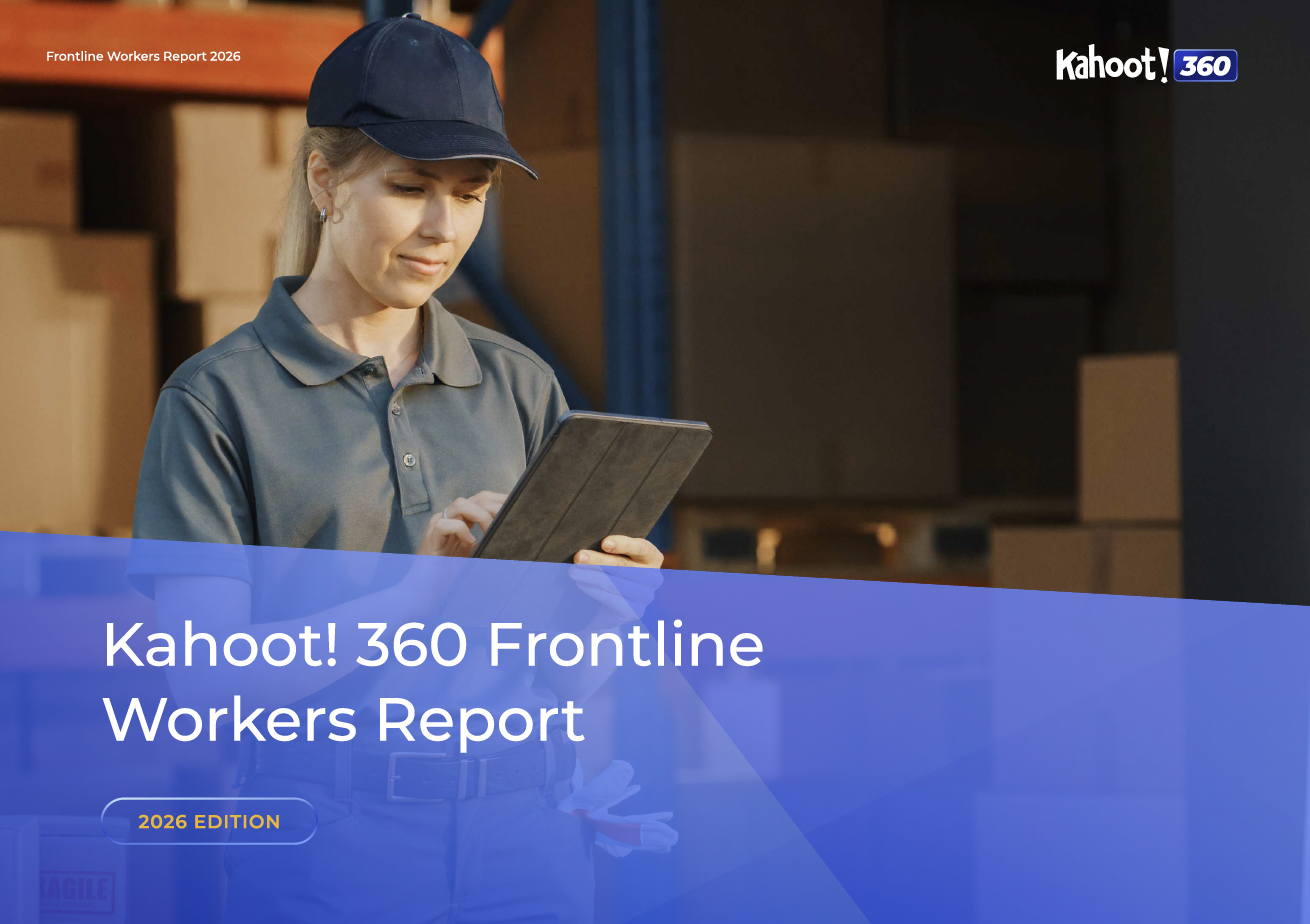
Workplace strategists point out that empowering the frontline is no longer merely an HR initiative; it is a core business strategy. Organizations that bridge the gap between leadership and the frontline cultivate cultures of psychological safety, high performance, and deep institutional loyalty. Conversely, companies that maintain rigid, top-down hierarchies devoid of continuous learning support will find themselves perpetually crippled by recruitment costs and institutional brain drain.
Future Outlook: From One-Off Training Days to Continuous Learning Support
To survive and thrive in an increasingly competitive landscape, organizations must fundamentally re-engineer how they support, train, and engage their frontline personnel. The era of the annual compliance module or the one-off, check-the-box training day is officially over.
The Imperative of Agility and Continuous Learning
Frontline environments are characterized by unpredictability. Workers must make rapid decisions, act independently, and adapt to shifting operational needs in real time. Consequently, ready access to knowledge, micro-learning modules, and peer-to-peer support is no longer a luxury—it is an operational necessity.
The organizations achieving breakthrough results in retention, performance, and customer satisfaction are those weaving learning directly into the fabric of the daily workflow. Rather than pulling employees away from their duties for exhausting multi-day seminars, forward-thinking enterprises are adopting modern workforce engagement ecosystems.
Empowering the Workforce with Kahoot! 360
Platforms like Kahoot! 360 are leading this transformation, providing the ultimate infrastructure for modern workforce engagement, communication, and micro-learning. By breaking down complex information into digestible, interactive formats, Kahoot! 360 enables organizations to deliver training that employees can access anywhere—whether on a mobile device in a breakroom, a tablet on the shop floor, or a smartphone between patient visits.
Key strategies organizations are deploying through these advanced platforms include:
- Asynchronous Micro-Learning: Allowing workers to complete bite-sized training modules at their own pace, fitting education seamlessly into their demanding schedules without disrupting operational flow.
- Interactive Live Sessions: Fostering team connection, alignment, and collaborative problem-solving through gamified live sessions that boost knowledge retention and morale.
- Continuous Feedback Loops: Utilizing built-in communication tools to listen to frontline feedback, address emerging pain points instantly, and ensure workers feel heard by corporate leadership.
Charting the Path Ahead
The message of the Kahoot! 360 Frontline Workers Report is unequivocal: the resilience of our everyday infrastructure depends entirely on the resilience and capability of the workers who maintain it. By shifting from reactive neglect to proactive, continuous investment in professional growth, organizations can transform their frontline teams from a high-turnover liability into their greatest competitive advantage.
To explore the full data, uncover deeper industry insights, and learn how your organization can power up frontline performance, engagement, and retention today, read the complete Kahoot! 360 Frontline Workers Report and discover how solutions like Kahoot! 360 are redefining the future of work.

