
EXECUTIVE OVERVIEW
As the winter season settles in, educators, parents, and youth development specialists face a recurring behavioral phenomenon: a notable escalation in dysregulation among children and adolescents. The convergence of plummeting temperatures, shortened daylight hours, disrupted academic routines, and the anticipatory stress of extended holiday breaks places significant pressure on a young person’s emotional infrastructure.
Self-regulation—the foundational capacity to effectively manage thoughts, navigate complex emotions, and modulate behavioral responses—is essential for classroom engagement, peer collaboration, and daily functioning. While these competencies are critical year-round, their urgency spikes during the winter months. Increased indoor confinement, reduced physical activity, and environmental overstimulation can push young minds past their tipping points.
Fortunately, mental health researchers and educators emphasize that cultivating these executive functioning and emotional control skills does not require clinical interventions. Instead, they can be seamlessly integrated into daily routines through creative, winter-themed programming. This comprehensive report examines the underlying mechanisms of winter dysregulation and outlines ten engaging, evidence-backed activities designed to help children and teens anchor their emotions, center their focus, and foster resilience throughout the coldest months of the year.
DETAILED CHRONOLOGY & CONTEXT: THE WINTER DYSREGULATION CYCLE
Understanding why winter triggers behavioral shifts requires examining the interplay between seasonal changes and child development. The timeline of the winter academic term typically follows a predictable trajectory of escalation, intervention, and recovery:
Phase 1: The Late Autumn Transition (November to Early December)
As weather patterns shift and outdoor recess is frequently curtailed by cold, rain, or snow, children experience an immediate restriction in physical kinetic output. The sudden confinement indoors limits natural dopamine and serotonin production associated with open-air play and sunlight exposure. Concurrently, anticipation surrounding major holiday milestones introduces low-grade anxiety, disrupting sleep hygiene and executive functioning.
Phase 2: The Pre-Break Peak (Mid-December)
Classroom structures begin to fracture under the weight of holiday assemblies, schedule changes, and heightened emotional contagion among peers. Educators frequently note a sharp increase in impulsive behaviors, emotional outbursts, and attention deficits during this window. During this phase, self-regulation strategies must shift from proactive skill-building to immediate crisis-mitigation and co-regulation.
Phase 3: The Post-Break Adjustment (January)
The return from winter break introduces its own set of neurological hurdles. Re-entering structured academic environments after weeks of irregular schedules causes systemic cognitive fatigue. Children often exhibit lethargy, irritability, and heightened resistance to transitions. Experts stress that the weeks immediately following winter break demand intentional, low-stress interventions to re-establish classroom norms without triggering panic or frustration.
SUPPORTING METRICS & PSYCHOLOGICAL FRAMEWORKS
Why do mindful, winter-themed activities work? The answer lies in neurobiology. Self-regulation relies heavily on the prefrontal cortex—the area of the brain responsible for impulse control, planning, and emotional regulation. When a child is stressed, fatigued, or overstimulated, the amygdala (the brain’s emotional survival center) hijacks the prefrontal cortex, leading to "fight, flight, or freeze" responses.
Evidence-based interventions activate the parasympathetic nervous system, signaling the body to exit the stress cycle and return to baseline. Research demonstrates that incorporating sensory-rich, mindful routines yields measurable benefits:
- Physiological Baseline Restoration: Intentional deep breathing exercises lower heart rates and decrease cortisol (stress hormone) circulation within minutes.
- Cognitive Reframing: Gratitude and visualization practices structurally rewire neural pathways, decreasing hyper-vigilance and cultivating emotional resilience.
- Kinesthetic Integration: Activities that combine movement with cognitive control (such as guided freeze games or tactile sensory bins) bridge the gap between physical energy expenditure and mental focus.
TEN ENGAGING WINTER ACTIVITIES FOR YOUTH SELF-REGULATION
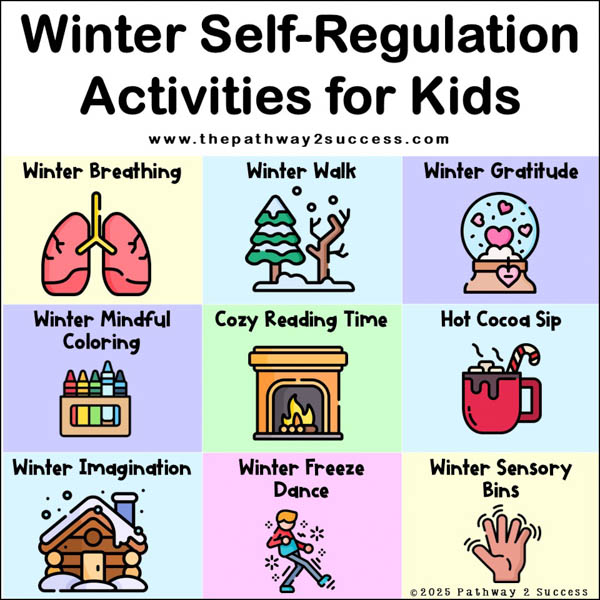
To bridge the gap between clinical theory and practical application, educators and parents can utilize the following ten structured, winter-themed activities. Each strategy is designed to engage distinct neural pathways, ensuring that children and teens build comprehensive self-regulation toolkits.
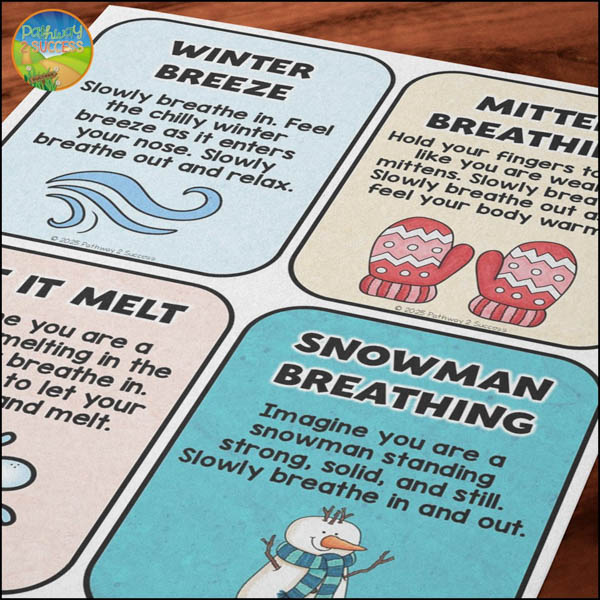
1. Winter Mindful Breathing Exercises
- The Concept: Deep, controlled breathing exercises tailored with winter imagery to calm the autonomic nervous system.
- Implementation: Introduce mindful breathing as a neurological "pause button." Instead of reacting impulsively to frustration, youth learn to track their inhales and exhales. Utilize specialized winter breathing cards or exercises that guide students to imagine blowing out a birthday candle on a frosty morning or tracing the contours of a snowflake while breathing slowly.
- The Science: Deep breathing directly stimulates the vagus nerve, immediately activating the parasympathetic nervous system to lower blood pressure, reduce muscle tension, and restore cognitive clarity.
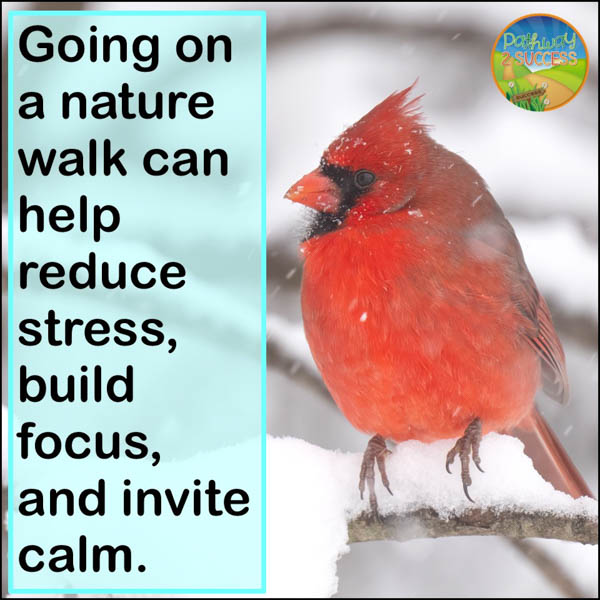
2. Outdoor Nature Walks and Sensory Grounding
- The Concept: An intentional outdoor exploration focused on the immediate environment using all five senses.
- Implementation: Establish clear safety and behavioral expectations before heading outside into the cold air. Encourage children to notice specific sensory details: the crisp bite of the breeze, the crunch of frozen ground beneath their boots, or the stark outline of bare branches against a winter sky. Follow up the walk with a brief reflection or journaling session.
- The Science: Exposure to natural light and outdoor environments regulates circadian rhythms, boosts vitamin D levels, and has been clinically proven to reduce rumination and strengthen attention spans.
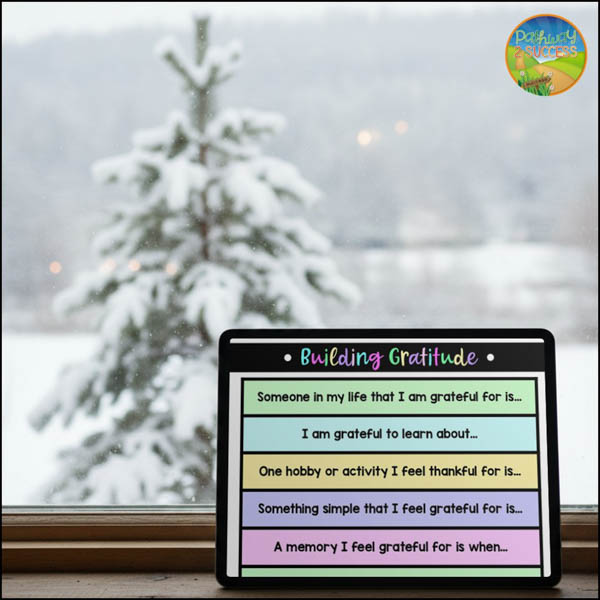
3. Seasonal Gratitude Reframing
- The Concept: Structured reflection focusing on appreciation for the unique aspects of the winter season.
- Implementation: Begin by brainstorming visible and invisible winter comforts on a shared board—hot cocoa, crisp air, time with family, or the warmth of sunshine on a cold day. Utilize structured sentence starters and low-pressure journal writing to help children dig deeper into personal appreciations.
- The Science: Practicing gratitude systematically shifts cognitive bias away from perceived threats or discomforts, promoting neuroplasticity that favors positive emotional regulation, resilience, and improved sleep quality.
4. Mindful Winter Coloring and Positive Self-Talk
- The Concept: Engaging in repetitive, creative coloring exercises integrated with uplifting affirmations.
- Implementation: Provide winter-themed coloring pages featuring positive self-talk phrases alongside a variety of media (colored pencils, crayons, gel pens). Emphasize that the objective is not artistic perfection, but rather the meditative act of slowing down, breathing, and focusing on the present moment.
- The Science: Coloring offers a tactile, low-stakes avenue for mindfulness. Because it does not demand the absolute stillness of traditional meditation, it serves as an invaluable self-regulation tool for kinesthetic learners and children who require minor movement to focus.
5. Cozy Reading Time and Co-Regulation
- The Concept: Immersive literature engagement designed to foster deep stillness and emotional connection.
- Implementation: Create a cozy environment—complete with low lighting or a digital fireplace display—and engage children in silent independent reading or group read-aloud sessions. Read-alouds offer the added benefit of co-regulation, allowing adults and children to share a synchronized emotional experience.
- The Science: Deep reading acts as a cognitive escape hatch from daily stressors, measurably lowering heart rates, easing skeletal muscle tension, and cultivating long-term empathetic capacity.
6. Winter-Themed Sensory Bins
- The Concept: Hands-on tactical exploration using winter-associated objects and materials.
- Implementation: Fill deep bins with safe, sensory-rich items such as artificial snow, cotton balls, pinecones, plastic arctic animals, smooth ice-like glass beads, and cinnamon sticks. Allow children unstructured time to scoop, sort, and touch.
- The Science: Tactile play provides necessary proprioceptive and vestibular input, helping children with sensory-processing needs ground their bodies, organize erratic energy, and improve fine motor focus.
7. The Mindful "Hot Cocoa Sip"
- The Concept: Transforming a comforting winter treat into a formal mindfulness practice.
- Implementation: Serve warm cups of hot cocoa (or any preferred warm beverage) and guide participants through a multi-sensory experience. Instruct them to hold the warm mug, feel its weight, inhale the rich aroma, and take deliberate, micro-paced sips, paying close attention to temperature, texture, and taste.
- The Science: The combination of warmth and deliberate pacing signals safety to the central nervous system, relaxing muscle fiber groups and grounding scattered thoughts in immediate bodily sensations.
8. Guided Winter Scene Visualization
- The Concept: Mental imagery exercises designed to transport participants to serene, imaginary winter environments.
- Implementation: Guide children to close their eyes and walk through a relaxing mental landscape—such as a quiet, snow-covered forest, a peaceful cabin window during a gentle snowfall, or an icy mountain peak under a clear blue sky. Prompt them using sensory anchors: sights, sounds, smells, and tactile sensations.
- The Science: Guided imagery utilizes the brain’s neuroplasticity, allowing the central nervous system to experience physiological calming responses identical to those produced by actual physical relaxation.
9. Winter-Themed Creative Crafts
- The Concept: Hands-on art and construction projects that require step-by-step attention and fine motor control.
- Implementation: Offer structured or open-ended winter craft sessions where participants build snowflakes, paper-chain countdowns, or nature-based sculptures. Encourage patience when designs do not go according to plan.
- The Science: Crafting engages fine motor networks while demanding executive functioning skills. Navigating minor frustrations during the creative process builds frustration tolerance and emotional endurance.
10. Winter Freeze Dance and Movement Control
- The Concept: A high-energy kinetic game that pairs musical enjoyment with rapid impulse control.
- Implementation: Play upbeat winter-themed or instrumental music, allowing children to dance freely. Periodically stop the music or introduce a specific "freeze word" (such as blizzard or icicle), requiring children to instantly halt all physical movement.
- The Science: Freeze games are premier tools for developing inhibitory control—the executive function that allows humans to stop an impulse mid-action. This playful exercise directly strengthens the neural pathways responsible for behavioral self-regulation.
OFFICIAL STATEMENTS & EXPERT PERSPECTIVES
Child development specialists continue to emphasize that emotional regulation is a learned developmental milestone, not an innate trait that children automatically master without guidance.
"When we look at children struggling with behavior during the winter months, we are rarely looking at willful defiance," notes a leading behavioral health specialist. "Instead, we are observing a nervous system overwhelmed by environmental shifts, reduced physical outlets, and sensory fatigue. Providing structured, playful tools like mindful breathing or sensory bins does not coddle children—it gives them the literal neurological scaffolding they need to self-correct and thrive."
Educational psychologists further underscore the importance of adult co-regulation. Children borrow the calm of the adults around them. By participating alongside youth in activities like mindful coloring, hot cocoa pacing, or nature walks, adults model healthy emotional processing and build relational trust that defuses behavioral crises before they escalate.

FUTURE OUTLOOK: CULTIVATING YEAR-ROUND RESILIENCE
As institutional awareness of Social-Emotional Learning (SEL) expands, the integration of seasonal self-regulation frameworks is shifting from an optional luxury to an essential component of holistic youth development. Schools, community centers, and families are recognizing that emotional health is inextricably linked to academic achievement and social well-being.
Looking ahead, proactive programming that anticipates seasonal stressors will remain vital. By normalizing mindfulness, sensory integration, and emotional check-ins as regular parts of the winter routine, adults empower children and teens to transform seasonal challenges into opportunities for growth. Equipping youth with these robust coping mechanisms ensures they do not merely survive the winter months, but emerge from them stronger, more centered, and better prepared to navigate the complexities of an evolving world.

