As the winter season descends, educators, parents, and mental health professionals face a predictable yet formidable challenge: a sharp spike in emotional dysregulation among children and adolescents. The convergence of disrupted daily routines, extended periods of indoor confinement, shifting weather patterns, and the anticipation of holiday breaks creates a pressurized environment that tests the limits of youth coping mechanisms. Self-regulation—the cornerstone developmental ability to effectively monitor and manage thoughts, feelings, and behaviors—becomes heavily strained during these colder months.
When self-regulation falters, the ripple effects are felt instantly in classrooms and households alike. Children may exhibit diminished task focus, heightened emotional volatility, increased impulsivity, and difficulties in maintaining positive peer interactions. Recognizing this seasonal vulnerability, behavioral specialists emphasize that addressing these challenges requires proactive, structured, and—crucially—enjoyable interventions.
Recent pedagogical frameworks advocate for embedding self-regulation training directly into daily winter routines. By leveraging seasonal themes, educators and caregivers can transform abstract emotional concepts into tangible, engaging experiences. This comprehensive report explores a curated spectrum of ten evidence-based, highly engaging winter activities designed to bolster self-regulation skills in children and teens. Backed by psychological research and tailored for practical implementation, these strategies offer a roadmap for maintaining emotional equilibrium, fostering resilience, and turning the winter blues into an opportunity for profound emotional growth.
1. Detailed Chronology: Recognizing and Responding to Winter’s Emotional Shifts
Understanding when and why children struggle with self-regulation during the colder months requires examining the seasonal timeline. The manifestation of behavioral changes does not happen overnight; rather, it follows a distinct chronological progression from late autumn through the heart of winter.
Phase One: The Pre-Break Build-Up (Late November to Mid-December)
As autumn transitions into winter, the impending holiday break introduces a subtle yet pervasive sense of unpredictability. Schedules shift to accommodate special events, pageants, and family gatherings. For children—particularly those who thrive on consistency—this erosion of predictable routines triggers anticipatory anxiety. Behavioral indicators during this window often include restlessness, difficulty transitioning between tasks, and heightened sensitivity to minor frustrations.
Phase Two: The Deep Winter Indoor Transition (January and February)
Once the holidays conclude and the reality of prolonged indoor confinement sets in, a different set of psychological pressures emerges. Reduced exposure to natural sunlight and limited opportunities for vigorous outdoor play can lead to physical lethargy coupled with mental restlessness. During this phase, educators frequently report a dip in sustained attention spans and an increase in peer conflicts within confined classroom spaces.
Phase Three: The Post-Break Readjustment
Returning to school or structured routines after a prolonged winter break demands a significant cognitive and emotional gear-shift. Children are suddenly expected to re-engage with early wake-up times, academic demands, and strict behavioral parameters. Without intentional scaffolding, this abrupt shift often results in cognitive fatigue and emotional meltdowns.
To counter this chronological pressure cooker, adults must implement targeted interventions at each stage, ensuring that self-regulation strategies are deployed not merely as reactive punishments, but as foundational, daily practices.
2. Supporting Context & Metrics: The Science of Winter Self-Regulation
To appreciate why specific activities succeed in fostering emotional regulation, one must examine the underlying neurological and physiological mechanisms at play.
The Neurobiology of Mindfulness and Breathing
At the core of emotional self-regulation lies the autonomic nervous system. When children face stress, change, or sensory overload, their sympathetic nervous system ("fight or flight") kicks into high gear. Winter-themed mindful breathing exercises serve as an immediate neural brake. By encouraging slow, deliberate inhales and exhales, children stimulate the vagus nerve, activating the parasympathetic nervous system. This physiological shift lowers heart rates, reduces cortisol production, and signals to the brain that the body is safe. Research consistently demonstrates that regular breathing practices measurably enhance executive functioning, working memory, and impulse control in youth.
The Biophilia Hypothesis and Outdoor Exposure
Environmental psychology provides robust metrics regarding the benefits of nature immersion. The "biophilia hypothesis" suggests that humans possess an innate tendency to seek connections with nature and other forms of life. Studies show that even brief exposures to natural environments—such as a structured winter nature walk—significantly reduce physiological markers of stress, restore depleted attention capacities, and elevate baseline moods. In winter, when outdoor time is naturally restricted, intentional incorporation of natural elements becomes a vital mental health buffer.
The Power of Tactile and Sensory Engagement
Sensory processing plays an intrinsic role in emotional regulation. Occupational therapists note that tactile exploration—through winter-themed sensory bins, warm beverage rituals, or hands-on crafting—provides controlled proprioceptive and vestibular input. This sensory grounding helps children process overwhelming internal or external stimuli, anchoring them firmly in the present moment and redirecting scattered energy into purposeful focus.
3. Ten Engaging Winter Activities for Building Self-Regulation
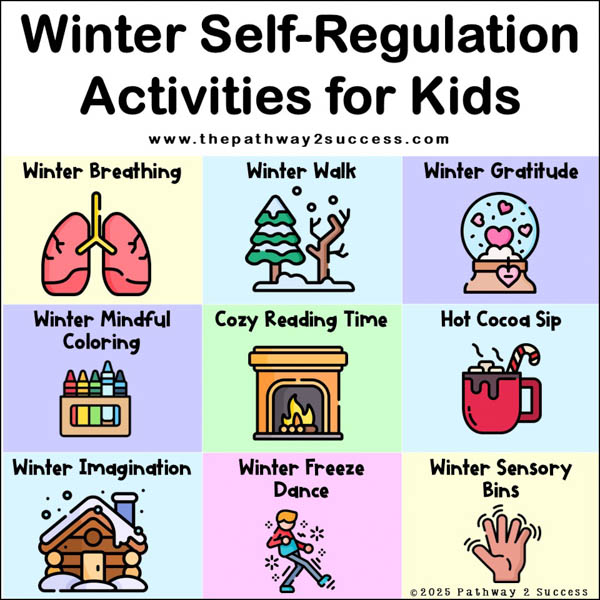
Implementing self-regulation strategies does not require clinical sterility; rather, the most effective interventions are seamlessly woven into playful, seasonal experiences. Below are ten comprehensive activities designed to support children and teens through the winter months.
I. Winter Breathing Activities
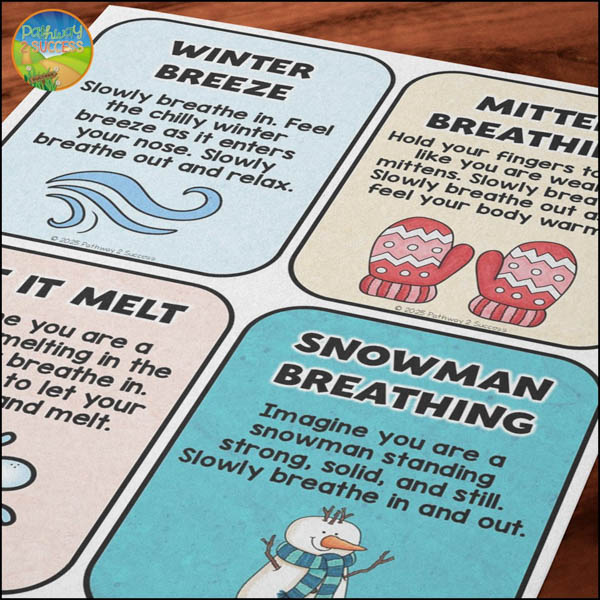
What it is: Structured deep-breathing exercises paired with engaging, winter-themed imagery (e.g., imagining blowing out a candle on a warm holiday treat or tracing the frosty edges of a snowflake while breathing).
Implementation: Introduce mindful breathing as a neurological "pause button." Explain to children that instead of impulsively reacting to strong feelings, they can use their breath to reset. Utilize visual prompt cards featuring winter motifs to guide pacing.
The Mechanism: Activates the parasympathetic nervous system, inducing a state of physiological calm and preparing the brain for focused learning.
II. Outdoor Nature Walks
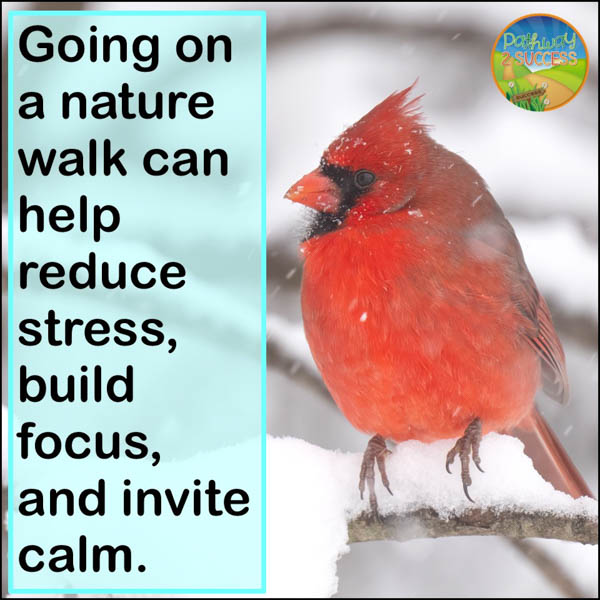
What it is: Guided exploration walks focused entirely on sensory awareness—noticing what can be seen, heard, felt, and smelled in a chilly winter landscape.
Implementation: Establish clear boundaries before heading out. Encourage students to observe details they might otherwise miss, such as the texture of frozen bark, the contrast of a grey sky, or the crisp sensation of cold air. Follow up with reflective writing or group sharing.
The Mechanism: Leverages nature’s restorative properties to reduce stress, combat seasonal lethargy, and improve overall mood through fresh air and mild physical exertion.
III. Winter Gratitude Practices
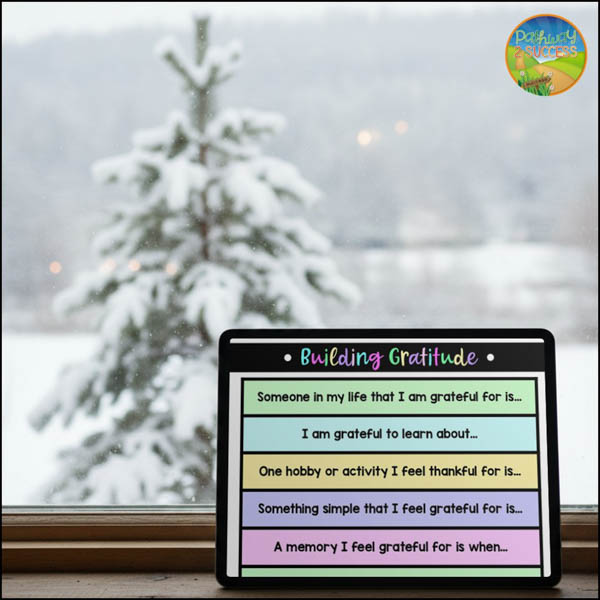
What it is: Intentional reflection sessions focused on identifying and appreciating specific positive aspects of the winter season.
Implementation: Move beyond generic statements by encouraging deep specificity—such as being grateful for the warmth of sunlight piercing through a cold window pane or the comfort of a heavy winter blanket. Employ gratitude sentence starters or dedicated journaling prompts.
The Mechanism: Rewires neural pathways to scan for positive stimuli, effectively building psychological resilience, improving sleep hygiene, and dampening anxiety.
IV. Mindful Winter Coloring
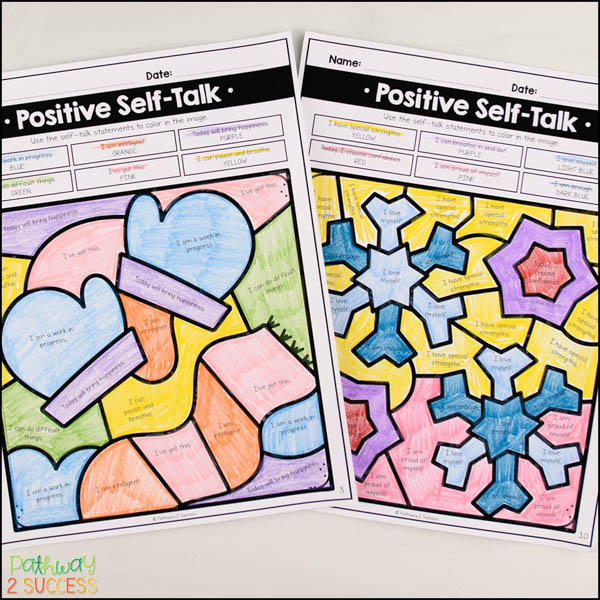
What it is: Quiet artistic sessions utilizing winter-themed coloring pages infused with positive self-talk phrases.
Implementation: Provide an array of colored pencils, crayons, and markers. Emphasize that the objective is not artistic perfection, but rather rhythmic, slow-paced relaxation.
The Mechanism: Serves as an evidence-based anxiety reducer. Unlike seated meditation, coloring accommodates children who require mild motor movement to achieve internal stillness.
V. Cozy Reading Time
What it is: Immersive, quiet reading sessions set against a backdrop of calming auditory and visual cues, such as a projected fireplace loop.
Implementation: Allow students to engage in independent silent reading or participate in a shared read-aloud. Read-alouds offer the added benefit of co-regulation, allowing a group to sync their emotional rhythms with an adult narrator.
The Mechanism: Lowers heart rates, eases muscle tension, and builds empathy while offering a healthy cognitive escape from daily stressors.
VI. Winter Sensory Bins
What it is: Tactile exploration stations filled with winter-themed items housed within large containers.
Implementation: Fill bins with safe, sensory-rich materials such as fake snow, polished blue glass gems, pinecones, cinnamon sticks, and miniature arctic animal figurines. Allow children to scoop, sort, and touch freely.
The Mechanism: Engages tactile processing to ground anxious minds, enhance fine motor control, and stimulate creative storytelling and curiosity.
VII. The Mindful Hot Cocoa Sip
What it is: A slow, multi-sensory exercise centered around consuming a warm beverage.
Implementation: Guide students to hold the mug to feel its heat, inhale the rich aroma, and take deliberate, micro-sips, pausing between each taste to evaluate the experience. (This can be adapted using any warm food or drink).
The Mechanism: Combines mindfulness with physiological relaxation. Warm beverages signal the central nervous system to unwind and release muscular tension.
VIII. Winter Scene Imagination (Visualization)
What it is: Guided mental imagery exercises where children close their eyes and mentally construct a serene winter landscape.
Implementation: Lead participants using evocative sensory prompts: What does the snow look like? What sounds echo through the quiet woods? Guide them through deep relaxation scripts tailored to snowy cabins, frozen lakes, or starlit winter nights.
The Mechanism: Trains the brain to utilize visualization as an internal self-soothing tool, shifting neurological activity from chaotic reactivity to calm introspection.
IX. Winter Crafts and Hands-On Art
What it is: Open-ended or structured creative projects utilizing seasonal motifs.
Implementation: Provide craft supplies for building paper snowflakes, yarn weaving, or clay sculptures. Balance guided instructions with creative freedom, allowing children to navigate minor artistic frustrations.
The Mechanism: Engages fine motor skills while functioning as an emotional crucible; children practice emotional regulation in real time when their crafts do not turn out exactly as planned.
X. Winter Freeze Dance and Music
What it is: Dynamic movement games paired with gentle instrumental or winter-themed music, featuring sudden pauses where children must freeze upon hearing specific cue words.
Implementation: Play upbeat or ambient winter music, allowing children to move their bodies freely. Introduce specific vocabulary triggers (e.g., "blizzard" or "icicle") that require an immediate physical halt.
The Mechanism: Combines aerobic release with rigorous impulse control training, teaching the nervous system how to rapidly transition between high activity and absolute stillness.
4. Official Statements & Expert Perspectives
Educational psychologists and child development advocates emphasize that teaching self-regulation is not an optional luxury, but a fundamental prerequisite for academic and social success.
"Self-regulation is the engine that drives learning, emotional health, and social connection," notes Dr. Elizabeth Vance, a leading researcher in childhood behavioral development. "During the winter months, when external stressors multiply, children cannot simply be expected to ‘behave better.’ They require explicit, compassionate instruction in how to manage their internal states. When we introduce playful mindfulness, sensory grounding, and deliberate breathing into the daily curriculum, we hand children the keys to their own emotional autonomy."
Educators on the front lines echo these sentiments, noting an immediate correlation between structured self-regulation breaks and decreased behavioral referral rates during the challenging post-holiday weeks. By shifting the pedagogical paradigm from punitive control to proactive regulation, schools and families can transform winter from a season of friction into a crucible for emotional resilience.
5. Future Outlook: Sustaining Emotional Health Beyond Winter
As educational institutions and parenting philosophies evolve, the integration of year-round social-emotional learning (SEL) is gaining permanent traction. However, the unique pressures of the winter season serve as an invaluable diagnostic and training ground.
Looking forward, experts recommend that schools and communities institutionalize these winter self-regulation practices as part of a comprehensive, multi-tiered system of support. By normalizing practices such as mindful breathing, sensory check-ins, and gratitude reflections during high-stress seasons, adults equip children with lifelong psychological toolkits.
Ultimately, mastering self-regulation amidst the chill of winter prepares youth to navigate the inevitable storms of life with grace, focus, and enduring emotional stability. The investment made in these ten engaging activities yields dividends that extend far beyond the classroom doors, shaping resilient, self-aware individuals prepared for any season.