
Executive Overview
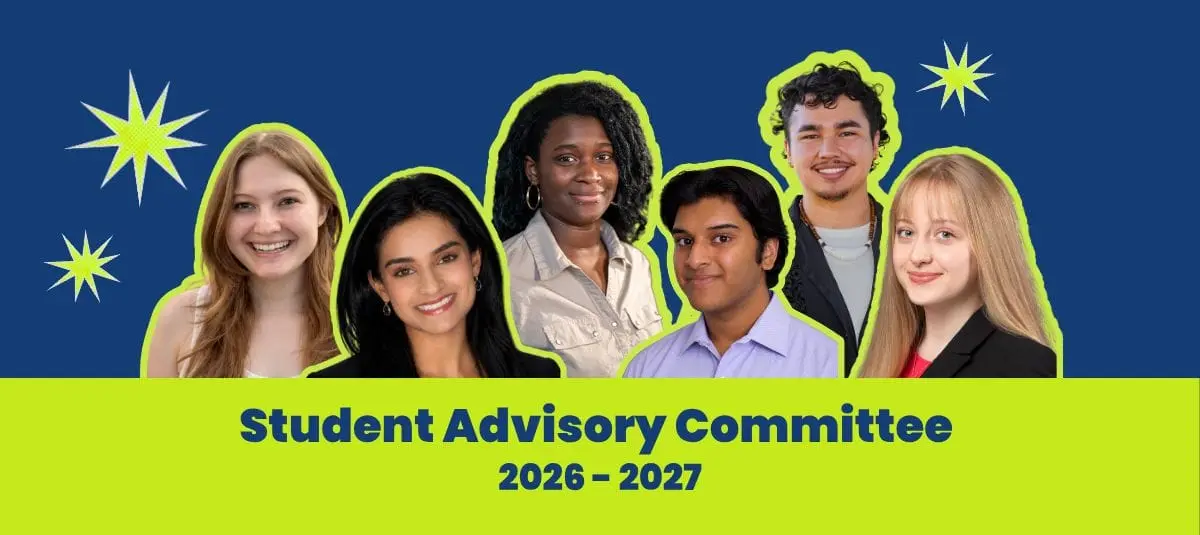
In an era defined by soaring rates of anxiety, depression, and systemic burnout among young adults, youth-led advocacy has emerged as a vital pillar of public health reform. At the forefront of this movement is Active Minds, the nation’s premier nonprofit organization supporting mental health awareness and education for students. The organization has officially announced its incoming cohort for the 2026–2027 Student Advisory Committee (SAC).
Comprising a carefully selected roster of dedicated undergraduate leaders from universities across the United States, the SAC serves as the national voice for Gen Z mental health activists. These young leaders do more than represent their peers; they act as strategic advisors to Active Minds’ national staff, shaping initiatives ranging from campus chapter management and community-building frameworks to national conference planning and programmatic promotion.
The 2026–2027 cohort steps into their roles at a critical juncture. As higher education institutions grapple with unprecedented strains on student counseling centers and structural barriers to care, this new generation of changemakers brings a sophisticated blend of academic rigor, legislative advocacy, and grassroots organizing. From applying artificial intelligence to mood disorder research to founding campus mental health initiatives, the members of the 2026–2027 SAC embody a multi-disciplinary approach to wellness that bridges clinical science, public policy, and community care.

Detailed Chronology & Background: The Evolution of Student-Led Advocacy
To understand the significance of the 2026–2027 Student Advisory Committee, one must examine the institutional evolution of Active Minds and the broader youth mental health movement. Founded two decades ago, Active Minds recognized a glaring gap in how mental health was addressed on college campuses: traditional administrative approaches often lacked the peer-to-peer resonance necessary to dismantle stigma effectively.
The Birth of the Student Voice
As the organization’s network expanded into hundreds of high school and college chapters nationwide, the need for a centralized, representative student body became paramount. The Student Advisory Committee was established to institutionalize the student perspective within Active Minds’ national governance. Over the years, the SAC has transitioned from a consultative panel into an active engine of national policy and media advocacy.
The 2026–2027 Selection and Induction Milestones
The path to the 2026–2027 cohort involved a rigorous national application and review process, evaluating candidates not only on their campus leadership but also on their contributions to public health research, healthcare equity, and systemic advocacy.

- Phase I: National Nominations and Chapter Audits (Spring 2026): Candidates from hundreds of Active Minds chapters submitted portfolios detailing their campus programming, local policy interventions, and personal advocacy philosophies.
- Phase II: Panel Evaluations and Leadership Appraisals (Summer 2026): National staff and alumni advisors conducted comprehensive interviews focusing on strategic vision, community engagement, and crisis-response familiarity.
- Phase III: Official Induction and Strategic Orientation (Fall 2026): The cohort officially assumed their mandates, immediately beginning advisory work on national campaigns, congressional briefings, and upcoming conference programming.
Meet the 2026–2027 Student Advisory Committee Cohort
The six student leaders selected for the 2026–2027 SAC represent a diverse cross-section of geographic regions, academic disciplines, and lived experiences. Their collective biographies illustrate a profound commitment to redefining mental health infrastructure.
Kailani Goggans (Salem College)
- Academic Focus: Psychological Science & Public Health
- Leadership Roles: President, Active Minds Salem College; Students for Reproductive Freedom; Siblings Demand Justice
Kailani Goggans approaches mental health through the lens of intersectional community care and structural policy. Serving as the President of multiple high-impact campus organizations at Salem College, Goggans has dedicated her undergraduate career to mobilizing peers around wellness, reproductive rights, and systemic justice. Her academic trajectory is equally ambitious; she intends to pursue a dual MD and Master’s in Public Health degree. Her goal is to bridge clinical medical practice with community-level policy action, ensuring that future healthcare delivery is inherently trauma-informed and accessible. Outside of her advocacy and demanding coursework, Goggans finds balance in indoor cycling, video gaming, and caring for her animals.
Dionisio (Dio) Taitano-Samora (Colorado State University Pueblo)
- Academic Focus: Public Health with minors in Spanish and Leadership Studies
- Leadership Roles: Youth Advisory Board Member, Young Invincibles (Colorado); Alumnus of The Hub for Youth Centered Engagement
As a first-generation Chicano-CHamoru student at Colorado State University Pueblo, Dionisio "Dio" Taitano-Samora brings a vital perspective on equity, representation, and systemic reform to the SAC. Taitano-Samora leverages his extensive background with statewide and national advocacy organizations—including Young Invincibles—to champion policies that enhance young adults’ access to healthcare, workforce support, and mental health resources. His academic research aims to investigate the intersections between access to STEM education and public health outcomes, striving to dismantle the barriers that prevent students of color from thriving in higher education. In his personal time, Taitano-Samora enjoys hiking, exploring culinary recipes, and language learning.

Rhea Makkuni (Johns Hopkins University)
- Academic Focus: Molecular and Cellular Biology and Computer Science
- Leadership Roles: President, Active Minds at Johns Hopkins University; Researcher, PALS Lab (Johns Hopkins School of Medicine)
Rhea Makkuni sits at the cutting-edge intersection of technology, biological science, and mental health advocacy. At Johns Hopkins, Makkuni conducts pioneering research in the PALS Lab, applying artificial intelligence methodologies to the study and diagnosis of mood disorders. As President of the university’s Active Minds chapter, she leads grassroots initiatives that confront global mental health challenges head-on—tackling systemic issues such as fragmented care systems, resource navigation barriers, and persistent societal stigmas. Makkuni’s dual background in hard sciences and student leadership allows her to advocate for evidence-based mental health policies grounded in both clinical data and human empathy. When she is not in the lab or leading chapter meetings, Makkuni enjoys biking, singing, dancing, and spending time with friends.
Amy Senkerik (Barrett, the Honors College at Arizona State University)
- Academic Focus: Biological Science and Global Health with a certificate in Evolutionary Medicine
- Leadership Roles: American Foundation for Suicide Prevention; ASU Counseling Services Outreach Team; Refugee Education and Clinic Team
Amy Senkerik’s commitment to public health and suicide prevention spans local, national, and international spheres. A scholar at Barrett, the Honors College at ASU, Senkerik’s impressive resume includes working as an Emergency Medical Technician, conducting cancer-neuroscience research at the Mayo Clinic and Cedars-Sinai, and completing research fellowships at Harvard Medical School and the University of Toronto as a Fulbright Scholar. Within the mental health sphere, Senkerik was a participant in the Active Minds Mental Health Advocacy Institute and served as a featured speaker at the Active Minds Congressional Briefing in Washington, D.C. A marathon runner (having completed the 2024 TCS New York City Marathon) and global health scholar who has studied abroad in Australia, Senkerik aims to practice as a physician operating at the critical nexus of clinical practice, mental health research, and legislative policy.
Arjun Nair (Virginia Commonwealth University)
- Academic Focus: Biology (Guaranteed Medical Admissions Program)
- Leadership Roles: President, Active Minds at VCU; Student Advisory Board Member, American Academy of HIV Medicine
Arjun Nair represents the next generation of compassionate medical professionals dedicated to holistic patient care. Enrolled in VCU’s prestigious Guaranteed Medical Admissions Program, Nair serves as President of Active Minds at VCU, where he spearheads initiatives designed to destigmatize mental health conversations, promote proactive self-care, and deepen student engagement. Professionally, Nair focuses on advancing support systems for individuals struggling with substance use disorders, alongside advocating for comprehensive HIV prevention frameworks within behavioral health settings. As a member of the Student Advisory Board for the American Academy of HIV Medicine and an active researcher in behavioral health access, Nair utilizes his platform on the Active Minds SAC to strengthen inter-chapter connectivity and empower youth to become local health champions.

Ivanna Sintes-Klein (The University of Texas at Austin)
- Academic Focus: Health Promotion and Behavioral Science with a minor in Health Communication
- Leadership Roles: Chapter Founder and President, Teddy Bear Hospital USA at UT; Longhorn SHARE Support Specialist; Student Health Advisory Committee Representative
Ivanna Sintes-Klein brings a wealth of institutional organizing experience to the committee. A student at The University of Texas at Austin—and the founder of Bobcat C.A.R.E., the premier mental health advocacy organization at her previous institution, Texas State University—Sintes-Klein is deeply experienced in building supportive campus ecosystems from the ground up. At UT Austin, she serves as a Longhorn SHARE Support Specialist, providing peer support and mental health first aid, while also representing students on the Student Health Advisory Committee. Certified in peer support methodologies and health communication, Sintes-Klein is dedicated to making mental health resources universally accessible and reducing the intimidation factors associated with seeking clinical assistance. In her free time, she enjoys playing pool and writing poetry.
Supporting Context & Metrics: The State of Gen Z Mental Health
The appointment of the 2026–2027 SAC occurs against a backdrop of documented urgency within higher education. According to longitudinal data compiled by the Healthy Minds Study and the American Psychological Association (APA):
- Surging Demand: Over 60% of college students meet the criteria for at least one mental health problem, marking a near-doubling of clinical distress metrics over the past decade.
- The Treatment Gap: While awareness has improved—largely due to peer-led campaigns by organizations like Active Minds—nearly 40% of students reporting severe psychological distress do not receive professional treatment, hindered by financial barriers, long wait times, and lingering institutional stigma.
- The Power of Peer Interventions: Studies consistently demonstrate that peer-led mental health programming increases help-seeking behaviors by upwards of 45% among undergraduate populations, validating the core methodology of the Active Minds Student Advisory Committee.
By positioning student leaders with direct ties to institutional research, public policy boards, and grassroots chapters, Active Minds ensures that national interventions are directly responsive to these empirical realities.

Official Statements and Institutional Vision
The leadership of Active Minds emphasizes that the SAC is not merely an advisory board, but a vital testing ground for the future of public health leadership.
"Powered by youth and young adults, the SAC is an integral part of the mental health work being done by thousands of Gen Z activists across the country," noted national program directors during the cohort’s rollout. "These individuals are not waiting for the future to fix our mental health crisis—they are actively engineering the solutions, conducting the research, and building the support systems we need right now."
Through media forums, national conferences, and direct consultations with organizational leadership, the 2026–2027 committee members will dictate how Active Minds allocates resources, designs campaigns, and advocates for legislative reform at both state and federal levels.

Future Outlook: Looking Ahead to 2027 and Beyond
As the 2026–2027 Student Advisory Committee commences its tenure, its agenda is both ambitious and sharply focused. Key strategic priorities for the upcoming term include:
- Expanding Digital and AI-Informed Advocacy: Leveraging technological insights—such as those explored by researchers like Rhea Makkuni—to understand and address the digital dimensions of modern youth mental health.
- Legislative Engagement: Building upon the successes of past congressional briefings to lobby for increased federal funding for campus counseling infrastructure and trauma-informed educational policies.
- Inter-Chapter Synergy: Strengthening communication pipelines across hundreds of high school and university Active Minds chapters to ensure rapid response sharing, resource distribution, and inclusive community building.
For campuses, administrators, and community members seeking to collaborate with their local student representatives or engage with national advocacy initiatives, Active Minds encourages outreach via [email protected].
The work of the 2026–2027 Student Advisory Committee signals a profound shift: mental health advocacy is no longer a passive conversation held behind closed doors. In the hands of this extraordinary cohort, it is an active, evidence-based, and compassionate movement shaping the future of public health nationwide.

