Blooming Minds: How Innovative "Color by Syllable" Programs Are Transforming Early Childhood Literacy
Iffa Jayyana September 26, 2026 25 views 0 Comments
Executive Overview
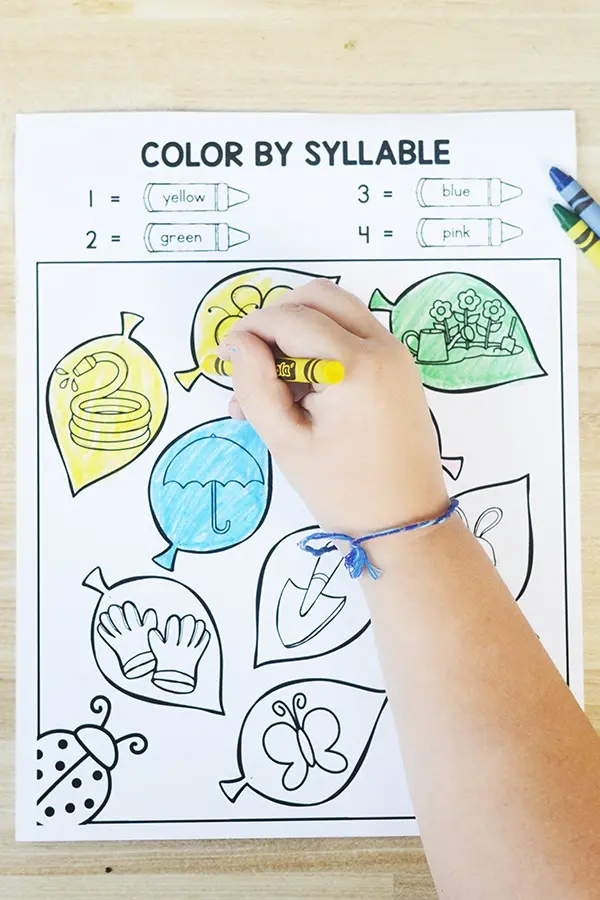
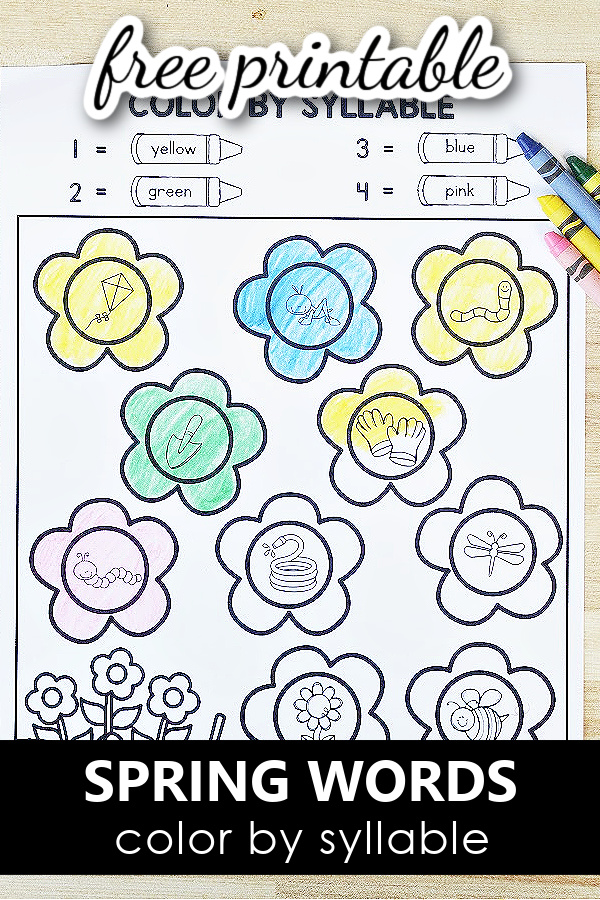
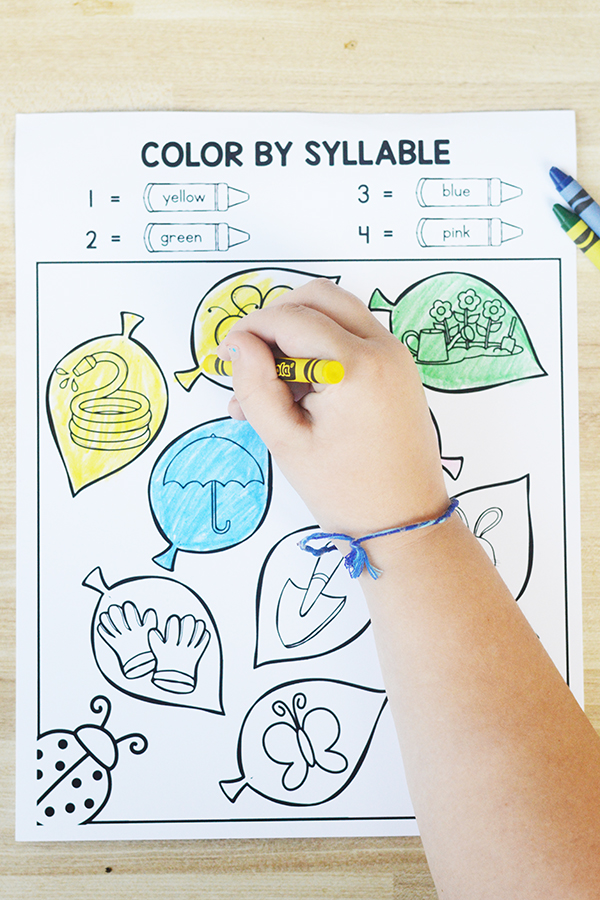
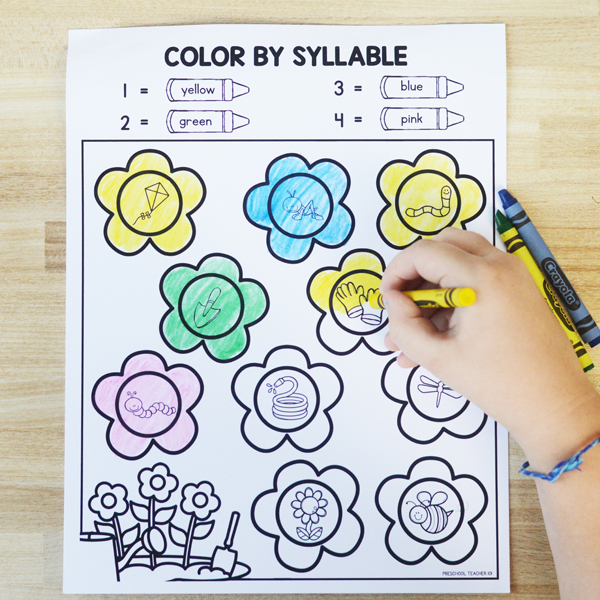
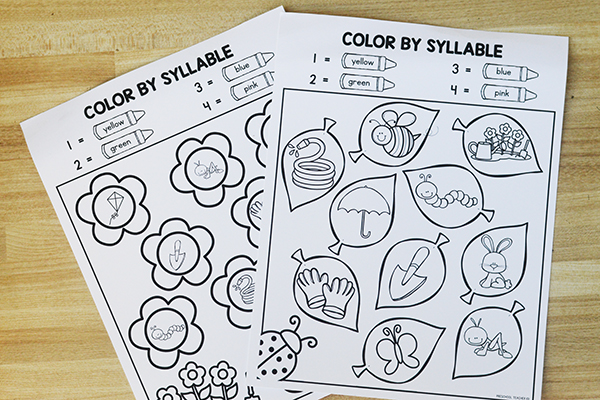
As early childhood educators and curriculum developers continually search for innovative ways to bridge the gap between play and foundational learning, a quiet revolution is taking place in pre-K and kindergarten classrooms across the country. At the forefront of this movement is the integration of phonological awareness into art-based, thematic learning tools. A prime example capturing the attention of educators is the newly released "Spring Color by Syllable" activity set, alongside its comprehensive year-round counterpart.
Designed specifically for preschool, pre-K, and kindergarten students, these no-prep literacy resources merge the classic appeal of "color-by-code" worksheets with the rigorous demands of the Science of Reading. By breaking down seasonal vocabulary words into individual, countable sound segments, young learners build critical pre-reading skills. This executive overview examines how these engaging, hands-on instructional tools are addressing pandemic-era learning gaps, fostering phonological awareness, and providing educators with flexible, low-stress resources for literacy centers, take-home practice, and fast finishers.
Detailed Chronology: The Evolution of Phonological Worksheets into Science-Backed Literacy Tools
To understand the significance of current phonological awareness tools, one must trace the trajectory of early childhood education over the past decade.
Phase 1: Rote Memorization to Multisensory Learning
Historically, early reading instruction relied heavily on rote memorization, flashcards, and basic phonics drills. While these methods taught children the alphabet, they often failed to build the underlying auditory processing skills necessary for true reading fluency. By the mid-2010s, educational researchers began emphasizing phonological awareness—the ability to recognize and manipulate spoken parts of sentences and words, such as syllables, onset-rimes, and phonemes.
Phase 2: The Rise of "Color-by-Code"
Simultaneously, teachers embraced "color-by-code" worksheets as an effective classroom management and fine-motor skill activity. These sheets required children to match numbers, letters, or basic shapes to specific colors, revealing a hidden picture. While popular, these early iterations were largely disconnected from comprehensive literacy instruction, serving more as busywork or time-fillers for fast finishers.
Phase 3: The Convergence of Art and the Science of Reading (2024–2025)
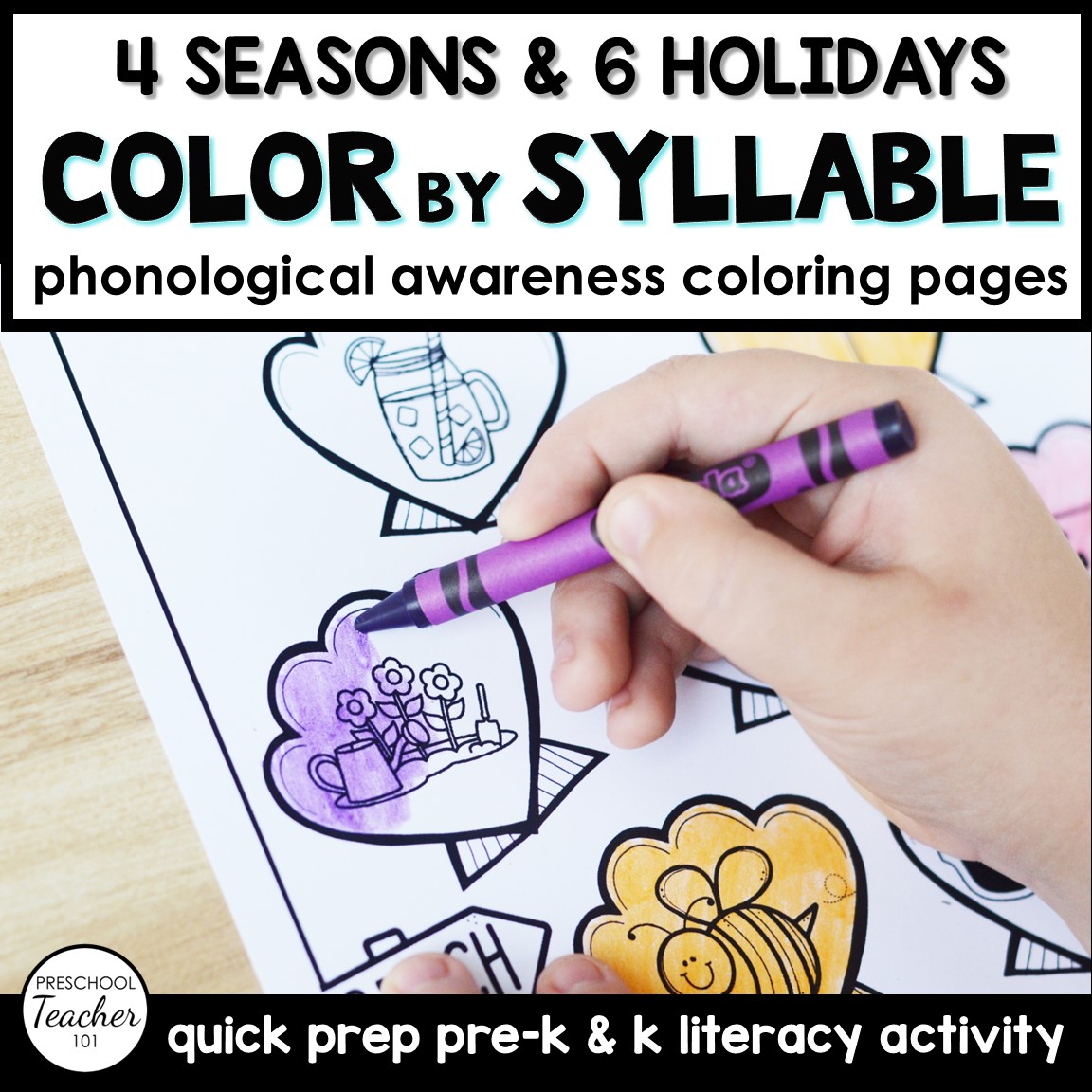
Recognizing the untapped potential of color-by-code mechanics, curriculum developers began redesigning the format to align with the Science of Reading. By replacing abstract numbers with syllable-counting tasks (ranging from one to five syllables), developers transformed a passive coloring exercise into an active phonological assessment. The introduction of seasonal packs—such as the Spring-themed resources and the expansive 33-page year-round bundle—marked a new milestone in early childhood pedagogy, offering educators structured, thematic, and cross-curricular materials that require zero preparation time.
Supporting Context & Metrics: The Science Behind Syllable Segmentation
Phonological awareness is widely recognized by reading specialists as one of the most reliable predictors of future reading and writing success. According to early literacy frameworks, children must first hear and manipulate the sounds within spoken words before they can successfully map those sounds to letters (phonics).
The Cognitive Mechanics of Syllable Counting
Syllables act as the rhythmic building blocks of language. When children clap, tap, or color by syllable, they are engaging in several cognitive processes simultaneously:
Auditory Discrimination: Listening carefully to a spoken vocabulary word (e.g., distinguishing between "tulip" [two syllables] and "flower" [two syllables], or longer seasonal terms).
Segmentation: Breaking the word down into distinct physical mouth movements and sound beats.
Visual-Motor Integration: Connecting the auditory count to a color key, thereby reinforcing the concept through tactile and visual channels.
Meeting Classroom Demands: Efficiency and Differentiation
Modern classrooms face unprecedented challenges, including diverse learning needs, behavioral management hurdles, and a high demand for differentiated instruction. Data from early childhood education networks indicates that teachers spend an average of 5 to 10 hours per week searching for or creating supplementary materials.
No-prep resources like the Color by Syllable collections directly address these pain points:
Differentiation: Because the activity sets include tiered options—varying from simple one-to-two-syllable distinctions up to complex five-syllable vocabulary—teachers can easily adapt the materials for diverse student needs within the same classroom.
Flexibility: The worksheets seamlessly integrate into multiple instructional formats, including morning work, literacy centers, independent small-group stations, and take-home practice packets for family-school connection.
Official Statements and Educator Perspectives
The pedagogical shift toward integrating phonological awareness with fine-motor art activities has earned praise from curriculum experts, preschool directors, and kindergarten teachers alike.
"Phonological awareness is the anchor of early literacy. When children understand that words can be segmented into sound chunks, the mysterious code of reading begins to unlock," notes an early childhood literacy specialist. "Resources that combine this cognitive work with the relaxing, familiar mechanics of coloring remove the intimidation factor often associated with early reading drills."
Educators utilizing the Spring Color by Syllable and year-round sets have highlighted several practical benefits in classroom settings:
Bridging Vocabulary and Sound: Teachers emphasize that introducing seasonal vocabulary terms (such as spring-themed flora, fauna, and holiday items) prior to the activity ensures that children understand the meaning of the words they are segmenting. This dual focus on vocabulary acquisition and phonological processing aligns closely with modern structured literacy guidelines.
Engagement for Fast Finishers: Classroom management often stumbles when fast finishers complete assignments ahead of peers. Having a stack of ready-to-print, educationally rich coloring pages keeps advanced or quick-working students engaged in meaningful practice without requiring direct teacher intervention.
Seamless Take-Home Connection: Parents frequently look for ways to support their children’s literacy development at home but may feel unequipped to teach formal reading strategies. Color-by-syllable sheets offer an intuitive, guided format that allows parents to participate simply by clapping out words together at the kitchen table.
Future Outlook: The Next Generation of Pre-K and Kindergarten Literacy
As educational publishing continues to evolve, the demand for scientifically grounded yet accessible teaching materials is projected to grow. Several trends are expected to shape the future of early literacy resources in preschool and kindergarten classrooms:
1. Holistic Thematic Integration
Future curriculum models are moving away from isolated subject instruction toward holistic, thematic units. By anchoring literacy skills to seasonal changes (spring blooms, autumn harvests, winter holidays), educators can maintain high student engagement while reinforcing broader scientific and cultural concepts. The expansion of year-round color-by-syllable packs points directly to this trend, ensuring continuous, theme-based skill reinforcement across all four seasons.
2. Increased Focus on Universal Access and Equity
With educational equity remaining a top priority for school districts, low-prep and free printable resources play a crucial role in bridging resource gaps. Providing accessible, high-quality printables ensures that underfunded preschool programs, homeschool co-ops, and title-one schools can offer robust, research-aligned literacy centers without straining limited budgets.
3. Blending Digital and Tactile Learning
While digital learning tools have their place in modern education, experts strongly advocate for preserving tactile, fine-motor experiences in early childhood. The act of gripping a crayon, tracking a visual grid, and coloring paper pages stimulates neurological pathways essential for both writing and reading development. Future innovations will likely continue to respect this balance, using digital platforms for distribution while keeping the core learning experience hands-on and paper-based.
Conclusion
The introduction of specialized literacy tools like the Spring Color by Syllable activity set and its comprehensive year-round collection demonstrates that foundational reading instruction does not have to be rigid or uninspiring. By weaving phonological awareness into intuitive, art-based color-by-code worksheets, educators are equipped to foster essential pre-reading skills in a joyful, low-stress environment. As schools continue to embrace evidence-based reading practices coupled with practical classroom solutions, these resources stand out as valuable assets for shaping the next generation of confident, capable readers.