
Executive Overview
As the winter season settles in, educators, parents, and youth developmental specialists face a recurring behavioral phenomenon: a notable spike in dysregulation, emotional volatility, and fractured concentration among children and teenagers. The convergence of shifting daily routines, extended periods of indoor confinement, meteorological gloom, and the anticipatory stress surrounding holiday breaks creates a psychological pressure cooker for young minds.
Self-regulation—the cornerstone developmental capability that empowers individuals to manage thoughts, govern emotional responses, and direct behaviors purposefully—is frequently tested during these colder months. Without targeted, proactive interventions, classrooms and households often experience heightened anxiety, behavioral disruptions, and social friction.
Fortunately, contemporary developmental psychology and educational research point to a powerful antidote: structured, engaging self-regulation activities explicitly designed for the winter season. Far from being rigid or clinical, these interventions integrate seamlessly into academic curricula and domestic routines. By leveraging sensory exploration, mindful breathing, physical movement, and creative expression, adults can transform the winter months from a period of behavioral management crises into an invaluable opportunity for emotional growth.
Detailed Chronology: The Winter Behavioral Cycle
Understanding why winter triggers self-regulation challenges requires tracing the chronological arc of the season from an educator’s and child psychologist’s perspective.
Phase 1: The Pre-Break Transition (Late November to Mid-December)
As the calendar approaches major winter holidays, the collective environment shifts. School schedules warp around assemblies, parties, and early dismissals. Children sense the impending disruption. Executive functioning—the brain’s air traffic control system, managed by the prefrontal cortex—struggles to adapt to broken routines. During this window, educators report rising impulsivity, difficulties with sustained attention, and heightened interpersonal conflict among peers.
Phase 2: The Deep Indoor Siege (January and February)
Following the return from winter break, children face the bleakest meteorological stretch of the year. Recesses are frequently canceled due to inclement weather, forcing students to remain indoors for days at a time. The physical deprivation of outdoor exercise, combined with reduced exposure to natural sunlight, dampens mood-regulating neurotransmitters like serotonin. This is the prime window for lethargy, restlessness, and sensory overload within crowded, echoey indoor spaces.
Phase 3: The Post-Break Re-acclimation
Re-entering structured academic environments after weeks of unstructured holiday freedom places severe demands on a child’s self-regulation reserves. Transitioning from the coziness and lack of boundaries at home back to strict bell schedules and rigorous academic expectations requires scaffolding. Without intentional emotional check-ins, children often manifest their dysregulation through behavioral meltdowns, withdrawal, or somatic complaints like stomachaches and headaches.
Supporting Context & Metrics: The Science of Self-Regulation
To appreciate why specific interventions work, one must examine the neurobiological mechanisms underlying self-regulation. When children experience stress, cold, or overstimulation, the sympathetic nervous system triggers a "fight-or-flight" response, impairing higher-order cognitive processing.
The Neurological Impact of Mindful Breathing
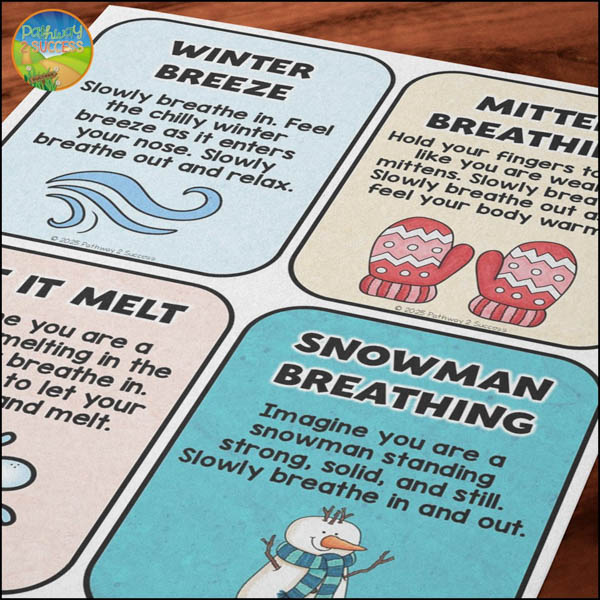
At the foundational level, winter breathing exercises—such as tracing a snowflake while inhaling and exhaling slowly—act as a biological reset button. Clinical research demonstrates that deep, controlled breathing stimulates the vagus nerve, rapidly activating the parasympathetic nervous system. This physiological shift lowers heart rates, reduces cortisol production, and restores blood flow to the prefrontal cortex, enabling children to regain cognitive control.
The Therapeutic Power of Nature and Sensory Engagement
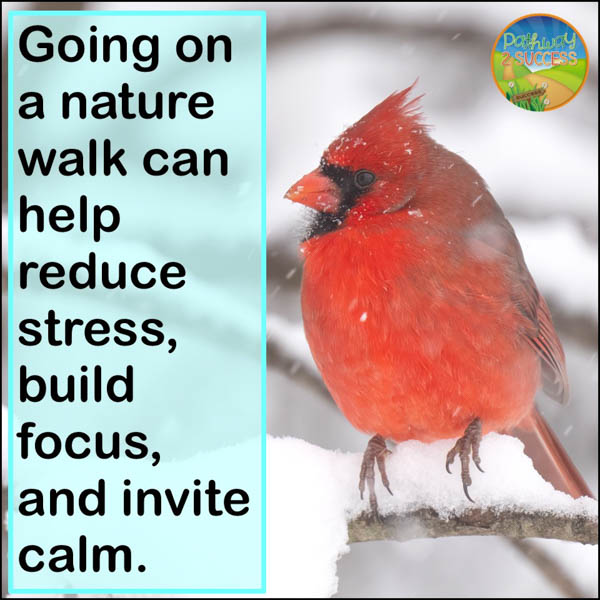
Environmental psychology underscores the cognitive restoration provided by nature. Even in winter, brief outdoor exposure or nature-themed brain breaks reduce mental fatigue. Attention Restoration Theory (ART) posits that natural environments engage "soft fascination," allowing the brain’s directed-attention mechanisms to rest and recover.
Similarly, tactile interventions—such as winter-themed sensory bins filled with textured materials, pinecones, and artificial snow—leverage sensory integration theory. Tactile play anchors an overstimulated nervous system in the present moment, grounding erratic energy into focused, purposeful manipulation.
Official Statements & Expert Perspectives
Child development experts and educators emphasize that self-regulation cannot be taught solely through lectures or punitive measures; it must be practiced experientially.
"Self-regulation is not something children simply inherit or magically master by a certain age; it is a neurological muscle that requires safe, consistent exercise," notes Dr. Elena Vance, a leading developmental psychologist specializing in childhood executive function. "When we enter the winter season, environmental stressors multiply. If we fail to proactively scaffold coping strategies through playful, engaging activities, we are essentially asking children to run a psychological marathon in a blizzard without snowshoes."
Educators on the frontline echo this sentiment. School counselors point out that integrating emotional regulation into daily routines yields immediate dividends in academic productivity and classroom climate.

"When a classroom takes five minutes to sip hot cocoa mindfully, or pauses for a winter freeze-dance to discharge pent-up physical energy, the entire emotional baseline of the room shifts," explains Marcus Thorne, a veteran middle school educator and curriculum designer. "It tells the students: Your emotional state matters, and you have the tools to navigate it."
Comprehensive Implementation Framework: 10 Engaging Winter Activities
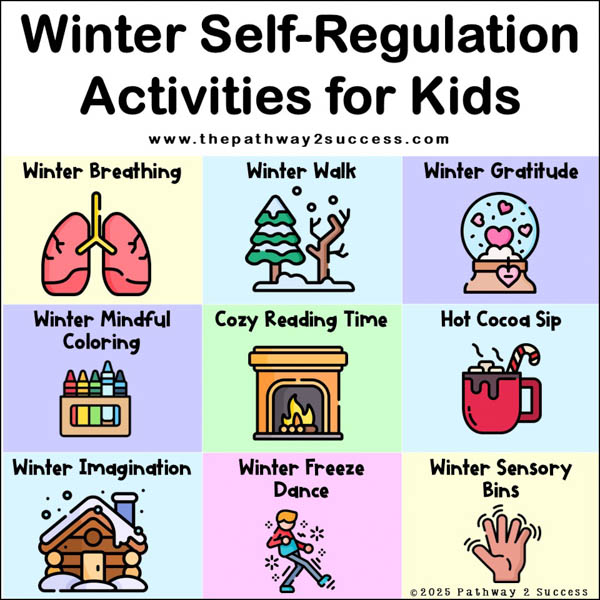
To operationalize these insights, professionals recommend implementing a diverse toolkit of winter-themed self-regulation strategies. Below is a comprehensive breakdown of ten engaging activities tailored for children and teens.
1. Winter Breathing Exercises
- What it is: Deep breathing practices paired with seasonal imagery to calm the body and center the mind.
- Execution: Teach students to view mindful breathing as a psychological pause button. Utilize winter-themed breathing cards—tracing the path of a falling snowflake or blowing out a conceptual winter candle—to anchor their focus on slow, deliberate inhales and exhales.
- Mechanism: Activates the parasympathetic nervous system, fostering physiological calm and sharpening cognitive focus.
2. Outdoor Nature Walks and Sensory Scavenger Hunts
- What it is: Structured outdoor explorations focused on acute sensory awareness (sight, sound, touch, smell).
- Execution: Establish clear behavioral expectations before heading out into the crisp air. Instruct youth to notice the crunch of frozen ground beneath their boots, the chill of the breeze, and the stark beauty of bare branches against a winter sky. Follow up with reflective journaling or group sharing.
- Mechanism: Combines physical exercise, vitamin D exposure, and mindfulness, proven to reduce stress and enhance attentional capacity.
3. Winter Gratitude Reframing
- What it is: Intentional reflection and documentation of positive aspects of the winter season.
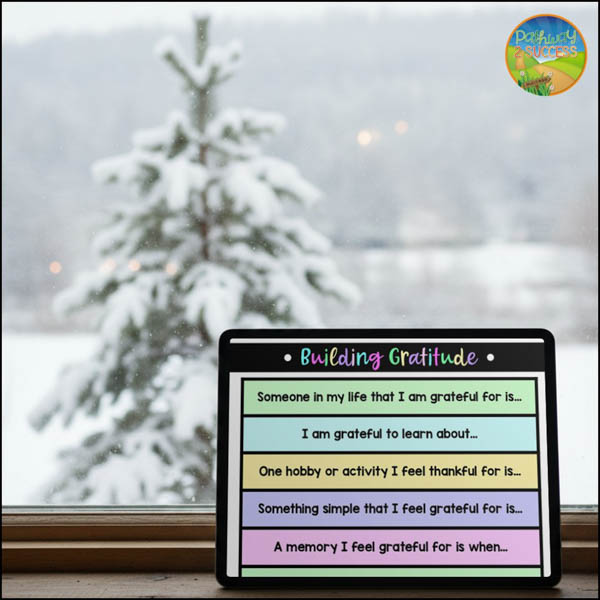
- Execution: Move beyond superficial lists by encouraging deep, specific reflections. Use gratitude sentence starters or dedicated winter journals where students articulate appreciation for moments like the warmth of sunlight on a freezing afternoon, comforting foods, or shared holiday time.
- Mechanism: Rewires neural pathways to combat seasonal negativity bias, bolstering emotional resilience, mood stability, and sleep quality.
4. Mindful Winter Coloring
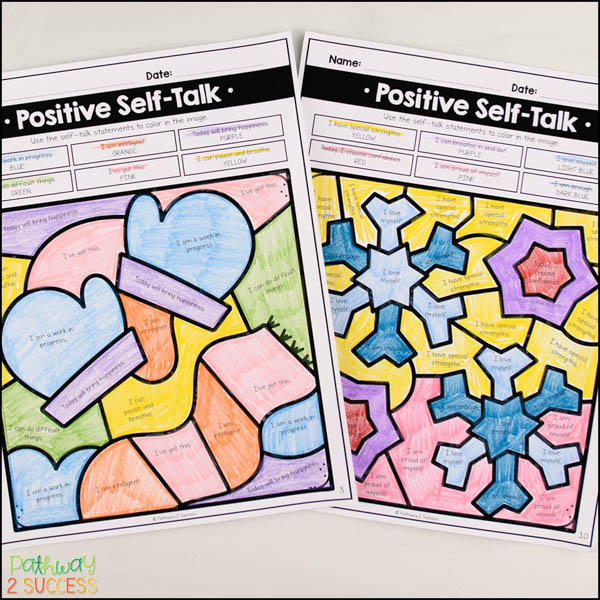
- What it is: Intentionally paced coloring of winter or positive self-talk illustrations.
- Execution: Provide high-quality coloring tools (crayons, colored pencils, markers) alongside winter-themed templates featuring affirmations. Emphasize that the objective is not artistic perfection, but rhythmic relaxation and rhythmic nervous system regulation.
- Mechanism: Serves as a dynamic meditation. It offers the anxiety-reducing benefits of traditional mindfulness while accommodating children who require fine-motor movement rather than absolute stillness.
5. Cozy Reading Time and Co-Regulation
- What it is: Immersive reading sessions designed to foster calm and interpersonal connection.
- Execution: Project a visual of a crackling fireplace to set an ambient tone. Offer options for independent silent reading or educator-led read-alouds. Read-alouds provide the added benefit of co-regulation, where students synchronize their emotional states with a calm adult voice.
- Mechanism: Lowers heart rate, eases muscle tension, fosters empathy, and provides a healthy psychological escape from daily stressors.
6. Winter Sensory Bins
- What it is: Tactile exploration containers filled with winter-associated materials.
- Execution: Fill large bins with safe, sensory-rich objects such as cotton balls (snow), cinnamon sticks, pinecones, artificial snow, and smooth ice-blue glass beads. Allow children free, unstructured exploration time.
- Mechanism: Engages tactile systems to ground restless energy, promote curiosity, and support fine-motor development.
7. The Mindful Hot Cocoa Ritual
- What it is: A sensory-engaged tasting exercise utilizing warm beverages.
- Execution: Serve warm hot cocoa (or any comforting beverage). Guide participants to hold the mug to feel the radiating warmth, inhale the rich aroma, and take deliberate, micro-sips, pausing between each taste to process the sensory experience fully.
- Mechanism: Combines tactile warmth, which signals the central nervous system to relax, with mindful awareness, quieting mental chatter.
8. Winter Imagination and Guided Visualization
- What it is: Mental journeys into peaceful, imagined winter landscapes.
- Execution: Instruct youth to close their eyes while guiding them through a multi-sensory mental script. Prompt them to visualize a quiet, snow-covered forest, a frozen mountain lake, or a cozy cabin tucked away in a snowstorm, engaging all five senses along the way.
- Mechanism: Trains the brain to utilize internal imagery as a physiological tool to lower arousal states and induce calm.
9. Purposeful Winter Crafts
- What it is: Hands-on creative construction projects tied to seasonal motifs.
- Execution: Provide raw materials for snowflake cutting, paper-mâché snowmen, or winter nature collages. Offer varying degrees of structural guidance, allowing room for autonomous creative expression.
- Mechanism: Demands sustained focus, fine-motor control, and emotional frustration tolerance when designs do not unfold as initially planned.
10. Winter Music and Freeze Dance
- What it is: Auditory relaxation combined with playful physical impulse-control games.
- Execution: Play gentle, instrumental winter-themed music during transitions for ambient calm. Alternatively, run a "Freeze Dance" where participants move energetically to music and must instantly freeze in place upon hearing a designated winter vocabulary word.
- Mechanism: Leverages rhythm to regulate mood while challenging the motor cortex to execute rapid inhibitory control (starting and stopping movement on command).
Future Outlook
As educational institutions and parenting philosophies increasingly recognize the inseparable link between emotional well-being and academic or personal success, self-regulation training is shifting from an optional luxury to an essential developmental pillar.
Looking ahead, experts anticipate a broader institutional adoption of Social-Emotional Learning (SEL) frameworks specifically tailored to seasonal cycles. Schools are beginning to invest in dedicated "regulation stations," mindfulness curricula, and sensory-friendly indoor spaces designed explicitly to combat winter lethargy and stress.

By institutionalizing these playful, evidence-based interventions, communities can ensure that winter is no longer viewed as a season of behavioral survival, but rather as a transformative period where children build lifelong resilience, emotional intelligence, and self-mastery.

