
Executive Overview
The landscape of holiday retail is undergoing a permanent structural transformation. Traditionally anchored by the frenetic, post-Thanksgiving brick-and-mortar stampede, the shopping season surrounding Black Friday and Cyber Monday has evolved. Today, it is defined by a prolonged, digitally dominant retail window that routinely kicks off as early as mid-November. This shift is particularly pronounced within the specialized educational goods sector, where retailers of Science, Technology, Engineering, and Mathematics (STEM) toys are launching unprecedented discounts weeks ahead of schedule.
Driven by supply chain adaptations, shifting consumer habits, and a heavy industry pivot toward online-only fulfillment, major retailers are deploying aggressive promotional strategies early in the fourth quarter. For parents, educators, and holiday shoppers, this shift offers a strategic advantage. Rather than scrambling for limited inventory on the traditional day after Thanksgiving, buyers now have extended time to evaluate, research, and purchase high-value learning robotics, coding kits, chemistry sets, and logic games at historically low prices.
This report provides a comprehensive examination of this retail shift, detailing the top-tier STEM products dominating the marketplace, the strategic reasons behind the early-bird pricing models, and what this new paradigm means for the future of holiday commerce and educational play.
Detailed Chronology: The Evolution of the Early Black Friday Rollout
The Shift from Single-Day Chaos to Multi-Week Campaigns
For decades, Black Friday operated as a concentrated, 24-hour retail phenomenon. Consumers queued outside brick-and-mortar establishments in the predawn hours, battling for doorbuster deals on electronics, apparel, and toys. However, the convergence of e-commerce ubiquity, mobile shopping optimization, and logistical recalibrations following global supply chain disruptions has permanently rewritten this timeline.
By the early 2020s, major online and omnichannel retailers recognized the unsustainable nature of funneling the entire nation’s holiday shopping volume into a single 72-hour weekend. To mitigate inventory bottlenecks, warehouse strain, and customer dissatisfaction, merchants began pushing their holiday promotional calendars further into November.
For the STEM toy sector—comprising complex items ranging from app-controlled coding robots to precision chemistry laboratories—this shift is vital. Educational toys require a higher degree of consideration from buyers. Parents and educators rarely purchase a complex robotics kit on impulse; they read reviews, assess age-appropriateness, and compare developmental benefits. Extending the sales window from a single weekend to a multi-week digital event provides shoppers with the necessary research runway while allowing retailers to smooth out their logistics and fulfillment curves.
Supporting Context & Metrics: Why Online-Only Fulfillment Dominates STEM Retail
The pivot toward online-only and digital-first purchasing is not merely a temporary convenience; it is a fundamental realignment of retail economics.
Overcoming Brick-and-Mortar Limitations
Specialized STEM toys and learning kits occupy a unique niche in the toy market. Unlike mass-market plush toys or generic board games, items like the mBot Neo or Sphero BOLT involve precision components, electronics, and specialized packaging that demand substantial retail shelf space. Consequently, physical brick-and-mortar storefronts can only stock a limited assortment of these items.
By focusing efforts on online-only channels and digital storefronts during the holiday promotional season, retailers achieve several strategic objectives:
- Infinite Virtual Shelf Space: Online platforms can display an expansive catalog of niche and advanced STEM kits—such as logic mazes, hydraulic arms, and circuit boards—that would never fit on a standard toy store aisle.
- Detailed Product Education: E-commerce product pages can host comprehensive review links, instructional videos, and detailed compatibility guides (such as required operating systems for app-based coding toys), empowering consumers to make informed educational investments.
- Logistical Efficiency: Fulfilling orders directly from centralized distribution hubs reduces the risk of in-store inventory stockouts and minimizes the handling damage common with high-turnover physical displays.
The Top 15 STEM Toys & Learning Kits to Watch This Season
To navigate the vast array of discounts available during the extended shopping window, industry experts have highlighted the top-performing educational toys and learning kits commanding deep discounts this season.
1. mBot Neo
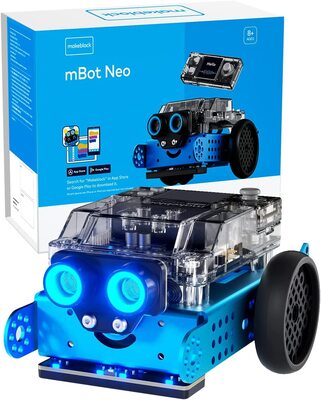
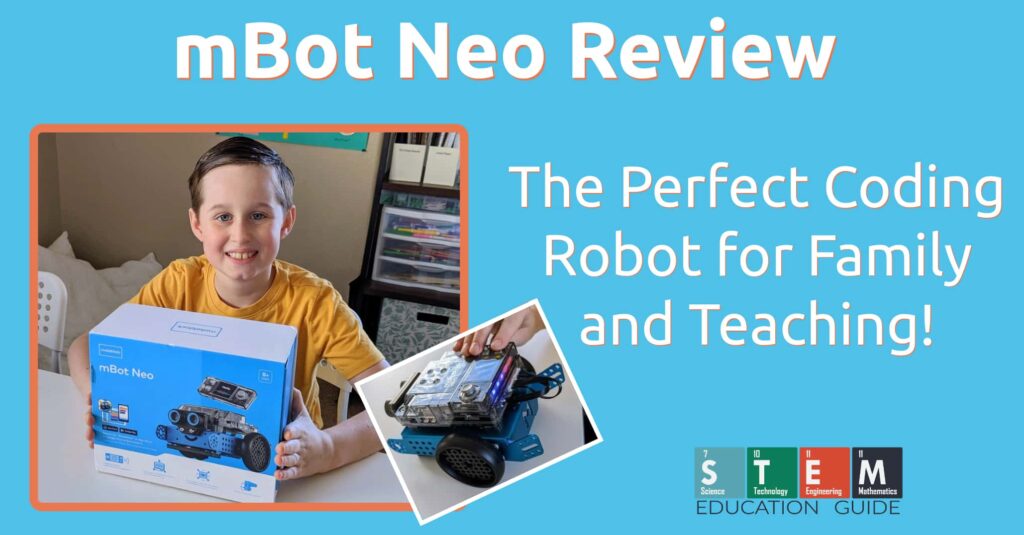
A premier DIY coding robot constructed from robust aluminum and thick plastics, the mBot Neo is engineered to withstand rigorous classroom and household use. Children assemble the hardware and then utilize an intuitive application interface to program movements, light displays, and musical outputs. For children less inclined toward programming, the unit includes pre-programmed activities accessible via a standard controller. It remains an industry benchmark for introductory robotics.
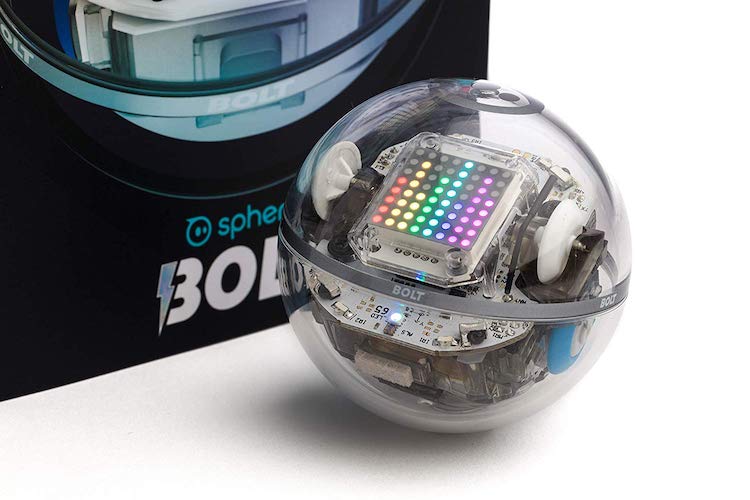
2. Sphero BOLT
The Sphero BOLT is a shock-proof, waterproof, and exceptionally durable programmable robotic sphere. Designed for endless scalability, it transitions seamlessly from basic beginner drive-and-light commands to complex, text-based programming for older youths. Its robust physical design makes it a favorite for both home environments and institutional STEM classrooms.
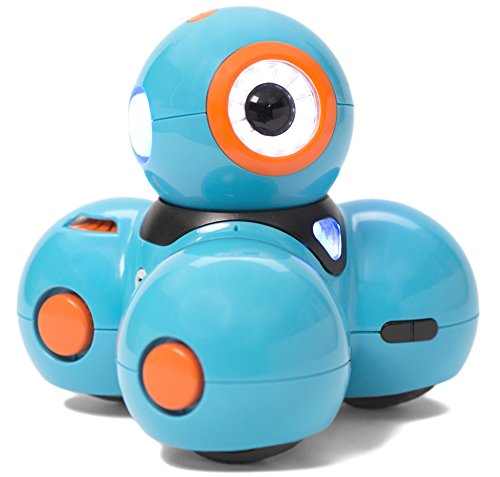
3. Wonder Workshop Dash
Targeted at children ages 6 and up, Dash is an agile, highly responsive robot that encourages computational thinking through gamified app challenges. Equipped with an onboard microphone for voice feedback and interactive capabilities that allow multiple Dash units to communicate with one another, it fosters both solo problem-solving and collaborative social play. The popular STEAM Creativity Bundle packages Dash with complementary accessories and challenge cards.
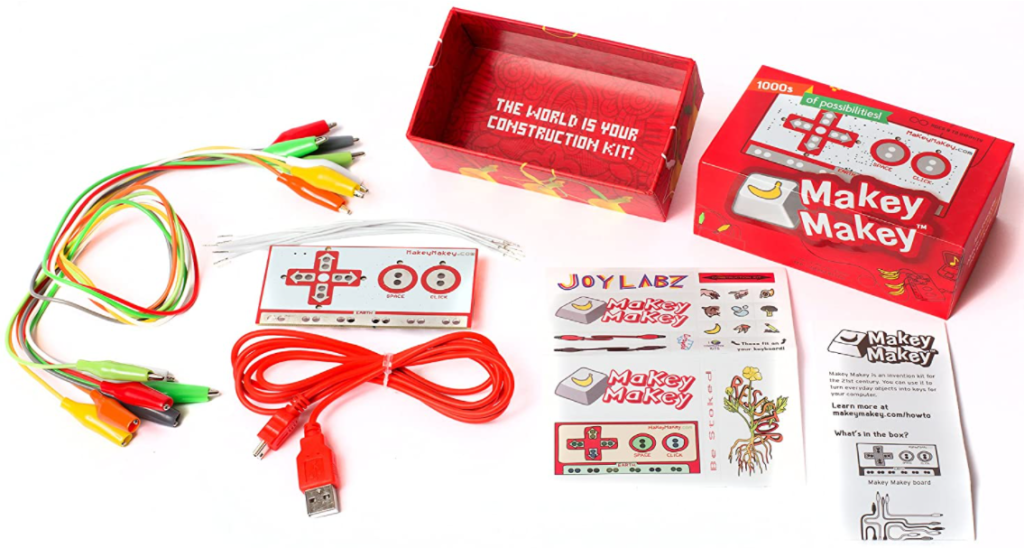
4. Makey Makey
For tactile, invention-based learning, Makey Makey turns everyday objects into touchpads. By connecting ordinary items—such as bananas, Play-Doh, or aluminum foil—to the Makey Makey circuit board via alligator clips, children can interface physical objects with computer software. This kit exemplifies simplicity, turning basic conductivity concepts into an imaginative playground for young inventors.
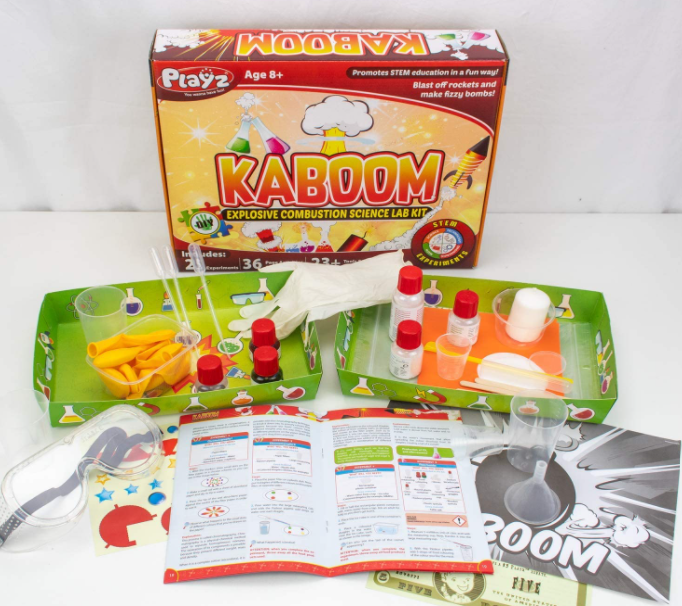
5. Kaboom Explosive Science Lab Kit
Science education meets high-energy excitement with the Kaboom Lab Kit. Featuring over 25 dynamic experiments, it guides young scientists through chemical transformations, combustion principles, and physical reactions—such as building rockets or testing fireproof balloons. Crucially, the kit emphasizes pedagogical value, detailing the "why" behind every reaction to ensure deep conceptual retention.
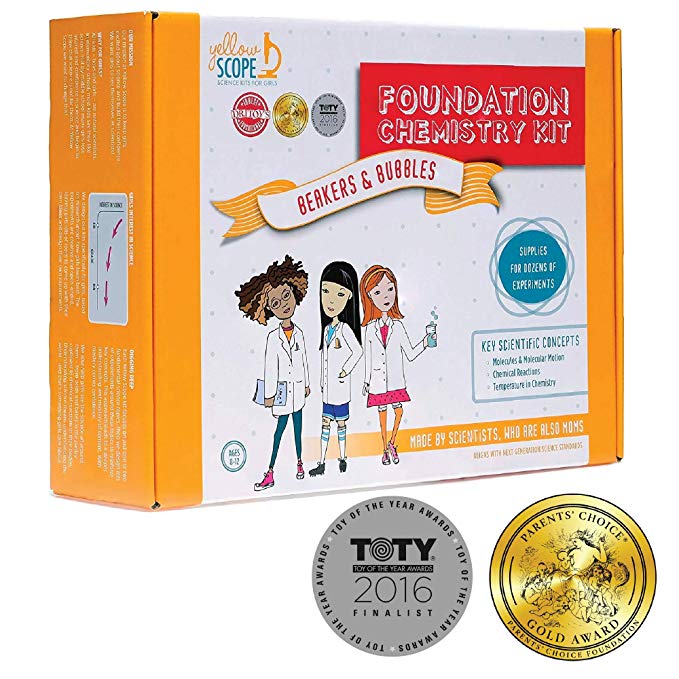
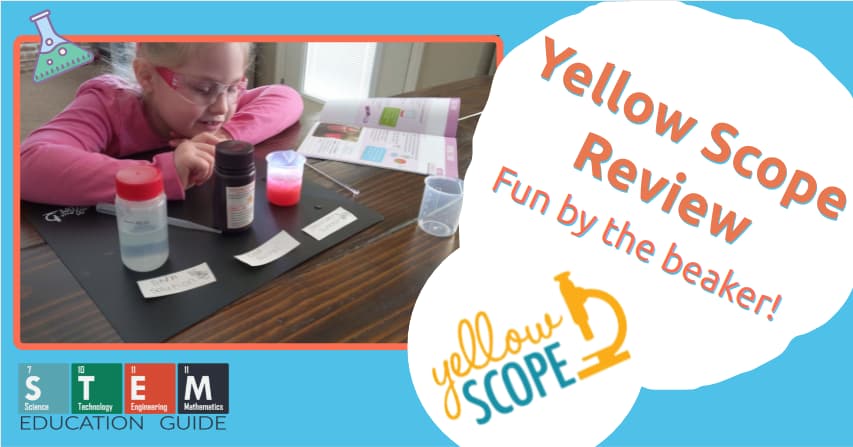
6. YELLOW SCOPE Foundation Chemistry Kit (Beakers & Bubbles)
Designed specifically to address gender representation gaps in STEM, Yellow Scope crafts rigorous chemistry sets that appeal broadly while maintaining high academic standards. The Beakers & Bubbles kit explores the authentic chemistry behind everyday consumer goods, such as cosmetic science, bridging the gap between foundational laboratory techniques and real-world industrial applications.
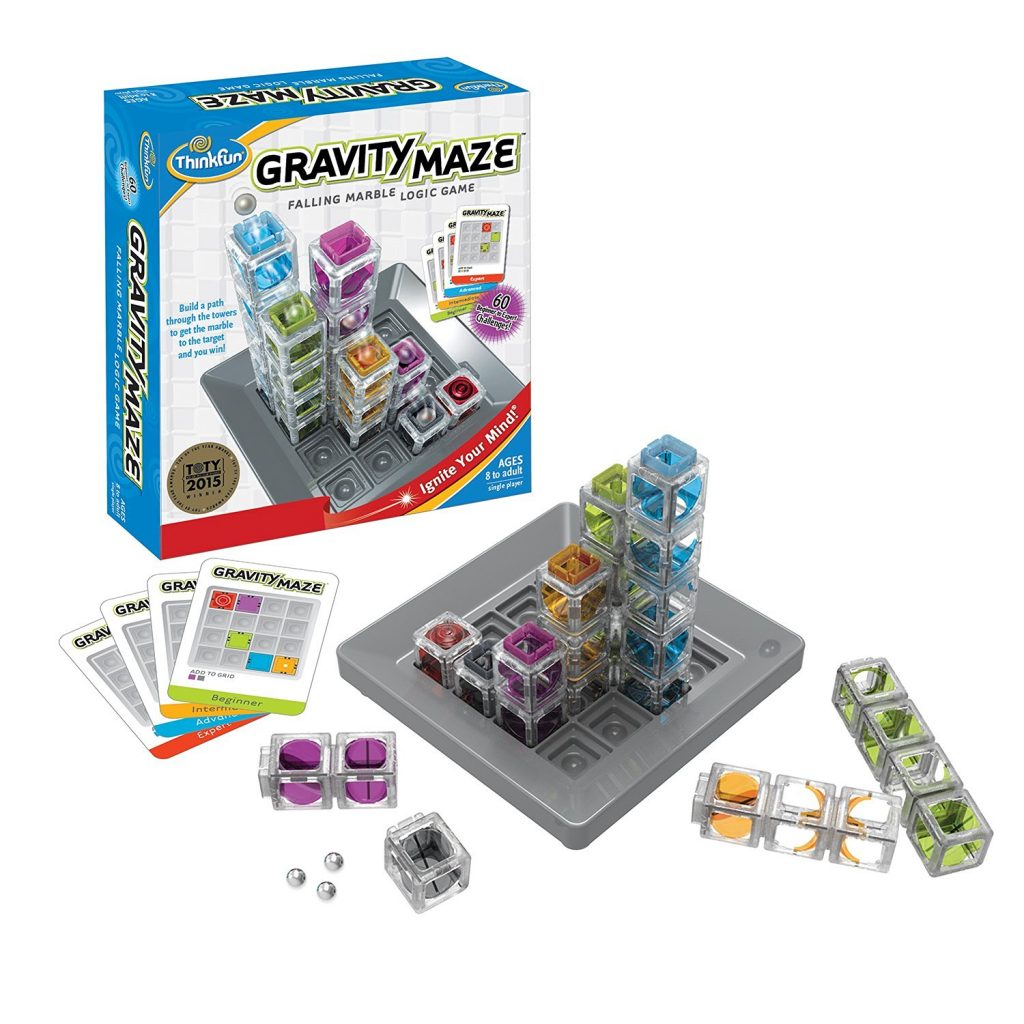
7. ThinkFun Gravity Maze Marble Run
Combining a traditional marble run with modern spatial reasoning challenges, ThinkFun Gravity Maze tasks players with arranging translucent towers to create a successful pathway for a marble under the constraints of gravity. It is widely recognized as a premier logic game for children aged 8 and up, cultivating critical engineering and spatial visualization skills without requiring electronic screens.
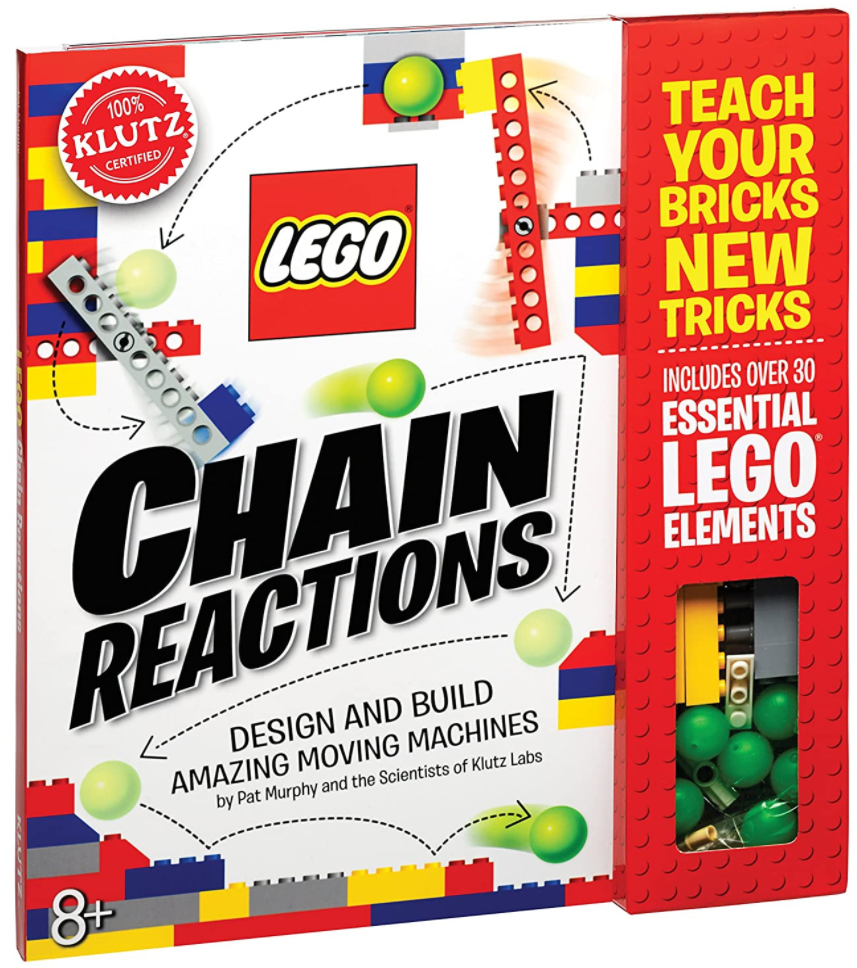
8. LEGO Chain Reactions
Bridging classic brick construction with mechanical engineering, LEGO Chain Reactions provides components and instructions for building complex contraptions featuring swinging pendulums, falling dominoes, and rolling spheres. It instills immense confidence in young builders by demonstrating how mechanical cause-and-effect relationships function in the physical world.
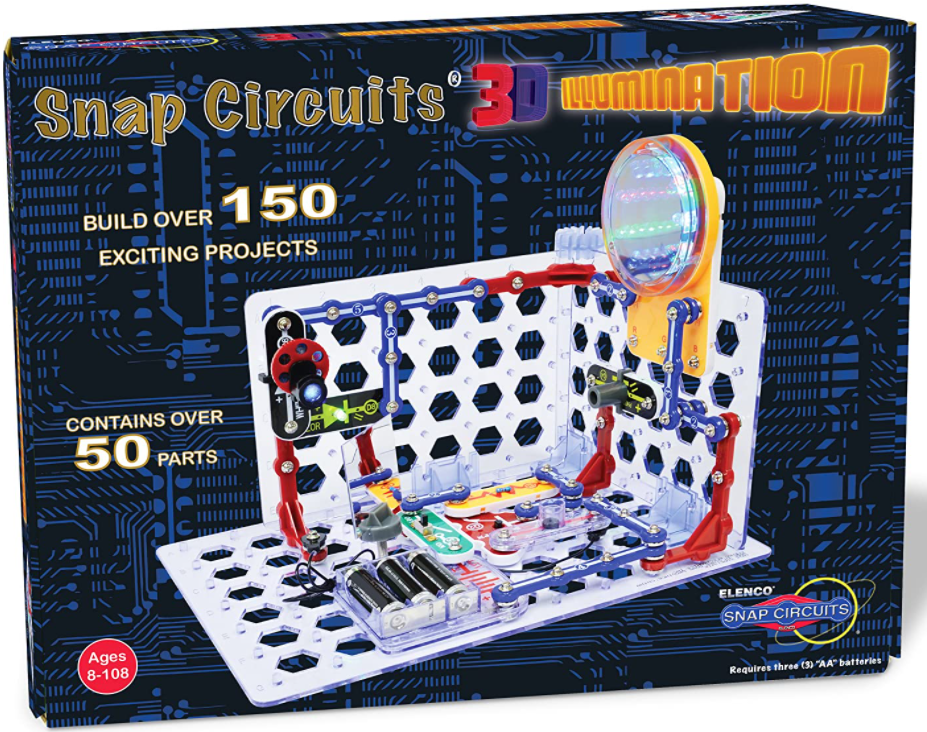
9. Snap Circuits 3D Illumination Electronics Exploration Kit
Snap Circuits has long been the gold standard for introducing children to electronics safely and intuitively. The 3D Illumination edition elevates traditional circuit-building by incorporating multi-dimensional structures, lights, and mirrors, allowing students to visualize current flow through vertical construction and illuminated components.
10. Elenco Teach Tech Hydraulic Kit (HydroBot Arm)
Capitalizing on renewable energy and mechanical advantage, the Elenco HydroBot Arm utilizes hydraulic plungers and a 270-degree rotational axis to teach fluid dynamics and mechanical engineering. By assembling and operating the arm, young tinkerers gain a tangible understanding of how pressure, force, and mechanical leverage operate in industrial robotics.
11. Botley The Coding Robot Activity Set
For younger learners, Botley provides a robust, screen-free introduction to coding concepts. Using a physical remote programmer rather than a tablet or smartphone, children input sequences of commands to navigate obstacle courses, light up LEDs, and execute loops, making foundational computational thinking accessible to early childhood learners.
12. Elenco TEACH TECH Mech-5 Robot Kit
Step-up engineering projects find a natural home in the Mech-5. This programmable mechanical robot coding kit allows users to snap coding tiles onto a mechanical wheel to dictate complex movements—such as kicking, throwing, drawing, and lifting—without relying on microprocessors or digital screens.
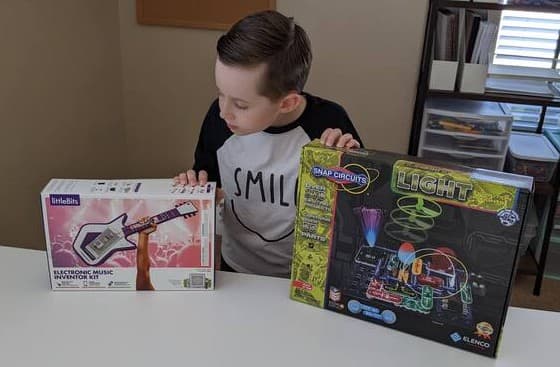
13. littleBits Electronic Music Inventor Kit
Merging art with engineering, the littleBits Electronic Music Inventor Kit empowers children to construct their own working electronic instruments, such as guitars, and program their acoustic output through a companion application. It represents an exceptional cross-disciplinary tool for collaborative group play and creative technological exploration.
14. Kid K’NEX (Build-A-Bunch Set)
Engineered specifically for younger toddlers, Kid K’NEX features oversized, soft, colorful plastic pieces that eliminate choking hazards while preserving the foundational connection mechanics of traditional construction sets. Children can construct trains, animals, and imaginative structures, building early fine motor control and spatial reasoning skills.
15. Ravensburger GraviTrax XXL Marble Run & STEM Toy
The GraviTrax XXL system redefines the marble run genre through a modular, hexagonal grid framework. Requiring careful planning and structural foresight, this screen-free system teaches gravity, magnetism, and kinetic energy through open-ended architectural design.
Future Outlook: The Permanent Shift in Educational Retail
As the retail calendar continues to evolve, the early-November rollout of Black Friday STEM toy promotions is poised to become a permanent fixture of the holiday shopping cycle. Several long-term trends underscore this trajectory:
- Mainstream Integration of Educational Play: As modern school curricula increasingly emphasize computational thinking, coding, and scientific literacy from early childhood onward, parental demand for educational toys has decoupled from seasonal novelty spikes. Parents view STEM toys not as temporary holiday distractions, but as vital developmental investments.
- Logistical Resilience: Retailers have realized that spreading out promotional campaigns reduces strain on parcel delivery networks, minimizes customer service burdens during peak holiday weeks, and captures early consumer liquidity before holiday budgets become constrained.
- Enhanced Digital Showcasing: The proliferation of video reviews, interactive product demonstrations, and dedicated educational blogs ensures that consumers can research sophisticated items like the mBot Neo or Sphero BOLT with high confidence well in advance of the gift-giving season.
Ultimately, the transformation of Black Friday from a frantic, single-day scramble into an extended, digitally focused shopping season benefits all stakeholders. Retailers optimize their inventory flow, logistics providers prevent systemic bottlenecks, and families gain both the financial relief of deep promotional discounts and the time necessary to select the most impactful educational tools for the next generation of innovators, engineers, and scientists.

