In the high-stakes environment of modern K-12 education, instructional coaching and school leadership are frequently positioned as the primary catalysts for institutional improvement. When academic leaders or instructional coaches step into classrooms to guide pedagogical development, their core mission is inherently interventionist: they are asking educators to alter, refine, or entirely reinvent their instructional practice. While these changes are systematically designed to elevate student achievement and optimize learning outcomes, they are rarely met with unbridled enthusiasm. More often than not, educators push back.
Historically, educational institutions have diagnosed this pushback as a personal deficiency belonging solely to the teacher—characterizing them as resistant to change, professionally stagnant, or stubbornly entrenched in antiquated habits. However, a profound paradigm shift is underway, challenging the conventional wisdom of professional development.
In her landmark ninth book on teaching, How to Coach Resistance: Turning Pushback Into Possibility, veteran instructional coach, author, and educational consultant Elena Aguilar dismantles the traditional, deficit-based view of teacher pushback. Aguilar argues that resistance is rarely a localized phenomenon caused by a single recalcitrant individual; rather, it is a dynamic, relational co-creation born from the interactions between two people. Crucially, the conventional responses employed by coaches, professional development (PD) providers, and administrators often exacerbate this friction rather than alleviate it.
By reframing resistance as a shared relational dynamic rather than an immovable obstacle, Aguilar empowers educational leaders with a revolutionary premise: because coaches contribute to the friction, they also hold the power to dismantle it. Through strategic self-awareness, emotional intelligence frameworks, and targeted growth diagnostics, leaders can transform defensiveness into collaboration, unlocking unprecedented avenues for professional growth.
Detailed Chronology: The Evolution of Professional Coaching Dynamics
To understand the current crisis of teacher pushback, it is necessary to examine the historical evolution of instructional coaching models within American public and private education systems.
The Era of Compliance and Top-Down Mandates (Late 20th Century)
For decades, school improvement models relied heavily on a top-down, hierarchical approach. Administrators acted primarily as evaluators rather than collaborators. Professional development was delivered in a "sit-and-get" seminar format, where external mandates were handed down to teachers with little regard for classroom realities, school culture, or individual teacher agency.
During this era, pushback was labeled as insubordination or professional incompetence. Teachers who questioned top-down curricular mandates faced disciplinary action or negative performance evaluations. The relational dynamic was adversarial by design, creating an institutional environment governed by compliance rather than genuine pedagogical inquiry.
The Rise of Instructional Coaching (Early-to-Mid 2000s)
As educational research began to emphasize the importance of job-embedded professional development, the role of the "instructional coach" emerged as a cornerstone of school reform. Proponents envisioned coaches as non-evaluative, supportive partners who could help bridge the gap between educational research and classroom execution.
Despite the best intentions of the coaching movement, many coaching programs inadvertently inherited the structural baggage of their administrative predecessors. Coaches were often deployed to fix "struggling" teachers, adopting a diagnostic, prescriptive stance. They arrived in classrooms armed with rubrics, checklists, and pre-determined solutions, seeking to correct perceived deficits in teacher performance. Consequently, teachers continued to experience coaching not as a collaborative partnership, but as surveillance disguised as support—triggering predictable cycles of defensiveness, emotional withdrawal, and institutional pushback.
The Paradigm Shift: Relational Coaching and Aguilar’s Intervention (Present Day)
The release of How to Coach Resistance marks a critical milestone in the maturation of modern educational coaching. By shifting the analytical lens away from the individual teacher and onto the relational dynamic between coach and coachee, Aguilar bridges the gap between organizational psychology and instructional leadership.
This modern chronology reflects a broader cultural awakening within education: recognizing that adult learning principles (andragogy) must account for the emotional, psychological, and systemic realities of educators. By treating resistance as data rather than defiance, contemporary educational leaders are moving away from coercive tactics and toward empathetic, human-centric partnership models.
Supporting Context & Metrics: The Anatomy of Pushback
To effectively manage and transform resistance, educational leaders must unpack the underlying mechanics that fuel pushback in modern classrooms. Aguilar’s framework identifies four critical dimensions that redefine how coaches interpret and navigate difficult conversations.
1. The Relational Dynamic: Lowering the Hand
When an instructional coach proposes a pedagogical change and a teacher objects, a psychological reflex occurs on both sides of the equation. The teacher, fearing inadequacy, professional exposure, or systemic overload, digs in their heels. Simultaneously, the coach, feeling professional pressure to produce measurable results or validate their intervention, doubles down on their original premise.
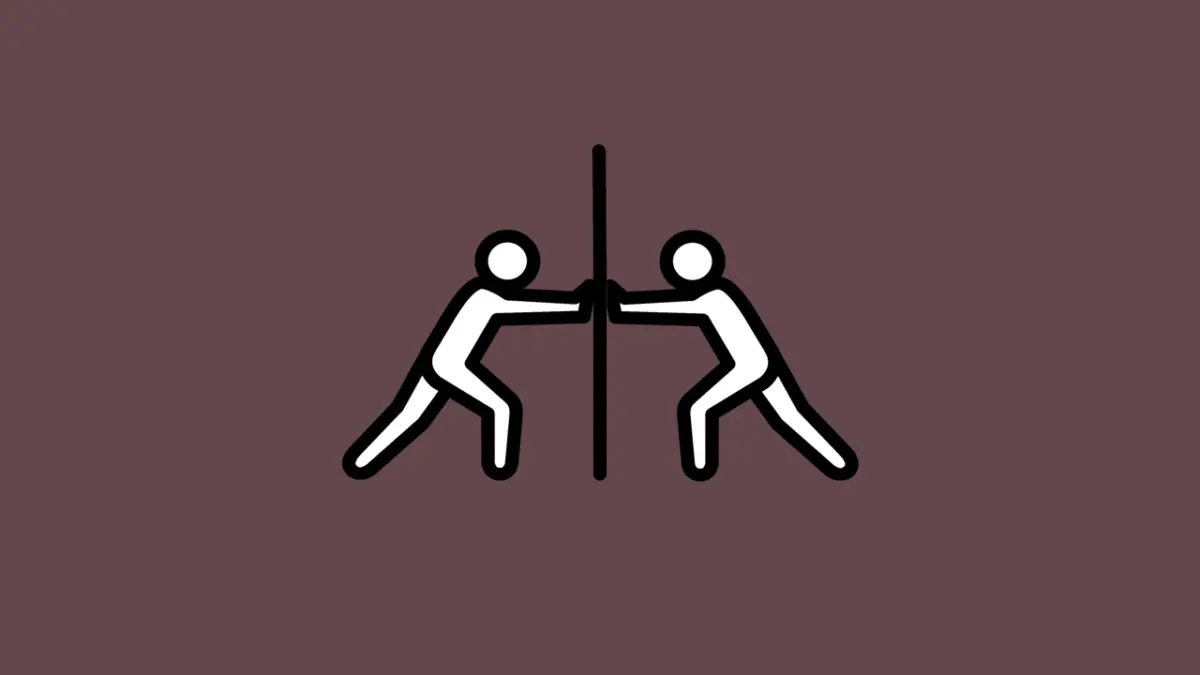
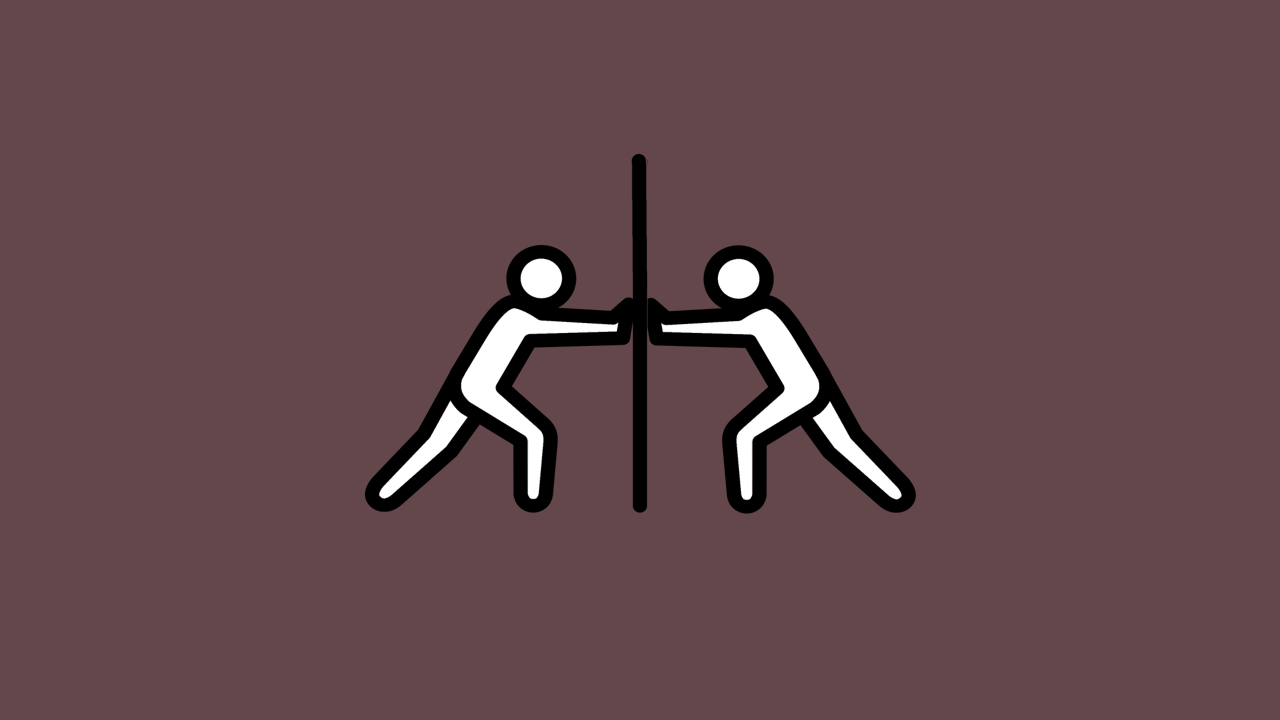
Aguilar visualizes this interaction as two people pushing against one another with outstretched hands. The escalating pressure is a shared product of mutual anxiety. The teacher asserts that "students cannot handle this curriculum," while the coach insists that "they absolutely can." Each defensive counter-argument increases institutional tension.
To break this cycle, Aguilar offers a deceptively simple directive: drop your hand.
"If you don’t want to experience resistance, drop your hand. Stop exerting your own pressure against their pressure."
Dropping the hand does not mean capitulating, abandoning high academic standards, or agreeing with an unpedagogical stance. Rather, it means relinquishing the need to "win" the argument. By replacing argument with active curiosity—asking probing questions about a teacher’s specific concerns regarding a curriculum—coaches create a safe psychological container where honest dialogue can occur. Aguilar notes that recognizing coach-induced resistance is liberating: it proves that resistance is not a fixed, immutable personality trait in the teacher, but a variable dynamic that can be altered by changing the coach’s approach.
2. The ACE Framework: Uncovering Emotional Undercurrents
Beneath nearly every instance of professional pushback lies a complex web of unexpressed emotions—fear, shame, exhaustion, overwhelm, or grief over changing educational landscapes. To navigate these emotional landscapes without requiring formal psychological training, Aguilar developed the ACE framework: Acknowledge emotions, Cultivate compassion, and Expand the story.
Acknowledge Emotions: Coaches often rush past the emotional state of a teacher to reach immediate problem-solving. Effective coaching requires a pause. By utilizing exploratory language rather than prescriptive labels ("It sounds like there might be some apprehension here; does that feel accurate to you?"), coaches validate the teacher’s internal experience. Tools such as Aguilar’s Core Emotions resource provide a vocabulary that helps educators transition from vague distress to precise emotional identification (e.g., distinguishing between anger and fear of failure).
Cultivate Compassion: Struggling educators frequently subject themselves to brutal internal critiques. To foster resilience, coaches can invite teachers to practice self-compassion by asking a powerful reframing question: "What would you say to a best friend experiencing this exact same challenge?" Crucially, Aguilar emphasizes that this step requires reciprocal self-compassion from the coach. Inviting vulnerability without modeling it results in hollow, performative empathy.
Expand the Story: Human beings naturally construct explanatory narratives around their failures and frustrations. The final step of the ACE framework involves unpacking these internal narratives. By examining the limiting beliefs attached to a situation ("I am a bad teacher," or "My students are incapable"), coaches and teachers can co-create alternative interpretations and open new pathways back to effective instruction.
3. The Gaps Framework: Diagnosing the True Barrier
When professional resistance persists, it is frequently misdiagnosed. Educational systems are quick to assign a "will gap"—the cynical assumption that a teacher simply refuses to execute required tasks. However, Aguilar’s Gaps Framework establishes that human inability to execute a desired change usually stems from one of six distinct operational areas:
Skill: Lacking the technical execution required for a specific pedagogical strategy.
Knowledge: Lacking foundational understanding of content or pedagogical theory.
Capacity: Lacking the time, mental bandwidth, or structural resources.
Will: Lacking internal motivation or alignment of values (the least common initial barrier).
Emotional Intelligence: Lacking the emotional regulation needed to navigate high-stress environments.
Cultural Competence: Lacking the cross-cultural awareness required to connect with diverse student populations.
For example, when a secondary math teacher objects to a new literacy-integrated curriculum, administrators may initially label them resistant. However, a diagnostic conversation guided by the Gaps Framework often reveals that the teacher was never formally trained in reading instruction. The barrier is not an issue of will, but an intersection of knowledge and skill. By accurately diagnosing the gap, coaches can supply targeted professional learning rather than applying punitive pressure.
A defining pillar of Aguilar’s philosophy is the validation of righteous resistance. Not all pushback is rooted in fear, ego, or skill deficits; sometimes, teachers push back because administrative mandates are pedagogically unsound, developmentally inappropriate, or ethically questionable.
When a kindergarten educator is commanded to force five-year-olds to sit silently on a carpet for sixty minutes of direct instruction, their objection is entirely justified. The teacher possesses developmental expertise that supersedes administrative compliance. In these instances, effective coaches do not attempt to manipulate or placate the teacher. Instead, they honor the resistance and help the educator navigate their institutional reality: exploring avenues to voice dissent, identifying channels to reach decision-makers, and acknowledging the institutional friction between policy and best practice.
Official Statements and Expert Perspectives
The release of How to Coach Resistance has generated widespread discussion across educational leadership networks, instructional coaching communities, and academic institutions.
In her interview with Cult of Pedagogy, Elena Aguilar underscored the foundational philosophy driving her work:
"What we experience as resistance is actually the dynamic between two people… This is not to blame you. It is the most hopeful thing I can tell you, because it means resistance is not fixed. It is determined at least in part by what you bring into the room, and what you bring is something you can change."
Expounding on the operational posture of modern instructional coaches, Aguilar emphasized the necessity of shifting from an authoritative stance to a partnership model:
"I’m not here to judge you. I’m not going to tell you what to do. I want to be a partner. I want to help you work through this."
Educational psychologists and institutional leadership experts have echoed Aguilar’s assertions, noting that modern school systems face unprecedented rates of educator burnout. In this climate, traditional punitive or compliance-driven coaching models accelerate teacher attrition. Conversely, relational coaching models that prioritize emotional safety, structural empathy, and precise gap-diagnostics have been shown to increase teacher retention, enhance instructional efficacy, and foster sustainable school-wide improvement.
Future Outlook: The Reimagination of School Leadership and Coaching
As educational systems navigate the complexities of post-pandemic recovery, shifting curricular standards, and persistent teacher shortages, the methodologies governing professional development must evolve. The traditional conceptualization of the "all-knowing coach versus the resistant teacher" is increasingly obsolete.
The future of instructional leadership hinges on the widespread adoption of relational, human-centric frameworks. By integrating tools like the ACE framework and the Gaps Framework into professional development pipelines, school districts can fundamentally alter their organizational culture.
Moving forward, educational institutions that train instructional coaches, department heads, and school administrators must prioritize emotional intelligence, active listening, and conflict transformation alongside traditional pedagogical training. When coaches learn to view pushback not as personal rejection or professional defiance, but as an invitation to deep, collaborative problem-solving, schools transform from hostile environments of compliance into thriving ecosystems of professional growth.
Ultimately, turning pushback into possibility is not merely a technical coaching strategy; it is a cultural imperative that honors the humanity of educators, validates their professional wisdom, and secures better outcomes for the students they serve.