
Executive Overview
In the modern middle and high school classroom, diversity is one of the greatest strengths—and a natural catalyst for friction. When adolescents and teenagers from varied backgrounds, with distinct personalities and developing perspectives, are brought together for hours each day, disagreements are not merely possible; they are an absolute certainty. Whether it is a collaborative science group debating the methodology of a lab experiment, a student feeling isolated because their social circle excludes them from a project, or a learner experiencing acute disrespect due to constant interruptions, conflict is woven into the fabric of daily educational life.
Historically, institutional responses to student friction have leaned heavily toward punitive measures: detentions, suspensions, and authoritarian interventions designed to suppress discord. However, contemporary educational psychology and social-emotional learning (SEL) research reveal a paradigm shift. True conflict resolution in the educational sphere is not about eradicating disagreements. Rather, the ultimate objective is to equip kids and teens with proactive strategies to independently manage conflicts in healthy, constructive, and sustainable ways.
By prioritizing proactive skill-building over reactive discipline, educators can transform everyday friction into invaluable developmental milestones. This in-depth report explores the mechanics of adolescent conflict, examines the neurological and social frameworks underpinning student interactions, and provides an authoritative blueprint for implementing evidence-based conflict resolution strategies in middle and high school classrooms.
Detailed Chronology: The Evolution of Classroom Conflict and Modern Intervention
To understand how educators manage discord today, it is essential to trace the evolution of classroom management strategies from reactive discipline to proactive social-emotional development.
Phase 1: The Reactive Era (Late 20th Century)
For decades, traditional school systems operated on a compliance-based model. When a conflict erupted—be it a verbal altercation in the hallway or a breakdown in group collaboration—the standard response was punitive. Students were separated, sent to the principal’s office, and assigned punitive consequences. This model assumed that discipline alone would deter future conflict, failing to recognize that adolescents lack fully formed emotional regulation and problem-solving machinery. Consequently, students learned to hide conflicts rather than resolve them, leading to cyclical behavioral issues and fractured school climates.
Phase 2: The Rise of Restorative Practices (Early 2000s)
As educational researchers began evaluating the long-term damage of exclusionary discipline, the pendulum swung toward restorative justice and mediation models. Schools began introducing peer mediation programs and restorative circles. While these interventions represented a massive leap forward, they were often deployed after a major crisis occurred. Educators realized that waiting for a crisis to teach conflict resolution was akin to teaching swimming only after someone had fallen into deep water.
Phase 3: The Proactive SEL Movement (Present Day)
Today, the educational landscape has embraced a proactive, integrated social-emotional learning framework. Conflict resolution is no longer viewed as an isolated intervention reserved for severe behavioral infractions. Instead, it is seamlessly woven into the daily curriculum. Educators across middle and high schools are teaching students how to recognize their emotional triggers, practice active listening, engage in self-advocacy, and navigate difficult conversations before minor misunderstandings escalate into major disputes. This modern chronology highlights a critical truth: conflict resolution is an acquired academic and life skill that must be explicitly taught, practiced, and reinforced.
Supporting Context & Metrics: The Science and Impact of Adolescent Conflict
Navigating interpersonal relationships during middle and high school is uniquely challenging due to the rapid neurological, hormonal, and social changes occurring during adolescence. To implement effective conflict resolution strategies, educators must understand the underlying science of the teenage brain and the measurable impacts of SEL implementation.
The Neurological Landscape: The Amygdala vs. The Prefrontal Cortex
There is a profound, science-based reason why adolescents struggle to maintain composure during high-stress conflicts. When a student feels overwhelmed, disrespected, or threatened, a primitive region of the brain called the amygdala seizes control. Acting as the brain’s emotional and threat-detection center, the amygdala triggers the classic "fight, flight, or freeze" response. In this state, adolescents become impulsive, highly reactive, and incapable of rational long-term planning.
Conversely, when a student feels psychologically safe, calm, and supported, the prefrontal cortex—the area responsible for executive functioning, strategic planning, complex decision-making, and impulse control—takes the helm. Because the adolescent prefrontal cortex is still actively developing (continuing into a person’s mid-twenties), teens require extraordinary amounts of external scaffolding and internal practice to activate their "calm" during stressful encounters.
Measurable Benefits of Conflict Resolution Frameworks
Educational data consistently demonstrates that schools investing in explicit conflict resolution and SEL programs reap remarkable rewards. Key metrics derived from institutional studies include:
- Reduction in Disciplinary Infractions: Schools implementing structured conflict resolution curricula report up to a 30% decrease in out-of-school suspensions and behavioral referrals.
- Enhanced Academic Engagement: When classrooms minimize interpersonal anxiety and foster positive peer relationships, students demonstrate increased on-task behavior and improved academic performance.
- Long-Term Social Competency: Longitudinal studies indicate that students explicitly trained in active listening, self-advocacy, and respectful disagreement exhibit higher emotional intelligence and resilience in post-secondary education and professional environments.
Official Statements and Expert Perspectives
Educational leaders, psychologists, and SEL advocates universally emphasize that teaching conflict resolution is an indispensable pillar of modern schooling.
Dr. Elena Vance, a leading developmental psychologist specializing in adolescent behavior, notes:
"We do young adults a profound disservice when we shield them from all friction or punish them the moment a disagreement arises. Conflict is a natural byproduct of human collaboration. When reframed correctly, friction becomes the laboratory in which empathy, negotiation, and resilience are forged. Educators who explicitly teach students how to navigate these moments are building the emotional infrastructure these kids will rely on for the rest of their lives."
Furthermore, school administrators point out that effective conflict resolution directly combats modern stressors, including cyber-related drama that spills over into the physical classroom.
Marcus Sterling, a veteran high school principal and curriculum director, observes:
"The nature of conflict has evolved with technology, but the human need for connection remains unchanged. If a student doesn’t know how to articulate their boundaries respectfully, or how to listen without planning their rebuttal, group work collapses. Integrating strategies like active listening and daily reflections isn’t an ‘add-on’ to our instructional day—it is the foundation that makes all other learning possible."
Comprehensive Implementation Strategies for the Classroom
Translating conflict resolution theory into daily classroom practice requires intentional, structured methodologies. Educators can utilize the following comprehensive strategies to cultivate a peaceful, highly collaborative learning environment.
1. Prioritize Relationship Building
The bedrock of effective conflict resolution is relational trust. Navigating interpersonal problems is inherently difficult; it requires vulnerability and emotional labor. Students are far more willing to work through disagreements when they feel a deep sense of connection to their peers and teachers.
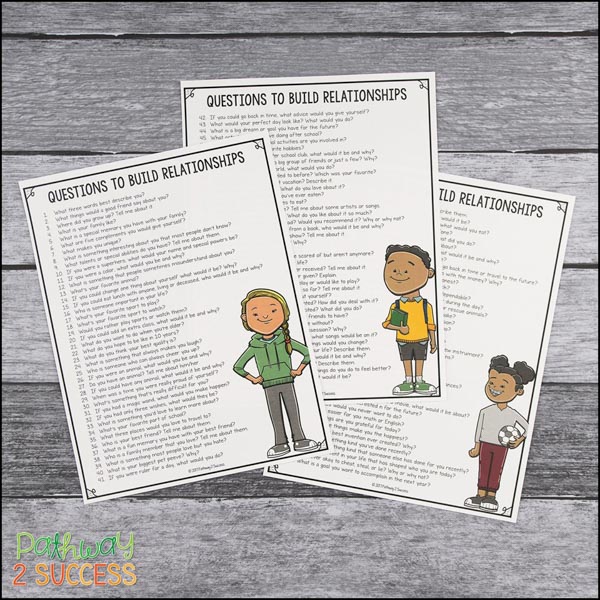
- Actionable Implementation: Begin class periods or units with structured group conversations utilizing targeted relationship-building questions. Open-ended prompts invite meaningful dialogue and break down social barriers, ensuring that when minor disagreements inevitably occur, students view each other as valued peers rather than adversaries.
2. Explicitly Teach Conflict Resolution Frameworks
Proactive instruction means demystifying conflict. Students must understand that disagreement is not inherently negative—it is a mechanism through which diverse minds communicate, understand mutual needs, and drive innovation.
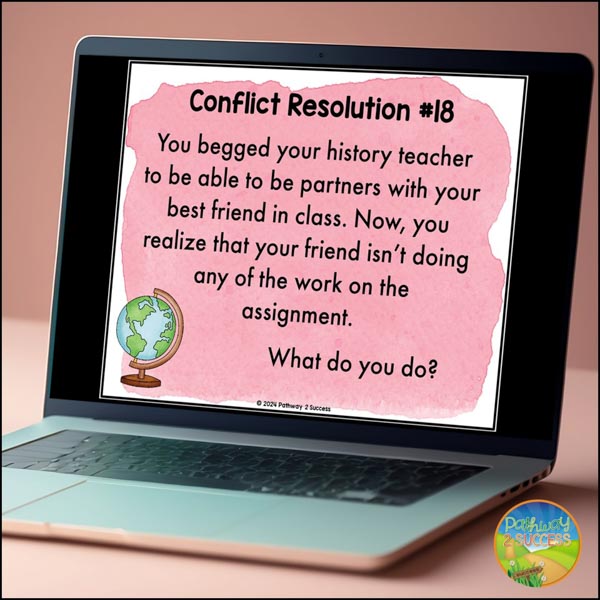
- Actionable Implementation: Explicitly teach that different situations demand different responses. For instance, a disagreement over a collaborative project’s direction requires open dialogue, active listening, and compromise. Conversely, if a student faces peer pressure to share answers or engage in unethical behavior, the appropriate response is assertive self-advocacy ("saying no"). Utilize scenario-based cards and guided slides to walk students through diverse real-world dilemmas.
3. Master Active Listening
Active listening is the deliberate act of hearing, processing, and seeking to understand another person’s perspective rather than merely waiting for one’s turn to speak.
- Actionable Implementation: Embed active listening protocols into daily assignments. Train students to use reflective listening techniques—such as summarizing a peer’s point before offering a counter-argument—to ensure all parties feel heard and validated.
4. Integrate Calming and Self-Regulation Strategies
Because the amygdala can easily hijack an adolescent’s cognitive faculties during a dispute, students must be equipped with physiological calming mechanisms.
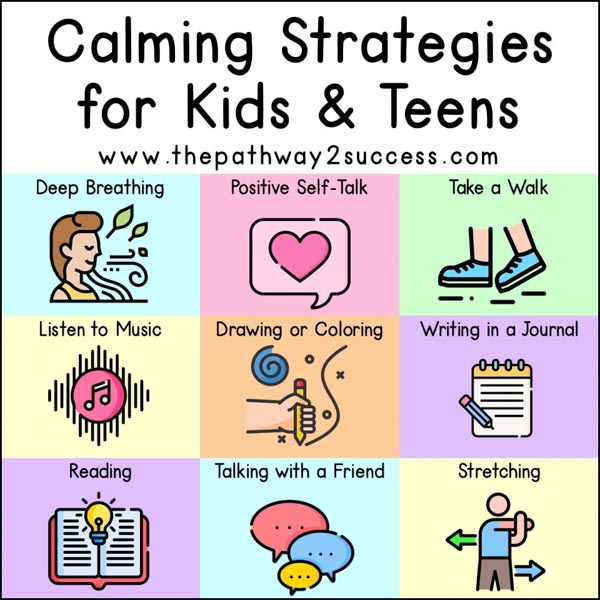
- Actionable Implementation: Treat calming strategies as essential brain breaks. Implement deep breathing exercises before high-stakes testing, encourage quiet journaling, or allow brief moments of silent drawing following intense academic tasks. Regular practice ensures that these calming pathways become second nature when high-stress conflicts arise.
5. Utilize Conflict Scenarios and Role-Playing
Safe environments allow students to experiment with problem-solving without the high emotional stakes of a real-time crisis.
- Actionable Implementation: Present students with realistic conflict scenarios—such as a group member failing to pull their weight, or two classmates claiming credit for the same idea. Have small groups read the problem, analyze the root causes, and brainstorm multiple healthy resolutions before engaging in moderated class discussions.
6. Facilitate Structured Class Meetings
Class meetings provide a predictable, semi-structured forum where students can collectively address classroom climate issues, air grievances constructively, and participate in collaborative decision-making.
- Actionable Implementation: Dedicate a specific time each week for a class circle or meeting. Establish norms of mutual respect, invite students to voice ongoing concerns, and guide the group through collaborative problem-solving exercises.
7. Champion Self-Advocacy
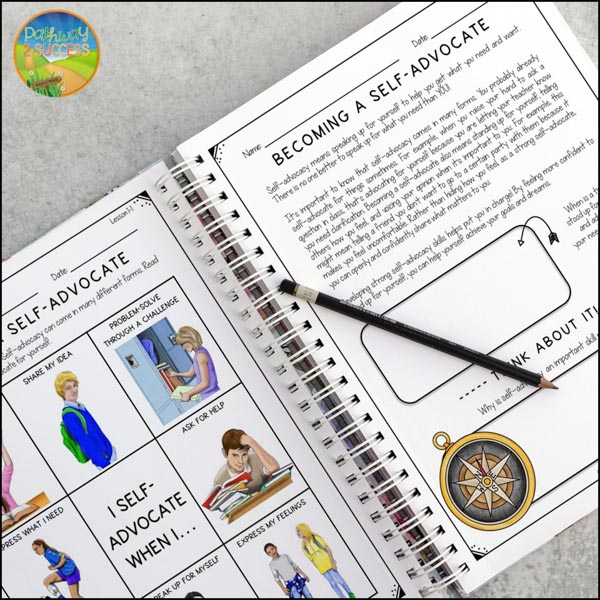
Self-advocacy and conflict resolution are deeply intertwined. Students must learn to articulate their personal boundaries, voice their academic and emotional needs, and seek adult intervention when a situation exceeds their developmental capacity to resolve independently.
- Actionable Implementation: Explicitly model how to ask for clarification on difficult concepts, how to request mediation when peer discussions stall, and how to assertively decline participation in uncomfortable or compromising situations.
8. Practice Respectful Disagreement
Disagreements regarding preferences, opinions, and problem-solving methodologies are inevitable. Teaching students how to disagree respectfully prevents minor debates from escalating into personal attacks.
- Actionable Implementation: Provide students with communicative sentence starters, such as: "I see your point, and I also think…", "Can you help me understand why you chose that approach?", or "I have a different perspective on this." Combine these phrases with high-interest, low-stakes debates (e.g., discussions on favorite musical genres, historical inventions, or fictional narratives) to give students a fun, engaging arena to practice civil discourse.
9. Deploy Visual Reminders and Daily Reflections
Consistency is vital for cognitive retention and behavioral habituation.
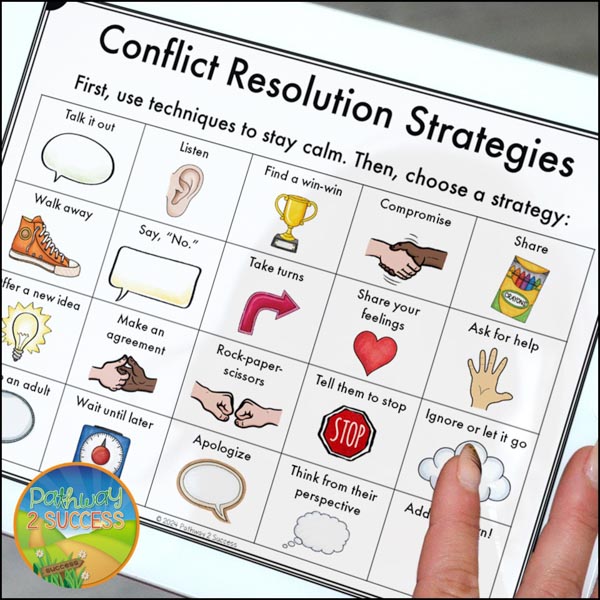
- Actionable Implementation: Decorate classroom walls with visual anchor charts, conflict resolution posters, and dedicated bulletin boards outlining peaceful problem-solving steps. Conclude each academic day with 5 to 10 minutes of reflective journaling, prompting students to evaluate what worked well in their interactions, what challenges arose, and how they can improve tomorrow.
Future Outlook
As educational institutions continue to navigate the complexities of the 21st century, the integration of robust conflict resolution frameworks will remain paramount. The future of middle and high school education lies in hyper-personalized social-emotional learning that acknowledges the unique neurological and digital realities facing modern teens.
By systematically moving away from punitive isolation and toward proactive skill-building, schools are creating resilient environments where diversity is celebrated, academic rigor is supported by emotional safety, and young adults are thoroughly prepared to navigate the complexities of the modern world. Conflict resolution is not merely a classroom management tool; it is the ultimate foundation for lifelong civic engagement, professional collaboration, and personal well-being.

