
Executive Overview
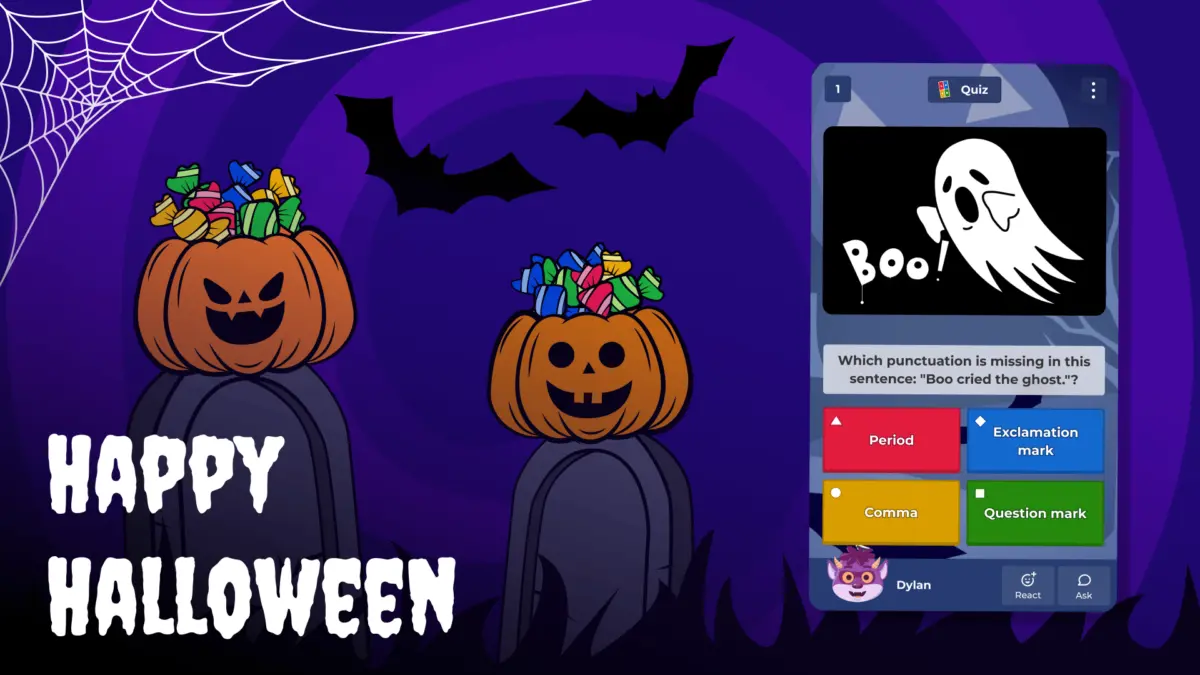
As the autumn leaves fall and the nights grow longer, educators, parents, and students alike brace for the annual challenge of maintaining academic momentum amidst the distractions of the autumn festive season. October, historically viewed by teachers as a pedagogical speed bump characterized by sugar-fueled classroom distractions and waning attention spans, is undergoing a profound transformation. At the vanguard of this shift is Kahoot!, the global game-based learning platform, which has ingeniously weaponized seasonal enthusiasm to foster rigorous academic engagement.
By curating an expansive library of ready-to-play, Halloween-themed educational content developed in partnership with cultural and academic powerhouses—including TED-Ed, Disney, Nickelodeon, Marvel, and the Museum of Science—Kahoot! has bridged the gap between entertainment and education. This strategic initiative is not merely about slapping a jack-o’-lantern graphic onto a multiple-choice quiz; it is a calculated pedagogical intervention designed to leverage gamification, emotional resonance, and pop-culture familiarity to enhance cognitive retention across diverse demographics.
This comprehensive report examines how Kahoot!’s latest seasonal content rollout addresses the distinct needs of teachers, parents, students, and lifelong learners. Through an analysis of curated collections, collaborative partnerships, and the underlying psychological framework of game-based learning during high-distraction periods, we explore how digital platforms are redefining seasonal instruction in the 21st century.
Detailed Chronology: The Evolution of Seasonal Gamification in Modern Classrooms
The integration of holiday themes into formal curricula is far from a novel concept; for generations, educators have utilized arts, crafts, and themed worksheets to anchor lessons in seasonal contexts. However, the translation of these tactile methods into scalable, digital formats represents a major milestone in educational technology.
Phase 1: The Analogue Era of Themed Instruction
Historically, October lesson planning involved manual adjustments by individual teachers. Educators would spend countless unpaid hours crafting word searches featuring ghost vocabulary, designing math word problems involving pumpkins, or reading abridged gothic literature like Washington Irving’s The Legend of Sleepy Hollow. While effective for engagement, these materials lacked systemic quality control, data-tracking capabilities, and cross-platform accessibility.
Phase 2: The Rise of Digital Quizzes and Early Interventions
As classrooms adopted interactive whiteboards and BYOD (Bring Your Own Device) policies in the early 2010s, digital platforms emerged to replace static worksheets. Early iterations of educational software allowed teachers to build custom quizzes, though the burden of content creation remained heavily on the educator. October lesson plans were still largely ad-hoc, reliant on individual teachers possessing both the technical savvy and the free time to design engaging digital content.
Phase 3: The Curated Ecosystem and Strategic Partnerships
The current era, exemplified by Kahoot!’s 2026 seasonal rollout, represents a maturation of edtech design. Rather than leaving educators to source or build their own materials, platforms are now orchestrating high-profile partnerships with trusted institutions, media conglomerates, and scientific organizations.
- Early Fall Preparation: Months prior to October, content teams at Kahoot! collaborate with verified creators—such as the WWF Wild Classroom, Wiktionary, and the Museum of Science—to align seasonal trivia with core curriculum standards (Next Generation Science Standards, Common Core math benchmarks, etc.).
- The Content Drop: Weeks ahead of Halloween, specialized channels are populated across the platform, targeting distinct user segments: K-12 classrooms, homeschooling parents, exam-preparing students, and corporate/social event planners.
- Real-Time Deployment and Assessment: As users engage with titles like Spooky Season with Hello Kitty and Friends or Why Does the Moon Change?, the platform gathers aggregate data on comprehension, allowing educators to identify learning gaps while maintaining a festive atmosphere.
Supporting Context & Metrics: The Pedagogy Behind the Spooky
Why do seasonal hooks work so effectively in educational settings? Cognitive psychologists point to the principle of "situated cognition"—the idea that learning is naturally tied to the context in which it occurs. When academic concepts are embedded within a culturally resonant, highly anticipated event like Halloween, the cognitive barrier to entry is significantly lowered.
1. Reducing Anxiety Through Familiar Characters
For many young learners, subjects like mathematics and formal grammar can induce performance anxiety. By integrating beloved intellectual properties (IPs)—such as Nickelodeon’s SpongeBob SquarePants, Marvel’s Groot, or Sanrio’s Hello Kitty—into counting, addition, and subtraction exercises, the activity is reframed from an assessment to a play experience.
- The Hello Kitty & Friends Collection: Designed for early learners, these modules target foundational cognition and arithmetic by framing puzzle-solving within the context of decorating haunted houses.
- The Peanuts Partnership: Utilizing It’s the Great Pumpkin, Charlie Brown, these games move beyond raw data to address emotional literacy, helping children process themes of resilience, imaginative hope, and disappointment.
2. Rigorous STEM and Humanities Integration
Skeptics of gamified learning often worry that pop-culture integration waters down academic rigor. However, Kahoot!’s curation balances mainstream entertainment with serious academic inquiry:
- TED-Ed Collaboration: Students explore complex historical and literary milestones, ranging from the socio-political context of the Salem Witch Trials to the folklore and historical reality surrounding Vlad the Impaler (Dracula).
- Museum of Science & SciShow Kids: The Why Does the Moon Change? modules map directly to Earth and Space Sciences standards (1-ESS1-1), utilizing high-definition visuals to teach lunar phases through the lens of autumnal nighttime observation.
- WWF Wild Classroom: Counteracting the fear associated with nocturnal or misunderstood creatures (such as bats, spiders, and owls), this collection introduces ecological literacy, teaching students about the critical role these species play in maintaining planetary health.
3. Vocabulary Expansion and Advanced Linguistics
Language arts are similarly elevated through specialized lexical collections. The inclusion of Wiktionary-curated modules like Wicked words for Halloween (hard) challenges older students and lifelong learners to navigate archaic, unusual, and highly specific English vocabulary, proving that seasonal content can successfully cater to advanced reading levels.

Official Statements and Institutional Perspectives
The collaborative nature of these educational initiatives underscores a broader industry trend: media companies, scientific institutions, and tech platforms recognizing their shared responsibility in fostering lifelong learning.
"With the season’s mood of mystery, Halloween is the perfect opportunity to ignite students’ natural curiosity," notes a spokesperson for Kahoot!’s educational content division. "By partnering with creators who are household names, we ensure that whether a child is exploring lunar cycles with the Museum of Science or decoding historical myths with TED-Ed, they are experiencing the highest standard of educational integrity wrapped in joyful, interactive play."
Educational strategists emphasize that maintaining academic momentum during seasonal shifts is vital for preventing the cognitive slide often associated with extended holiday breaks.
"Teachers face an uphill battle against excitement levels every October," remarks a veteran K-12 curriculum coordinator. "Platforms that offer pre-vetted, standards-aligned content featuring characters kids already adore are lifesavers. It transforms classroom management from a disciplinary challenge into a collaborative academic expedition."
Furthermore, the expansion into lifelong learning and adult socialization—evidenced by Wikipedia-backed historical trivia and Star Wars-themed galactic Halloween collections—demonstrates that the appetite for gamified learning extends far beyond the traditional school bell.
"Learning doesn’t stop at graduation," notes a representative for workplace and social engagement modules. "Whether hosting a team-building trivia night at an office or challenging family members over holiday gatherings, people crave interactive ways to test their knowledge and share cultural touchstones."
Future Outlook: The Next Frontier of Gamified Education
As we look beyond the current academic calendar, the success of seasonal content campaigns on platforms like Kahoot! points toward several emerging trends in educational technology:
1. Hyper-Personalization and Adaptive Difficulty
Future iterations of holiday-themed learning modules will likely leverage machine learning to adapt quiz difficulty in real-time. If a student struggles with subtraction concepts embedded in a Marvel-themed monster math game, the platform will dynamically adjust subsequent questions to provide targeted remediation without breaking the immersive narrative flow.
2. Expanded Augmented Reality (AR) and Immersive Environments
As hardware accessibility improves, the boundary between screen-based quizzes and physical environments will continue to blur. Imagine Halloween science modules where students use mobile devices to project interactive, 3D lunar phases or ecological habitats directly onto their classroom desks while answering collaborative trivia questions.
3. Cross-Platform Community Content Creation
While institutional partnerships with TED-Ed, Disney, and the WWF provide an anchor of high-authority content, the democratization of game creation remains Kahoot!’s core engine. The future will see increasingly sophisticated tools empowering student-creators to design their own educational Halloween games for peers, fostering deeper mastery through the principle of "learning by teaching."
Conclusion
The transition of October from an instructional challenge into a premier window for academic engagement highlights the power of thoughtful edtech design. By fusing rigorous curriculum standards with pop-culture familiarity, institutional expertise, and gamified competition, platforms like Kahoot! are proving that learning can be both deeply substantive and frightfully fun—anywhere, for anyone, all year round.

