
Executive Overview
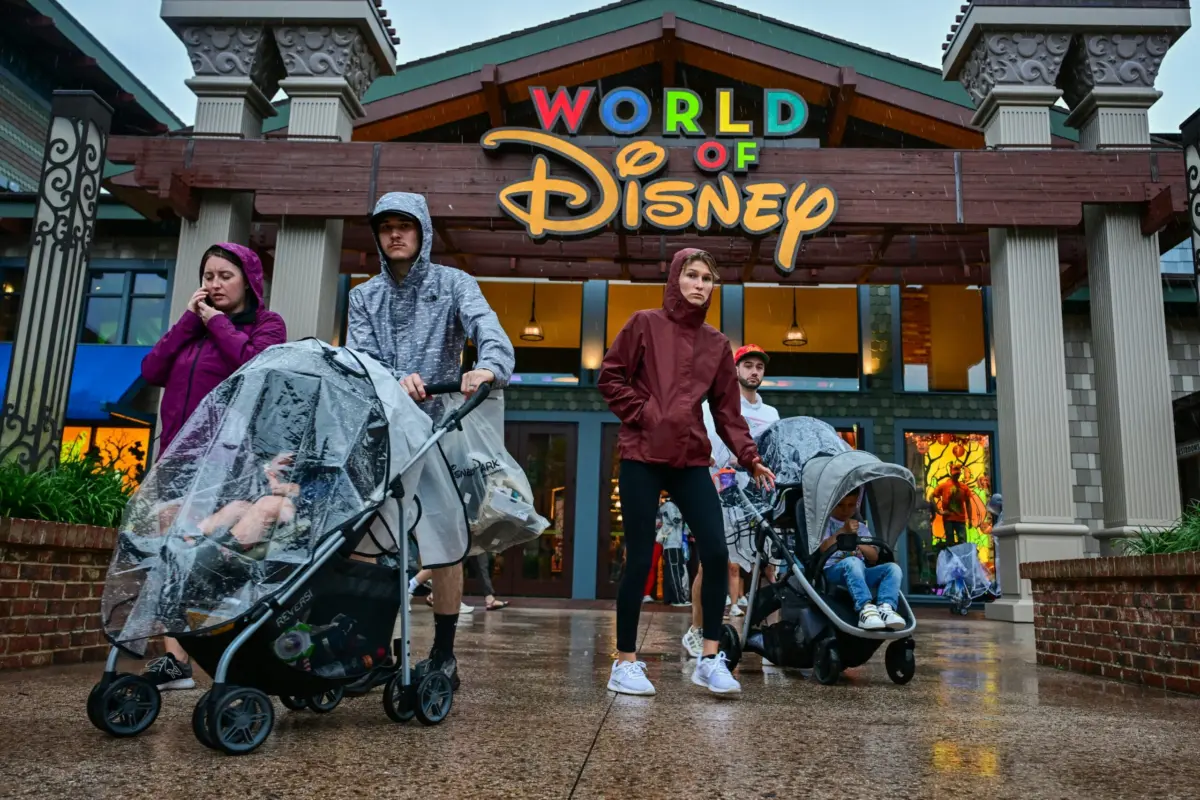
For millions of families annually, a pilgrimage to the Walt Disney World Resort represents the pinnacle of vacation planning—a meticulously choreographed investment of time, capital, and emotional energy. Yet, the subtropical climate of Central Florida is notoriously indifferent to itineraries and FastPass allocations. When torrential downpours hit the resort property, transforming the meticulously manicured avenues of the Magic Kingdom or Disney’s Hollywood Studios into rushing waterways, the psychological toll on unprepared visitors can be severe.
However, a counter-intuitive operational reality governs theme parks during severe weather events: the rain is not a vacation ruiner; it is a crowd-clearing mechanism of unprecedented efficiency.
While casual visitors and local day-trippers retreat to their vehicles or hotels at the first sign of a radar alert, seasoned park-goers who have engineered their packing lists and logistical strategies for maximum water resistance inherit an entirely different park experience. This investigation explores the anatomy of a washout at the world’s most famous resort, breaking down the psychological shift required to embrace a rainy park day, the economic and logistical advantages of low-crowd periods, and an exhaustive, gear-by-gear breakdown of how to turn a meteorological worst-case scenario into the most efficient park day of your vacation.
Detailed Chronology: Anatomy of a Total Washout
To understand the mechanics of surviving—and thriving during—a severe weather event at Disney World, one must trace the progression of an all-day rainstorm through the lens of park operations and visitor behavior.
Phase 1: The Morning Forecast and the Great Retreat
The morning of a major storm begins with a heavy, unbroken gray canopy hanging low over the resort. As the first bands of precipitation hit—not a polite Florida afternoon sunshower, but an unrelenting, horizon-to-horizon deluge—the psychological pressure on the average vacationer spikes.
In the early hours, frustration is palpable at park turnstiles. Guests who packed light, banking on historical averages of brief, twenty-minute afternoon squalls, quickly find their standard cotton clothing, canvas sneakers, and unshielded strollers saturated. By 10:30 AM, the tipping point is reached: the exodus begins. Families with young children, exhausted by the sensory overload of managing wet gear and crying toddlers, make the unanimous decision to abandon the parks for the day. Local annual passholders, who have the luxury of returning another weekend, opt to stay home entirely.
Phase 2: The Operational Shift and the Vacuum Effect
As the crowds thin out, an extraordinary operational shift occurs behind the scenes at Disney’s theme parks.
While outdoor attractions—such as the Seven Dwarfs Mine Train, Slinky Dog Dash, and Big Thunder Mountain Railroad—may experience temporary weather holds due to lightning in the vicinity, indoor and covered attractions absorb the displaced capacity. More importantly, wait times across the resort begin to plummet precipitously.
By midday, the phenomenon reaches its peak. Major headliner attractions that typically command wait times in excess of 150 minutes—such as Star Wars: Rise of the Resistance at Disney’s Hollywood Studios or Avatar Flight of Passage at Disney’s Animal Kingdom—see wait times evaporate. Queues that snake across sprawling outdoor pathways become walk-ons or near-instant boardings. The park environment transitions from a claustrophobic sea of humanity to a spacious, eerie, yet exhilarating playground for those equipped to handle the elements.
Phase 3: The Afternoon Resilience
By mid-afternoon, the initial shock of the weather gives way to a Zen-like acceptance among the remaining guests. The puddles are deep, the humidity is locked at 100%, and the air smells of wet pavement and lush tropical foliage.
It is during this phase that the structural genius of modern theme park design reveals itself. Covered queues, expansive indoor dining complexes, and multi-layered transit systems (such as the Disney Skyliner and Monorail) provide seamless shelter, transforming what could be a miserable slog into a cozy, communal endurance test where the primary adversary—the crowd—has completely vanished.
Supporting Context & Metrics: The Economics of Bad Weather
To truly appreciate the value of a rainy park day, one must examine the metrics that dictate theme park capacity, guest spending, and operational throughput.
The Crowd-Clearing Coefficient
Industry analysts estimate that a severe, all-day rain event in Central Florida can reduce active park attendance by anywhere from 40% to 65% compared to a standard seasonal baseline. This reduction is driven by two distinct behaviors:
- The Premature Departure Rate: Guests staying on-property at Disney Resort hotels are far more likely to stick it out than off-property guests, but even on-property visitors tend to return to their rooms by early afternoon to dry off.
- The Deterrence Factor: Off-property visitors and locals routinely cancel or postpone their park reservations when heavy rain or tropical systems are forecasted, leaving the parks heavily populated by die-hard tourists and well-prepared veterans.
Wait Time Compression
When attendance drops by half, queue wait times do not merely halve—they collapse exponentially. Because Disney’s Lightning Lane and Standby queues are engineered to process a fixed number of guests per hour, a sudden drop in the total volume of people entering the queueing infrastructure results in immediate wait-time compression.
| Attraction Type | Normal Peak Wait Time | Rainy Day Wait Time | Efficiency Gain |
|---|---|---|---|
| Major E-Ticket (e.g., Rise of the Resistance) | 120–180 Minutes | 5–20 Minutes | ~85% reduction |
| Indoor Dark Ride (e.g., Peter Pan’s Flight) | 60–90 Minutes | 15–30 Minutes | ~70% reduction |
| Water-Adjacent/Outdoor Coaster | Weather Dependent | Immediate upon re-open | Maximum throughput |
The Infrastructure Advantage
Disney World’s modern engineering heavily favors weather mitigation. Over the past decade, capital investments have increasingly focused on extending covered queues (such as the massive indoor/shaded queue additions at Toy Story Land and Pandora) and enhancing indoor dining capacity. Furthermore, the expansion of the Disney Skyliner network provides enclosed, aerial transit that—while subject to high winds—operates efficiently through standard heavy rain, keeping transit arteries fluid.
Essential Gear Architecture: The Science of Staying Dry
The dividing line between a miserable vacation disaster and an elite theme park experience boils down to a single variable: equipment preparation. Relying on park-purchased alternatives or improvising on-site is an expensive and inefficient strategy. Seasoned travelers approach a rainy Disney day with military-grade precision.
1. Heavy-Duty, Non-Disposable Ponchos
The ubiquitous $2 plastic yellow ponchos sold at convenience stores or park gates are functionally useless against an all-day Florida downpour. They tear at the shoulders, cling to damp clothing, and offer zero ventilation.
- The Strategy: Invest in heavy-duty, reusable waterproof rain ponchos or lightweight rain jackets prior to arrival. Not only are they fractionally cheaper when purchased online in advance, but their structural integrity ensures you remain completely sealed against driving wind and horizontal rain.
2. Ankle-Cinching Shoe Covers
Wet footwear is the undisputed psychological breaking point of a theme park vacation. In Florida’s oppressive humidity, canvas shoes and running sneakers saturated at 9:00 AM will remain damp until Thursday.
- The Strategy: Waterproof shoe covers that cinch securely at the ankle act as an impenetrable barrier against standing puddles and torrential runoff. They preserve your socks, protect your footwear, and eliminate the tactile misery of squishing through the parks.
3. Streamlined Stroller Logistics with Rain Covers
Hauling a bulky stroller through airport baggage claim, wrestling it into a rental car, and watching it get battered by airline handlers is an avoidable misery.
- The Strategy: Utilize specialized rental services like BabyQuip to secure a high-performance jogger stroller (such as a BOB stroller) delivered directly to your resort hotel lobby. Ensure the rental includes a custom-fitted, heavy-duty rain cover. This guarantees that your youngest family members remain entirely sheltered, transforming the stroller into a mobile, waterproof sanctuary.
4. Durable, Quick-Access Travel Umbrellas
While ponchos protect the torso and legs, a robust, wind-resistant travel umbrella provides immediate vertical defense, keeping rain out of your face and off your devices while navigating open concourses.
- The Strategy: Pack a compact, wind-vented travel umbrella in an easily accessible exterior pocket of your backpack—never buried at the bottom. When parking a stroller outside an attraction, leaving the umbrella open over the stroller console provides an extra layer of precipitation defense for gear left behind.
5. Level 4 Water-Repellent Carry-Alls
Standard backpacks and canvas totes absorb water rapidly, turning the interior of your bag into a swamp and risking the destruction of electronics, park tickets, and spare clothing.
- The Strategy: Employ a dedicated technical daypack featuring a high-level water-repellent exterior (such as a BAGSMART Faro backpack or equivalent technical fabric). These materials cause water to bead and roll off instantly, preserving the dryness of your internal cargo throughout a twelve-hour exposure window.
6. Targeted Skin and Lip Hydration
Counter-intuitively, all-day exposure to rain, high humidity, and conditioned indoor air strips moisture rapidly from the skin barrier.
- The Strategy: Keep a targeted, high-performance lip hydrator (such as the Facecard Green Line Lip Hydrator) and a small barrier cream in your day bag. Preventing windburn and chapping ensures physical comfort remains high when environmental conditions fluctuate wildly between outdoor downpours and heavily air-conditioned indoor rides.
7. Waterproof Tech Clutches
In an era where theme park navigation, reservation management, and entertainment are tied directly to mobile devices and e-readers, protecting personal electronics is paramount.
- The Strategy: Utilize dedicated waterproof pouches or dry clutches (such as a Strapsicle clutch) for Kindles, portable chargers, and smartphones. Keeping these items in a crossbody, waterproof enclosure ensures your hands remain free while guaranteeing zero moisture penetration during queue downtime.
8. Specialized Elastic Shoelaces
Loose, wet shoelaces trailing through deep park puddles are a sensory and logistical nightmare, particularly for children prone to tripping or complaining about soggy footwear.
- The Strategy: Swap traditional cotton laces for no-tie elastic alternative laces prior to your trip. They eliminate the need to kneel in standing water to retie shoes and maintain a secure, comfortable fit all day long.
9. Frictionless Airport Transit
The stress of a rainy Disney vacation often begins before you even reach the parks—specifically at Orlando International Airport (MCO), where waiting for a chaotic rideshare or crowded shuttle bus in a thunderstorm sets a frantic tone.
- The Strategy: Pre-arrange professional black car service (such as Blacklane) for airport transfers. Stepping off a flight directly into a waiting, dry vehicle provides an immediate psychological buffer, eliminating weather-related arrival anxiety and preserving your family’s energy for the parks.
Official Statements and Industry Perspective
Park operations leadership at Walt Disney World has long recognized the dual challenge and opportunity presented by inclement weather. While guest safety remains the primary operational directive—prompting immediate weather holds on outdoor roller coasters and aerial transit when lightning strikes within a designated radius—the resort continually refines its inclement weather protocols.
"Our goal during severe weather events is twofold: ensure the absolute safety of our cast members and guests, and pivot our indoor and covered entertainment offerings to absorb displaced capacity," notes a senior Walt Disney World guest operations coordinator (speaking anonymously regarding internal logistical policies). "When the weather turns severe, we see a natural migration of guests. Those who are prepared experience some of the shortest wait times of the year. The park doesn’t close because of rain; it simply transforms."
Resort meteorologists and operations teams utilize advanced Doppler radar systems stationed in Central Florida to track storm cells down to the minute, allowing attractions to resume operations the exact microsecond lightning clears the 10-mile safety radius. This precision enables well-prepared guests to capitalize on instantaneous reopenings before the returning crowds realize the ride is back online.
Future Outlook: Engineering the All-Weather Theme Park
As global tourism patterns shift and extreme weather events become increasingly frequent across the Southeast United States, the strategic imperative for theme park operators and travelers alike is clear: climate resilience is the future of leisure.
Resort-Level Adaptations
Looking ahead, future expansions at Walt Disney World are expected to feature even greater weather-mitigation infrastructure. Architectural trends point toward:
- Expanded Covered Canopies: Future ride queue designs are incorporating significantly larger architectural overhangs and fully enclosed holding areas to decouple guest throughput from meteorological variables.
- Advanced Drainage Systems: Continuous upgrades to subterranean stormwater management systems across older parks like the Magic Kingdom are designed to eliminate catastrophic localized flooding during tropical depressions.
- Dynamic Digital Messaging: Integration of real-time weather analytics into the My Disney Experience app, offering guests personalized, predictive routing suggestions (e.g., automatically recommending indoor attractions and dining hubs when a localized storm cell is mapped).
The Traveler’s Mindset
For the individual traveler, the future of vacation planning requires shedding the outdated notion of the "picture-perfect, sun-drenched day" as the sole benchmark of a successful trip. The modern theme park veteran understands that perfection in a subtropical environment is an illusion.
By relinquishing the futile desire to stay entirely bone-dry and instead adopting an infrastructure-heavy, gear-optimized strategy, visitors can completely rewrite their relationship with the weather. When the skies open up and the tourists flee, the smart traveler locks their waterproof zippers, steps over the rushing puddles, and walks straight onto a ride that, twenty minutes prior, commanded a two-hour wait.
The rain is not your enemy at Disney World; it is your secret weapon.

