
Executive Overview
As the crisp autumn air settles and the vibrant hues of orange and gold dominate the landscape, educators, parents, and students alike brace for one of the most culturally resonant periods of the academic calendar: the Halloween season. While historically viewed strictly as a time for costumes, candy, and ghost stories, contemporary pedagogy recognizes the late-October stretch as a prime opportunity to leverage thematic engagement. By tapping into students’ natural fascination with the eerie, the mysterious, and the macabre, learning platforms can dramatically elevate student participation, enthusiasm, and cognitive retention.
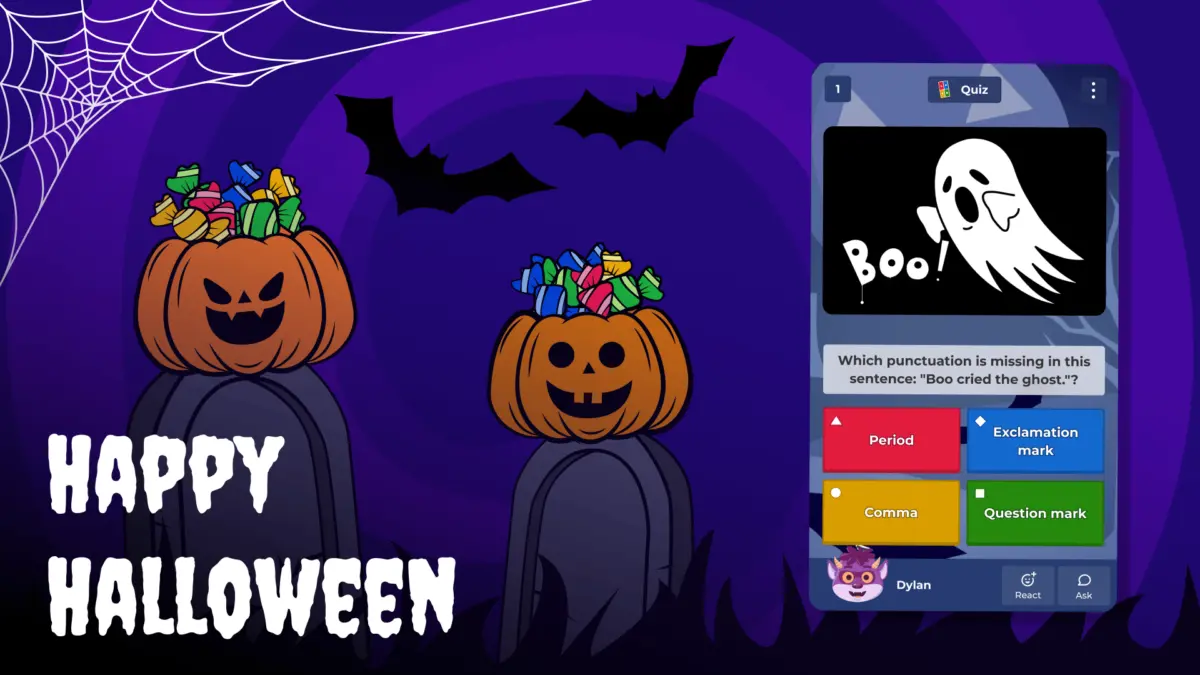
At the forefront of this educational movement is Kahoot!, the global game-based learning platform renowned for turning classrooms and living rooms into high-energy trivia arenas. For the upcoming spooky season, Kahoot! has rolled out an expansive, meticulously curated ecosystem of ready-to-play learning content. Spanning diverse subjects—from complex STEM topics and historical explorations to fundamental math and emotional literacy—these collections bridge the gap between rigorous academic standards and playful, interactive entertainment.
This comprehensive report explores how Kahoot!’s latest seasonal curriculum strategy is reshaping engagement across multiple demographics. By collaborating with elite cultural and educational institutions—including TED-Ed, Nickelodeon, Disney, Marvel, the Museum of Science, and the World Wildlife Fund (WWF)—Kahoot! has engineered an immersive bridge between pop culture, academic rigor, and festive celebration. Whether deployed in a K-12 classroom, utilized for home-school practice, or leveraged for corporate team-building, these interactive modules redefine what it means to learn through play during the autumn months.
Detailed Chronology and Strategic Rollout
The integration of seasonal motifs into digital education platforms is not a happenstance occurrence; it is the result of a carefully orchestrated strategic timeline designed to capture peak user interest ahead of the autumn festivities.
Phase 1: Conceptualization and Institutional Partnerships (Late Summer)
Months before the first jack-o’-lantern is carved, Kahoot!’s content curation teams begin forging strategic alliances with major media franchises, educational foundations, and scientific archives. Recognizing that student motivation often dips during the mid-fall transition, the platform identifies high-impact content partners capable of bridging mainstream entertainment with core curriculum requirements. Collaborations with titans like Marvel, Sanrio, and Nickelodeon are finalized to ensure that foundational concepts are delivered via universally recognized characters. Simultaneously, partnerships with academic heavyweights such as TED-Ed and the Museum of Science are secured to guarantee rigorous alignment with primary and secondary educational frameworks.
Phase 2: Platform Integration and Multi-Channel Deployment (Early October)
As October arrives, Kahoot! officially launches its specialized thematic hubs. The deployment strategy focuses on segmenting content into targeted pathways tailored for distinct audiences:
- The Educator Track: Focused on science, math, history, and social studies, embedding historical mysteries (such as the Salem Witch Trials) and curriculum-aligned STEM modules into interactive quizzes.
- The Parent Track: Geared toward early childhood development, leveraging beloved figures like Hello Kitty, Groot, and Charlie Brown to reinforce basic arithmetic, pattern recognition, and emotional literacy.
- The Student Track: Aimed at mid-semester exam preparation, offering rigorous science modules and advanced linguistic challenges (such as complex vocabulary builders curated via Wiktionary).
- The Lifelong Learner Track: Designed for social gatherings, corporate events, and adult trivia nights, featuring deep dives into the cultural history of Halloween alongside pop-culture phenomena like Star Wars.
Phase 3: Real-Time Engagement and Optimization (Mid-to-Late October)
Throughout the peak of the spooky season, telemetry data and user interaction metrics guide real-time content optimization. Teachers and parents access pre-made kahoots instantly through the platform’s searchable channel network, deploying them via HTML5 browsers, mobile applications on iOS and Android, and shared classroom displays. This seamless accessibility ensures that educators can pivot instantly from traditional lecturing to high-octane game-based formative assessments with zero setup friction.
Supporting Context & Metrics: The Science of Playful Learning
To fully appreciate the impact of Kahoot!’s seasonal content libraries, one must examine the broader psychometric and pedagogical data supporting gamification in education.
Combating Mid-Semester Fatigue
Autumn represents a notorious friction point in the academic year. Following the initial "back-to-school" honeymoon phase, students frequently encounter mid-semester fatigue just as curricula grow more complex. According to educational psychologists, introducing novel thematic elements—such as Halloween-themed gamification—triggers a dopamine response associated with novelty and play. This psychological shift reduces performance anxiety, particularly in high-stress subjects like mathematics and physical sciences.
Content Diversification: Bridging Pop Culture and Core Competencies
The breadth of Kahoot!’s seasonal library ensures that learning is never one-size-fits-all. The platform addresses distinct developmental needs across four major user tiers:
-
For Educators (Classroom Integration):

- TED-Ed Collections: Invites students to explore historical anomalies and legendary narratives, spanning from Vlad the Impaler (Dracula) to the socio-political realities of the Salem Witch Trials. These modules develop critical historical thinking and media literacy.
- Nickelodeon & Disney Channels: Embeds foundational science and language arts challenges within universes anchored by SpongeBob SquarePants and timeless Disney narratives, proving that academic rigor can coexist with lighthearted entertainment.
-
For Parents (Home-Based Enrichment):
- Sanrio’s "Hello Kitty and Friends": Focuses on early cognitive development and basic math skills through festive, non-threatening puzzles (e.g., counting decorations in a haunted house).
- Marvel’s "Midnight Monster Math": Utilizes characters like Groot to turn addition, subtraction, and counting exercises into a heroic quest.
- Peanuts’ "It’s the Great Pumpkin, Charlie Brown": Serves as an essential tool for emotional literacy, helping children navigate themes of disappointment, patience, seasonal wonder, and social-emotional development.
-
For Students (Exam Preparation & Advanced Study):
- Museum of Science: Translates complex astrophysical concepts—such as the lunar cycle and orbital mechanics—into accessible, visually driven kahoots created in partnership with SciShow Kids. This directly supports Next Generation Science Standards (NGSS 1-ESS1-1).
- WWF Wild Classroom: Debunks myths surrounding "spooky" animals (like bats, wolves, and owls), educating students on the critical ecological roles these species play in maintaining planetary health.
- Wiktionary: Introduces advanced, archaic, and unusually descriptive English vocabulary terms ("wicked words"), pushing older students to expand their linguistic boundaries through competitive play.
-
For Lifelong Learners (Social & Corporate Gatherings):
- Wikipedia Historical Modules: Explores the anthropological origins of Samhain, the evolution of trick-or-treating, and global folklore traditions.
- Star Wars "Happy Ghoul-actic Halloween": Blends intergalactic trivia with tongue-in-cheek seasonal humor, providing an ideal icebreaker for adult gatherings, holiday parties, and team-building events.
Official Statements and Industry Insights
The philosophy behind blending seasonal pop culture with pedagogical assessment has garnered praise from educational technologists and institutional partners alike. While the initiative draws on decades of research into game-based learning, industry leaders emphasize that the core objective remains unwavering: making learning irresistible.
"Education does not need to feel like a chore, especially when exploring the fascinating histories and scientific marvels tied to our cultural traditions," notes a leading educational strategist within the digital learning sector. "By leveraging characters and narratives that students already love—whether it’s Groot solving math equations or the Peanuts gang navigating the emotional highs and lows of autumn—we remove the intimidation factor from challenging subjects."
Furthermore, pedagogical researchers highlight the importance of formative assessment wrapped in celebratory packaging. "When a student participates in a Kahoot! session about lunar phases or ecological preservation disguised as ‘not-so-spooky wildlife,’ they aren’t just memorizing facts for an impending exam; they are forming positive neural associations with inquiry and discovery," experts state. "That long-term engagement is the ultimate metric of educational success."
Future Outlook: The Evolution of Seasonal and Gamified Pedagogy
Looking ahead, the intersection of seasonal events and digital learning platforms is poised for profound technological and pedagogical expansion. As immersive technologies, artificial intelligence, and adaptive learning algorithms mature, tools like Kahoot! are expected to move beyond static multiple-choice quizzes into dynamic, hyper-personalized learning adventures.
1. Adaptive Difficulty and AI-Driven Customization
Future iterations of seasonal kahoots will likely integrate real-time adaptive AI. If a student struggles with a specific mathematical concept embedded within a Marvel-themed Halloween quiz, the platform will autonomously adjust subsequent questions to provide targeted scaffolding, ensuring that every learner remains in the optimal "zone of proximal development."
2. Expanded Cross-Disciplinary Integration
The success of blending pop-culture franchises with hard sciences (such as the Museum of Science and WWF collaborations) signals a permanent shift in curriculum design. Educators can anticipate an expansion of cross-disciplinary modules where literature, history, art, and STEM fields coalesce around major cultural milestones throughout the year—extending far beyond autumn into winter holidays, spring equinoxes, and summer explorations.
3. Enterprise and Lifelong Learning Expansion
Beyond K-12 classrooms and living rooms, the corporate and professional training sectors are increasingly adopting gamified seasonal modules for team building and corporate culture cultivation. As lifelong learning becomes an economic necessity in a rapidly shifting workforce, platforms that successfully blend cognitive stimulation with shared cultural experiences will dominate the engagement landscape.
Conclusion
Kahoot!’s comprehensive suite of Halloween learning content demonstrates that education and entertainment are not mutually exclusive forces. By transforming rigorous academic standards into "eerie-sistible" challenges, the platform empowers teachers, engages parents, motivates students, and brings communities together. As the educational landscape continues its digital transformation, initiatives like these ensure that the pursuit of knowledge remains as joyful, dynamic, and magical as the seasons themselves.

