The holiday retail landscape has undergone a structural transformation, most notably driven by the acceleration of e-commerce and supply chain adaptations. Traditionally anchored by the frenetic, post-Thanksgiving brick-and-mortar stampedes, the modern holiday shopping season has evolved into an elongated, digital-first shopping marathon. Nowhere is this trend more pronounced than in the market for Science, Technology, Engineering, and Math (STEM) toys and interactive learning kits.
Retailers are no longer waiting for the traditional day-after-Thanksgiving kickoff. Instead, major platforms are rolling out aggressive STEM toy discounts and learning robotics promotions as early as mid-November. This strategic pivot is a direct response to consumer demands for online-only accessibility, shifting household educational priorities, and the logistical realities of modern retail. As parents and educators increasingly prioritize skill-building, screen-to-hands-on engagement, and foundational computational literacy, the demand for high-tier educational toys has surged.
This comprehensive review examines the broader macroeconomic shifts governing this year’s early holiday sales cycle, provides an authoritative breakdown of the top 15 STEM toys and learning kits to watch, and offers strategic guidance for consumers navigating online-only promotions during Black Friday and Cyber Monday.
Detailed Chronology: The Shift to an Extended Holiday Shopping Window
The timeline of holiday retail promotions has compressed and expanded simultaneously. Historically, the retail calendar operated on a linear model: Halloween ushered in November, preparation peaked just before Thanksgiving, and Black Friday served as the undisputed starting gun for holiday purchasing.
However, systemic pressures over recent years have rewritten this chronology.
Early November (The Pre-Season Rollout): Retailers now initiate promotional campaigns during the first two weeks of November. Recognizing that the physical retail experience is increasingly secondary to digital storefronts, merchants deploy early-bird pricing structures. This allows them to capture early consumer demand, spread out shipping logistics, and alleviate the warehouse strain that previously plagued late November.
Mid-November (The Digital Pivot): By the middle of the month, the majority of big-box retailers and specialized educational toy distributors pivot fully to online-only models for their deepest discounts. Recognizing that consumers prefer browsing from home over navigating crowded brick-and-mortar aisles, marketing spend and inventory allocations are heavily weighted toward web-based fulfillment.
Black Friday and Cyber Monday (The Climax): While the official dates still mark the cultural peak of holiday shopping, their practical function has changed. Rather than representing the beginning of deals, Black Friday and Cyber Monday now act as the final window for peak discounts on high-demand inventory, such as advanced coding robots and specialized chemistry sets, before stock depletion occurs.
Supporting Context & Metrics: The Rise of Educational Play
The aggressive discounting of STEM toys is not arbitrary; it mirrors profound shifts in parental priorities and educational philosophies. Modern consumers view play not merely as a form of entertainment, but as a critical developmental investment.
Market research consistently indicates that toys blending play with foundational engineering, coding, and scientific inquiry command higher consumer retention and satisfaction rates. As automation, artificial intelligence, and software development become integral to the future workforce, parents are actively seeking tools that demystify technology from an early age.
Furthermore, the shift toward online-only shopping has altered how educational toys are evaluated. Without the benefit of physical touchpoints in a brick-and-mortar toy aisle, consumers increasingly rely on structured reviews, demonstration videos, and comprehensive buyer’s guides to make informed purchasing decisions. This has elevated the importance of transparent product descriptions—highlighting durability, age-appropriateness, and pedagogical value—during the early holiday sales cycle.
Curated Guide: Top 15 STEM Toys and Learning Kits for Black Friday
As retailers flood the digital marketplace with promotions, identifying the highest-value items requires expert filtration. Below is the definitive catalog of the top 15 STEM toys, robotics kits, and logic games commanding attention this shopping season.
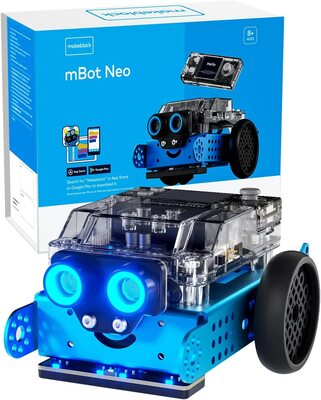
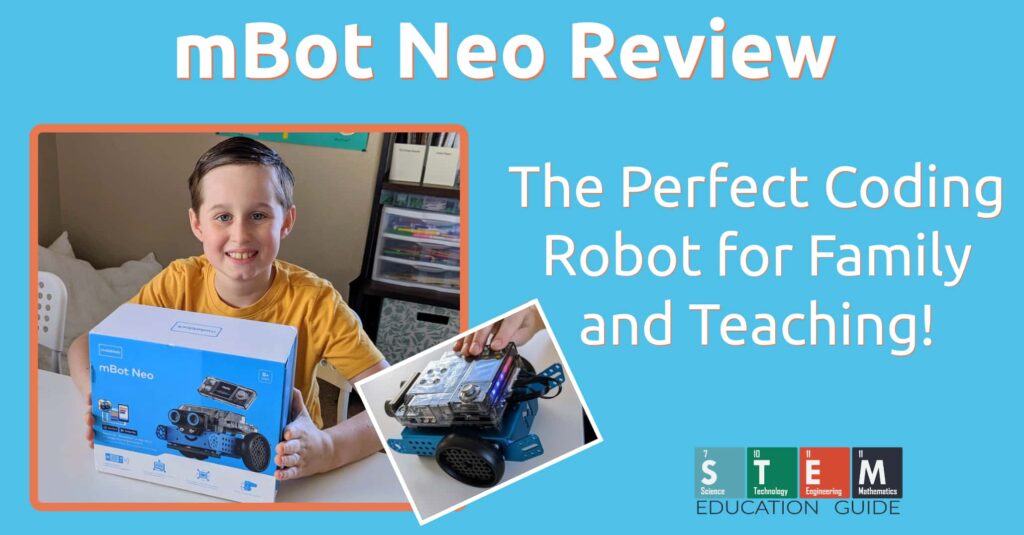
1. mBot Neo
A premier DIY coding robot designed for robust, hands-on engineering and software education. Constructed from durable aluminum and thick plastics, the mBot Neo requires children to assemble the hardware before utilizing an app-based interface to program movements, dances, lights, and auditory responses. For younger learners or those less inclined toward custom coding, the unit features an array of preprogrammed activities accessible via a standard controller. It stands out as an exceptionally durable entry point into educational robotics.
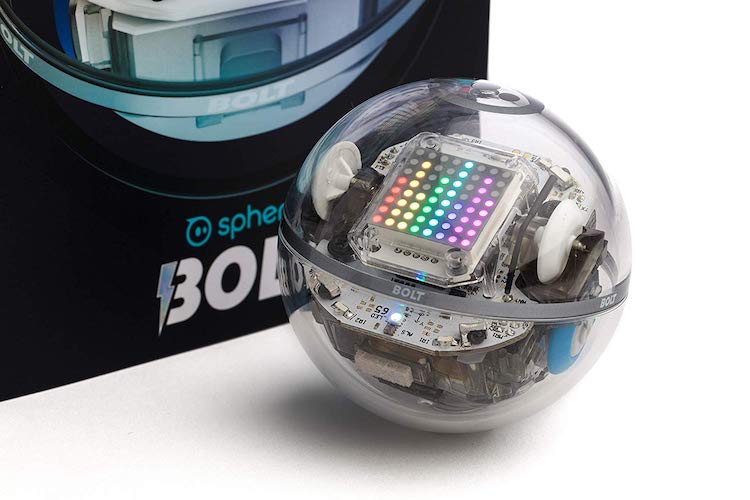
2. Sphero BOLT
The Sphero BOLT is an app-enabled, shock-proof, and waterproof robotic ball engineered for durability and advanced programmability. Users write custom code to direct the bot’s path, manipulate its matrix LED light display, and execute complex navigational challenges. Backed by extensive beginner-to-advanced classroom and home activity guides, the BOLT bridges the gap between basic cause-and-effect play and sophisticated computer programming.
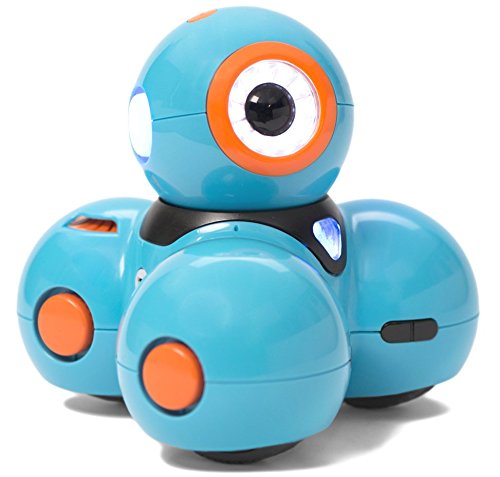
3. Wonder Workshop Dash
Targeted primarily at children ages six and up, the Wonder Workshop Dash is a nimble, responsive educational robot. It features built-in microphones for audio playback and voice interaction, and possesses the unique capability to interact socially with other Dash units in multi-child or classroom environments. In-app challenges progressively guide users through coding sequences without requiring prior programming experience on the part of the parent. Look for bundled iterations, such as the STEAM Creativity Bundle, during holiday promotional windows.
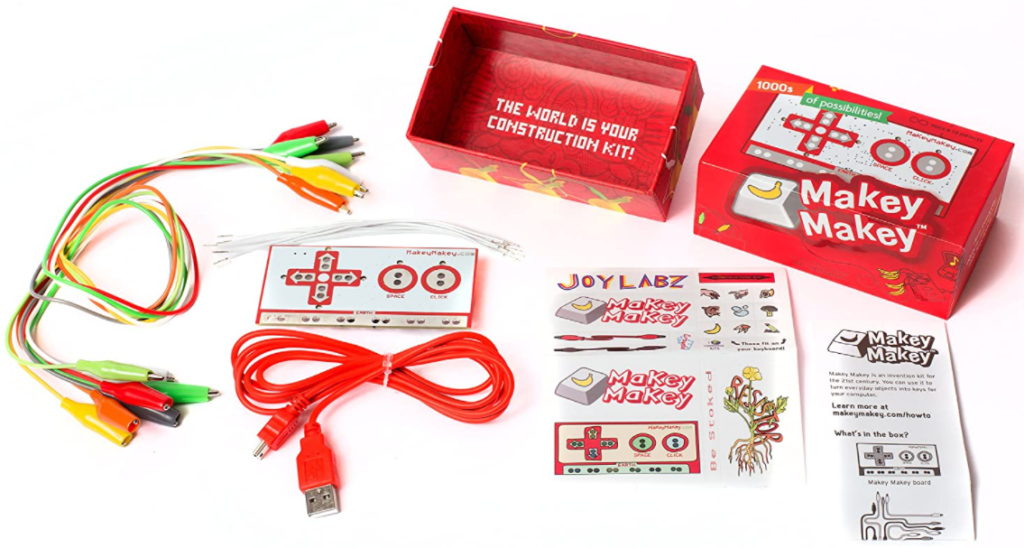
4. Makey Makey
Makey Makey represents an ingenious approach to hands-on technology education. By connecting everyday conductive objects—ranging from bananas to graphite pencil drawings—to a specialized circuit board via alligator clips, children can transform ordinary items into computer keys and game controllers. Requiring only the board, a USB cable, and imagination, it provides an exceptionally accessible introduction to circuitry and computer logic.
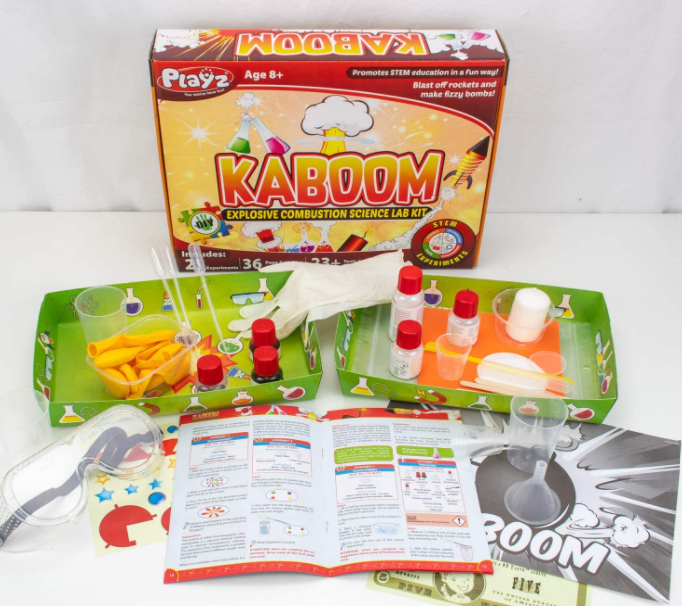
5. Kaboom Explosive Science Lab Kit
For children drawn to physical sciences, this combustion and chemistry set offers over 25 dynamic experiments. Designed to make science tangible and exciting, the kit guides users through building rockets, launching outdoor reactions, and constructing fireproof objects. Crucially, the kit emphasizes pedagogical value, providing clear explanations of the underlying chemical reactions and scientific principles governing each "exploding" demonstration.
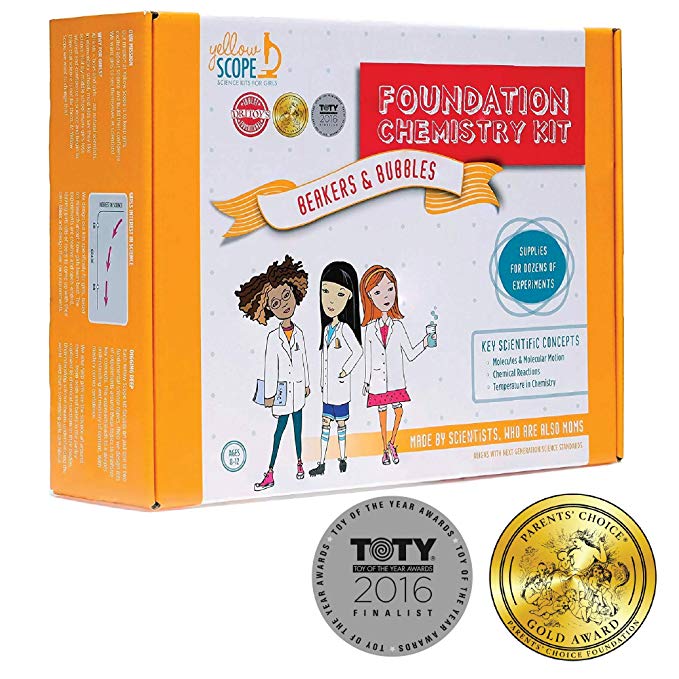
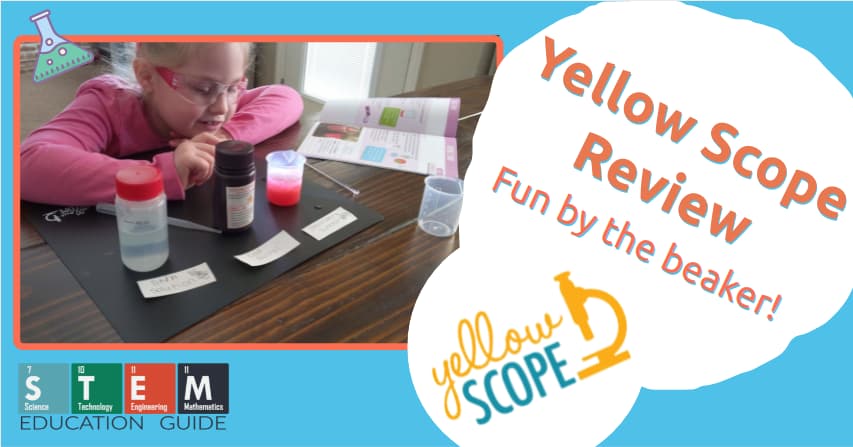
6. YELLOW SCOPE Foundation Chemistry Kit (Beakers & Bubbles)
Addressing a critical market demand for inclusive STEM resources, Yellow Scope designs rigorous science kits with a strong appeal to girls and young scientists. The Beakers & Bubbles chemistry kit explores applied chemical principles through everyday industries, such as cosmetic science, demonstrating the foundational chemistry behind hair, skin, and body care products. It balances academic rigor with engaging, accessible experimentation.
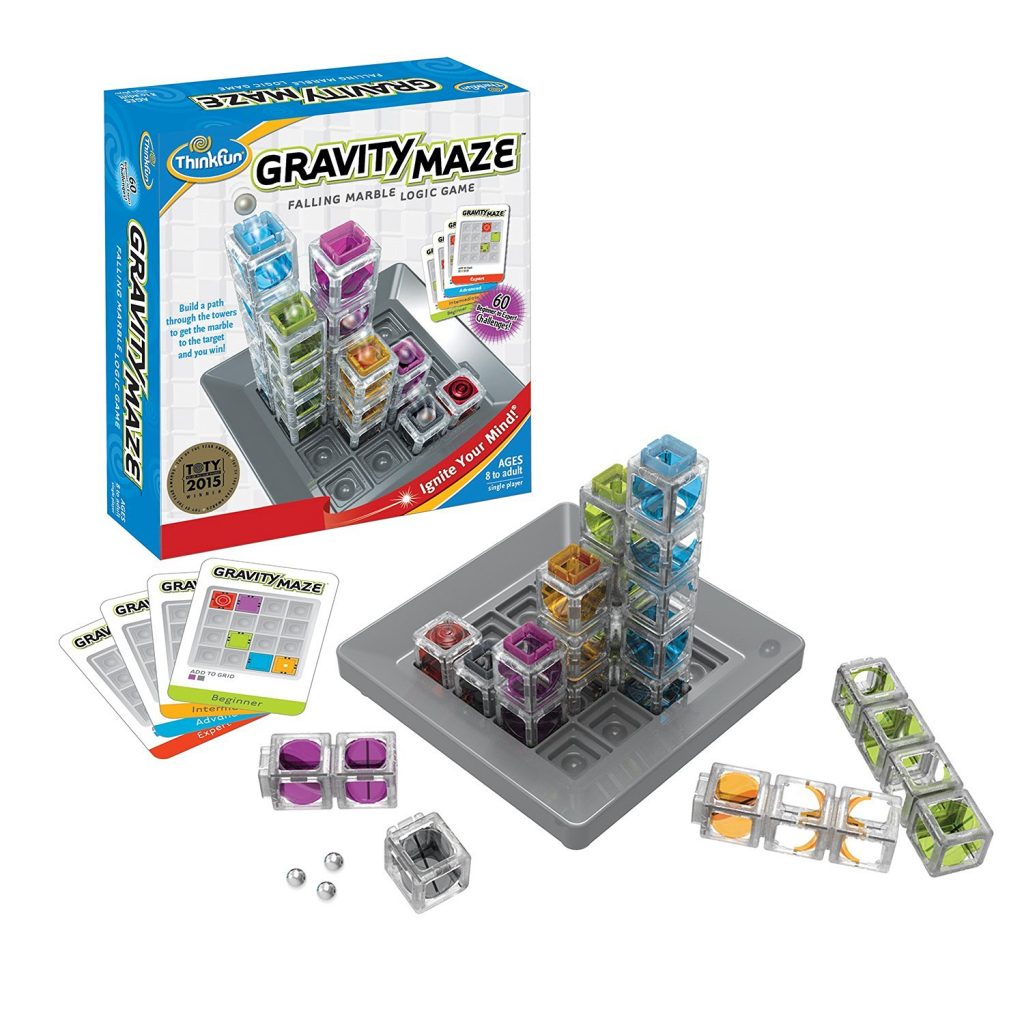
7. ThinkFun Gravity Maze Marble Run
Combining a traditional marble run with a high-level logic puzzle, the Gravity Maze requires players to use challenge cards to construct structural towers that successfully route a marble from start to finish via gravity. With numerous setup configurations, this screen-free logic game builds spatial reasoning, critical thinking, and engineering problem-solving skills for children ages eight and up.
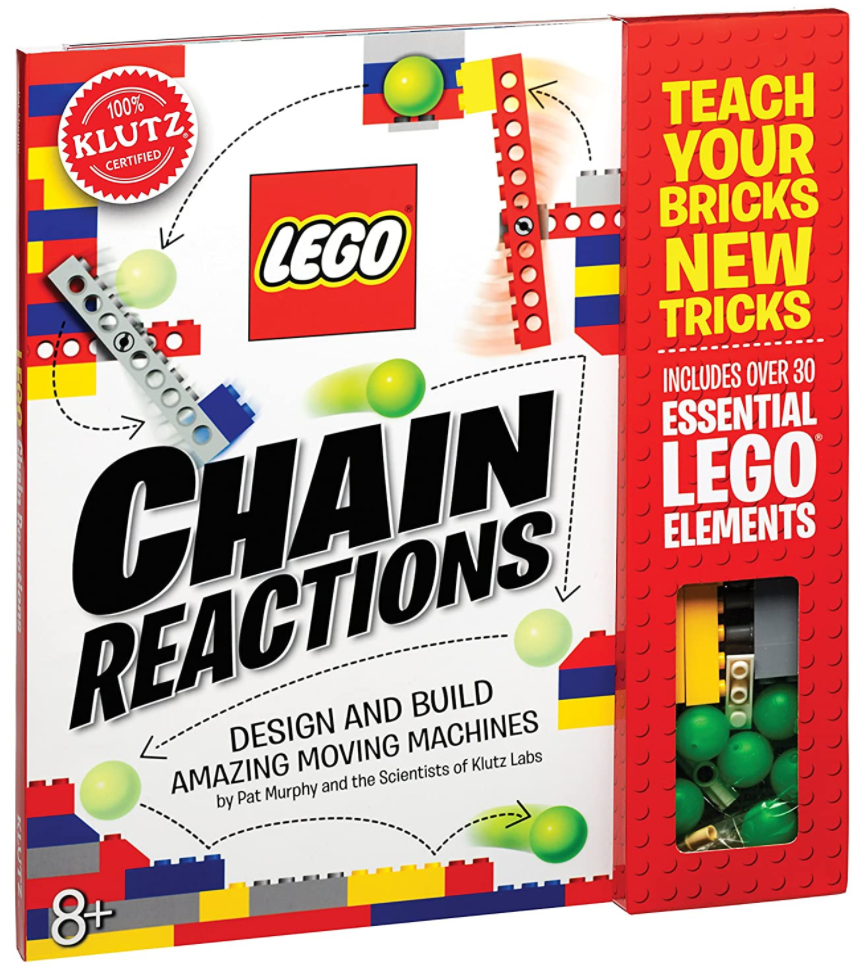
8. LEGO Chain Reactions
An ideal bridge into mechanical engineering, this Klutz-partnered LEGO building kit instructs children on how to construct functional, moving contraptions. By designing chain reactions where one physical action triggers another, users gain immediate, tangible confidence in their ability to manipulate physical forces, mechanics, and kinetic energy.
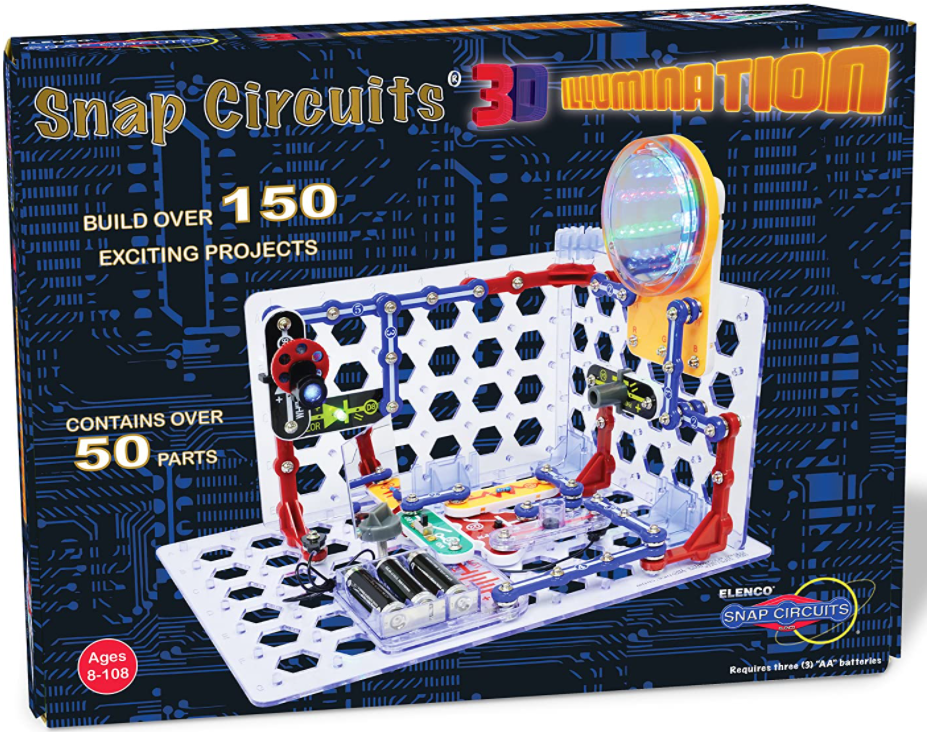
9. Snap Circuits 3D Illumination Electronics Exploration Kit
Snap Circuits is a gold standard in electronics education, allowing users to snap together modular plastic components to build functional circuits, lights, and sound systems safely. The 3D Illumination edition adds vertical dimension and visual flair to electronic experimentation, offering deep discounts during major e-commerce sales events and serving as an ideal foundational tool for budding electrical engineers.
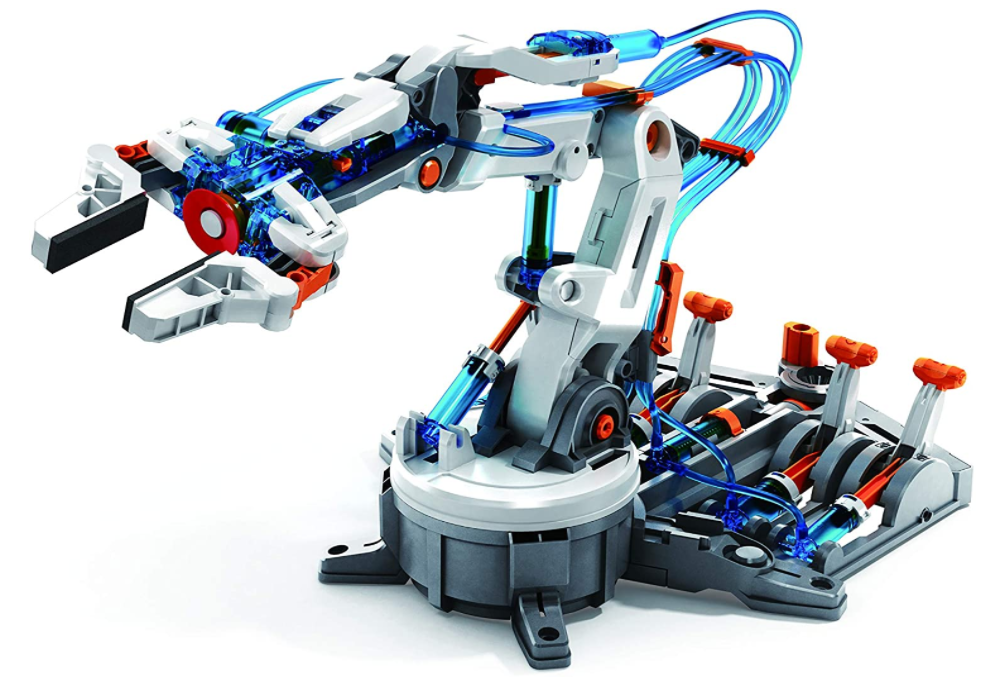
Introducing mechanical engineering through renewable energy concepts, the Elenco HydroBot Arm utilizes hydraulic plungers and a 270-degree rotational design to let children build and operate a functional robotic arm. By manipulating water pressure to grip, lift, and twist objects, children gain practical insight into fluid mechanics and mechanical advantage.
11. Botley The Coding Robot Activity Set
Designed for early childhood education, Botley provides a completely screen-free introduction to coding principles. Utilizing a remote programmer, young learners transmit sequential commands to direct the robot through mazes, navigate obstacle courses, and execute directional loops, establishing computational thinking habits before formal screen exposure begins.
12. Elenco TEACH TECH Mech-5 Robot Kit
For children ready for advanced mechanical coding, the Mech-5 is a programmable mechanical robot that kicks, throws, draws, and lifts. Programming is achieved physically via a coding wheel rather than a digital screen, requiring users to tinker with mechanical gears and operational sequences to solve complex movement challenges.
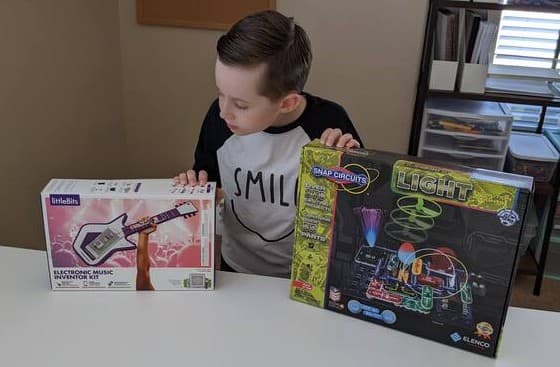
13. littleBits Electronic Music Inventor Kit
Merging art with engineering, this kit allows children to construct and customize their own electronic musical instruments, such as guitars, while programming their audio output via a companion app. It emphasizes modular component exploration and thrives in collaborative, small-group settings.
14. Kid K’NEX (Build-A-Bunch Set)
Tailored specifically for younger children and toddlers, Kid K’NEX utilizes soft, chunky, colorful plastic pieces that eliminate the safety hazards of traditional construction toys while retaining the foundational benefits of stacking, connecting, and spatial assembly. It lays the early groundwork for structural engineering through intuitive play.
15. Ravensburger GraviTrax XXL Marble Run
A modular, screen-free marble run built on a unique hexagonal grid system, the GraviTrax XXL set challenges spatial reasoning and architectural planning. Because the system relies entirely on physical mechanics—gravity, magnetism, and kinetic transfer—without electronics, it encourages open-ended experimentation and iterative design modifications.
Official Statements & Retail Industry Insights
Retail analysts and industry insiders emphasize that the structural shift toward early, digital-first shopping is permanent.
"The compression of the holiday shopping window into mid-November is no longer a temporary adjustment; it is the new baseline of retail operations," notes a prominent supply chain logistics coordinator. "Consumers demand immediate availability and online convenience, and merchants have structured their inventory rollouts for STEM toys specifically to meet this demand before Thanksgiving bottlenecks occur."
Educational toy manufacturers similarly report an increased emphasis on hybrid play models—toys that require physical assembly paired with digital enhancement, such as app-based coding interfaces. Industry advocacy groups stress that these tools are vital for bridging the gap between passive screen consumption and active digital creation.
Future Outlook
As the retail and educational landscapes continue to evolve, the market for STEM toys is projected to expand further. Future iterations of holiday sales cycles will likely see even earlier promotional launches, heavily integrated augmented reality (AR) product previews on e-commerce platforms, and a continued emphasis on sustainable, durable materials in toy manufacturing.
For consumers, the strategic takeaway is clear: waiting for the traditional post-Thanksgiving rush is increasingly obsolete. By leveraging early-November online-only promotions, parents and educators can secure high-value educational tools, avoid inventory shortages, and invest early in the developmental future of the next generation of engineers, coders, and scientists.