
Executive Overview
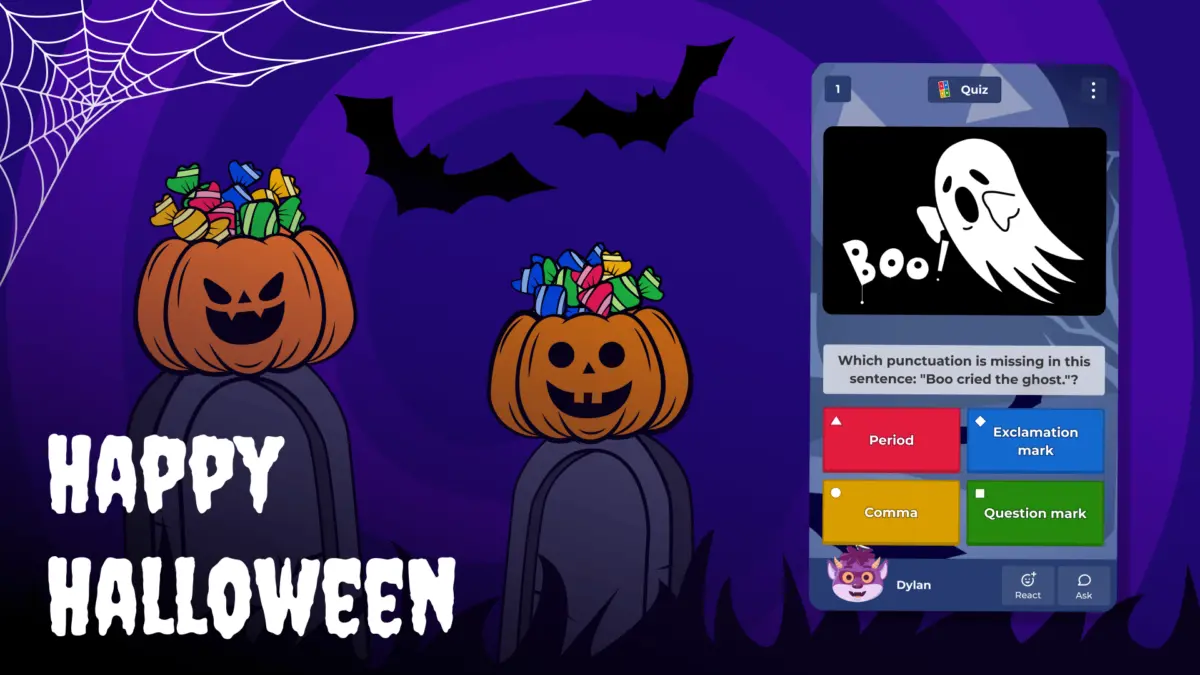
As the autumn leaves fall and the air turns crisp, classrooms, living rooms, and study groups around the world are embracing the eerie excitement of the spooky season. Yet, navigating the transition from the lazy days of late summer into the rigorous heart of the academic term can present distinct challenges for educators, parents, and students alike. Enter the gamification powerhouse Kahoot!, which has rolled out an expansive, curated suite of Halloween-themed learning content designed to inject playful excitement into study sessions, lesson plans, and festive get-togethers.
Far from being mere seasonal fluff, this year’s massive drop of ready-made educational content taps into beloved cultural phenomena—ranging from pop-culture juggernauts like Star Wars, Marvel, and Nickelodeon to academic powerhouses such as TED-Ed, the Museum of Science, and the World Wildlife Fund (WWF). By merging the intrinsic engagement of gamified learning with universally recognized characters and high-concept scientific inquiry, Kahoot! is transforming how students master core competencies. Whether it is foundational arithmetic disguised as a monster-math challenge, linguistic expansion through Wiktionary’s wicked vocabulary lists, or historical deep dives into the Salem Witch Trials, the platform proves that education and entertainment are not mutually exclusive. This report provides a comprehensive, authoritative breakdown of how teachers, parents, students, and lifelong learners can leverage these digital resources to optimize engagement during the most bewitching time of the year.
Detailed Chronology and Deployment of the 2026 Halloween Campaign
The rollout of seasonal educational campaigns has evolved significantly over the past decade. What once began as ad-hoc, user-generated trivia quizzes has matured into a sophisticated, highly coordinated digital publishing strategy involving global intellectual property (IP) holders, non-profit institutions, and educational authorities.
Phase 1: Conceptualization and Pedagogical Alignment (Late Summer)
Months before the first jack-o’-lantern is carved, the pedagogical team at Kahoot! collaborates with verified creators and enterprise partners to align upcoming seasonal content with standard curriculum frameworks. Recognizing that October marks a critical juncture in the academic calendar—often coinciding with the approach of the first major wave of mid-term examinations—curators focus heavily on foundational retention. For younger learners, the emphasis is placed on cognitive development, spatial reasoning, and early numeracy. For secondary and tertiary students, the focus pivots toward reinforcement of complex scientific concepts, such as lunar mechanics and ecological interdependence, ensuring that play time directly supports educational equity and outcomes.
Phase 2: Strategic IP Partnerships and Content Integration (Early October)
The official launch sequence relies heavily on cross-platform collaborations. By securing licenses and partnerships with major media entities—including Sanrio (Hello Kitty and Friends), Marvel, and Lucasfilm (Star Wars)—Kahoot! bridges the gap between formal schooling and informal digital leisure.
- The Media Convergence: The integration of iconic characters allows students to encounter mathematics and historical analysis within familiar narrative frameworks.
- Institutional Credibility: Simultaneously, partnerships with trusted educational organizations like TED-Ed, the Museum of Science, and Wiktionary lend academic rigor to the digital decks. This multi-layered approach ensures that content appeals across age demographics, from early childhood education to adult social gatherings.
Phase 3: Global Rollout and Real-Time Interactive Deployment
As October progresses, these digital courses and kahoots are deployed across web and mobile platforms (HTML5 browsers, iOS, and Android). Teachers integrate the modules into interactive whiteboards, parents deploy them via tablets during domestic travel or quiet afternoons, and students utilize them for self-paced revision. The platform’s analytics engine tracks engagement metrics in real-time, allowing educators to identify knowledge gaps while participants enjoy a seamless, game-show-style experience.
Supporting Context & Metrics: The Science of Gamified Learning
To understand the impact of Kahoot!’s Halloween initiative, one must examine the broader educational technology landscape. Gamification—the integration of game design elements such as points, leaderboards, and timed challenges into non-game contexts—has consistently demonstrated superior outcomes in cognitive retention and student motivation.
Cognitive Engagement and the Dopamine Loop
Neuroeducational research indicates that interactive quizzing stimulates dopamine production, reinforcing neural pathways associated with memory retrieval. When learning is framed as a playful, low-stakes competition (or cooperative challenge, depending on the game mode), the anxiety traditionally associated with testing is mitigated.

- Lowered Affective Filters: By wrapping complex topics—such as the phases of the moon or advanced English vocabulary—in spooky narratives and pop-culture motifs, learners experience a lowered affective filter.
- Sustained Attention Spans: The integration of visual stimulus, timed responses, and character-driven narratives maintains attention spans that might otherwise wane during traditional lecture formats.
Metrics of Multi-Demographic Reach
The utility of these collections extends across four distinct user personas, each benefiting from tailored digital assets:
- For Educators: Classrooms face the perennial challenge of maintaining momentum between the return to school and the winter holidays. Collections like TED-Ed’s historical explorations of Dracula and the Salem Witch Trials provide cross-curricular touchpoints, merging history, literature, and critical thinking. Similarly, channels dedicated to Nickelodeon and Disney allow teachers to anchor abstract science and language arts concepts in familiar narrative universes.
- For Parents: Domestic learning environments often struggle to compete with digital distractions. By utilizing resources like the Hello Kitty and Friends "Spooky Season" collection or Marvel’s "Midnight Monster Math" featuring Groot, parents can seamlessly blend playtime with foundational math practice. Furthermore, initiatives like the Peanuts ("It’s the Great Pumpkin, Charlie Brown") collection foster emotional literacy, helping children navigate themes of disappointment, hope, and social-emotional development.
- For Students: As mid-term exams loom, study fatigue becomes a significant barrier to academic success. High school and university-bound students can combat burnout by engaging with rigorous STEM content, such as the Museum of Science’s explorations of lunar phases or the WWF Wild Classroom’s deep dives into ecological stewardship. Language learners can simultaneously test their mettle against advanced lexicon using Wiktionary’s "Wicked words for Halloween" module.
- For Lifelong Learners: Beyond formal education, adult social settings—ranging from corporate team-building events to family game nights—benefit from cultural trivia. Collections curated via Wikipedia allow participants to test their knowledge of the historical origins of Halloween traditions, while intergalactic offerings like Star Wars: Happy Ghoul-actic Halloween provide lighthearted, tongue-in-cheek humor for broader audiences.
Official Statements and Educational Philosophy
The philosophy underpinning Kahoot!’s seasonal campaigns centers on the democratization of engaging, high-quality learning materials. While corporate announcements often emphasize the entertainment value of seasonal play, educational advocates stress the underlying structural benefits.
"With the season’s mood of mystery, Halloween is the perfect time to ignite students’ curiosity," notes the core educational advisory framework at Kahoot!. "By transforming core skills practice into an experience that is sweeter than candy—whether through decorating haunted houses with Sanrio characters or exploring the ecological value of misunderstood wildlife with the WWF—we remove the friction inherent in traditional study methods."
Pedagogical experts emphasize that seasonal themes act as a conceptual hook. When a student is asked to solve a subtraction puzzle, the inclusion of a Marvel hero or a Peanuts gang member changes the psychological framing of the task from a chore to an invitation. This alignment with intrinsic motivational drivers is what allows digital platforms to bridge the gap between formal classroom instruction and autonomous home learning.
Future Outlook: The Evolution of Seasonal and Gamified Education
Looking ahead, the success of campaigns like the 2026 Halloween learning initiative signals a broader trajectory for educational technology. Several key trends are poised to shape the future of digital learning platforms:
1. Hyper-Personalization Through Adaptive AI
As artificial intelligence becomes more deeply integrated into educational platforms, future seasonal modules will likely adapt in real-time to the individual user’s proficiency level. A student struggling with basic fractions within a Marvel-themed Halloween math quiz will automatically receive scaffolded support, while advanced learners will encounter increasingly complex problem sets without disrupting the overarching narrative flow of the game.
2. Deepening Institutional and Enterprise Collaborations
The blurring lines between formal education, corporate training, and casual entertainment suggest that seasonal campaigns will expand further into enterprise environments. Organizations increasingly recognize the value of gamified micro-learning for team building and corporate culture development during seasonal holidays. Expect future iterations to feature even broader cross-industry partnerships, merging global entertainment IPs with specialized professional development modules.
3. Expansion of Premium Ecosystems
To unlock the full potential of these curated libraries, platforms are increasingly directing users toward comprehensive subscription models. Tiers such as the Kahoot!+ Gold plans for K-12 schools, individual students, and personal home users provide unlimited, ad-free access to verified creator content and advanced reporting tools. This sustainable economic model ensures that high-production-value educational content will continue to receive the developmental backing necessary to compete with mainstream digital media.
Conclusion
As the digital education market matures, initiatives that successfully humanize and contextualize learning—turning abstract equations and historical dates into vibrant, shared experiences—will continue to define best practices in pedagogy. By turning the spooky season into an engine for intellectual discovery, Kahoot! has once again demonstrated that when learning is genuinely fun, the boundaries between the classroom and the playground dissolve entirely.

