
Navigating the Unthinkable: How a Single Snapchat Message Shattered a Family’s World
Executive Overview
In an era defined by instantaneous communication, seismic life events are frequently delivered through the same glowing glass screens we use for mundane daily banter. For one teenager straddling the Virginia-North Carolina border, an ordinary, tension-filled evening of holiday bickering was abruptly cleaved in two by a ping on Snapchat. What began as an adolescent annoyance—a father stepping in to quiet sibling squabbling ahead of the Christmas season—gave way to a profound, irrevocable reality: her uncle had died by suicide.
This investigative and narrative feature explores the intersection of sudden trauma, digital communication, and the complex psychological shockwaves left in the wake of unexpected loss. Set against the backdrop of the COVID-19 pandemic—a period characterized by acute isolation, disrupted social rituals, and heightened emotional vulnerability—this account traces the immediate aftermath of tragedy within a tight-knit Southern community. By examining the mechanics of sudden grief, the unreliability of disbelief as a defense mechanism, and the quiet ways families attempt to rebuild amidst catastrophe, this article sheds light on the broader societal challenge of youth mental health, suicide prevention, and the vital resources available to those in crisis.
Detailed Chronology: The Night the World Shifted
The evening began with the familiar, low-stakes friction of family life. It was late, past the hour when parents typically retreat to the quiet of their bedrooms, leaving siblings to navigate the twilight hours of domestic coexistence. Upstairs, the author’s mother was already asleep. Downstairs, a minor disagreement between siblings had escalated into verbal sparring—a routine so entrenched in the household dynamic that the family had affectionately earned the moniker "the Bickersons" over the course of twelve years.
Frustrated by her father’s intervention to quiet the argument, the teenager did what modern teenagers do: she turned to her smartphone. Opening Snapchat, she intended to message a cousin living across state lines. Because pandemic restrictions had scuttled traditional Thanksgiving gatherings, the cousins were hoping to coordinate a socially distanced, outdoor holiday light tour through a local neighborhood.
Instead of a chat box ready for logistical planning, her eyes locked onto an unread message.
It was uncharacteristically long and remarkably serious. The sender was an older cousin notorious within the family for pranks that frequently crossed the line, a jokester whose communications were rarely imbued with gravity. Yet, the message opened with an incongruously gentle, folksy Southernism: "Hey girl…"
The juxtaposition of the colloquial greeting with a medium carrying irrevocable news remains one of the defining cruxes of modern trauma. Within seconds, the digital screen delivered a devastating announcement: her uncle had died by suicide.
The disbelief was immediate and visceral. Operating on a psychological defense mechanism common in sudden trauma, the teenager fought back against the screen:
“is this a joke ????”
“you’re not joking, this isn’t a dare … really?????”
Cursing aloud—an uncharacteristic breach of household protocol that drew a sharp, tired reprimand from her father—she sank into the living room’s gray couch, wishing it were the worn green sofa of her childhood. In that suspended moment of psychological shock, her mind desperately bargained with reality. She wished the couch would swallow her whole, allowing her to wake up the next morning, dismiss the terrifying episode as an overactive dream-state, and spend weeks psychoanalyzing her own subconscious. In that imagined tomorrow, she would call her uncle. She would call her cousin and sternly warn her never to cross that line again.
Type… Delete. Type… Delete. Type… Delete.
Unable to process the weight of the words alone, she handed the phone to her father, demanding that he validate her skepticism and tell her how to reply to stop the "joke." But her father, exhausted from a long day at the office and facing a truncated night of sleep, exhibited an unnerving calmness. He did not dismiss the message. He recognized immediately that their cousin, for all her history of mischievious pranks, would never fabricate a tragedy of this magnitude.
"It’s not a joke," he said quietly. "It’s real."
What followed was a harrowing walk down the hallway to her parents’ bedroom. Watching her father wake her mother to deliver the news, the teenager witnessed the initial, protective barrier of sleep give way to outright denial.
The weeks that followed reshaped the family’s collective memory. Stories of her mother and uncle’s idyllic youth in the Outer Banks—tales of KISS albums, bus rides, beach days, rebellious curfews, and small-town camaraderie that the younger generation had viewed with lighthearted jealousy—were suddenly re-contextualized. The rose-tinted nostalgia of coastal innocence was abruptly stained with melancholy and retroactive regret.
Supporting Context & Metrics: The Pandemic, Youth, and Sudden Loss
The tragedy described above did not occur in a vacuum. It unfolded during the winter of 2020, a watershed moment in contemporary public health history where the intersection of pandemic lockdowns, social isolation, and heightened psychological strain placed unprecedented stress on communities across the United States.
The Pandemic Mental Health Landscape
Research from public health institutions, including the Centers for Disease Control and Prevention (CDC) and the Substance Abuse and Mental Health Services Administration (SAMHSA), indicates that the COVID-19 pandemic exacerbated underlying mental health conditions across virtually all demographics.
- Isolation and Grief: Disruptions to traditional mourning rituals—such as wakes, funerals, and communal gatherings—profoundly complicated the grieving process for families experiencing sudden losses.
- Youth Vulnerability: Adolescents and teenagers, already navigating critical developmental stages defined by peer socialization, experienced acute distress due to remote schooling, canceled extracurriculars, and physical separation from extended family networks.
- The Shock of Sudden Suicide Loss: Survivors of suicide loss (often referred to in clinical settings as "suicide loss survivors") face a statistically elevated risk of complicated grief, depression, and post-traumatic stress disorder (PTSD). When trauma is delivered digitally—bypassing the traditional, buffered environments of in-person communication—the psychological integration of the event can be severely delayed or disrupted.
The Dynamics of Small-Town Community Grief
In tight-knit rural and semi-rural communities—such as those spanning the Virginia-North Carolina border—an individual’s death reverberates exponentially. The uncle described by his niece was not merely an individual family member; he was a foundational pillar of his local community, characterized by an outgoing charisma, a knack for remembering obscure personal details, and an active civic presence.
When a pillar of a community dies by suicide, the community experiences a collective ontological shock. Neighbors, extended relatives, and acquaintances are forced to reconcile the public persona of warmth and generosity with the private, invisible pain that preceded the fatal act. This phenomenon highlights a critical public health education priority: mental health struggles frequently coexist with high-functioning social engagement and outward charm.
Official Statements & Institutional Responses
While personal narratives capture the micro-level devastation of suicide, public health officials emphasize that systematic frameworks, community interventions, and accessible crisis infrastructure are essential for prevention and postvention (support provided after a suicide).
Public Health Advisories on Suicide Prevention
In recent years, federal and state health agencies have modernized how society approaches crisis communication. The transition to the 988 Suicide & Crisis Lifeline in July 2022 marked a monumental shift in emergency mental health response, transforming a complex 10-digit national number into an easy-to-remember, three-digit dialing code available 24/7, free, and confidential.
"Suicide is preventable, and help is available. When communities experience sudden loss, the shockwaves can trigger secondary crises among surviving family members and peers. It is imperative that we normalize conversations surrounding mental health, remove the stigma of seeking help, and ensure that every individual—particularly youth navigating digital environments—knows that support is merely a phone call or text away," notes guidance from federal mental health authorities.
The Role of Postvention in Family Healing
Mental health professionals specializing in trauma recovery stress the importance of "postvention" as a form of suicide prevention. When a family experiences a loss by suicide:
- Open Communication: Experts advise age-appropriate, honest communication with younger family members to prevent the development of unmanaged trauma responses or harmful stigmatization.
- Professional Guidance: Engaging licensed grief counselors who specialize in sudden or traumatic loss can help family members process complex emotions such as guilt, anger, and disbelief.
- Compassionate Diversion: As seen in the narrative when the family impulsively adopted a rescued Rottweiler named Hollybelle from the ASPCA on Christmas Eve—wrapping toys and bedding so the dog wouldn’t feel left out—families often seek grounding, tactile comforts to anchor themselves amid emotional chaos. While pets cannot replace lost loved ones, acts of nurturing and care can provide a vital emotional bridge through the darkest phases of holiday grief.
Future Outlook: Building Resilience and Expanding Access to Care
As society continues to grapple with the long-term psychosocial fallout of the pandemic era, the imperative to build robust mental health infrastructure has never been more urgent. The future of suicide prevention relies on a multi-pronged approach encompassing education, technological responsibility, and community-level support.
1. Integrating Mental Health Literacy in Education
Schools and community centers are increasingly recognizing that emotional literacy is as foundational as academic proficiency. Equipping adolescents with the vocabulary to express distress, recognize warning signs in peers, and navigate digital communication responsibly can mitigate the risks associated with sudden trauma.
2. Reducing Stigma in Close-Knit Communities
In traditional or tight-knit regions, cultural stigma has historically hindered open discussions about depression and suicidal ideation. Future public health campaigns must continue to tailor messaging to rural and semi-rural demographics, emphasizing that seeking help is an act of strength rather than weakness.
3. Sustaining Crisis Infrastructure
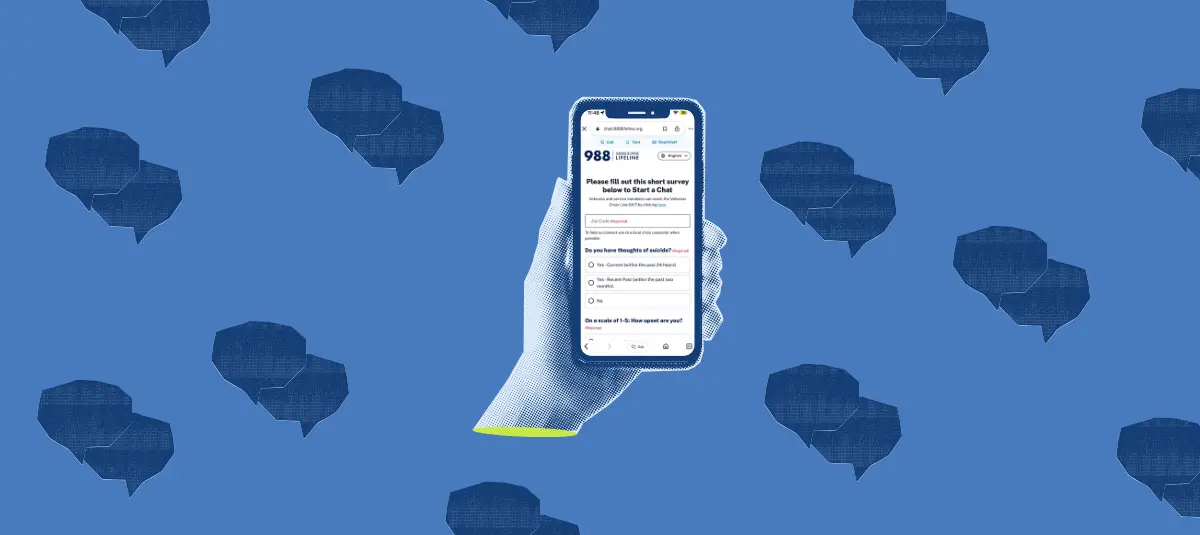
The ongoing expansion of the 988 Lifeline—supporting both voice calls and text/chat options—ensures that individuals who prefer digital communication (such as the teenager receiving a life-altering message via Snapchat) have immediate access to professional intervention. Ensuring stable funding and public awareness for these services remains a critical legislative and societal priority.
Conclusion
The story of that December evening serves as a poignant reminder of the fragility of human life and the profound interconnectedness of modern families. A notification on a smartphone screen forever altered a teenager’s understanding of grief, transforming a routine holiday squabble into a lifelong journey of healing and remembrance.
Yet, within the darkness of sudden loss lies an enduring message of hope: through open dialogue, community resilience, and unwavering access to professional support, families can navigate the unthinkable and honor the memories of those they have lost.
Immediate Support Resources
If you or someone you know is struggling or in crisis, help is available. You can call or text 988 or chat at 988lifeline.org.
It is equally important to take care of yourself when supporting someone through a difficult time, as doing so may bring up complex emotional responses. If you find yourself overwhelmed, please do not hesitate to reach out for professional support.

