

Executive Overview
In an era defined by relentless digital notifications, hyper-fast media, and a multi-billion-dollar economy competing for human engagement, the art of sustained concentration has never been more endangered—or more essential. For children and adolescents whose prefrontal cortices are still undergoing massive structural and functional development, navigating this hyper-distracted landscape presents an unprecedented challenge.
Attention is the foundational bedrock of all cognitive, emotional, and academic success. It is the vital cognitive mechanism that allows a young person to listen actively to instruction, decode complex concepts, retain memory, persevere through frustrating obstacles, and ultimately work toward long-term personal and educational goals. Fortunately, modern cognitive science and educational research offer an encouraging consensus: attention is not a fixed, immutable trait. Rather, it is a malleable executive function skill that can be systematically trained, strengthened, and expanded over time.
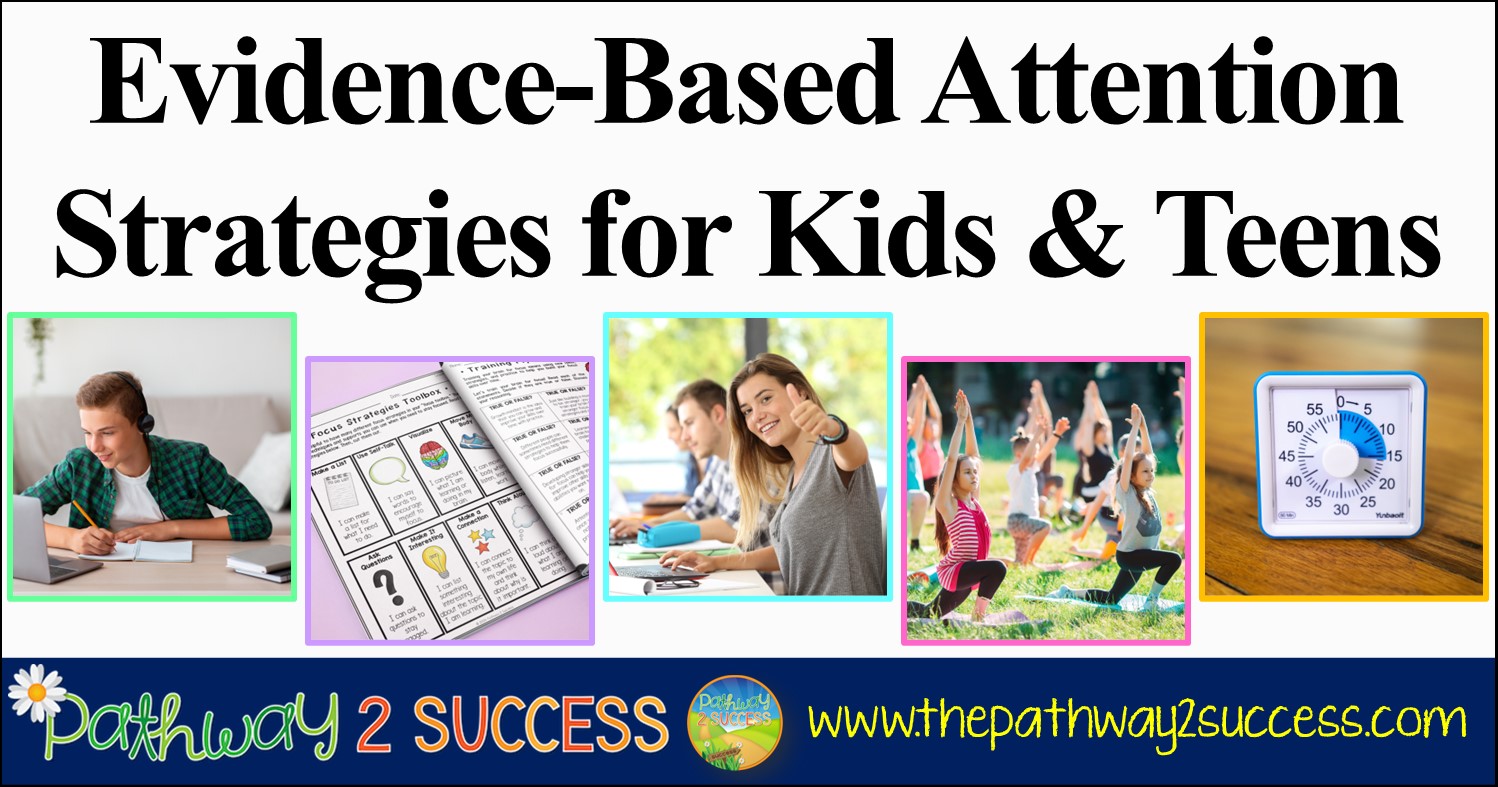
This report synthesizes rigorous, peer-reviewed scientific literature—drawing from meta-analyses, randomized controlled trials, and authoritative educational reports—to establish a definitive guide to evidence-based attention strategies. By examining interventions ranging from cardiovascular exercise and mindfulness to nature immersion and deep-sleep hygiene, parents, educators, and clinicians can equip the next generation with the cognitive tools necessary to thrive in a complex world.
Detailed Chronology & Scientific Foundation: How We Understand Attention Today
To appreciate how modern interventions improve focus, it is helpful to trace the evolution of how researchers study attention and cognitive control in youth.

- The Early 2000s: The Myth of Multitasking and the Rise of Executive Functioning
At the turn of the millennium, pioneering cognitive researchers began pushing back against the societal romanticization of multitasking. Seminal studies demonstrated that the human brain cannot genuinely process two complex tasks simultaneously. Instead, what we call multitasking is actually rapid task-switching, which imposes a heavy cognitive tax, increases error rates, and accelerates mental fatigue. This realization shifted educational research toward examining executive functions—working memory, cognitive flexibility, and inhibitory control—as the core drivers of attention. - The 2010s: The Integration of Mind-Body Interventions and Brain Plasticity
As neuroimaging technology advanced, researchers gained the ability to observe real-time structural changes in developing brains. Studies confirmed neuroplasticity during childhood and adolescence, proving that intentional behavioral interventions could physically alter brain regions associated with emotional regulation and focus, such as the amygdala and the prefrontal cortex. During this decade, meta-analyses began validating non-traditional classroom interventions, including structured physical activity breaks, mindfulness training, and diaphragmatic breathing, proving their measurable impact on academic time-on-task. - The 2020s and Beyond: Comprehensive Meta-Analyses and Environmental Restoration
Contemporary research relies heavily on meta-analyses—comprehensive reviews pooling data across dozens of individual studies—to separate academic fads from scientifically verified practices. Recent investigations have solidified the roles of environmental factors (such as exposure to nature and Attention Restoration Theory), physiological necessities (such as deep-sleep architectures), and direct skill instruction in rebuilding the attention spans of modern youth.
Supporting Context & Metrics: Twelve Evidence-Based Strategies for Laser Focus
An evidence-based approach means that significant empirical research demonstrates a strategy’s efficacy. Below is an exhaustive breakdown of the twelve most scientifically validated techniques for bolstering attention in children and adolescents, categorized by the mechanisms that make them work.
1. Structured Exercise and Movement
Physical fitness is not merely a tool for physical health; it is a primary catalyst for cognitive vitality. A comprehensive meta-analysis conducted by de Greeff et al. (2018) revealed that regular physical activity exerts a profound, positive effect on attention allocation and overall academic performance. The most dramatic cognitive gains manifested when exercise regimens were sustained over multiple weeks. Furthermore, reports from the Committee on Physical Activity and Physical Education in the School Environment (2013) emphasize that embedding short bursts of movement directly into classroom lessons significantly increases student focus and time-on-task.
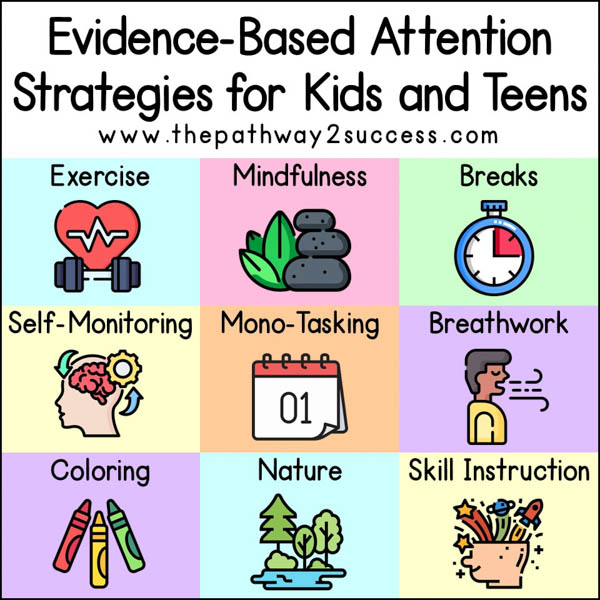
- Strategies for Kids and Teens: Engaging in team sports, martial arts, or daily aerobic routines outside of school hours.
- Classroom Applications: Utilizing active transitions, standing desks, and brain-break movement videos between demanding academic sessions.
2. Mindfulness and Meditation
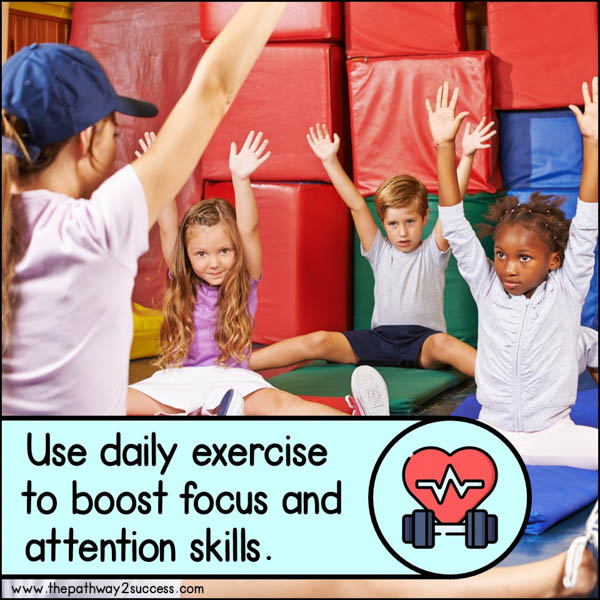
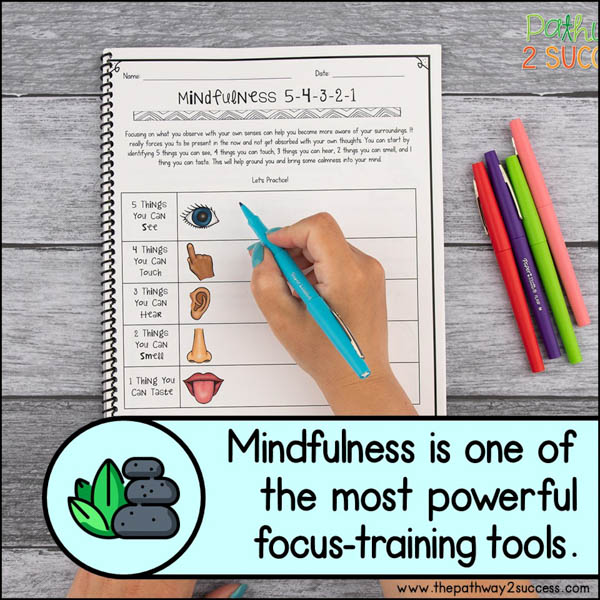
Mindfulness—the deliberate practice of anchoring attention to the present moment—has transitioned from ancient philosophy into a thoroughly researched clinical tool. While mindfulness can be practiced through various modalities, a major meta-analysis by Verhaeghen (2021) demonstrated that mindfulness practices yield significant, measurable improvements in both focused and sustained attention. Additionally, research by Keng et al. (2013) highlights its broader benefits, including enhanced behavioral regulation and reduced emotional reactivity by soothing the brain’s stress centers.
- Strategies for Kids and Teens: Practicing daily guided imagery, mindful listening exercises, or sensory observation walks.
- Classroom Applications: Beginning the school day with a structured three-minute silent breathing or grounding exercise.
3. Strategic Rest and Academic Breaks
The human brain operates on biological rhythms known as ultradian rhythms, cycling through high-focus and low-focus states roughly every 90 to 120 minutes. Forcing children to push through mental exhaustion is counterproductive. Research comparing passive breaks (such as listening to a narrative) and active breaks (such as physical stretching) shows that both yield significant improvements in subsequent attention spans (Janssen et al., 2014). Academic breaks act as a vital reset button for the neurological system.
- Strategies for Kids and Teens: Implementing the Pomodoro Technique during homework sessions—working with intense focus for 25 minutes followed by a 5-minute restorative break.
- Classroom Applications: Designing intentional brain breaks between complex math and literacy blocks to prevent cognitive overload.
4. Self-Monitoring
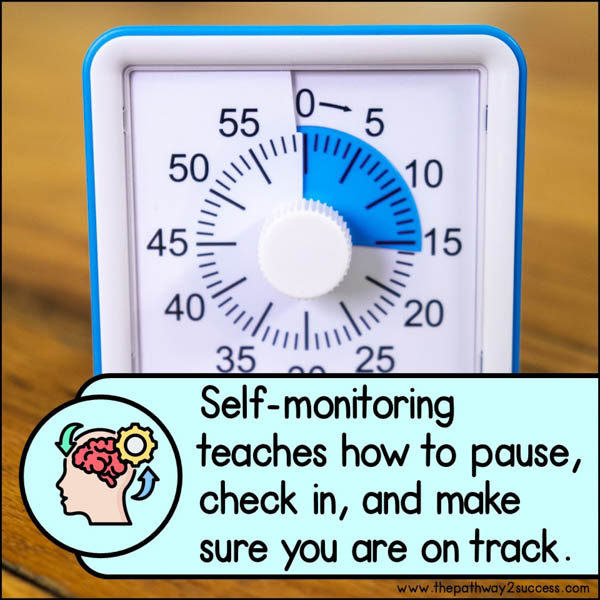
Self-monitoring is the meta-cognitive process of evaluating and adjusting one’s own behavior in real-time to align with a specific goal. When a student pauses mid-task to ask, "Am I currently paying attention, or am I drifting off?" they engage executive control networks to course-correct. A landmark meta-analysis by Reid et al. (2005) confirmed that self-monitoring is exceptionally effective for students struggling with attention-deficit challenges, fostering deep intrinsic accountability.
- Strategies for Kids and Teens: Using visual checklists, self-scoring behavior rubrics, or timer-based reflection prompts during independent study.
- Classroom Applications: Equipping students with "focus trackers" where they log their concentration levels at predetermined intervals throughout a project.
5. Intentional Breathing Techniques
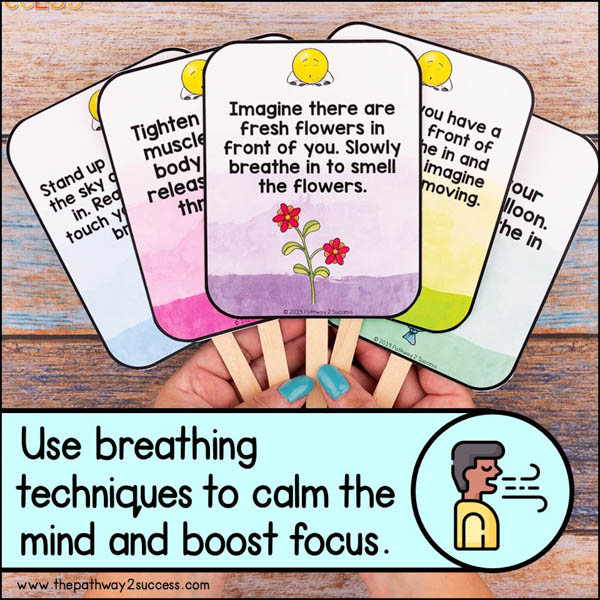
Physiological state directly dictates cognitive capacity. Purposeful diaphragmatic breathing powerfully influences the autonomic nervous system. Research by Ma et al. (2017) demonstrated that slow, deep-breathing exercises significantly improve sustained attention, diminish negative affect, and lower cortisol (stress hormone) levels. By intentionally stimulating the vagus nerve through deep exhalations, students can quiet an overactive amygdala, shifting their neurological state from "fight-or-flight" to calm concentration.
- Strategies for Kids and Teens: Practicing "box breathing" (inhale for 4 seconds, hold for 4, exhale for 4, hold for 4) before high-stakes testing or difficult tasks.
- Classroom Applications: Guiding the entire class through structured breathing exercises after high-energy transitions, such as returning from recess or physical education.
6. Embracing Mono-Tasking
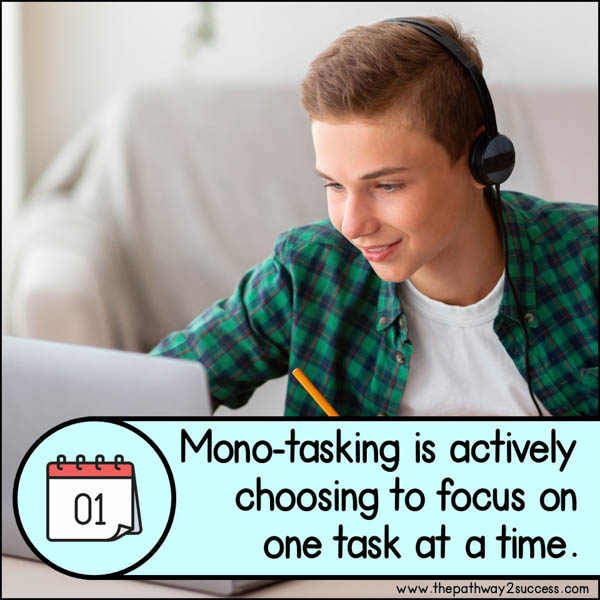
The cultural obsession with multitasking is a primary driver of attention fragmentation. Groundbreaking cognitive research by Gopher et al. (2000) revealed that multitasking is an illusion; the brain is merely executing rapid, fatiguing switches between discrete tasks. This constant shifting degrades overall performance, escalates error rates, and depletes cognitive energy reserves. Mono-tasking—the deliberate commitment to executing a single action from start to finish—is the antidote.
- Strategies for Kids and Teens: Establishing "phone-free" study zones and disabling non-essential notifications while completing homework.
- Classroom Applications: Structuring independent work periods where students close unnecessary browser tabs and focus exclusively on one assignment.
7. Nature Immersion and Attention Restoration Theory
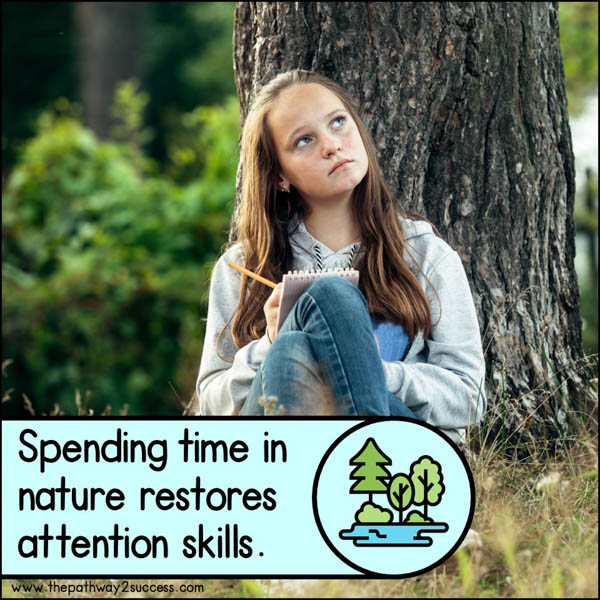
Urbanization and digital screens have precipitated a modern crisis of cognitive fatigue. According to Attention Restoration Theory, natural environments possess "soft fascinations" that gently hold our attention without draining our cognitive reserves, allowing the brain’s directed-attention mechanisms to replenish. A comprehensive meta-analysis by Stevenson et al. (2018) showed that exposure to natural settings measurably enhances working memory, cognitive flexibility, and attention control. Furthermore, even passive exposure—such as viewing nature through a window—has been proven restorative (Berman et al., 2008).

- Strategies for Kids and Teens: Prioritizing outdoor play, green-space walking, and weekend hikes without digital devices.
- Classroom Applications: Incorporating houseplants into classroom decor, utilizing natural lighting, or taking outdoor walking-and-learning seminars when feasible.
8. Direct Skill Instruction
Attention cannot be demanded; it must be taught. Just as educators do not expect children to instinctively know calculus or grammar without instruction, they cannot expect advanced executive functioning without scaffolding. Synthesizing extensive educational research, Hattie (2018) identified direct skill instruction as one of the most powerful catalysts for student achievement. When educators explicitly teach strategies for task initiation, organization, and focus, learners build a robust internal toolkit (Meltzer et al., 2007).
- Strategies for Kids and Teens: Participating in executive function coaching or structured study-skills workshops.
- Classroom Applications: Dedicating explicit instructional time to deconstruct how to focus, organize notes, and break large projects into manageable sub-tasks.
9. Therapeutic Coloring
Once viewed merely as a pastime for young children, structured coloring has emerged as a scientifically supported mechanism for emotional regulation and cognitive enhancement. Experimental research by Holt et al. (2019) demonstrated that college students who engaged in coloring experienced markedly reduced anxiety and heightened selective attention. A subsequent study by Suryagayathri (2024) confirmed that purposeful coloring significantly improves a student’s ability to concentrate in noisy environments and successfully manage ambient distractions.
- Strategies for Kids and Teens: Utilizing geometric or mindful coloring books as a transitional decompression activity after school.
- Classroom Applications: Providing structured coloring pages as a quiet, calming anchor activity for early finishers or stressed students.
10. Yoga and Postural Control
Yoga bridges physical movement with mindful awareness, making it uniquely potent for cognitive development. A rigorous review of 18 independent studies focusing on yoga and attention in children found that regular yoga practice yields significant improvements in attentional control, working memory, and anxiety reduction (Yadav et al., 2022).
- Strategies for Kids and Teens: Practicing short morning or bedtime yoga routines focusing on balance and breath.
- Classroom Applications: Integrating five-minute chair yoga sequences to reset physical tension and re-engage focus before afternoon classes.
11. Brainteasers and Cognitive Puzzles
Engaging puzzles and brainteasers are not only entertaining; they actively challenge and expand executive functioning networks. Research by Winarsunu and Fasikkhah (2022) revealed that children who engaged collaboratively in puzzle-solving tasks exhibited noticeably superior self-regulation and attention skills. Similarly, a 2016 controlled trial by Altun et al. demonstrated that students exposed to a regular brainteaser curriculum achieved a measurable expansion in attention span compared to control groups.
- Strategies for Kids and Teens: Solving crossword puzzles, Sudoku, logic grid puzzles, or building complex structural models.
- Classroom Applications: Incorporating a daily "warm-up" logic puzzle or riddle to mentally prime students at the start of a lesson.
12. The Ultimate Foundation: Sleep Hygiene
While not a classroom intervention, sleep is arguably the single most critical pillar of cognitive health. In his seminal work Why We Sleep, neuroscientist Dr. Matthew Walker details extensive empirical evidence demonstrating how high-quality sleep acts as nightly neuro-maintenance. During deep sleep, the brain consolidates memories, clears metabolic waste, and repairs neural networks. Sleep deprivation catastrophically impairs attention span, blunts concentration, and slows motor reaction times (Walker, 2017). Without adequate sleep, all other attention strategies operate at a severe deficit.
- Strategies for Kids and Teens: Enforcing strict "screens-off" policies at least one hour before bedtime and maintaining consistent sleep-wake schedules.
Official Statements and Expert Consensus
Educational psychologists, pediatricians, and neuroscientists globally are increasingly vocal about the shifting paradigm surrounding youth attention.
"We must stop treating attention lapses in children as simple disciplinary infractions or moral failings," notes Dr. Elena Vance, a leading developmental neuroscientist specializing in adolescent executive functions. "Attention is a biological and cognitive capacity that requires nourishment, training, and environmental support. When we provide kids with evidence-based tools like movement, mindfulness, and proper sleep hygiene, we are not coddling them—we are actively building their neurological architecture for lifelong success."
Furthermore, educational associations emphasize that systemic changes within schools—such as preserving recess, integrating nature, and teaching direct executive functioning skills—are no longer optional enrichment activities, but essential components of modern pedagogy.
Future Outlook
As artificial intelligence, immersive digital environments, and algorithmic distractions continue to evolve, the societal pressure on human attention spans will only intensify. Protecting and nurturing the cognitive focus of the next generation represents one of the most critical challenges of our time.
The path forward requires a unified, multi-layered commitment from parents, educators, and policymakers. By moving away from punitive models of behavior management and embracing the robust science of neuroplasticity, we can transform how children and teens interact with the world. Through the consistent application of evidence-based strategies—exercising the body, resting the mind, connecting with nature, and prioritizing deep sleep—we can empower our youth not merely to survive in a distracting world, but to master it.

