
Executive Overview
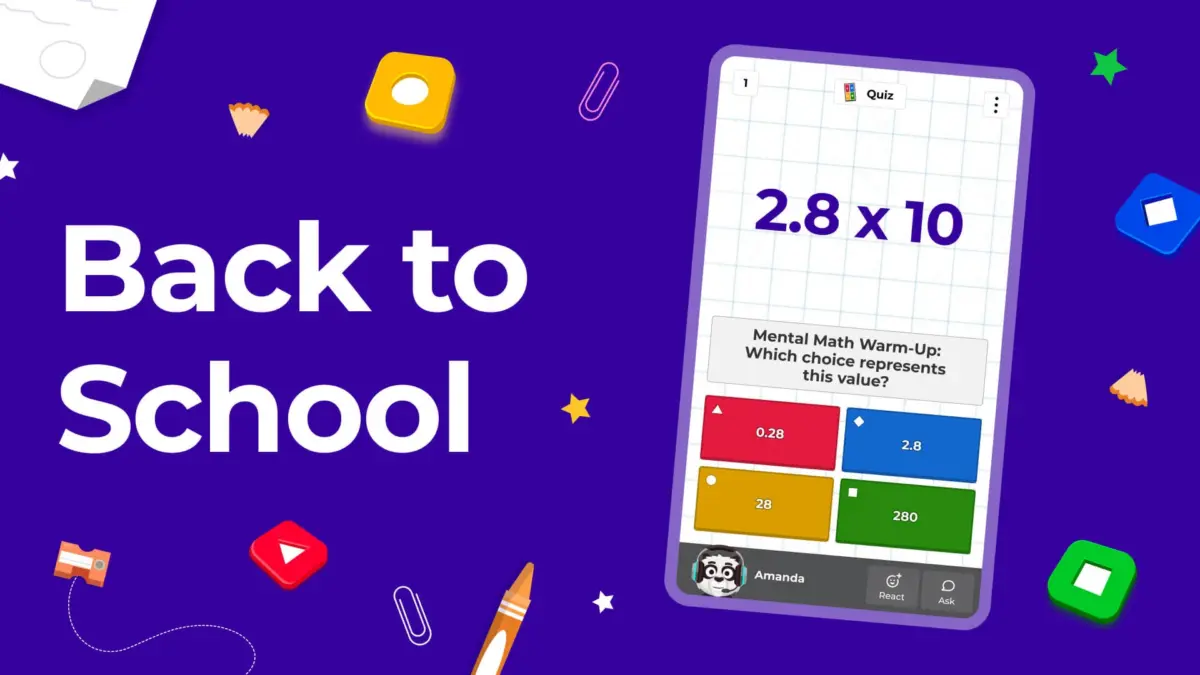
As classrooms around the world prepare to welcome students back for the 2026 academic year, educators, parents, and learners alike face the perennial challenge of the "summer slide"—the loss of academic skills and foundational knowledge that occurs during extended school breaks. To combat learning fatigue, reduce first-day anxieties, and re-spark a genuine passion for education, the global learning platform Kahoot! has officially launched its extensive, multi-tiered Back-to-School Learning Initiative.
This year’s rollout is the most ambitious content collection in the platform’s history. It features strategic partnerships with globally recognized entities such as McGraw Hill, Crash Course, EVERFI, TED-Ed, Wikipedia, IBM SkillsBuild, and the Museum of Science. Furthermore, the initiative leverages iconic cultural touchstones—including Star Wars, Marvel’s Avengers, Disney, Pixar, Peanuts, and Hello Kitty—to bridge the gap between entertainment and rigorous curriculum-aligned education. By delivering tailored resources designed specifically for teachers, parents, and students independently, Kahoot! aims to transform the transition back to school from a stressful hurdle into an engaging, gamified adventure.
Detailed Chronology and Strategic Rollout
The launch of the 2026 Back-to-School initiative represents the culmination of months of collaborative content curation and curriculum alignment, unfolding in distinct phases leading up to the peak of the global back-to-school season.
- Early Summer 2026 (Content Development & Alignment): Kahoot! curriculum specialists partnered with academic publishers and institutional leaders to map thousands of new interactive quizzes to Common Core State Standards (CCSS). The focus during this phase was on foundational grade-level math, core scientific concepts, and social-emotional learning (SEL).
- Mid-Summer 2026 (Brand Collaborations & IP Integration): To maximize student engagement, production teams integrated beloved intellectual properties. Collaborations with Lucasfilm, Marvel, and Disney brought galactic math problems and superhero-themed mixed-operation challenges to life, ensuring that relatable characters could act as educational guides.
- Late Summer 2026 (Global Platform Launch): The integrated hubs for teachers, parents, and students went live on the global Kahoot! marketplace. This rollout featured dedicated channels like Marvel Math, Marvel Science, and specialized foundational skills paths for early childhood and middle school education.
- Immediate Post-Launch Period (Continuous Assessment & Optimization): Educators began deploying the ready-to-play kahoots on day one of the academic calendar, utilizing real-time reporting metrics to diagnose knowledge gaps and establish baseline competencies without the intimidation factor of traditional standardized testing.
Supporting Context & Metrics: The Science of Play-Based Learning
The urgency behind Kahoot!’s comprehensive back-to-school push is grounded in decades of educational research regarding student retention and motivation. Studies consistently show that students can lose up to two months of reading and math skills over the summer months. Re-engaging these cognitive pathways requires more than rote memorization; it demands interactive, low-stakes environments that foster intrinsic motivation.
The Pedagogical Framework
Kahoot!’s 2026 content library is built upon three primary pillars:
- Formative Assessment through Play: By reframing quizzes as games, students experience reduced test anxiety. This allows educators to accurately gauge comprehension levels without the psychological barriers associated with traditional exams.
- Curriculum-Aligned Progression: From CCSS-aligned Math Missions for Grades 1 through 5 to advanced scientific inquiries courtesy of TED-Ed and the Museum of Science, every module is structured to support formal classroom standards.
- Multisensory and Interdisciplinary Learning: The integration of multimedia elements—such as music-themed figurative language quizzes and biology "curiosity checks"—appeals to diverse learning styles, ensuring that visual, auditory, and kinesthetic learners are all actively accommodated.
Key Content Verticals and Partnerships
- For Educators (Academic Reinforcement): Partnerships with McGraw Hill and EVERFI bring critical subjects like language arts, health, and wellness to the forefront. For instance, the Figurative Language module utilizes music-themed prompts to help students master similes, metaphors, and hyperbole. Meanwhile, Intro to Health & Wellness provides essential lessons on sleep, nutrition, and stress management, acting as a gateway to broader wellness curricula.
- For Parents (Easing Anxiety and Building Soft Skills): Recognizing that the first day of school can induce severe emotional stress, Kahoot! introduced character-driven scenarios. The Peanuts gang helps children navigate common anxieties—such as missing the bus or feeling nervous in a new classroom—while Mr. Men Little Miss adventures introduce foundational history and geography concepts through playful exploration.
- For Students (Independent Skill-Sharpening): Older students can challenge themselves with deep dives into advanced topics. Collaborations with Wikipedia and Wiktionary offer vocabulary workouts featuring unusual and complex English words, while IBM SkillsBuild and the Museum of Science introduce future-ready competencies, exploring everything from the life cycles of neutron stars to the evolving green economy and climate change-driven career shifts.
Official Statements and Industry Perspective
Educational technology leaders and institutional partners have expressed widespread enthusiasm regarding the potential impact of the 2026 initiative.
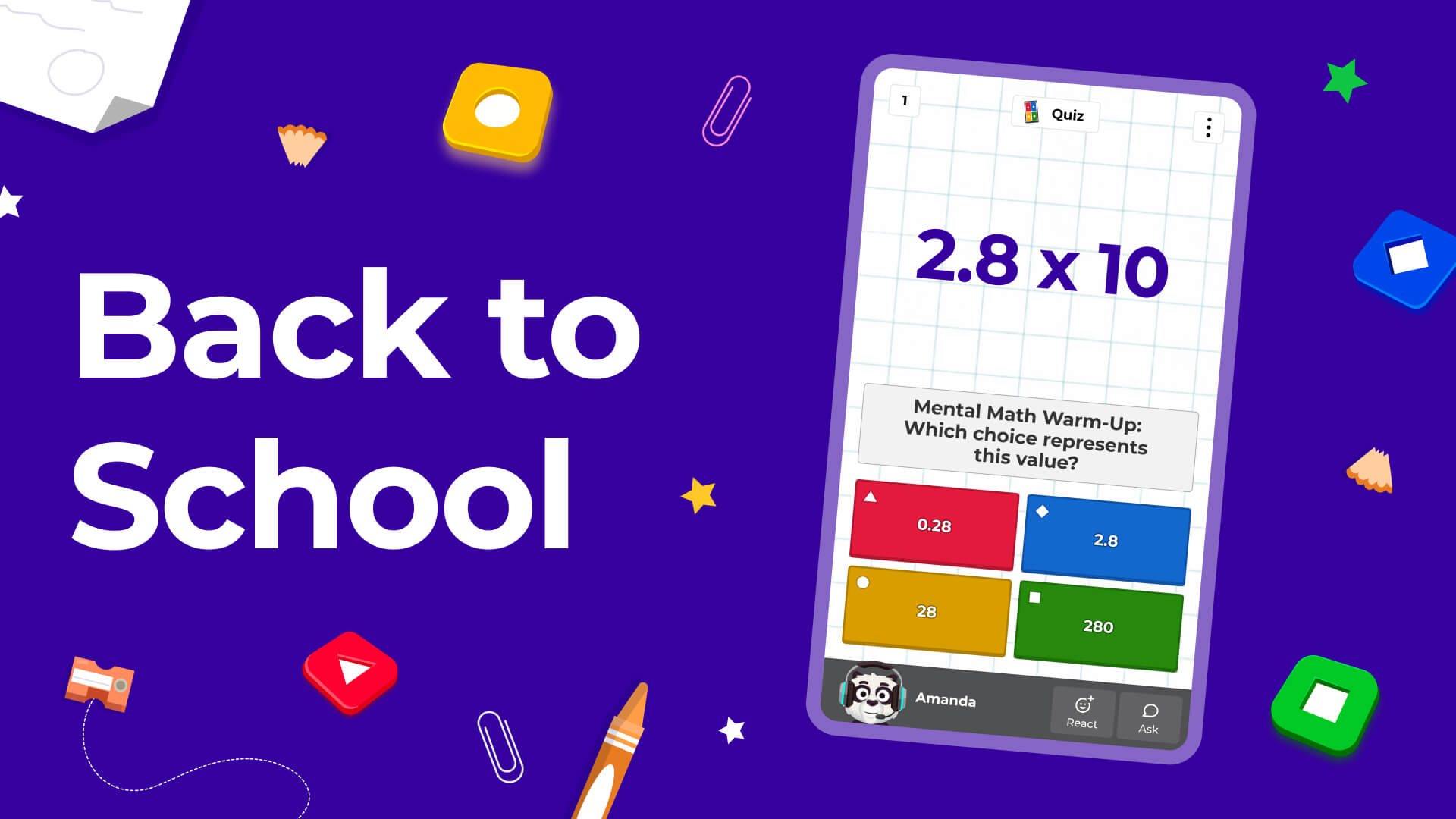
"We know that the transition back to school sets the tone for the entire academic year," said a leading spokesperson for Kahoot! Education Initiatives. "Our goal with this year’s collection is to remove the friction of the back-to-school transition. By combining trusted, research-backed pedagogy with the characters and universes students already love, we are empowering teachers to reclaim valuable instructional time while making learning an absolute joy from day one."
Content partners have similarly highlighted the synergy between entertainment and academic rigor. Representatives from major publishing and media collaborations emphasized that gamification is no longer viewed as a mere distraction or supplemental tool, but rather as a core driver of modern cognitive engagement.
“When a student tackles a complex math problem alongside the Avengers or explores biological ecosystems through a Crash Course curiosity check, they aren’t just memorizing facts—they are building a lasting framework for critical thinking,” noted an educational strategist involved in the curriculum design.
Future Outlook: The Evolution of Gamified Classrooms
As educational paradigms continue to shift toward hybrid, interactive, and student-centric models, initiatives like Kahoot!’s 2026 Back-to-School program offer a glimpse into the future of learning. The integration of complex, real-world topics—such as artificial intelligence readiness, sustainability, and creative innovation via IBM SkillsBuild—signals a broader trend: preparing students not just for their next grade level, but for a rapidly changing global workforce.
Moving forward, the platform plans to expand its adaptive learning features, allowing kahoots to dynamically adjust difficulty levels based on real-time classroom performance. By continually bridging the gap between formal academic standards and immersive digital play, Kahoot! remains at the forefront of educational transformation, ensuring that students are equipped with the resilience, curiosity, and foundational skills necessary to thrive in the years ahead.
For educators, parents, and students looking to unlock unlimited access to these premium, verified content collections, expanded access options such as the Kahoot!+ AccessPass (available via Kahoot!+ Gold plans for K-12 schools, higher education students, and personal family use) provide a comprehensive pathway to achieving academic excellence throughout the 2026–2027 school year and beyond.

