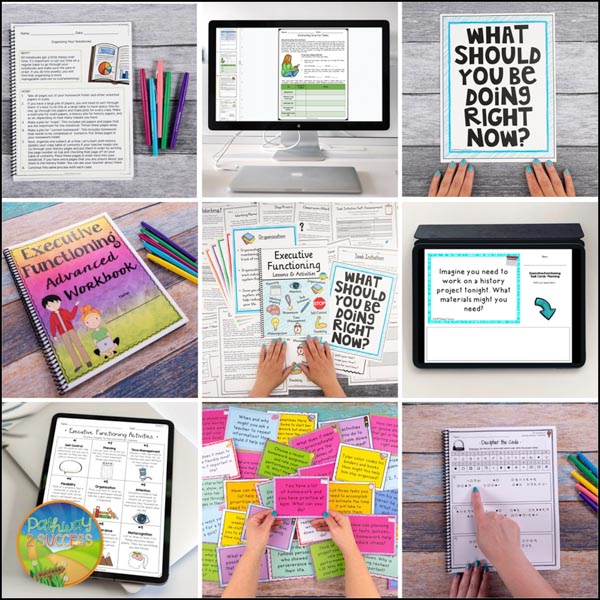
In modern classrooms spanning from primary school art projects to high school calculus courses, an invisible curriculum dictates student success. While academic rigor often commands the spotlight, cognitive architecture operates quietly beneath the surface. Every teacher, regardless of their subject specialty, is inherently a teacher of executive functioning skills—the foundational, brain-based processes that govern how students plan, prioritize, organize, regulate attention, and navigate complex challenges.
As educational paradigms shift to address declining attention spans, post-pandemic learning gaps, and the escalating complexities of the 21st-century workplace, the intentional integration of executive functioning (EF) into daily instruction has transitioned from a progressive luxury to an educational necessity. By embedding cognitive strategies directly into existing core curricula, educators are unlocking a powerful pathway to foster student independence, emotional resilience, and lifelong academic achievement. This report explores the critical importance of executive functioning, examines practical classroom integration frameworks, and outlines actionable routines that empower educators to cultivate these indispensable skills without overburdening their instructional time.
Detailed Chronology: The Evolution of Executive Functioning in Modern Pedagogical Frameworks
To understand where educational strategy is heading, it is vital to trace how executive functioning migrated from neuropsychology laboratories into mainstream K-12 pedagogical frameworks over the past few decades.
Late 20th Century (The Neurological Foundations): Historically, executive functioning was a concept primarily restricted to cognitive psychology and clinical neuropsychology. Researchers identified the prefrontal cortex as the command center for goal-directed behavior, working memory, and impulse control, but these insights rarely crossed over into everyday K-12 teaching methods.
Early 2000s (Recognizing the Neurodiversity Gap): As educational research began unpacking the disparities in student academic performance—particularly among students with ADHD, autism spectrum conditions, and specific learning disabilities—scholars recognized that academic failure was frequently a byproduct of underdeveloped EF skills rather than a lack of intellectual capability.
The 2010s (The Social-Emotional Learning [SEL] Synergy): Educational reforms began coupling SEL frameworks with cognitive science. Teachers started realizing that emotional regulation and cognitive control are deeply intertwined. During this period, foundational tools, task cards, and explicit strategy toolkits began emerging to help educators address metacognition and self-monitoring in the classroom.
Present Day (Mainstream Curricular Integration): Today, educators and curriculum designers acknowledge that isolating executive functioning into remedial pull-out sessions is insufficient. The contemporary approach emphasizes universal design and integrated instruction, where executive functioning strategies—such as structured planning, task initiation routines, and flexible thinking exercises—are woven seamlessly into math, science, history, and language arts on a daily basis.
Supporting Context & Metrics: Why Every Teacher is an Executive Functioning Teacher
Executive functioning encompasses a suite of core cognitive competencies managed primarily by the frontal lobe of the brain. These skills are not innate; rather, they develop gradually from infancy well into early adulthood. When educators understand the specific components of EF, they can better diagnose where breakdowns occur in student performance.
The Core Pillars of Executive Functioning in Academics
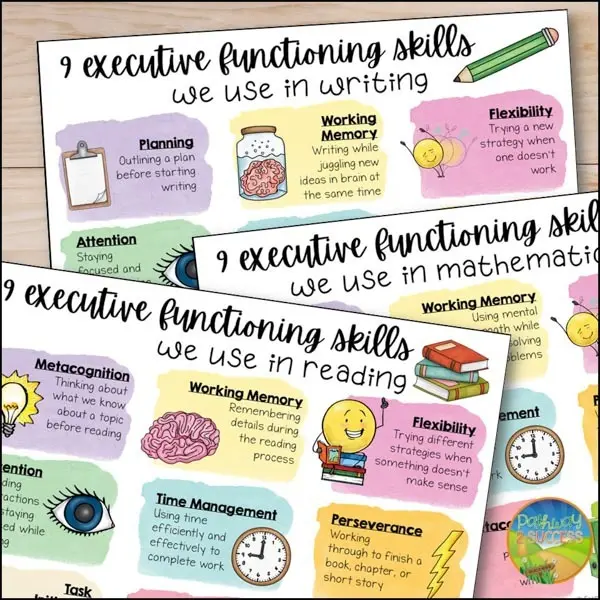
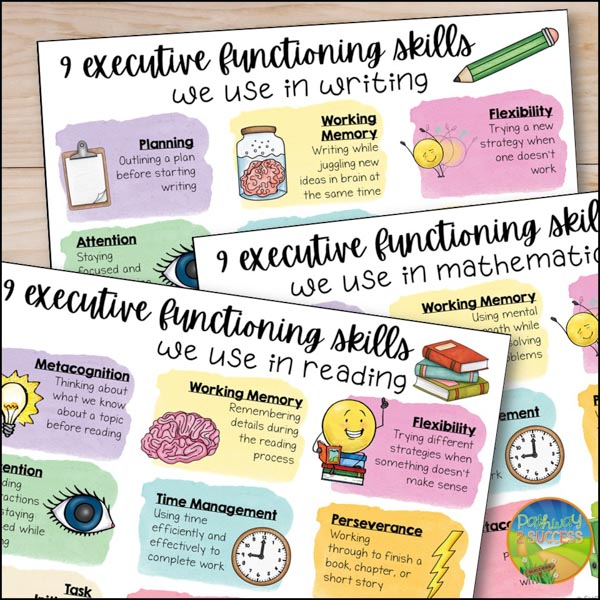
Planning & Prioritization: The ability to map out the necessary steps to achieve a goal. In an 8th-grade English essay, this translates to outlining paragraphs, sourcing evidence, and managing drafting deadlines.
Metacognition: "Thinking about thinking." This allows students to evaluate their own comprehension, recognize when they do not understand a concept, and adjust their learning strategies accordingly.
Organization: The systemic management of physical materials, digital files, and conceptual information.
Task Initiation: The capacity to overcome procrastination and begin a task in a timely, efficient manner.
Attention & Focus: Sustaining concentration on tasks, discussions, or texts despite internal and external distractions.
Time Management: Estimating how long tasks will take and pacing oneself effectively across assessments or projects.
Self-Monitoring & Self-Control: The ability to check in on one’s progress toward a goal and inhibit impulsive reactions in favor of thoughtful, regulated choices.
Perseverance & Flexible Thinking: Working through difficult obstacles (problem-solving) and adapting when plans change or alternative perspectives are introduced.
The Cost of Unaddressed Executive Dysfunction
Research consistently demonstrates that students struggling with executive functioning are at a significantly higher risk for academic underachievement, chronic frustration, and school disengagement. When a student fails to turn in a homework assignment, it is often misconstrued as laziness or apathy when, in reality, it represents a breakdown in task initiation or organization. By reframing these challenges through a cognitive lens, educators can replace punitive measures with scaffolded skill-building strategies.
Official Statements and Pedagogical Insights
Educational leaders and cognitive specialists agree that teaching executive functioning should not require a complete overhaul of existing lesson plans. Instead, it relies on intentional micro-adjustments during regular instruction.
"Every educator has the power to intentionally target executive functioning skills during the day using their existing curriculum and content," notes curriculum development specialists. "It doesn’t have to be complicated. By embedding simple, targeted prompts into math problems, writing workshops, and science labs, we give students the scaffold they need to cross the bridge from dependent learners to independent thinkers."
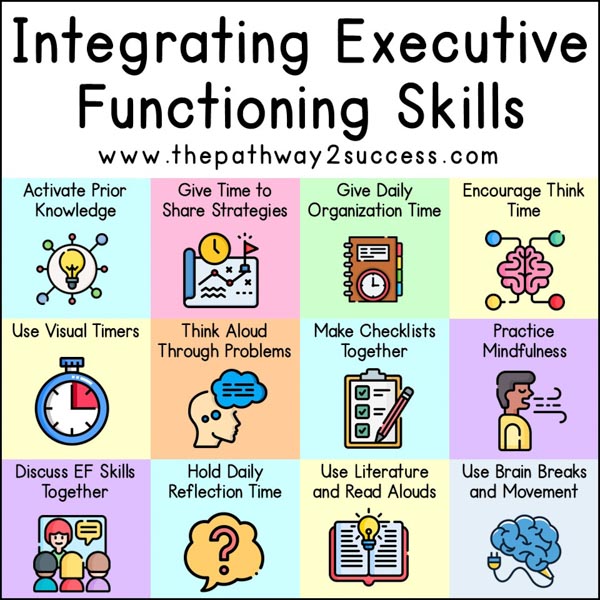
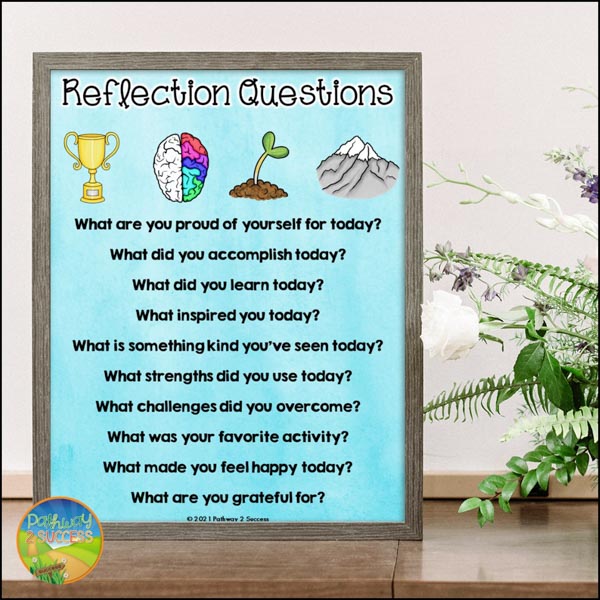
Experts emphasize that direct explicit instruction combined with contextualized practice yields the highest retention rates. Teachers do not need to carve out an entirely new subject block; rather, they can utilize dynamic bell-ringers, reflective end-of-class check-ins, and strategic questioning to bring these cognitive processes to the forefront.
Simple Strategies for Daily Integration
For Planning: Break complex long-term projects into micro-milestones with built-in interim check-ins. Provide graphic organizers that visually map out the chronological steps required for assignments.
For Task Initiation: Use visual timers, establish predictable opening routines, and encourage students to write down the very first small step they need to take before beginning independent work.
For Attention & Self-Control: Incorporate movement breaks, leverage positive self-talk framing, and guide students through short metacognitive pauses to re-center focus.
For Perseverance: Celebrate the problem-solving process over the final answer. Normalize mistakes as essential milestones of neuroplasticity and cognitive growth.
Future Outlook: The Next Frontier in Student Independence
As schools continue to adapt to a rapidly evolving technological landscape filled with constant digital stimulation, the demand for robust executive functioning skills will only intensify. Future-ready learners will need to navigate information overload, filter out noise, pivot rapidly in the face of shifting workplace demands, and direct their own continuous learning journeys.
To prepare students for this reality, schools are increasingly investing in structured, year-round executive functioning frameworks. Moving forward, professional development for educators will place an even heavier emphasis on cognitive science, equipping teachers with the vernacular and toolkits necessary to support neurodiverse learners and neurotypical students alike.
Expanding the Toolkit: Beyond the Core Lesson
To maintain momentum, forward-thinking classrooms are adopting creative, low-friction daily routines that keep executive functioning top-of-mind:
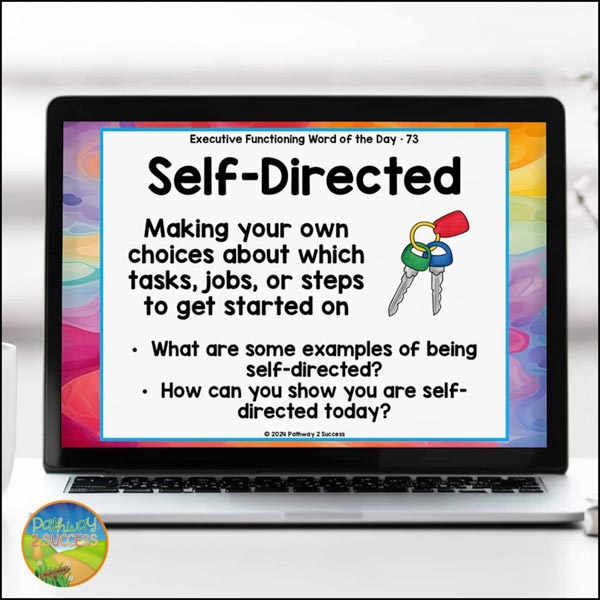
Executive Functioning Word of the Day: Introducing terms like momentum, adapt, routine, self-discipline, and neuroplasticity as bell-ringers to spark critical thinking.
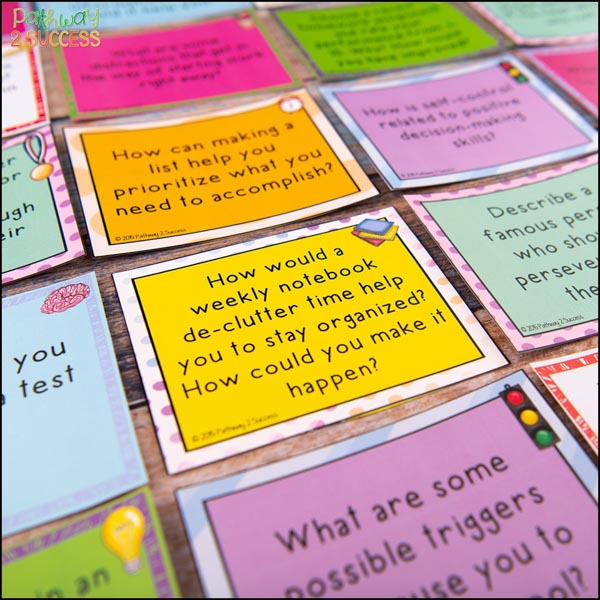
Discussion Cards & Task Prompts: Engaging students in dialogue regarding real-world application, such as exploring how making a priority list minimizes stress or how self-control supports positive decision-making.
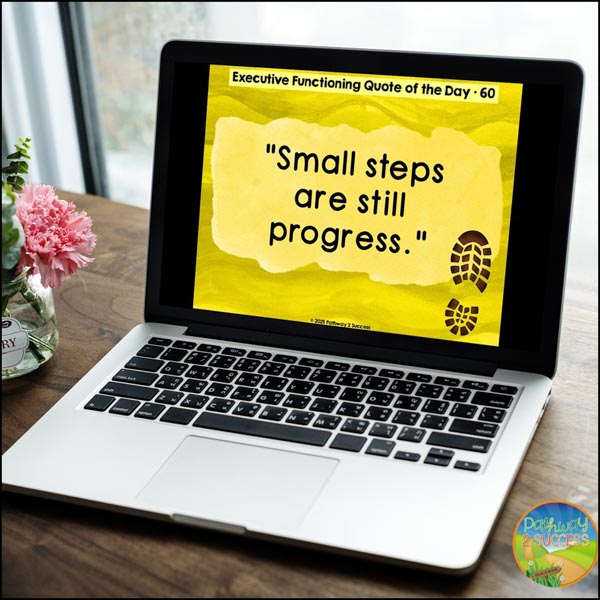
Motivational Quotes: Utilizing daily or weekly quotes that target resilience, organization, and problem-solving to set a productive tone for learning.
Strategic Read-Alouds: Using literature across all grade levels to pause and analyze character choices, emotional regulation, and how protagonists persevere through complex obstacles.
Final Thoughts
Ultimately, teaching executive functioning is about much more than raising standardized test scores or ensuring tidy notebooks. It is about granting young people agency over their own minds. By intentionally weaving planning, organization, emotional regulation, and flexible thinking into the fabric of daily school life, educators do more than teach subjects—they empower students to become independent, resilient architects of their own lifelong success.