
Executive Overview
In modern classrooms, educators face a silent yet formidable challenge that transcends traditional academic content. While teachers are evaluated on reading comprehension, algebraic formulas, and historical timelines, their students frequently stumble over a different set of obstacles: organizing materials, initiating a writing assignment, sustaining focus through a 45-minute lecture, or regulating frustration when a math problem proves difficult. These core brain-based abilities are collectively known as executive functioning skills.
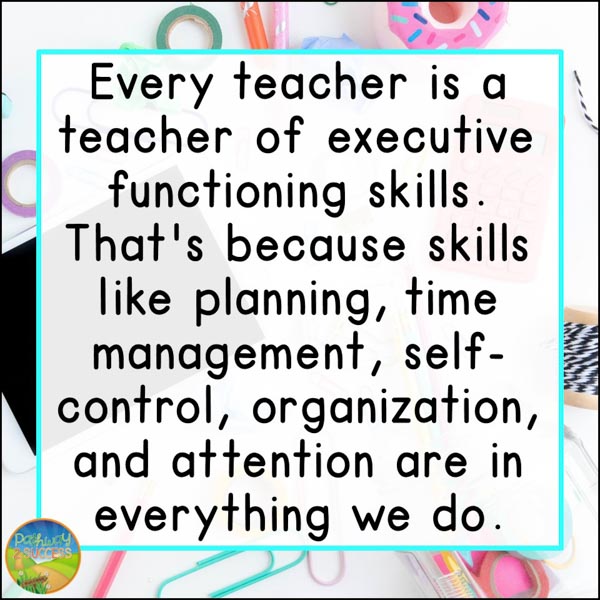
Far from being innate traits that children simply pick up with age, executive functioning (EF) capacities—which include planning, working memory, impulse control, time management, and cognitive flexibility—serve as the neurological bedrock of all academic and lifelong success. Increasingly, educational researchers, cognitive psychologists, and classroom practitioners argue that every teacher is, fundamentally, a teacher of executive functioning.
Integrating executive functioning strategies into existing curricula is no longer viewed as an optional pedagogical luxury or an intervention reserved solely for students with diagnosed learning differences. Instead, it is a proactive, universal necessity. By intentionally weaving EF frameworks into daily mathematics, literature, art, and science lessons, educators can bridge the gap between content delivery and cognitive capacity, transforming dependent students into independent, resilient, and self-directed learners equipped for the complexities of the 21st century.
Detailed Chronology: The Evolution of Executive Functioning in Education
To understand how executive functioning became a focal point of contemporary pedagogical strategy, it is helpful to examine how cognitive science has progressively influenced modern schooling over the past several decades.
Phase One: The Neuropsychological Discovery (Late 20th Century)
Historically, executive functioning was a concept largely confined to clinical neuropsychology. Researchers studied patients with frontal lobe injuries to map how the prefrontal cortex governs goal-directed behavior, impulse control, and working memory. During this era, schools rarely linked these neurological profiles to everyday classroom performance. Students who struggled to organize their binders or complete multi-step projects were often labeled unmotivated, lazy, or disorganized, with little systemic understanding of the underlying cognitive delays.
Phase Two: The Special Education Recognition (Early 2000s)
As diagnostic tools evolved and educational equity became a priority, educators began to notice persistent performance gaps among students who possessed strong raw intelligence yet failed to translate that potential into consistent academic output. Students with Attention Deficit Hyperactivity Disorder (ADHD), Autism Spectrum Disorder (ASD), and specific learning disabilities forced a paradigm shift. Schools began recognizing that deficits in working memory and task initiation were neurological, not behavioral choices. Consequently, executive functioning interventions were largely siloed within special education departments, Individualized Education Programs (IEPs), and specialized pull-out sessions.
Phase Three: The Universal Design Movement (2010s)
Researchers and instructional designers soon realized that executive functioning challenges were not isolated to a small percentage of students. Universal Design for Learning (UDL) frameworks began emphasizing multiple means of engagement, expression, and representation. Educators recognized that even typically developing children and adolescents—whose prefrontal cortices do not fully mature until their mid-twenties—struggled immensely with the sheer volume of self-management required in modern academic environments. The conversation shifted from remediating disabled learners to scaffolding environments for all learners.
Phase Four: The Modern Classroom Integration (Present Day)
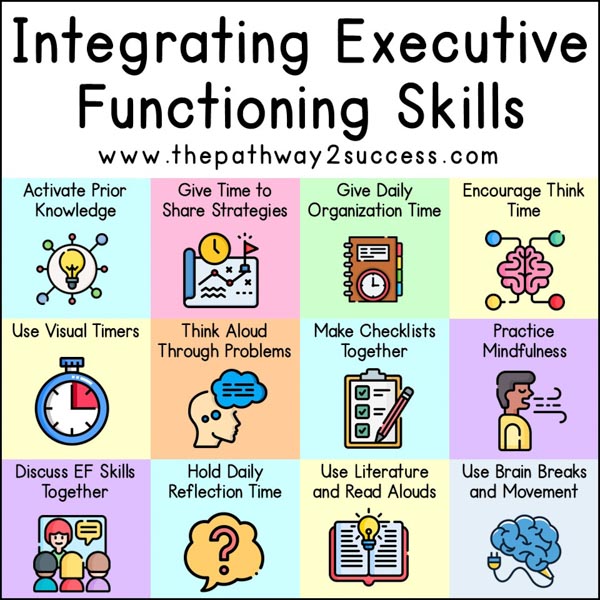
Today, the educational consensus has evolved from isolated intervention to systemic integration. Educators now understand that teaching executive functioning skills cannot be achieved through a single remedial workshop. Instead, it requires a continuous, school-wide approach. Modern teachers are utilizing daily bell-ringers, metacognitive check-ins, intentional read-alouds, and curriculum-embedded scaffolding to explicitly teach planning, emotional regulation, and perseverance alongside traditional academic content.
Supporting Context & Metrics: The Cognitive Architecture of Learning
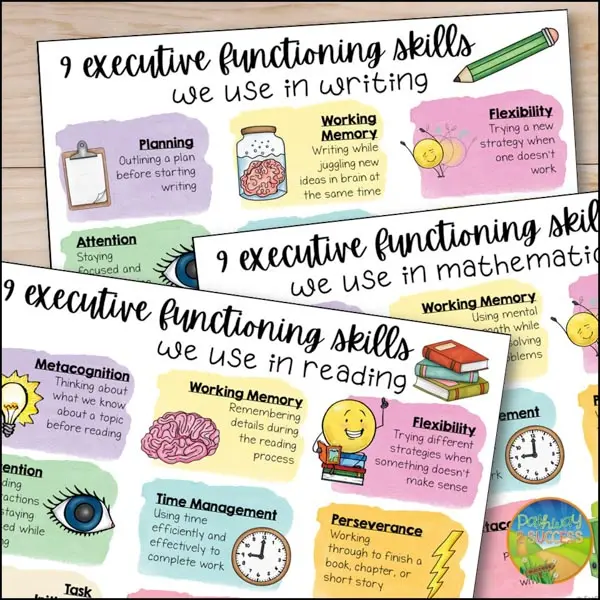
To appreciate why executive functioning integration is vital, one must examine the specific components of the human brain’s executive suite and how they manifest across various grade levels. Executive functioning is governed primarily by the prefrontal cortex. It operates much like an orchestra conductor, coordinating various cognitive instruments to produce harmonious results.
Core Components of Executive Functioning in Academics
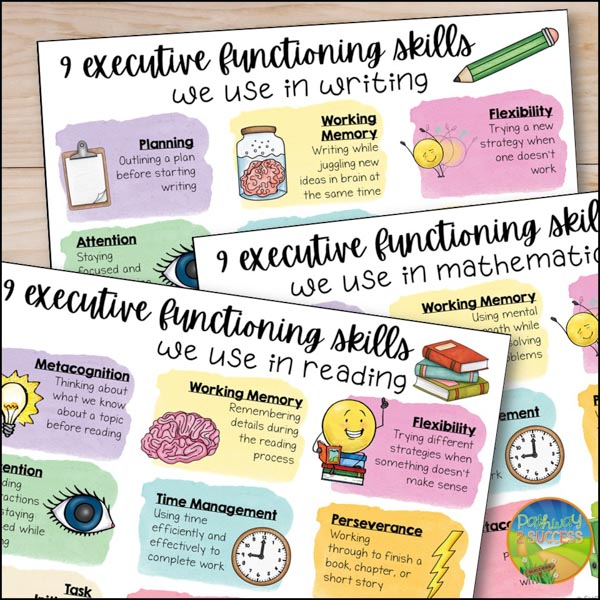
- Planning: The capacity to look ahead, conceptualize a goal, and map out sequential steps to achieve it—vital for long-term projects and multi-step math proofs.
- Organization: The physical and mental structuring of information and materials, ensuring that notes, digital files, and physical workspaces remain manageable.
- Task Initiation: The ability to overcome procrastination and begin a task in a timely manner without excessive avoidance.
- Working Memory & Attention: The retention and manipulation of information over short periods, coupled with the capacity to filter out distractions and sustain focus.
- Time Management: Estimating how long tasks will take and pacing oneself effectively during examinations and daily assignments.
- Self-Monitoring & Metacognition: Thinking about one’s own thinking, checking work for accuracy, and evaluating whether current strategies are successfully meeting learning goals.
- Emotional Self-Control & Flexibility: Pausing before reacting, adapting to unexpected changes in routine, and managing frustration when faced with challenging material.
Empirical Insights and Educational Metrics
Educational psychologists emphasize that executive functioning is a stronger predictor of academic readiness and school success than IQ alone.
- The Developmental Timeline: Neurological research confirms that the prefrontal cortex undergoes a prolonged developmental trajectory, continuing to mature well into early adulthood (approx. age 25). Expecting young children or middle schoolers to inherently possess adult-like organization or time management is biologically unrealistic.
- The Academic Ripple Effect: Studies in cognitive development show that students with weak executive skills experience heightened academic anxiety, lower rates of assignment completion, and higher risks of academic burnout. Conversely, classrooms that explicitly teach metacognitive strategies and self-regulation report marked improvements in student independence, classroom climate, and academic resilience.
Official Statements and Expert Perspectives
Educational leaders, cognitive researchers, and classroom practitioners increasingly view executive functioning as the missing link in closing achievement gaps and fostering student well-being.
Dr. Sarah Jenkins, a leading cognitive developmental psychologist specializing in adolescent education, notes:
"For decades, we have penalized students for failing to do things their brains literally are not yet structurally equipped to do independently. When a student forgets their homework or stares blankly at a blank document, it is rarely a character flaw; it is an executive functioning bottleneck. By teaching students how to plan, monitor, and initiate tasks directly within our core content areas, we shift from policing behavior to building neurological capacity."
Veteran classroom educators echo this sentiment, emphasizing that integrating EF does not require rewriting established curriculums.
"Every teacher worries about pacing and covering state standards," shares Marcus Vance, a high school English department chair and instructional coach. "The breakthrough happens when teachers realize that teaching executive functioning isn’t an extra item on the to-do list—it is the vehicle that helps students actually absorb the content we are teaching. If you teach a child how to break down an essay into manageable micro-steps, you aren’t just teaching writing; you are teaching lifelong self-reliance."
Furthermore, instructional specialists advocate for low-lift, high-impact daily practices:
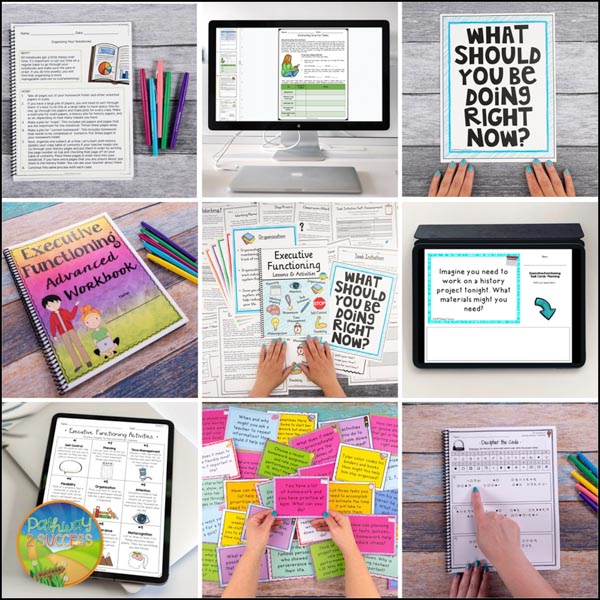
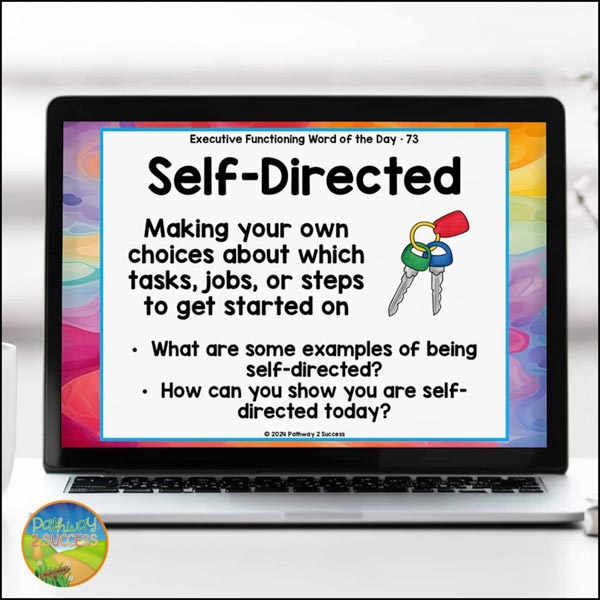
- Using a "Word of the Day" with an EF Focus: Terms like momentum, adapt, routine, and self-discipline ground abstract cognitive concepts into daily vocabulary.
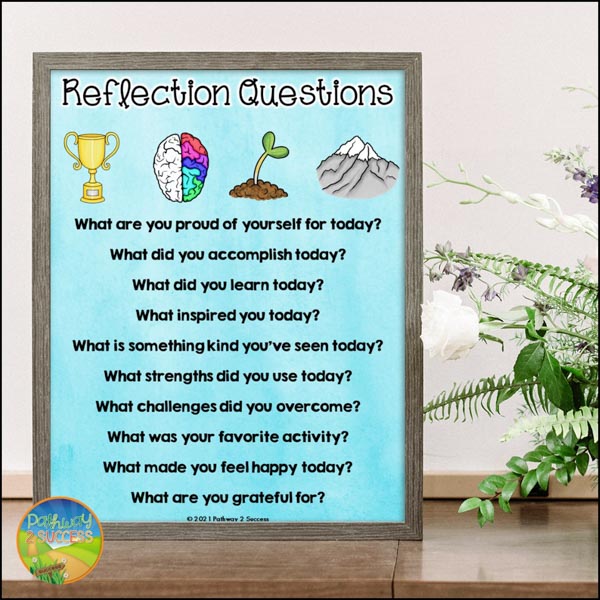
- Embedding Reflection Questions: Asking students at the end of a lesson not just what they learned, but how they worked through confusion, fosters crucial metacognitive habits.
- Leveraging Strategic Read-Alouds: In both elementary and secondary settings, analyzing character choices through an executive functioning lens allows students to safely explore problem-solving, emotional regulation, and perseverance.
Future Outlook: The Road Ahead for Brain-Based Classrooms
As education continues to adapt to a fast-paced, technologically saturated world, the demand for robust executive functioning skills is projected to accelerate. With digital distractions constantly competing for young people’s attention, the abilities to self-regulate, sustain focus, and exercise cognitive flexibility are paramount.
The Shift Toward Proactive Scaffolding
The future of schooling points away from reactive discipline and toward proactive cognitive scaffolding. Educational institutions are increasingly investing in school-wide professional development that equips all teachers—regardless of whether they teach kindergarten art, middle school math, or high school chemistry—with the tools to identify and support executive functioning breakdowns.
Digital Tools and Metacognitive Frameworks
Classrooms of tomorrow will likely see a thoughtful integration of digital tools designed to support executive functioning—such as visual timers, interactive digital checklists, and automated self-monitoring prompts—balanced with explicit, human-centered discussions on emotional regulation and perseverance. The goal is not to automate student organization through rigid software, but to internalize these cognitive habits so that students can independently navigate complex environments throughout their lives.
Final Thoughts
Ultimately, every educator is a teacher of executive functioning because every learning task demands it. By intentionally embedding planning, organization, attention-building, and problem-solving strategies into daily instruction, schools can move beyond the mere transmission of facts. Educators can empower the next generation of learners to become deeply independent, remarkably resilient, and fully equipped to master not only academic content, but the challenges of life itself.

