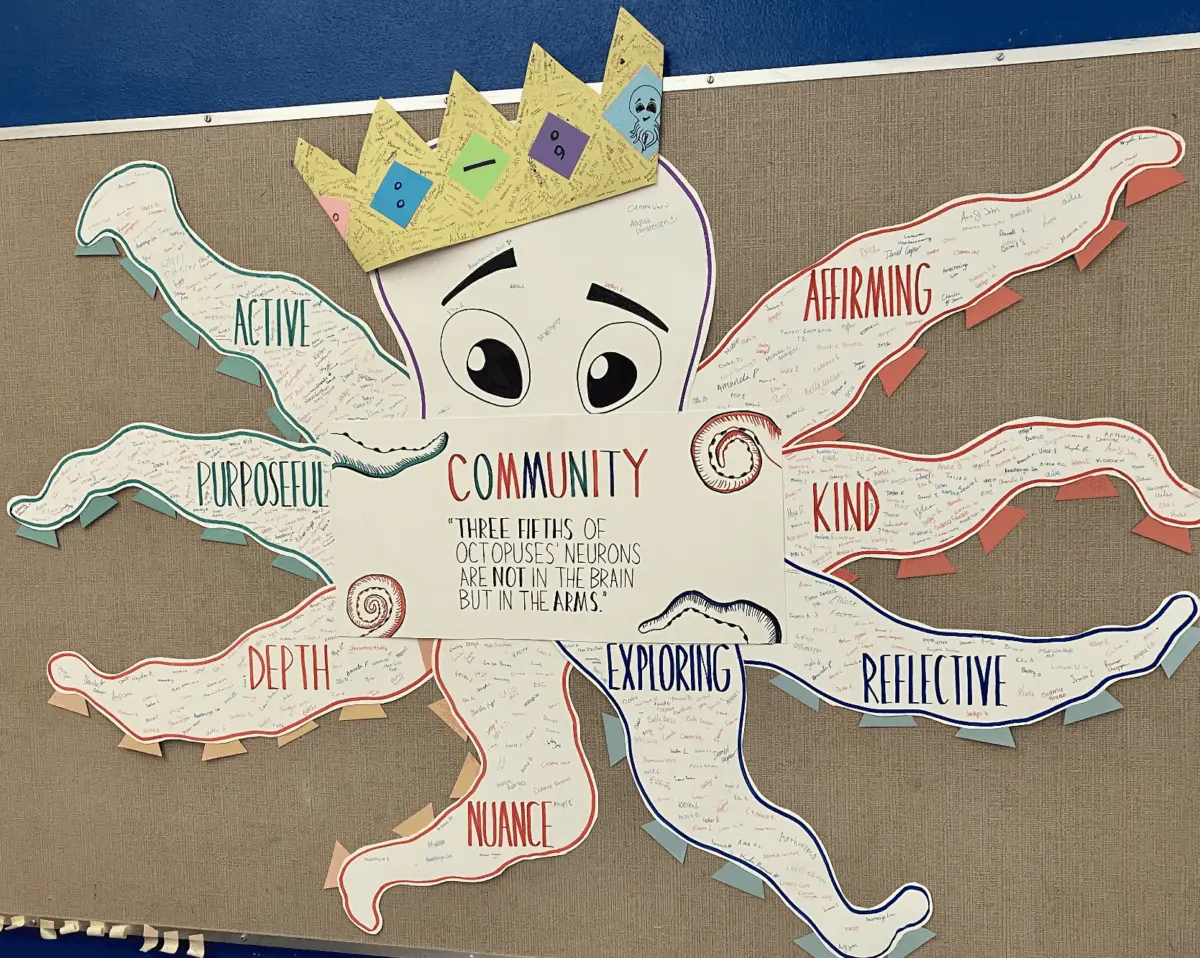
In an era defined by digital isolation, standardized testing pressures, and the continuous struggle for student engagement, high school educator Marcus Luther has spent over a decade perfecting a deceptively simple antidote: a system of anonymous peer affirmation anchored by a mural affectionately known as "the octopus."
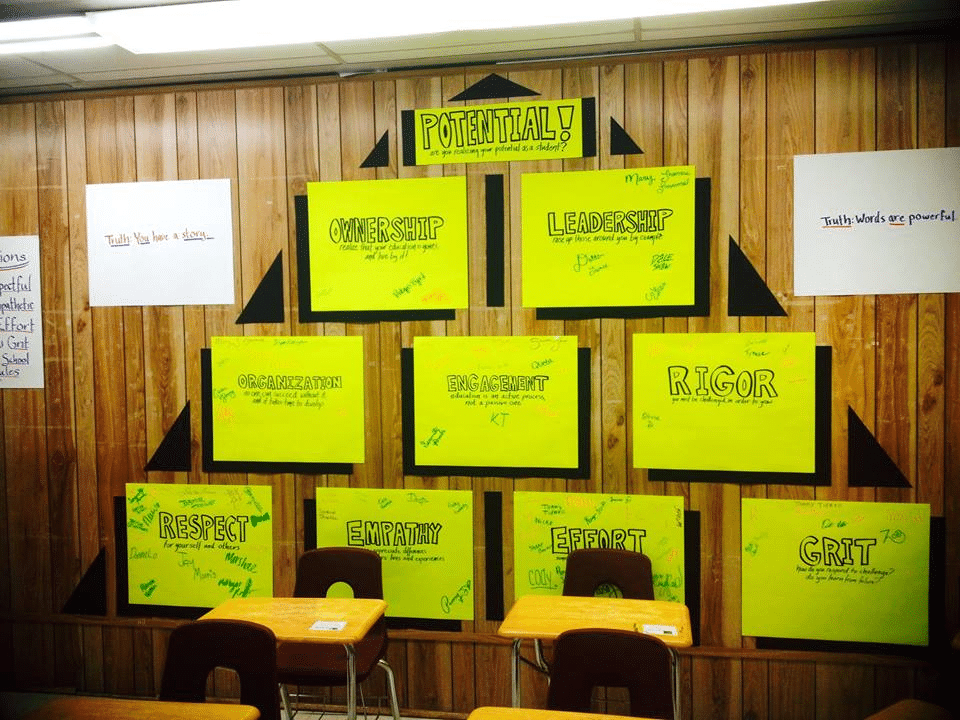
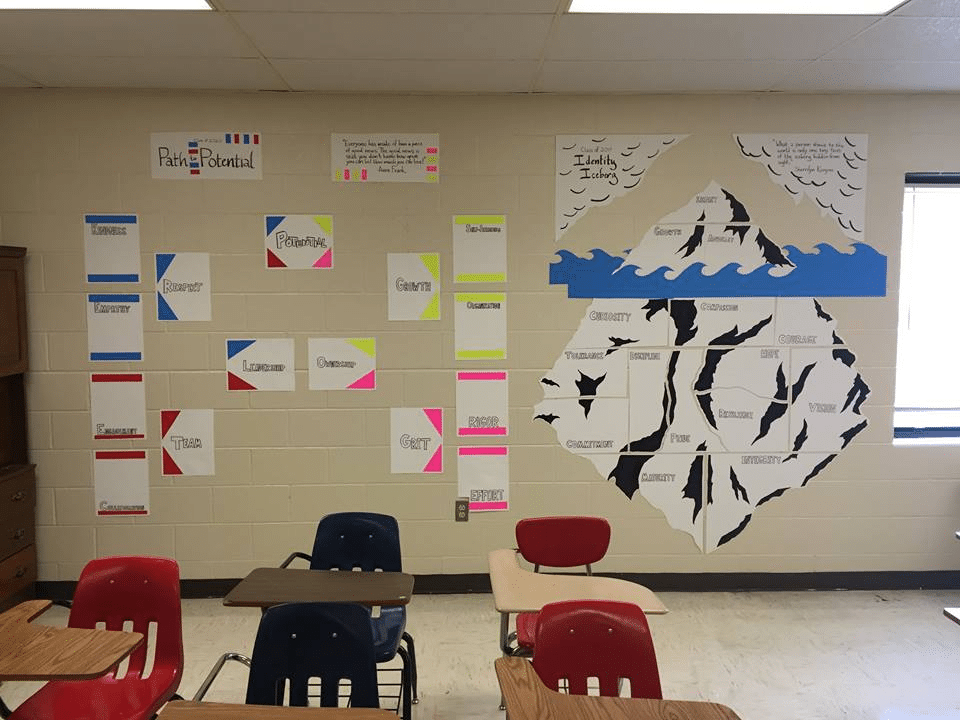
What began as a rudimentary John Wooden-inspired pyramid of core values in his early teaching days has evolved into a vibrant, interactive wall display that serves as the beating heart of Luther’s classroom community. By systematically training students to look for strengths in one another and anonymously nominate their peers for living out classroom values, Luther has built a replicable model that fosters radical belonging.
Far from being a childish gimmick, this ritual—which culminates in weekly collective celebrations called "signing the wall"—resonates profoundly with high schoolers, from energetic freshmen to cynical Advanced Placement seniors. As districts nationwide search for scalable methods to bolster adolescent mental health, social-emotional learning, and community resilience, Luther’s peer affirmation framework offers an authoritative blueprint proving a fundamental educational truth: students value what educators make space for.
Detailed Chronology: The Evolution of a Classroom Tradition
The genesis of Luther’s peer affirmation system did not arrive in a flash of high-tech educational innovation; rather, it was born from observation and iteration. More than ten years ago, Luther visited his wife’s fifth-grade classroom, where she routinely encouraged young learners to write brief, positive notes of appreciation to one another while explicitly centering a set of core community values.
Recognizing the profound psychological and social impact of this practice, Luther sought to adapt it for the high-stakes, socially complex environment of high school.
Phase 1: The Wooden Pyramid
Initially, Luther drew inspiration from legendary basketball coach John Wooden’s "Pyramid of Success." In his first high school classroom, he established a hierarchical structure of values displayed on the wall. While effective in establishing foundational expectations, Luther realized the rigidity of a pyramid did not fully capture the dynamic, interconnected nature of a living classroom community.
Phase 2: Iteration and Evolution
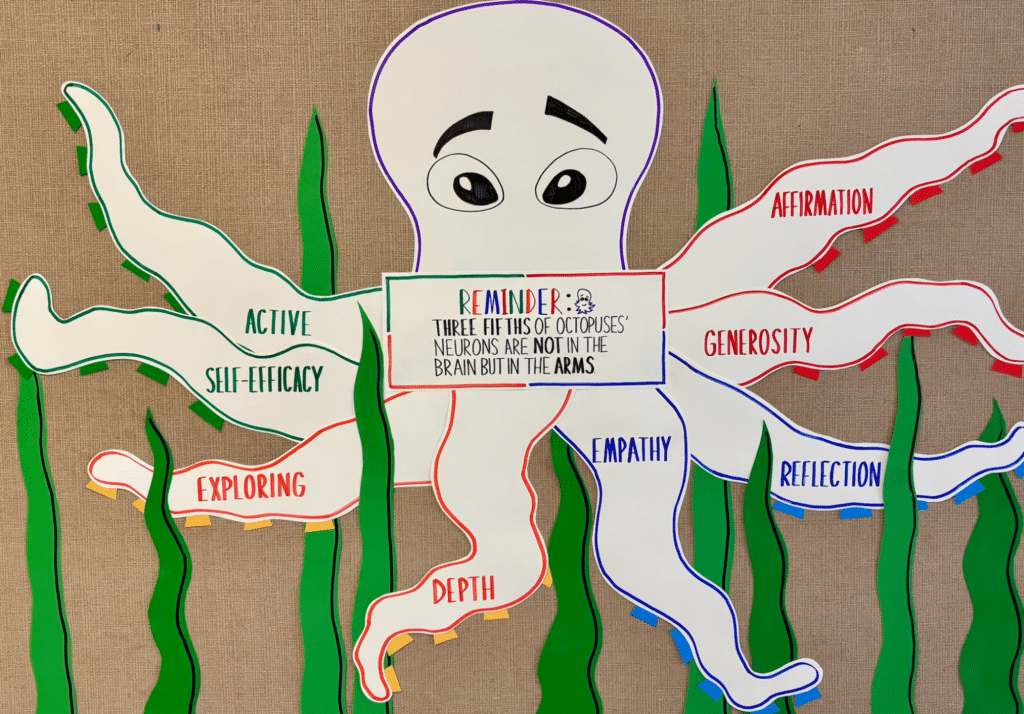
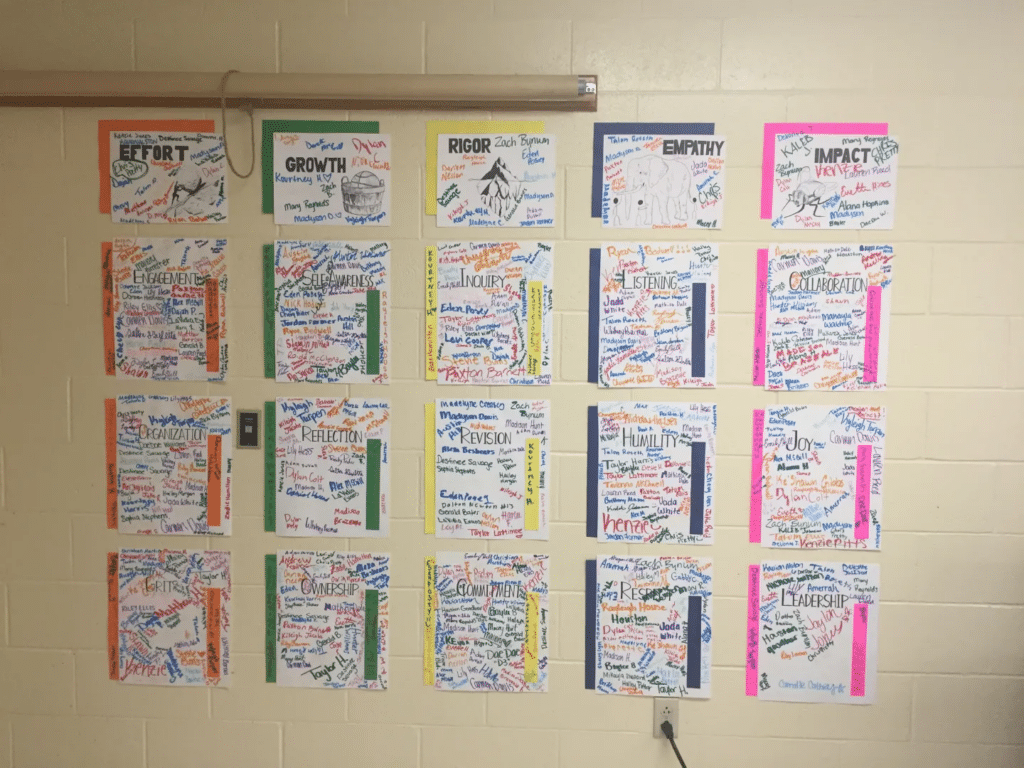
Over subsequent school years, Luther continuously tinkered with the design, shape, and categorization of the core values. He transitioned from geometric configurations to more organic representations, eventually landing on the motif of an octopus. The choice was whimsical yet practical: a central body surrounded by eight distinct appendages, each representing a core classroom value.
Phase 3: Modern Institutionalization
Today, the system operates as a well-oiled, highly organized machine. Spanning six daily class periods encompassing 150 to 180 students, Luther uses digital tools—primarily Google Forms and Google Sheets—to streamline the nomination, tracking, and sorting processes. What was once maintained on a chaotic clipboard is now a sophisticated, data-backed archive of student kindness, intellectual curiosity, and community-building behavior.
Supporting Context & Metrics: The Mechanics of the System
Implementing a peer affirmation framework in a secondary school environment requires careful planning, intentional scaffolding, and structural consistency. Luther breaks his methodology down into three foundational pillars: preparing values, executing the nomination process, and establishing a signing ritual.
1. Pre-Planning and Value Selection
Deciding which values to center is the critical first step. While some educators advocate for co-creating classroom norms entirely from scratch during the chaotic opening week of school, Luther takes a pragmatic approach. Because he manages multiple high school sections, he utilizes end-of-year student reflections. Students evaluate which core values resonated most deeply and suggest modifications, effectively "paying forward" their feedback to the incoming cohort.
Luther has settled on eight core values for his octopus display. This number strikes an optimal pedagogical balance:
Clarity vs. Variety: Too few values can limit the scope of observable positive behaviors; too many can dilute their meaning. Eight values provide a diverse range of "look-fors" without overwhelming students.
Durability: A robust set of values ensures that students do not exhaust the nomination categories too early in the academic calendar.
To ensure these values remain front and center, Luther embeds them into the physical environment—including custom decals on every student desk—and continually references them during academic discourse.
2. The Peer Nomination Protocol
The nomination process is introduced approximately two to three weeks into the school year, allowing sufficient time for initial community-building. The classroom wall begins the year entirely blank—a deliberate choice that sparks curiosity and mystery among incoming students.
When nominations open, Luther stresses key criteria:
Nominations must be grounded in specific, observable actions.
The process is entirely anonymous, safeguarding students from social awkwardness or anxiety.
Submissions are handled via a standardized Google Form, linking the nomination directly to a specific value and student name alongside a brief explanatory rationale.
As the school year progresses, these nominations are seamlessly integrated into existing routines, such as exit tickets or quiz debriefs, taking mere seconds to complete.
3. The Friday Ritual: "Signing the Wall"
The climax of the system occurs weekly. Armed with a designated pen color unique to each class period (e.g., blue for first period, green for second), Luther orchestrates a ceremonial gathering.
Using his master spreadsheet, he reads aloud a peer nomination—omitting the recipient’s name initially:
"Every time I see them get called on or we go over answers, they always have an answer and go into great detail explaining their answer."
Following a dramatic pause, he reveals the name:
"Signing the wall for self-efficacy… round of applause for Jose!"
The classroom erupts into cheers. The student steps up to the wall, claims the pen, and signs their name beneath the corresponding tentacle. This weekly ritual transforms abstract praise into a concrete, visible artifact of community esteem.
Official Perspectives & Student Impact
Skeptics often question whether high school students—particularly self-conscious adolescents or grade-obsessed upperclassmen—will genuinely buy into an activity involving cheers and wall signatures. Luther’s decade-plus of experience provides a resounding affirmation.
"If you as a teacher show that you care about it, then they will almost always follow suit," Luther notes, reflecting on classrooms ranging from energetic freshmen to anxious Advanced Placement juniors.
While eye rolls occasionally surface—as they do with any adolescent public celebration—the long-term psychological impact is profound. Luther observes that the most resistant or "too cool to care" students often become the most deeply attached to the wall. It is common to catch these students silently counting their signatures during independent work time or bringing friends from outside the class at lunch to proudly point out where they were recognized.
Tangible Benefits Beyond the Classroom
The data and artifacts generated by the octopus wall serve multiple high-level educational functions:
Holistic Insight: Teachers gain deep visibility into peer dynamics, frequently uncovering the quiet impact of introverted or overlooked students who consistently elevate the classroom environment.
Targeted Interventions: The accumulated nominations provide powerful ammunition for positive reinforcement. Luther frequently pulls students aside or emails families with specific praise derived directly from what peers have said.
Letters of Recommendation: When drafting college recommendations, Luther relies on his master spreadsheet to cite concrete, peer-verified examples of character, leadership, and intellectual depth.
Future Outlook: Scaling Empathy in Modern Education
As educational institutions grapple with systemic challenges regarding student belonging and interpersonal connection, interventions like Luther’s peer affirmation model point toward a promising horizon.
The success of the octopus wall underscores a vital paradigm shift: social-emotional learning does not need to live in a separate, isolated curriculum or a dedicated advisory period. Instead, it can be woven seamlessly into the academic fabric of any secondary classroom. By shifting the locus of validation from the teacher’s grading pen to the collective observation of the student body, educators can fundamentally alter classroom climate.
Marcus Luther’s framework demonstrates that when schools intentionally make physical and temporal space for students to recognize and articulate the strengths in one another, the results extend far beyond high school graduation. In a fractured world, teaching young people how to look for the good in their peers—and giving them the courage to name it out loud—remains one of the most revolutionary acts an educator can perform.