
Executive Overview
In an era defined by rapid technological advancement, algorithmic information streams, and a critical need for media literacy, educators face unprecedented challenges in teaching students how to evaluate evidence, parse rhetoric, and understand historical context. To bridge this gap, the National Council of Teachers of English (NCTE) has forged a dynamic, forward-thinking partnership with the Library of Congress. Operating as an integral part of the prestigious Teaching with Primary Sources Consortium, this initiative is systematically expanding the use of historical artifacts in classrooms across the United States.
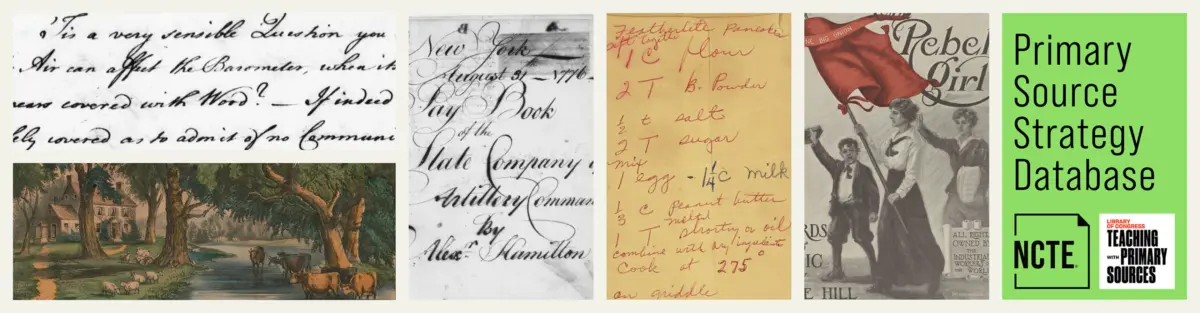
At the heart of this collaboration is an innovative, highly searchable database designed specifically for English language arts (ELA) and literacy educators. Housing pedagogical strategies for more than 150 meticulously curated items from the Library of Congress’s vast digitized collections, the platform transforms raw historical documents into accessible, rigorous classroom lessons. Developed by over two dozen veteran educators and ELA leaders, the database aligns artifacts with state learning standards, suggests thematic units, and highlights specific literacy merits—such as argument construction, rhetorical analysis, and visual literacy.
Among the standout artifacts featured in the database is an 1851 letter to the editor titled “The New Costume,” published in The Mountain Sentinel. This document offers a fascinating window into nineteenth-century America, capturing the fierce societal debates sparked by the introduction of the Bloomer costume. By examining how historical writers defended controversial dress reform against Victorian norms, students are given a powerful vehicle for exploring gender roles, rhetorical strategy, and social change. This initiative not only revitalizes history education but also equips the next generation with the critical thinking skills necessary to navigate modern civic and cultural discourse.
Detailed Chronology: The Evolution of the NCTE and Library of Congress Partnership
The integration of primary sources into modern curricula is not an accident of educational policy; it is the result of years of strategic planning, institutional collaboration, and a shared dedication to improving national literacy standards.
Laying the Groundwork for Collaborative Literacy
For decades, history and social studies classrooms held a near-monopoly on the use of primary sources, while English language arts classrooms traditionally focused on literary canons, poetry, and fictional narratives. However, educational researchers increasingly recognized that informational texts, historical letters, pamphlets, and early journalism are vital for developing comprehensive literacy skills.
Recognizing this multidisciplinary need, the Library of Congress established the Teaching with Primary Sources (TPS) Partner Program. The initiative sought to leverage the institution’s unparalleled digital archives by partnering with universities, historical societies, and national educational organizations. The goal was simple yet ambitious: to train teachers on how to use historical artifacts to foster critical thinking, inquiry, and analytical skills in students of all ages.
Engaging the National Council of Teachers of English
As the premier professional association for English language arts educators, the NCTE recognized the immense value of the TPS framework for literacy development. By joining the Teaching with Primary Sources Consortium, the NCTE positioned itself at the vanguard of a pedagogical shift that bridges history and language arts.
Through this collaboration, teams of expert educators, curriculum designers, and ELA leaders were convened to review digitized items from the Library of Congress. Their mandate was twofold:
- Identify historical documents possessing exceptional literacy merit.
- Develop adaptable, standards-aligned teaching strategies that demonstrate how these artifacts can be used to teach complex reading and writing skills.
The Launch of the Searchable Database
The culmination of this collaborative effort is a robust, user-friendly digital platform. By categorizing resources through intuitive tags such as picturebook, argument, nonfiction, and rhetoric, the database allows educators to bypass endless searching and quickly locate materials tailored to their specific curriculum needs.
The inclusion of items like the 1851 Mountain Sentinel letter marks a deliberate evolution in how educators approach nineteenth-century texts. Rather than viewing history through the sterile lens of a modern textbook, students interact directly with the passionate, persuasive, and occasionally flawed voices of individuals who lived through profound social transformations.
Supporting Context & Metrics: Decoding the 1851 "Bloomer Costume" Letter
To understand the immense pedagogical value of the NCTE database, one must examine the specific artifacts it highlights. A prime example is the 1851 letter to the editor regarding "The New Costume," an artifact that serves as a masterclass in nineteenth-century rhetoric and social commentary.
Historical Context: The Birth of Dress Reform
In the mid-nineteenth century, Victorian standards of modesty and fashion dictated that women wear heavy, restrictive garments. Voluminous skirts supported by multiple layers of heavy petticoats, combined with tightly laced corsets, severely limited women’s physical mobility, respiration, and overall health.
Against this backdrop of rigid societal expectations emerged a radical fashion movement. While attributed widely to Amelia Bloomer—the prominent women’s rights advocate and editor of the feminist newspaper The Lily—the style was actually invented by Elizabeth Smith Miller. However, Bloomer fearlessly championed the look, donning the outfit (which featured shorter skirts worn over loose trousers) and advocating for dress reform across her publication’s pages.
The reaction was swift and polarized. Traditionalists and critics decried the outfit as immodest, unfeminine, and an affront to the natural order of gender roles. Conversely, early feminists and health advocates viewed the costume as a liberating symbol of autonomy, physical freedom, and equality.
Anatomy of the Primary Source: "The New Costume"
The 1851 letter in The Mountain Sentinel, penned by a supporter writing under the pseudonym "Amicus" (Latin for "friend"), provides a brilliant case study in argumentative writing.
- Rhetorical Strategy: The author skillfully anticipates and dismantles opposing viewpoints, a core competency required by modern secondary educational standards (such as Missouri Learning Standards MLS.9-10.RI.2.B and MLS.11-12.RI.2.D).
- Tone and Diction: The letter fiercely defends the practical benefits of the costume, contrasting the health hazards of tight-lacing and weighted skirts with the comfort and utility of trousers and shortened hems.
- Engagement with Controversy: Rather than shying away from public backlash, "Amicus" leans directly into the controversy, challenging readers to examine their own implicit biases regarding gender norms and societal decorum.
Educational Metrics and Standards Alignment
The inclusion of this document within the NCTE database is underpinned by rigorous academic standards. For high school educators teaching grades 9 through 12, the text offers unmatched opportunities to meet curriculum requirements:
- Evaluating Argument and Reasoning (MLS.11-12.RI.2.D): Students are prompted to evaluate the author’s argument, testing the validity of the claims regarding health and mobility, and assessing the logic and relevance of the evidence presented.
- Analyzing Rhetorical Devices (MLS.9-10.RI.2.B): Educators can guide students in dissecting how "Amicus" employs tone, emotional appeal, and logical reasoning to advance a specific point of view and purpose.
- Interdisciplinary Connections: The letter seamlessly bridges English language arts with American history, women’s studies, and sociology, providing a rich springboard for discussions on how fashion has historically intersected with political movements.
Official Statements and Pedagogical Philosophy
The partnership between the NCTE and the Library of Congress is driven by a shared philosophy: that literacy is not merely the mechanics of decoding words on a page, but the active, critical engagement with the ideas, arguments, and histories that shape human culture.
Empowering Educators with Turnkey Resources
Educational leaders involved in the TPS Consortium have repeatedly emphasized the importance of reducing the barrier to entry for teachers. Modern educators face severe time constraints, often leaving them with little room to curate, vet, and align historical archives with state learning standards independently.
By providing pre-vetted teaching strategies for more than 150 specific Library of Congress items, the database acts as a reliable bridge between archival preservation and classroom application. Each entry is designed to highlight the unique literary merit of the source, offering suggestions for thematic units, writing prompts, and discussion questions.
Cultivating Critical Thinkers
In statements regarding the collaboration, literacy advocates have underscored the urgency of teaching students how to read critically across diverse media formats. Whether analyzing an 1851 newspaper editorial on women’s fashion or evaluating modern digital journalism, the foundational skills remain identical: identifying bias, examining evidence, recognizing rhetorical appeals, and understanding historical context.
The integration of primary sources into ELA classrooms transforms students from passive recipients of historical narratives into active historical investigators. By evaluating texts like "The New Costume," students learn that societal norms are not immutable laws of nature, but constructed ideas that can be challenged, debated, and reshaped through persuasive discourse.
Future Outlook: The Next Phase of Digital Literacy Integration
As the NCTE and the Library of Congress look toward the future, the scope and impact of their collaborative initiative are poised for continuous expansion.
Scaling the Database and Resource Pool
Plans are already underway to expand the searchable database beyond its current milestone of 150 items. As archivists at the Library of Congress digitize new collections—ranging from early American pamphlets and abolitionist newspapers to twentieth-century civil rights photographs and audiovisual recordings—NCTE-affiliated educators will continue to translate these treasures into practical ELA curriculum tools.
Furthermore, the integration of advanced digital search capabilities and tagging features will allow teachers to filter resources with even greater precision. Future updates aim to incorporate multimedia primary sources, including audio recordings, political cartoons, and early film clips, ensuring that students develop multimodal literacy skills essential for the twenty-first-century information landscape.
Professional Development and Teacher Training
Beyond the static database, the partnership emphasizes ongoing professional development. Workshops, webinars, and collaborative learning communities are being deployed to train teachers on how to effectively integrate primary sources into writing instruction, argumentative essay units, and media literacy curricula. By fostering a nationwide community of practice, the NCTE and the Library of Congress are ensuring that the lessons learned from historical artifacts like the 1851 Bloomer letter resonate deeply within modern classrooms.
Conclusion
The convergence of the Library of Congress’s peerless historical archives and the National Council of Teachers of English’s pedagogical expertise represents a watershed moment for literacy education. By transforming raw historical artifacts into dynamic tools for rhetorical analysis and critical inquiry, this initiative does more than just teach history—it empowers students to find their own voices, question societal assumptions, and engage thoughtfully with the world around them. As the database continues to grow, it stands as a testament to the enduring power of the written word to inspire, challenge, and unite across centuries.

