

Executive Overview
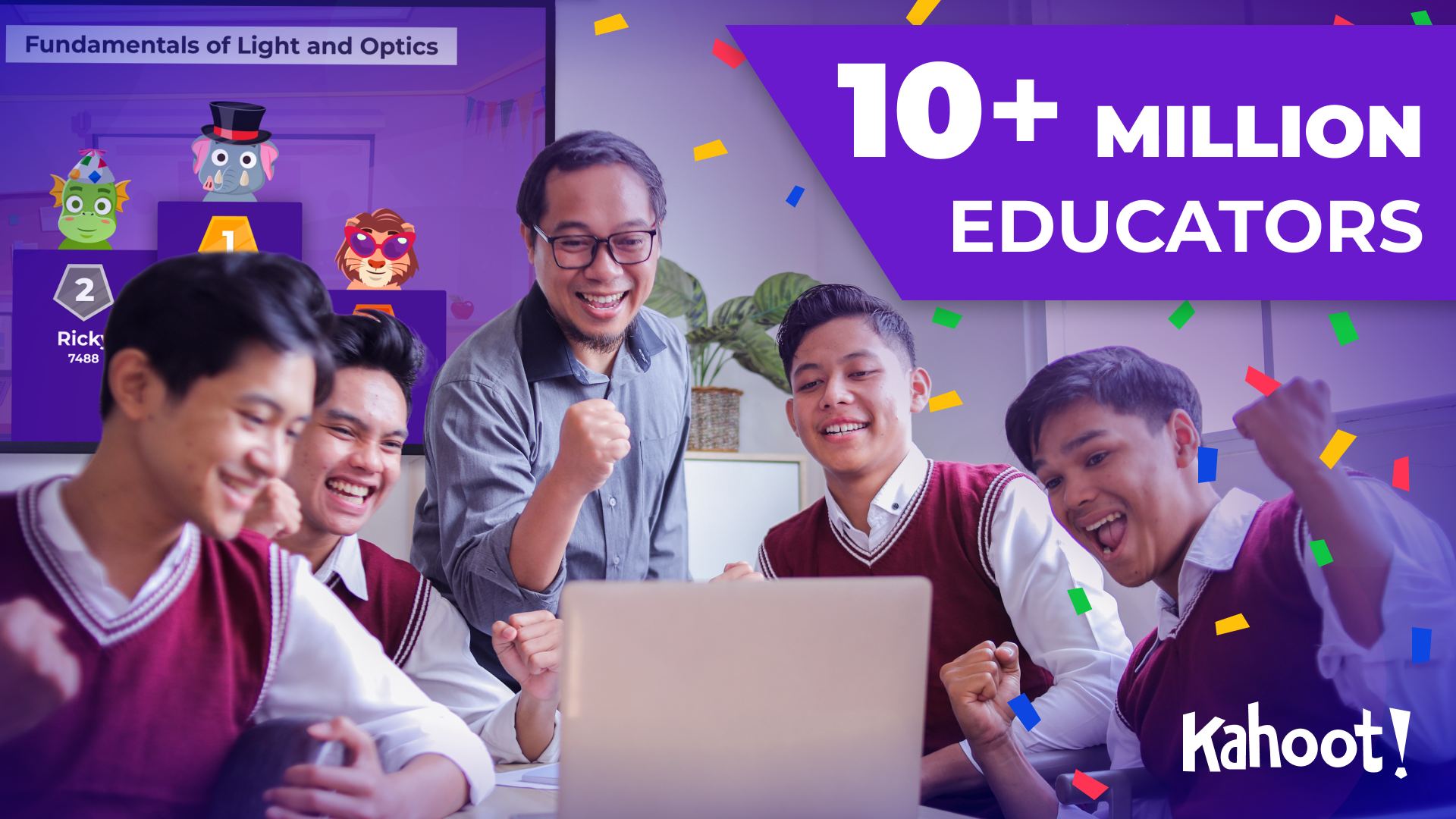
In an era defined by rapid technological transformation and the relentless pursuit of student engagement, digital learning platforms have fundamentally altered the architecture of the modern classroom. Recently, the global interactive learning platform Kahoot! announced a monumental milestone in its corporate and educational history: surpassing 10 million active educators within its worldwide community.
This historic achievement represents a massive paradigm shift in how primary, secondary, and higher education professionals approach pedagogy. No longer confined to passive, rote memorization models, today’s classrooms thrive on dynamic participation, real-time formative assessment, and gamified instructional techniques. Reaching the 10-million-educator mark is not merely a quantitative victory for a software corporation; it serves as a robust indicator of a global pedagogical movement toward interactive, student-centered learning.
This comprehensive report examines the strategic implications of this milestone, evaluates the evolving methodologies of digital educators across diverse socioeconomic landscapes, explores the psychological and academic impacts of gamification, and outlines the trajectory of educational technology as it adapts to the demands of the 21st-century academic cycle.
Detailed Chronology: The Evolution of Interactive Classrooms
To fully understand the magnitude of reaching 10 million educators, one must trace the historical evolution of student engagement tools over the past decade. The journey from traditional chalk-and-board lecturing to cloud-based gamified quizzing highlights a systemic hunger for tools that bridge the cognitive gap between digital native students and traditional instructional frameworks.
Phase One: The Inception of Digital Interactivity (Early 2010s)
At the dawn of the digital education boom, classrooms began integrating basic interactive whiteboards and rudimentary polling software. While these tools offered a departure from pure lecture formats, they frequently lacked the intrinsic motivation, speed, and social dynamics required to genuinely captivate adolescent and young adult learners. Instructors struggled with steep learning curves, fragmented software ecosystems, and hardware incompatibilities that often hindered rather than helped the flow of a lesson plan.
Phase Two: Gamification as a Pedagogical Catalyst (Mid 2010s)
As smartphones and tablets saturated consumer markets, forward-thinking educational platforms recognized an opportunity to harness the psychological reward loops inherent in gaming. By transforming formative assessments into high-energy, competitive quiz shows complete with vibrant color palettes, timed countdowns, and real-time leaderboards, platforms like Kahoot! democratized classroom engagement. Teachers found that students who typically remained silent during traditional Q&A sessions were eagerly vying for top spots on the leaderboard, driven by friendly competition and immediate feedback loops.
Phase Three: Scaling Globally Across Educational Tiers (Late 2010s – 2020s)
The global health crisis of the early 2020s served as an unprecedented stress test and catalyst for educational technology. Remote and hybrid learning models demanded tools that could seamlessly traverse physical and digital boundaries, maintaining social connection and academic rigor across distance. During this period, platform adoption surged exponentially.
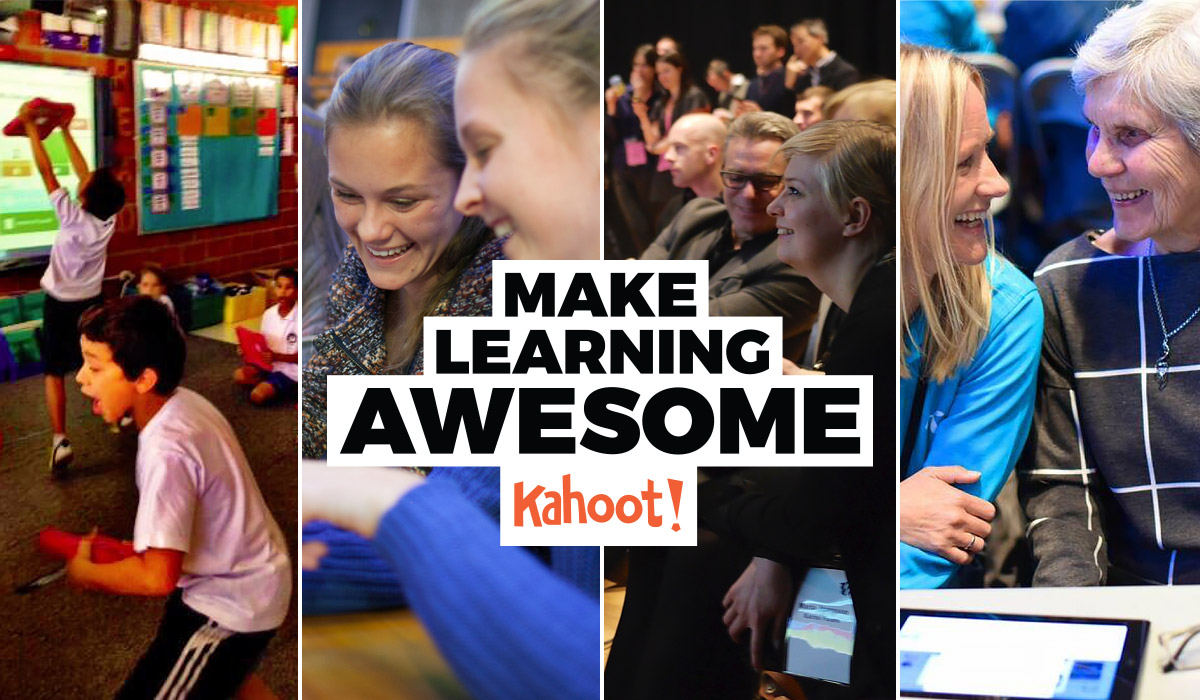
Crucially, this growth was not restricted to primary and secondary schools. Higher education institutions—long bastions of traditional lecture-hall pedagogy—began adopting interactive polling, anonymous feedback mechanisms, and formative check-ins to prevent student alienation in massive lecture halls.
Phase Four: Reaching the 10-Million-Educator Threshold (Present Day)
Today, the community of 10 million educators spans virtually every continent, encompassing rural district schoolteachers, urban high school STEM instructors, and tenured university professors alike. This milestone signifies that gamified learning has transitioned from a novel "supplemental activity" to a core foundational pillar of modern instructional design.
Supporting Context & Metrics: The Mechanics of Modern Student Engagement
Maintaining student engagement throughout an entire academic year—spanning changing seasons, standardized testing pressures, and end-of-term burnout—presents a perennial challenge for educators. Statistical analysis of modern classrooms reveals that attention fragmentation remains one of the primary hurdles to effective knowledge retention.
The Science of Formative Assessment
Formative assessment is widely recognized by educational researchers as one of the most powerful levers for improving student achievement. However, traditional grading pipelines often suffer from a severe latency problem: students complete an assignment or exam, and days or weeks pass before they receive actionable feedback.
By integrating real-time reporting dashboards and immediate formative check-ins, platforms like Kahoot! allow educators to instantly diagnose cognitive bottlenecks. If a majority of a class misses a specific concept-check question regarding algebraic principles or historical timelines, the instructor can pivot mid-lesson to re-explain the material. This agile pedagogy transforms assessment from an intimidating "judgment event" into an ongoing, low-stakes dialogue between teacher and learner.
Beyond the Basic Quiz: Expanding the Instructional Toolkit
While real-time competitive quizzes remain the most recognizable feature of gamified learning, contemporary educational strategies utilize a diverse array of interactive formats to sustain engagement across the full length of a school year:
- Concept Introduction & Hook Activities: Initiating a new unit with an exploratory game sparks natural curiosity and uncovers preconceived misconceptions before formal lecturing begins.
- Review and Reinforcement Cycles: Spaced repetition quizzes scheduled weeks after initial instruction combat the forgetting curve, ensuring long-term retention of core competencies.
- Anonymous Feedback & Sentiment Analysis: In higher education environments, anonymous polls allow professors to gauge student comprehension and emotional well-being without social stigma, fostering psychological safety within large lecture halls.
- Student-Led Content Creation: Empowering students to design their own educational games shifts them from passive consumers of information to active creators, deepening their analytical mastery of the subject matter.
Official Statements & Voices from the Classroom
The true measure of any educational technology lies not in corporate metrics or server statistics, but in the lived experiences of the professionals who utilize it daily. The human element of teaching remains irreplaceable, and technology succeeds only when it amplifies the empathy, creativity, and dedication of the instructor.
Perspectives from Primary and Secondary Education
For teachers managing bustling K-12 classrooms, maintaining order while fostering a love for learning is a delicate balancing act. Pam Ganley, an experienced primary and secondary educator based in Arizona, United States, underscores the daily utility of interactive platforms:
"I love using the Kahoot! platform because it allows me to create fun, interactive content that improves both my classes and my students’ learning experiences. I use Kahoot! to teach new concepts, review content, reinforce learning, and check for understanding."
Ganley’s testimony highlights how a single platform can serve multiple pedagogical functions—acting simultaneously as an instructional delivery mechanism, a review engine, and a diagnostic tool.
Perspectives from Higher Education
The transition from secondary school to university often exposes students to impersonal lecture formats where individual academic struggles can easily go unnoticed. Kurt Naicker, a senior lecturer at the University of Johannesburgo, notes how interactive technology bridges this gap in higher education:
"Kahoot! has transformed how I deliver content in higher education. The use of anonymous surveys and real-time feedback has been essential for me, as a professor, to continuously evaluate where my students are in their learning journey."
By introducing real-time polling into university lecture halls, Naicker successfully dismantles the traditional barrier between professor and student, transforming monolithic lectures into interactive academic dialogues.
Future Outlook: The Next Frontier of Educational Technology
As the global community of educators surpasses 10 million strong, the horizon of educational technology presents both profound opportunities and complex responsibilities. The convergence of artificial intelligence, adaptive learning algorithms, and immersive digital environments promises to redefine the boundaries of instructional design over the coming decade.

1. Hyper-Personalization Through Adaptive Learning
Future iterations of interactive learning platforms are poised to move beyond one-size-fits-all group quizzes toward hyper-personalized learning pathways. By analyzing individual response patterns in real time, algorithms will be able to dynamically adjust question difficulty and recommend targeted remedial modules tailored specifically to an individual student’s cognitive gaps.
2. Integration of Generative AI in Lesson Design
One of the most persistent operational burdens faced by modern educators is the time required to build engaging instructional materials. The integration of generative artificial intelligence into educational platforms will drastically reduce content creation friction. Teachers will soon be able to input standard curriculum text or textbook chapters and instantly generate interactive, curriculum-aligned quizzes, discussion prompts, and flashcard sets in a matter of seconds.
3. Fostering Global Collaborative Classrooms
As digital infrastructure expands to underserved regions across the globe, platforms like Kahoot! hold the potential to connect classrooms across international borders. Collaborative cross-cultural gaming tournaments and joint problem-solving initiatives will allow students in vastly different socioeconomic environments to share perspectives, practice foreign languages, and collaborate on global challenges in real time.
Conclusion
Reaching a community of 10 million educators is a defining moment not just for a software platform, but for the broader global education ecosystem. It stands as a testament to the relentless dedication of teachers, professors, and academic leaders who constantly seek innovative ways to make learning vibrant, inclusive, and impactful.
As education continues to navigate the complexities of the 21st century, tools that champion active participation, formative assessment, and joyful engagement will remain indispensable. To the 10 million educators shaping the future of millions of students worldwide: the academic community extends its deepest gratitude. The journey of transforming education is ongoing, and the future of the interactive classroom has never looked brighter.

