As the winter months set in and school calendars approach the turbulent weeks immediately before and after extended holiday breaks, educators, parents, and youth developmental specialists face a recurring challenge: a distinct spike in behavioral dysregulation among children and adolescents. The convergence of disrupted daily routines, reduced natural sunlight, increased confinement indoors, and the pervasive emotional undercurrents of the holiday season creates an environment where young people frequently struggle to manage their thoughts, feelings, and impulses.
Self-regulation—the cornerstone emotional intelligence skill that enables individuals to monitor and manage their energy states, emotional reactions, and focus—is under siege during this period. Without intentional structural support, classrooms and households often see an increase in impulsivity, attention fatigue, and interpersonal friction.
However, child development experts emphasize that developing these critical executive functioning skills does not require rigid, clinical interventions. Instead, a growing body of pedagogical and psychological research suggests that playful, sensory-rich, and seasonal activities can effectively bridge the gap between emotional overload and neurological calm. This comprehensive report explores the physiological mechanics of winter dysregulation and outlines ten engaging, evidence-based activities designed to help children and teens cultivate robust self-regulation strategies throughout the winter months.
DETAILED CHRONOLOGY: THE WINTER CYCLE OF DYSREGULATION
Understanding why children require targeted emotional support during the winter requires examining the chronological timeline of the season within educational and domestic settings.
Phase One: The Pre-Break Anticipation (Late November to Mid-December)
As winter officially begins, children are met with an immediate shift in their external environment. Daylight hours shorten drastically, limiting outdoor physical activity and depleting natural vitamin D absorption. Simultaneously, school environments buzz with holiday preparations, altered schedules, rehearsals, and shifting expectations.
For many children, particularly those with neurodivergent profiles or sensory processing sensitivities, this sudden erosion of predictability is a primary trigger for anxiety. Executive functioning systems, which rely heavily on routine, become overburdened. During this window, behavioral markers such as emotional outbursts, school refusal, and hyper-reactivity typically begin to rise.
Phase Two: The Disruption of the Holiday Intermission (Mid-December to Early January)
During the holiday break itself, routines dissolve entirely. While rest is vital, the unstructured nature of prolonged breaks can paradoxically cause high levels of stress for developing minds that thrive on clear boundaries. Sleep schedules shift late, screen time increases exponentially, and opportunities for peer socialization fluctuate wildly. When children return to structured environments in January, the cognitive friction of readjusting to academic and social norms frequently manifests as emotional exhaustion and diminished behavioral control.
Phase Three: The Deep Winter Transition (January through February)
The post-holiday stretch represents the physiological nadir of the winter cycle. Characterized by stark landscapes, bitter temperatures, and long stretches of indoor confinement, this period tests the psychological resilience of both students and educators. Without intentional interventions to reset the nervous system, classrooms during these months can experience chronic low-level stress, making proactive self-regulation programming not merely beneficial, but essential.
SUPPORTING CONTEXT & METRICS: THE SCIENCE OF SELF-REGULATION
Self-regulation is frequently misunderstood as simple obedience or compliance. In contemporary psychological frameworks, however, it is defined as a multi-tiered capacity involving biological, emotional, cognitive, and prosocial domains.
According to developmental neurobiologists, the neural circuitry responsible for top-down self-regulation—specifically the prefrontal cortex—is among the last regions of the human brain to fully mature, continuing its development well into early adulthood. Consequently, children and teenagers lack the fully myelinated neural pathways required to independently process high-stress environments without external scaffolding (co-regulation).
Clinical data underscores the urgency of addressing this developmental vulnerability during high-stress seasonal transitions:
The Parasympathetic Activation Deficit: Research indicates that intentional deep-breathing interventions can lower heart rates by triggering the parasympathetic nervous system within 90 seconds, actively halting the cascade of stress hormones like cortisol.
The Nature Deficit Impact: Studies published in environmental psychology journals consistently demonstrate that regular outdoor exposure—even in cold climates—lowers baseline anxiety markers, extends sustained attention spans, and improves cognitive flexibility by up to 20% in school-aged children.
The Cognitive Refuge of Literacy: Neurological imaging studies confirm that immersive, analog reading activities significantly reduce muscle tension and slow resting neural firing rates, offering a restorative break from sensory overload.
OFFICIAL STATEMENTS & EXPERT PERSPECTIVES
Child and adolescent mental health advocates emphasize that interventions addressing winter behavioral challenges must be integrated seamlessly into everyday routines rather than introduced as punitive or isolated exercises.
"When we talk about self-regulation in the winter, we are talking about a biological reality," notes Dr. Elena Vance, a developmental psychologist specializing in childhood emotional development. "Children are dealing with shortened days, altered chemistry, and radical changes in their physical environments. Asking them to sit still and focus without acknowledging these physiological shifts is a recipe for behavioral breakdown. Self-regulation tools must be accessible, joyful, and embedded naturally into the daily flow."
Educators across districts implementing structured mindfulness and sensory practices report measurable improvements in classroom climate during the high-stress winter months.
"We noticed a profound shift in our school culture once we stopped treating emotional regulation as an afterthought," explains middle school administrator Marcus Thorne. "By utilizing movement breaks, mindful breathing, and sensory exploration during the darkest weeks of January, we didn’t just reduce disciplinary referrals—we gave our students the language to advocate for their own neurological needs."
IMPLEMENTING THE 10 WINTER SELF-REGULATION ACTIVITIES
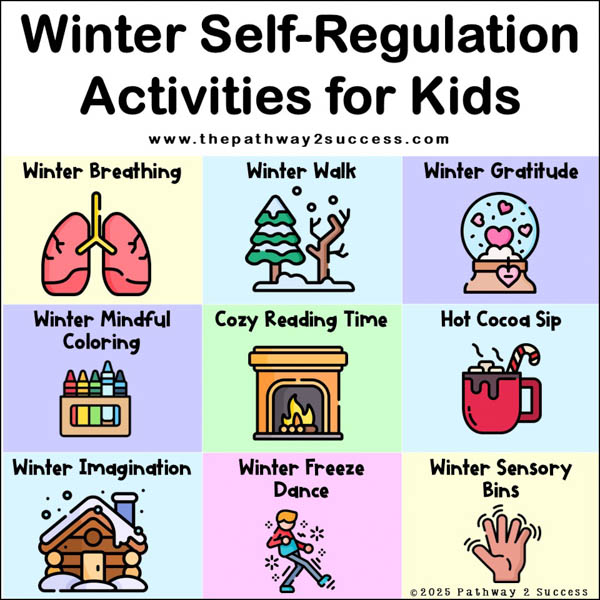
To bridge the gap between theory and practice, educators and parents can leverage ten distinct, engaging, winter-themed interventions designed to foster nervous system regulation, mindfulness, and emotional intelligence.
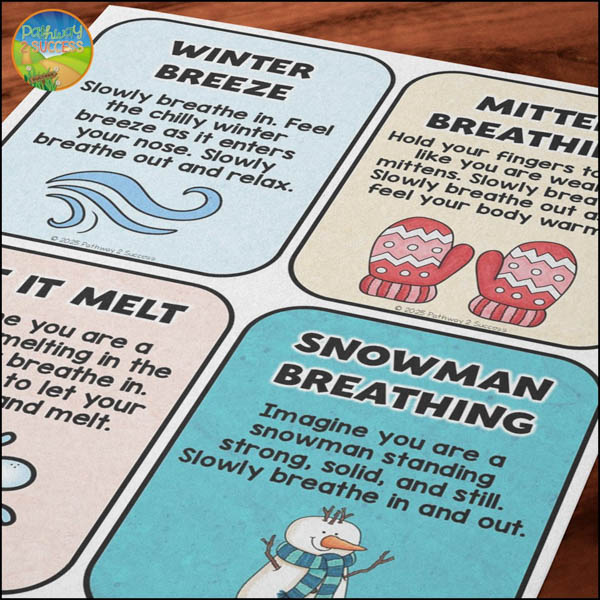
1. Winter Breathing Activities
What it is: Targeted deep-breathing exercises integrated with winter-themed visual metaphors (such as imagining blowing out a candle on a winter pastry or tracing the outline of a snowflake while inhaling and exhaling).
Why it works: Mindful breathing acts as a biological "pause button," instantly activating the parasympathetic nervous system to reduce heart rate, calm muscle tension, and center scattered thoughts.
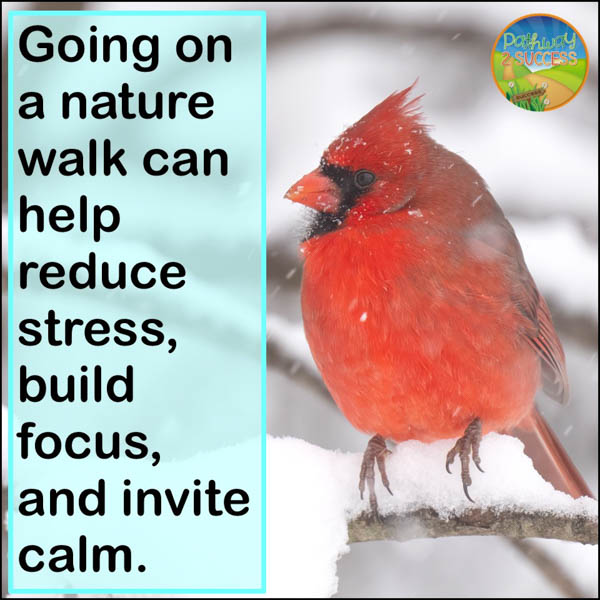
2. Outdoor Nature Walks
What it is: Structured sensory explorations outdoors, encouraging children to observe winter surroundings through all five senses—feeling the cold breeze, hearing crunching frost, and spotting wildlife.
Why it works: Nature immersion reduces stress hormones, increases exposure to natural daylight (critical for regulating circadian rhythms in winter), and naturally exercises sustained attention.
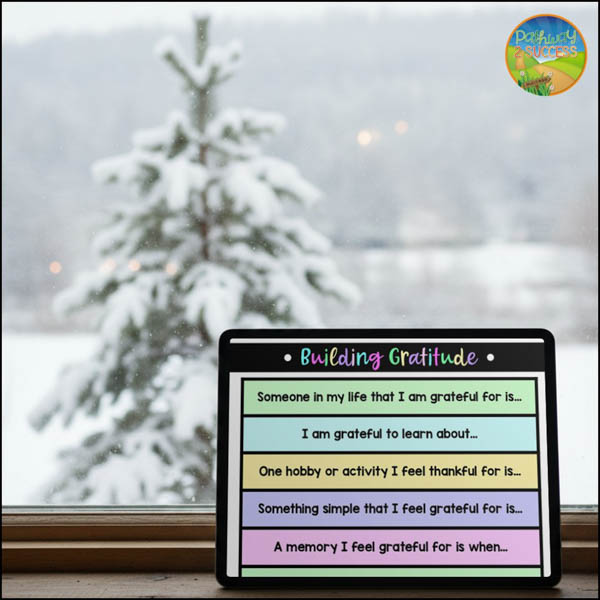
3. Winter Gratitude Practices
What it is: Intentional reflection and journaling centered on specific positive aspects of the winter season, utilizing specialized sentence starters or group sharing sessions.
Why it works: Gratitude exercises purposefully rewire neural pathways to counter our brain’s natural negativity bias, building long-term emotional resilience, better sleep quality, and improved mood.
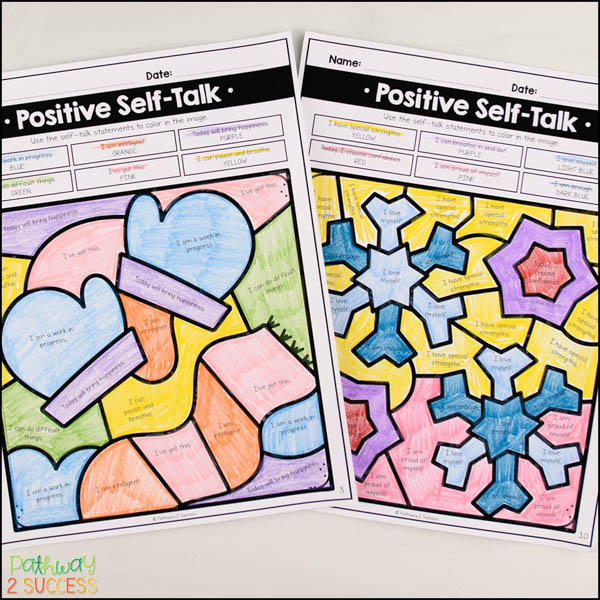
4. Mindful Winter Coloring
What it is: Engaging with intricate, winter-themed coloring pages paired with positive self-talk affirmations, focusing entirely on the tactile motion of coloring rather than artistic perfection.
Why it works: Unlike seated meditation, mindful coloring offers a somatic outlet for children who require physical movement, making it an ideal vehicle for anxiety reduction and self-soothing.
5. Cozy Reading Time
What it is: Establishing dedicated quiet reading blocks set against the backdrop of a soft visual fireplace projection, fostering either independent reading or shared read-alouds.
Why it works: Literature immersion lowers blood pressure, eases somatic tension, and provides a necessary psychological escape from daily stressors while simultaneously building interpersonal empathy.
6. Winter Sensory Bins
What it is: Hands-on tactile exploration using large containers filled with winter-themed items—such as artificial snow, pinecones, cinnamon sticks, smooth pebbles, and miniature winter figurines.
Why it works: Tactile play anchors children in the present moment, anchoring a hyperactive nervous system while simultaneously supporting fine motor dexterity and imaginative storytelling.
7. The Mindful Hot Cocoa Sip
What it is: A slow, multi-sensory exercise where children hold a warm cup of cocoa, notice its aroma, feel its warmth against their palms, and sip deliberately with pauses between tastes.
Why it works: Warm beverages communicate safety and comfort to the central nervous system, while the deliberate pacing of mindful consumption trains foundational executive impulse control.
8. Winter Imagination Visualizations
What it is: Guided imagery exercises where youth close their eyes and mentally travel to a tranquil, snowy landscape, prompted by sensory cues regarding sight, sound, and feeling.
Why it works: Visualization exercises leverage the brain’s neuroplasticity, allowing individuals to mentally induce a state of physiological calm and transition away from fight-or-flight stress responses.
9. Hands-On Winter Crafts
What it is: Creative, structured crafting projects—such as constructing paper snowflakes, yarn weaving, or building winter dioramas—allowing for creative autonomy within a clear framework.
Why it works: Crafts demand sequential planning, fine motor focus, and emotional tolerance when errors occur, turning artistic creation into a masterclass in frustration tolerance.
10. Winter Freeze Dance & Music Integration
What it is: Playing gentle instrumental winter music during transitions or utilizing high-energy "freeze dance" games where children must instantly halt their physical movement upon hearing a designated winter vocabulary word.
Why it works: Music fundamentally alters emotional states, while structured movement games actively challenge the motor cortex and prefrontal cortex to collaborate on impulse inhibition.
As educational institutions and family dynamics continue to evolve in an increasingly complex and high-stimulation world, the imperative to prioritize emotional self-regulation will only grow stronger. The seasonal challenges of winter serve as a powerful stress test for youth developmental systems, highlighting the structural necessity of embedding emotional intelligence training directly into daily routines.
Looking forward, experts advocate for a systemic shift away from reactive discipline models and toward proactive emotional education. By normalizing practices like mindful breathing, sensory grounding, and intentional gratitude across both classrooms and homes, communities can transform winter from a season of behavioral disruption into an invaluable opportunity for growth. Equipping children with these ten foundational strategies does more than simply manage a difficult January afternoon—it builds lifelong neural architecture that empowers young people to navigate life’s inevitable storms with grace, balance, and resilience.