
Executive Overview
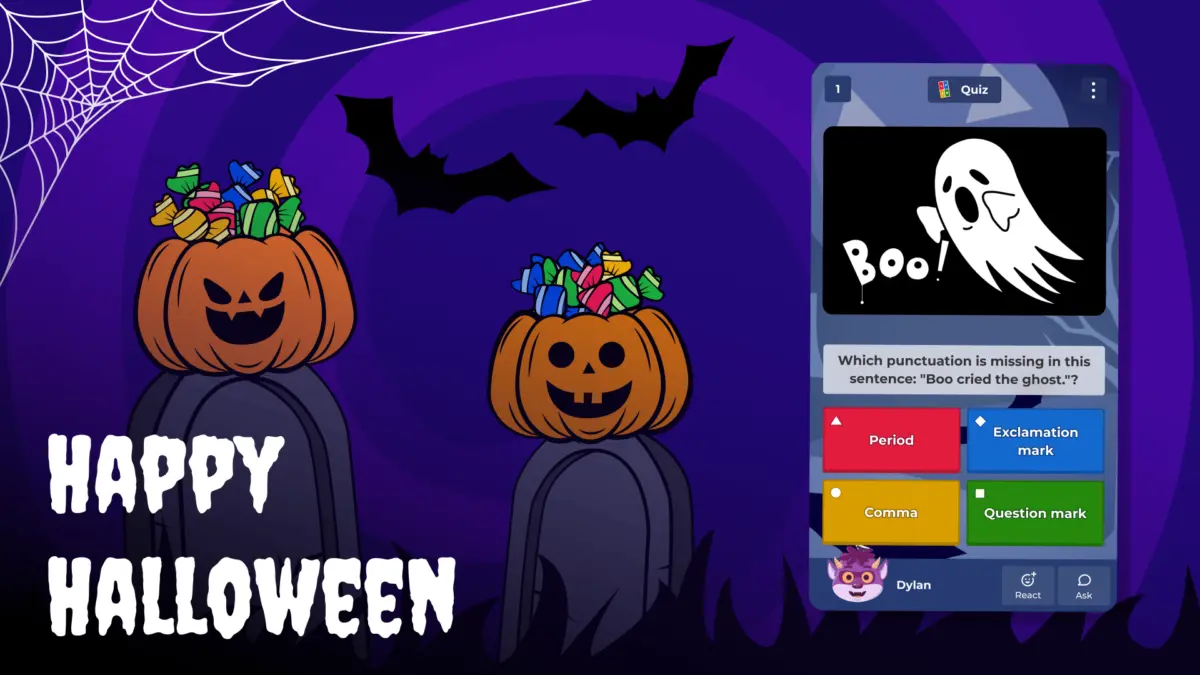
As the autumn leaves turn and the crisp chill of October settles in, educators, parents, and students face a familiar seasonal challenge: maintaining classroom engagement amidst the rising tide of Halloween distractions. Rather than fighting the cultural momentum of the spooky season, educational technology platforms are increasingly leaning into it. Leading this charge is Kahoot!, the global game-based learning platform, which has rolled out an expansive, curated collection of Halloween-themed educational content designed to transform festive excitement into academic momentum.
By bridging the gap between pop culture, rigorous curriculum standards, and interactive play, Kahoot! has positioned itself as an essential tool for cross-sector learning. From pre-K foundational math to high school STEM exam preparation and corporate team-building trivia, the platform’s latest seasonal release leverages recognizable franchises—including Disney, Marvel, Nickelodeon, Star Wars, and Peanuts—to make learning immersive and memorable.
This comprehensive report examines how Kahoot!’s strategic integration of seasonal gamification impacts student outcomes, parent-child engagement, and modern pedagogical methodologies. Through partnerships with world-class institutions like TED-Ed, the Museum of Science, and the World Wildlife Fund (WWF), Kahoot! is redefining how digital game-based learning can address the perennial challenge of autumn academic fatigue.
Detailed Chronology: The Evolution of Seasonal Gamification in Digital Classrooms
To understand the scale and significance of Kahoot!’s current Halloween initiative, it is necessary to examine the broader evolution of gamification within educational technology.
- The Early Era of Digital Quizzing (2013–2016): When Kahoot! was first introduced, its primary utility was rooted in formative assessment and live classroom polling. Teachers created manual quizzes to test recall at the end of a lesson. While revolutionary for its time in terms of real-time engagement, content creation relied entirely on individual educators investing hours outside of class.
- The Rise of Curated Partner Content (2017–2020): Recognizing the need for high-quality, verified educational materials, Kahoot! began establishing formal partnerships with global media powerhouses, museums, and scientific organizations. This shift moved the platform from a blank-canvas utility to a rich content library filled with authoritative material from trusted brands.
- The Pandemic Pivot and Asynchronous Expansion (2020–2022): Global school closures forced a rapid reimagining of how digital tools could facilitate remote and hybrid learning. Features expanded to support student-paced challenges, self-study modules, and home-based family gaming sessions, cementing Kahoot! as a household name for parents as well as teachers.
- The Integration of Pop Culture Franchises (2023–Present): In recent years, Kahoot! has successfully merged blockbuster entertainment properties with foundational learning standards. The current Halloween content rollout represents the pinnacle of this strategy, pairing characters like SpongeBob SquarePants, Hello Kitty, and Groot with complex academic subjects spanning biology, history, and advanced mathematics.
Supporting Context & Metrics: Why Gamified Learning Works in Autumn
The transition into late autumn is traditionally associated with a dip in student focus. Shorter daylight hours, impending mid-term exams, and the cultural anticipation of holidays can fracture attention spans. Educational psychologists and neuroscientists, however, have long pointed to gamification as a powerful antidote to this seasonal slump.
The Neuroscience of Play and Reward
When students engage in interactive, game-based quizzes, their brains release dopamine—a neurotransmitter heavily associated with motivation, memory consolidation, and reward pathways. Unlike passive lecture formats or traditional worksheets, timed competitive formats create a state of "active retrieval practice."
According to internal platform data and independent educational studies utilizing Kahoot!:

- Enhanced Retention: Gamified quizzes increase long-term concept retention by transforming abstract academic facts into high-stakes, low-risk challenges.
- Reduced Test Anxiety: By framing assessments as games rather than high-pressure exams, students exhibit lower cortisol levels, leading to clearer cognitive processing and improved recall.
- Universal Accessibility: The platform’s multi-device compatibility (supporting HTML5 web browsers, iOS, and Android) ensures that socioeconomic barriers to edtech integration are minimized both inside and outside the classroom.
Tailored Content Ecosystems
The breadth of the current Halloween collection is categorized to serve distinct demographics across the educational spectrum:
- For K-12 Educators: Bridging pop culture with core subjects. TED-Ed explorations of historical events (such as the Salem Witch Trials), paired with Nickelodeon and Disney channels, allow teachers to weave literature, science, and history into captivating narrative arcs.
- For Parents and Young Learners: Early childhood education meets festive cheer. Collections featuring Hello Kitty and Friends, Marvel’s Groot, and Charles Schulz’s Peanuts gang teach counting, basic addition, subtraction, and emotional literacy without inducing academic stress.
- For Secondary Students: Exam-season preparation disguised as spooky trivia. Modules from the Museum of Science (exploring lunar phases and insect biology), the WWF (highlighting the ecological importance of "scary" wildlife), and Wiktionary (expanding vocabulary through advanced English terminology) keep high schoolers motivated.
- For Lifelong Learners and Professionals: Frightfully fun social gatherings. Wikipedia-backed historical deep dives into the origins of Halloween traditions, alongside humorous Star Wars trivia challenges, provide ideal icebreakers for adult parties and workplace team-building events.
Official Statements and Pedagogical Insights
Educational leaders and content partners have emphasized the importance of blending entertainment with rigorous academic standards, particularly during high-distraction holiday seasons.
"Halloween provides a unique cultural touchstone that naturally sparks curiosity and wonder in young minds," notes an instructional design lead within the digital learning sector. "By aligning our curriculum with characters and themes students already love—whether it’s exploring the science of the moon with SciShow Kids or untangling complex vocabulary with Wiktionary—we remove the friction traditionally associated with studying."
Partnerships with scientific and cultural authorities further validate the academic rigor of these digital experiences. The inclusion of the Museum of Science and the WWF ensures that even whimsical themes—such as examining "creepy-crawly" insects or misunderstood nocturnal wildlife—are rooted in verifiable ecological and scientific principles.
Furthermore, educational specialists highlight the role of social-emotional learning (SEL) embedded within these modules. For instance, the Peanuts-themed collection focusing on It’s the Great Pumpkin, Charlie Brown directly addresses themes of disappointment, resilience, and emotional literacy, proving that digital games can support holistic child development alongside cognitive skill-building.
Future Outlook: The Trajectory of Interactive EdTech
As educational technology continues to mature, the boundary between entertainment and instruction will likely continue to dissolve. The success of seasonal content drops on platforms like Kahoot! points toward several key trends for the future of learning:
- Hyper-Personalized Adaptive Pathways: Future iterations of game-based learning will likely utilize advanced analytics to adjust question difficulty in real-time based on an individual student’s mastery level during a live session.
- Expanded Cross-Media Collaborations: As media franchises recognize the marketing and societal value of educational engagement, expect deeper integrations between major entertainment studios and edtech platforms.
- Lifelong Continuous Learning Communities: The blurring lines between K-12 education, higher education, and corporate upskilling suggest that platforms capable of serving a four-year-old learning basic addition and a corporate team hosting Halloween trivia will dominate the market.
Ultimately, initiatives like Kahoot!’s Halloween collection demonstrate that learning does not need to feel like a chore. By transforming classrooms and living rooms into arenas of playful exploration, educators and parents can ensure that intellectual curiosity remains alive and well—no matter how spooky the season gets.

