
Early childhood education has long relied on foundational tools to spark a lifelong love of reading, writing, and language comprehension. Among the most iconic texts in modern preschool classrooms is Chicka Chicka Boom Boom, Bill Martin Jr. and John Archambault’s rhythm-driven masterpiece featuring an adventurous coconut tree and a mischievous alphabet climbing its trunk. Bringing this beloved classic to life requires innovative, hands-on pedagogical materials that transcend traditional rote memorization.
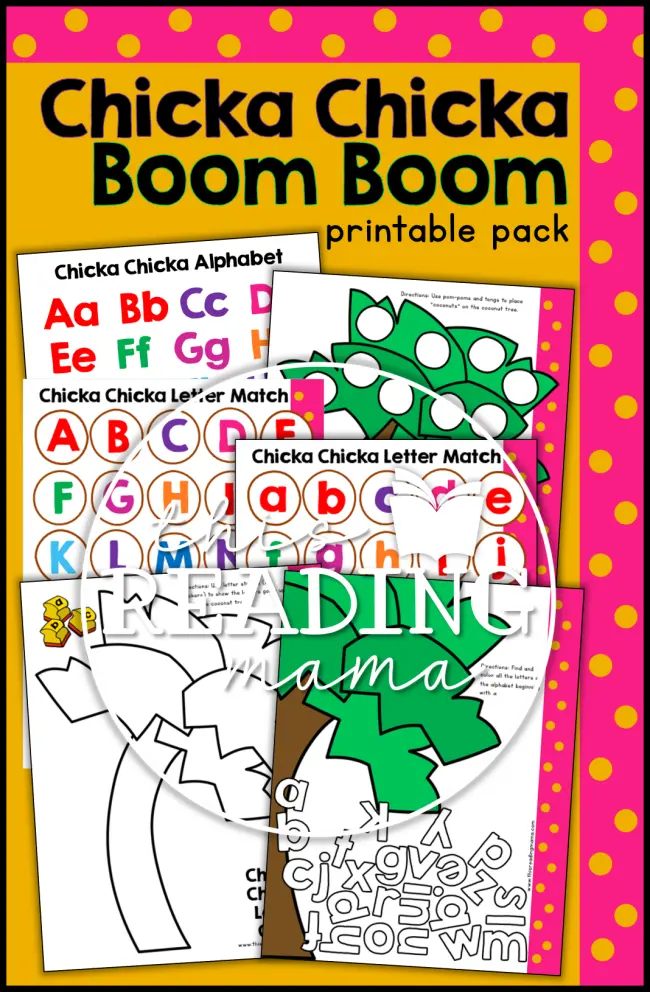
Enter the newly released, complimentary Chicka Chicka Boom Boom Printable Pack, developed by veteran educator and literacy specialist Becky. Designed specifically for early learners, preschoolers, and kindergarten students, this comprehensive resource bridges the gap between literary engagement and essential developmental milestones.
This investigative feature explores the pedagogical framework behind the new printable pack, examining how structured play, alphabet recognition, and fine motor skills integration intersect within contemporary home-schooling and traditional classroom settings. By analyzing the structural components of the resource, the broader implications for early childhood literacy, and the mechanics of accessible educational tools, educators and parents gain a comprehensive look at how modern teaching aids are shaping the future of foundational learning.
Detailed Chronology: From Classroom Inspiration to Digital Release
The conceptualization and eventual release of the Chicka Chicka Boom Boom Printable Pack did not occur in a vacuum; rather, it is the culmination of years of practical classroom experience, curriculum iteration, and a digital-first approach to educational resource sharing.

The Return to the Classroom
The journey began when the creator stepped back into the physical classroom environment, taking on a preschool literacy class at a local homeschool co-op. Re-engaging with young learners provided a fresh perspective on the immediate challenges and triumphs children face when mastering the 26 letters of the English alphabet. While digital applications have flooded the educational market, tactile, paper-based activities remain a cornerstone of early neurological and physical development.
Integrating Literature and Play
During the initial weeks of the term, the curriculum centered heavily on interactive read-aloud sessions. Chicka Chicka Boom Boom naturally emerged as the focal point of the alphabet theme. The rhythmic cadence of the text—"A told B, and B told C, I’ll meet you at the top of the coconut tree"—offered an auditory anchor for young minds. Recognizing that passive listening must be paired with active engagement, the educator-creator began designing custom supplementary sheets tailored to the themes of the book.
Development and Digital Distribution
What started as physical worksheets for a single co-op class quickly evolved into a standardized, polished digital resource. Recognizing a broader demand among educators and homeschooling parents for cohesive, thematic literacy tools, the creator curated a selection of these exercises into a downloadable public pack.
The launch capitalized on established digital distribution channels, making the resources immediately accessible via specialized educational blogs and exclusive resource libraries. By streamlining the downloading and printing process, the release ensured that socio-economic barriers to high-quality educational materials were minimized, allowing under-resourced classrooms and home educators alike to benefit from professional-grade pedagogical aids.

Supporting Context & Metrics: The Science of Early Literacy and Motor Skills
To fully understand the value of the Chicka Chicka Boom Boom Printable Pack, one must examine the underlying educational metrics and cognitive science governing early childhood development.
The Critical Window of Alphabet Recognition
Research in developmental psychology consistently underscores that early alphabet recognition is one of the most reliable predictors of future reading success. Children who can effortlessly identify both uppercase and lowercase letters by the end of preschool transition into fluent readers with significantly greater ease than their peers.
However, rote recitation of the alphabet song often masks a child’s inability to isolate individual graphemes. The activities featured in the printable pack—ranging from structured letter charts to targeted recognition games—utilize visual discrimination techniques. These methods force the developing brain to analyze distinct geometric shapes, curves, and lines that differentiate a ‘b’ from a ‘d’ or an ‘m’ from a ‘w’.
The Interplay Between Fine Motor Skills and Literacy
A unique strength of the newly released pack lies in its deliberate integration of fine motor skill exercises alongside traditional literacy tasks. Neuroscientists have long established a profound link between hand dexterity and cognitive processing.

- Pincer Grasp Development: Activities that require precise finger placement, cutting, tracing, and coloring strengthen the intrinsic muscles of the hand.
- Neurological Synergy: The act of physically manipulating a writing utensil or manipulative to trace a letter reinforces the neural pathways associated with letter formation, effectively merging the physical action with visual memory.
- Sustained Attention Span: Young children frequently experience fatigue during strictly academic tasks. Interspersing fine motor challenges within an alphabet-themed framework maintains high engagement levels, reducing behavioral friction in both homeschool and institutional environments.
Official Statements & Pedagogical Philosophy
The ethos behind the Chicka Chicka Boom Boom Printable Pack centers on accessibility, joy, and developmental appropriateness. While corporate educational publishers often lock basic teaching aids behind expensive paywalls, the philosophy of independent educator-creators emphasizes community-driven support.
The Educator’s Perspective
Reflecting on the motivations behind releasing the free printable pack, the creator emphasizes the timeless relevance of foundational alphabet review:
"No matter what time of year it is, it’s ALWAYS a good time to review all the letters of the alphabet. This year, I’m back in the classroom teaching a preschool literacy class… We spent our time this past class reading and playing with Chicka Chicka Boom Boom, which is one of my absolute favorite alphabet books."
This sentiment highlights a crucial tenet of modern early childhood education: consistency and joy are far more effective than high-pressure, standardized testing drills. By embedding learning within a playful, narrative-driven context, children shed the anxiety traditionally associated with academic instruction.

The Community and Membership Ecosystem
Beyond the freely distributed starter packs, the broader pedagogical framework includes tiered access models, such as specialized digital libraries (The Library). This hybrid approach—offering robust free content while sustaining the creator’s platform through affiliate partnerships and expanded resource memberships—represents a sustainable economic model for independent educators in the digital age. It ensures that content creation remains viable, continuous, and responsive to the real-time needs of educators on the ground.
Future Outlook: The Evolution of Thematic Literacy in the Digital Age
As educational paradigms shift in response to technological advancements and changing demographic needs, resources like the Chicka Chicka Boom Boom Printable Pack point toward a balanced future for early childhood education.
Blended Learning Paradigms
While digital tablets and interactive whiteboards have saturated modern classrooms, a strong counter-movement champions "low-tech" or "tactile-first" learning for children under the age of seven. Excessive screen time during formative years has been increasingly scrutinized by pediatric developmental specialists. High-quality printables offer a middle ground: they are digitally sourced and printed on demand, yet they require physical interaction, cutting, gluing, and pencil-to-paper engagement.
Scalability and Adaptability for Diverse Learning Environments
The future of homeschooling and micro-schools relies heavily on agile, adaptable curricula. As co-ops and pod-learning models continue to grow in popularity, parents and independent instructors require plug-and-play resources that require minimal preparation time while maintaining high academic integrity. The success and proliferation of thematic printable packs indicate a permanent shift toward decentralized, peer-recommended educational materials.

Conclusion
The Chicka Chicka Boom Boom Printable Pack is far more than a simple collection of worksheets; it is a meticulously crafted bridge connecting classic children’s literature with vital cognitive and physical milestones. By prioritizing letter recognition, fine motor development, and joyful engagement without financial gatekeeping, this initiative exemplifies the best of contemporary early childhood education. As educators and parents continue to seek out authentic, play-based learning tools, resources anchored in proven developmental science will undoubtedly remain the gold standard for shaping the next generation of confident, enthusiastic readers.

