
Executive Overview
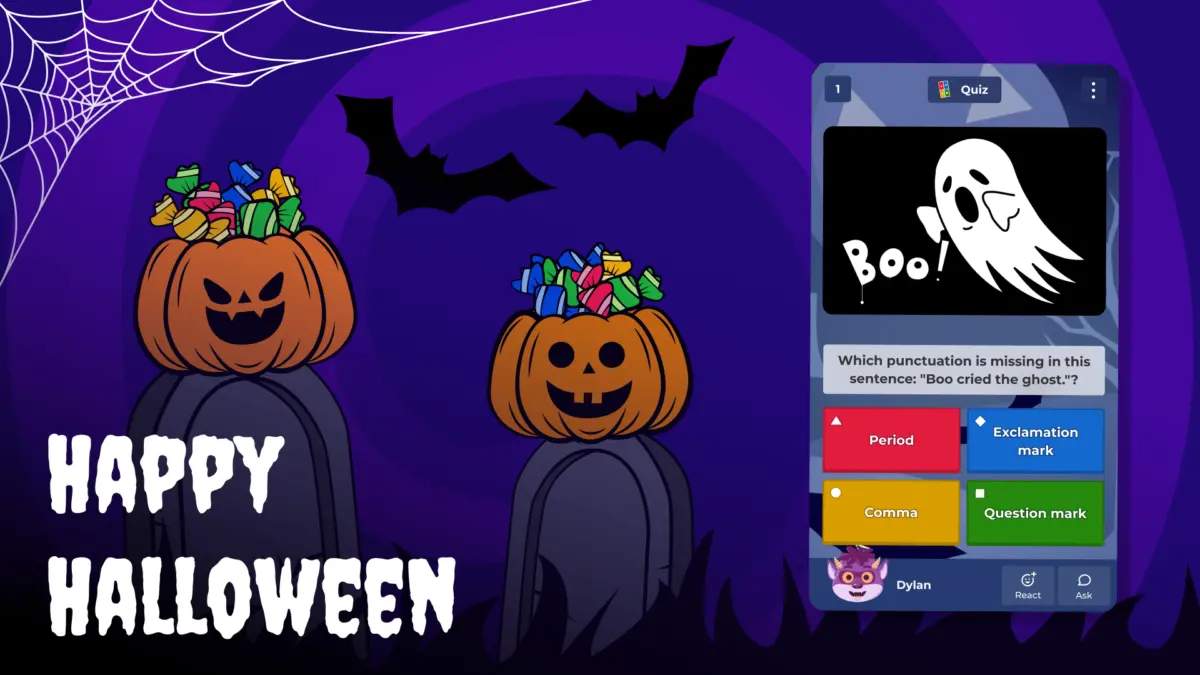
As the autumn leaves turn and the crisp October air ushers in the season of ghouls, goblins, and haunted houses, educators, parents, and students alike are constantly searching for innovative ways to keep learning engaging. Enter Kahoot!, the global game-based learning platform that has continuously redefined how interactive education is delivered. This October, the platform has rolled out an expansive, curated collection of Halloween-themed learning content designed to inject "fang-tastic" fun into classrooms, living rooms, and study sessions across the globe.
By strategically partnering with global cultural giants—ranging from TED-Ed and Disney to Marvel, Nickelodeon, and the World Wildlife Fund (WWF)—Kahoot! has managed to bridge the gap between seasonal entertainment and rigorous academic standards. Whether it is exploring the historical roots of the Salem Witch Trials, tackling foundational math problems alongside Groot from Marvel, or decoding complex scientific phenomena with the Museum of Science, this year’s seasonal initiative demonstrates a sophisticated approach to gamified pedagogy.
This comprehensive report explores the multifaceted rollout of Kahoot!’s Halloween educational ecosystem. We examine how educators are leveraging pop culture icons to drive classroom engagement, how parents are turning foundational skill practice into sweet treats, how students are maintaining academic momentum ahead of exam season, and how lifelong learners are bringing trivia-driven thrills to social gatherings.
Detailed Chronology and Platform Evolution: From Classroom Tool to Cultural Phenomenon
To understand the magnitude of Kahoot!’s current seasonal campaign, one must examine the platform’s trajectory over the past decade. Founded in 2013, Kahoot! originated as a simple, game-based response to traditional, passive lecture formats. Over the years, it has evolved into a multimodal educational powerhouse used by millions of active accounts worldwide.
The Shift Toward Curated Content Partnerships
In its early years, Kahoot! relied heavily on user-generated content (UGC), allowing teachers and students to build their own trivia games from scratch. While UGC remains a cornerstone of the platform, the leadership team recognized a growing demand for verified, high-quality curriculum-aligned material. This realization sparked a series of strategic partnerships with premier content creators, including educational powerhouses like TED-Ed, institutional archives like Wikipedia and the Museum of Science, and entertainment conglomerates like Disney and Lucasfilm.
The Seasonal Strategy
By aligning its platform with cultural touchstones and holidays, Kahoot! tapped into a powerful psychological lever: intrinsic motivation driven by relevance and play. The Halloween campaign represents the culmination of years of refinement in content curation.
- Early October: Platform administrators and educational designers release themed landing pages featuring structured channels. This year’s rollout introduced dedicated spaces for franchises like Hello Kitty and Friends, Peanuts, and Star Wars.
- Mid-October (The Academic Push): As midterms and exam seasons loom for secondary and higher-ed students, the platform shifts focus toward rigorous STEM subjects disguised as seasonal trivia. Partnerships with the WWF and the Museum of Science introduce complex ecological concepts, moon phases, and wildlife conservation under the guise of "spooky science."
- Late October (Community and Party Focus): Leading up to Halloween night, the platform pivots toward lifelong learners, families, and workplace teams, offering historical deep dives into seasonal traditions via Wikipedia and pop culture trivia via Star Wars.
Supporting Context & Metrics: The Anatomy of Gamified Learning
The success of Kahoot!’s seasonal strategies is not accidental; it is backed by a robust body of educational research highlighting the efficacy of game-based assessment.
The Psychology of Play in Education
Cognitive psychologists have long argued that anxiety—particularly academic anxiety surrounding mathematics and science—significantly impedes working memory and information retention. By wrapping core competencies (such as addition, subtraction, vocabulary acquisition, and historical chronology) in playful, low-stakes, high-engagement formats like Kahoot! games, educators effectively lower affective filters.
When a young learner tackles subtraction puzzles alongside Marvel’s Groot, or when a high schooler expands their vocabulary through Wiktionary’s "Wicked words for Halloween," the cognitive load is offset by the dopamine reward loops inherent in gaming.

Cross-Demographic Reach
Kahoot!’s strategy rests on its ability to segment its offerings into distinct, highly tailored user journeys:
- For Teachers: Bringing cross-disciplinary rigor to science, math, and history through immersive historical narratives (e.g., Dracula and the Salem Witch Trials via TED-Ed) and universally recognized characters (Nickelodeon and Disney).
- For Parents: Transforming home practice into a rewarding, stress-free experience. Collections starring Hello Kitty, Groot, and Charlie Brown help young minds master foundational cognitive skills without tears or friction.
- For Students: Providing a bridge between leisure and rigorous study. By turning ecological facts (WWF) and astronomical concepts (Museum of Science) into interactive challenges, students stay motivated during critical academic periods.
- For Lifelong Learners: Catering to adult trivia enthusiasts and corporate team-building events through historical explorations of Halloween traditions and intergalactic Star Wars challenges.
Official Statements and Educational Impact
Educational leaders and content partners have praised the initiative for its ability to transform how students perceive difficult subjects during a traditionally distracting time of the year.
"With the season’s mood of mystery, Halloween is the perfect time to ignite students’ curiosity," notes the educational outreach team at Kahoot!. "By pairing trusted educational institutions with characters students already know and love, we remove the friction of learning and replace it with genuine enthusiasm."
Teachers across various school districts have echoed these sentiments, noting that attendance and active participation spikes during gamified thematic units. In a learning environment where digital fatigue is a persistent threat, the incorporation of rich graphics, narrative-driven challenges, and friendly competition provides a much-needed jolt of energy.
Furthermore, partnerships with organizations like the World Wildlife Fund provide a vital conservation message. By reframing "spooky" animals—such as bats, owls, and spiders—not as frightful monsters, but as critical ecosystem architects, the platform successfully integrates environmental literacy into holiday festivities.
Future Outlook: The Next Generation of Interactive Learning
As Kahoot! continues to scale its offerings—offering premium, unlimited access through tiers like the Kahoot!+ Gold plans for K-12 schools, individual students, and personal users—the platform’s roadmap points toward even deeper integration of immersive technology, adaptive learning algorithms, and expanded global partnerships.
The Horizon of Gamified Education
Looking ahead, the intersection of seasonal events and digital learning platforms is expected to grow increasingly sophisticated. We can anticipate:
- Adaptive Difficulty Scaling: Kahoots that automatically adjust their math and science complexity based on a student’s real-time performance.
- Augmented Reality (AR) Integration: Bringing 3D characters like Groot or Hello Kitty directly into the physical classroom space during live trivia sessions.
- Expanded Global Cultural Archives: Collaborations with international museums and cultural institutions to showcase how different societies mark the transition between autumn and winter, fostering global citizenship alongside academic skills.
Conclusion
Kahoot!’s Halloween initiative proves that education and entertainment do not need to exist in silos. By harnessing the collective power of beloved global franchises, rigorous scientific institutions, and intuitive game design, the platform has turned the spookiest time of the year into a celebration of intellectual curiosity. Whether solving math puzzles with Hello Kitty, exploring the lunar cycle with SciShow Kids, or debating Halloween history via Wikipedia, learners of all ages are finding that the most exciting magic of the season is the joy of discovery.

