In the modern middle and high school classroom, diversity of thought, background, and perspective is an asset, but it is also an inevitable breeding ground for friction. Whether it is a dispute over experimental techniques in a high school chemistry lab, social isolation when peer groups shift, or the subtle sting of being repeatedly interrupted during a debate, interpersonal conflict is a daily reality for adolescents. However, educational experts increasingly agree that conflict resolution in contemporary pedagogy is not about eradicating disagreements entirely. Instead, the ultimate objective is to equip pre-teens and teenagers with the psychological tools and emotional frameworks needed to independently navigate, manage, and resolve friction in healthy, productive ways.
As school districts nationwide grapple with rising behavioral intervention needs and post-pandemic social-emotional gaps, proactive conflict resolution has shifted from an optional soft skill to a fundamental pillar of academic and personal success. By integrating explicit instruction in relationship building, active listening, emotional regulation, and self-advocacy, educators can transform everyday classroom friction into transformative teachable moments. This comprehensive report examines the core frameworks, neurological underpinnings, and actionable strategies empowering middle and high school educators to foster resilient, communicative student communities.
Detailed Chronology: The Evolution of Social-Emotional Learning in Secondary Education
The integration of formal conflict resolution structures into secondary education represents decades of pedagogical evolution. Understanding how schools transitioned from purely punitive models to restorative, skill-based approaches provides crucial context for modern classrooms.
The Late 20th Century (Punitive Paradigms): Historically, student conflict was addressed primarily through reactionary discipline. Out-of-school suspensions, detentions, and stern administrative reprimands were the standard responses to student-on-student disputes. These methods frequently failed to teach underlying social skills, often exacerbating alienation and failing to address the root causes of behavioral friction.
The Turn of the Millennium (The Rise of Peer Mediation): During the early 2000s, progressive institutions began introducing peer mediation programs. Schools trained select students to act as neutral third parties in minor disputes. While moderately successful, these programs often placed an undue burden on young mediators and treated conflict as an isolated event rather than a continuous developmental milestone.
The 2010s (The Integration of SEL): Social-Emotional Learning (SEL) emerged as a formalized framework endorsed by educational researchers and psychological associations. Schools began recognizing that emotional intelligence—encompassing self-awareness, social awareness, and relationship management—is deeply intertwined with academic achievement. Conflict resolution began moving inward, integrated directly into daily curricula rather than relegated to the principal’s office.
The Post-2020 Landscape (Proactive, Trauma-Informed Frameworks): Following the widespread social disruptions of the early 2020s, educators noted heightened anxiety, developmental delays in peer socialization, and difficulties in emotional regulation among middle and high schoolers. Modern conflict resolution has consequently evolved into a proactive, trauma-informed discipline. Today’s best practices emphasize nervous system regulation, explicit self-advocacy, structured class meetings, and daily reflection, viewing conflict as a natural mechanism for human growth and boundary-setting.
Supporting Context & Metrics: Why Focus on Conflict Resolution Strategies?
Implementing structured conflict resolution supports yields a cascading array of benefits that extend far beyond classroom management. Research consistently demonstrates that when students acquire and practice these strategies, institutional culture and individual student outcomes improve dramatically.
The Neurological Connection: Calming the Amygdala
To understand why explicit conflict resolution strategies are vital, educators must look to adolescent neurobiology. Teenagers possess rapidly developing brains, particularly within the prefrontal cortex—the region responsible for executive functioning, planning, long-term decision-making, and impulse control.
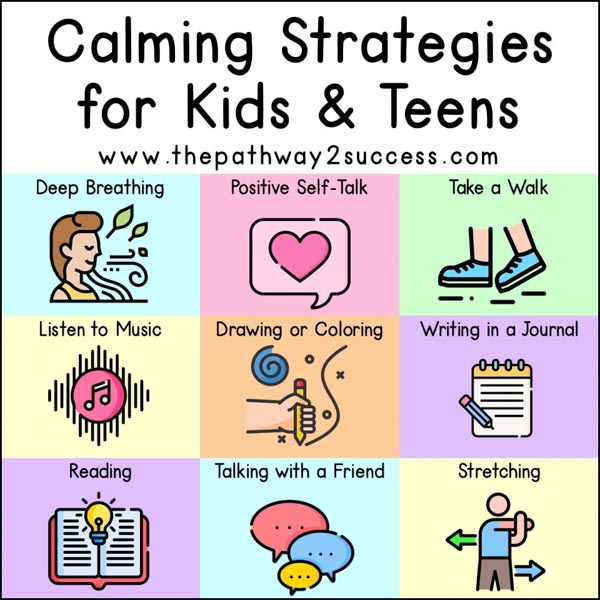
When a student experiences intense stress, social rejection, or a heated disagreement, a primitive, almond-shaped cluster of nuclei deep within the temporal lobe known as the amygdala takes over. This triggers the classic "fight, flight, or freeze" response, rendering the student impulsive, hyper-reactive, and biologically ill-equipped for rational discourse. Conversely, when educators teach and practice calming strategies—such as controlled deep breathing, positive self-talk, and brief grounding breaks—students can down-regulate their nervous systems. This allows the pre-frontal cortex to regain control, enabling clear thinking and constructive problem-solving.
Core Benefits for Middle and High School Learners
Enhanced Academic Engagement: Classrooms with low baseline friction and high psychological safety experience fewer instructional interruptions, leading to improved focus and higher standardized performance metrics.
Long-Term Professional Readiness: Employers consistently rank conflict management, emotional intelligence, and collaborative problem-solving among the most critical employability skills for the 21st-century workforce.
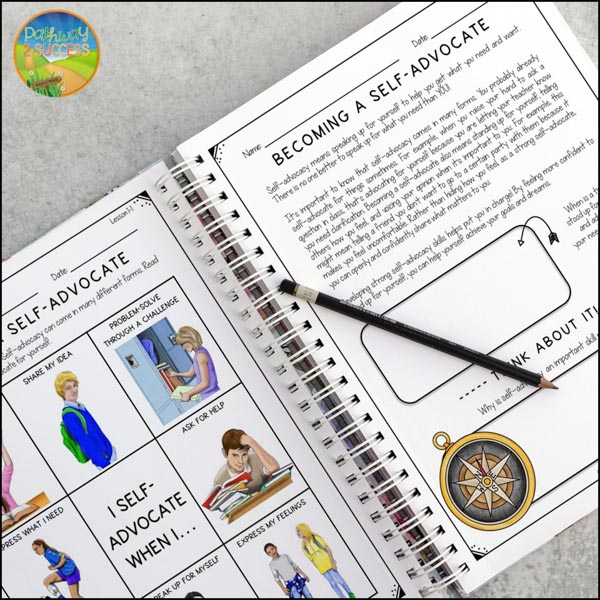
Prevention of Escalated Bullying: Equipping students to speak up, set boundaries, and assertively say "no" early on prevents minor misunderstandings from festering into systemic bullying or targeted harassment campaigns.
Official Statements and Pedagogical Insights
Leading voices in child psychology, adolescent development, and educational administration emphasize that teaching conflict resolution requires deliberate, intentional curriculum design rather than passive hope.
"Conflict is not an interruption to the educational process; when handled correctly, it is the educational process itself. Adolescents are testing boundaries, discovering their identities, and learning where they fit into the social ecosystem. If we step in to solve every minor disagreement for them, we rob them of the resilience they will need for the rest of their lives."
— Dr. Elena Vance, Chair of Adolescent Behavioral Development at the Institute for Educational Research
Furthermore, instructional specialists stress the necessity of shifting teacher mindsets from reactive managers to proactive facilitators.
"When we teach kids and teens that some conflict is actually a healthy, normal part of human interaction, we remove the shame and panic associated with disagreements," notes veteran middle school educator and curriculum designer Marcus Holloway. "Students learn that working through a clash of ideas helps them understand their own needs, communicate more effectively, and ultimately forge deeper, more authentic connections with their peers."
Core Pillars of Classroom Conflict Resolution
To bring these principles to life, educators can integrate several interconnected, practical strategies into their weekly routines:
1. Intentional Relationship Building
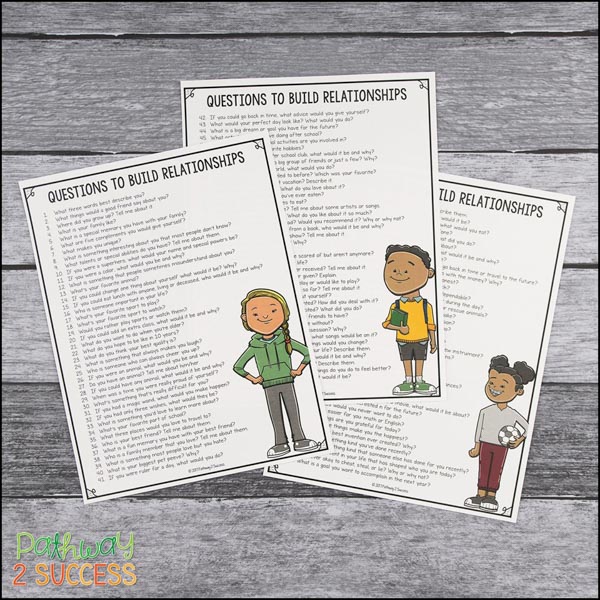
Connection precedes correction. When students feel genuinely seen, valued, and connected to their peers and teachers, navigating high-stakes disagreements becomes vastly more manageable. Educators can utilize targeted relationship-building questions during morning meetings or homeroom blocks to open the door to meaningful dialogue and dismantle social cliques.
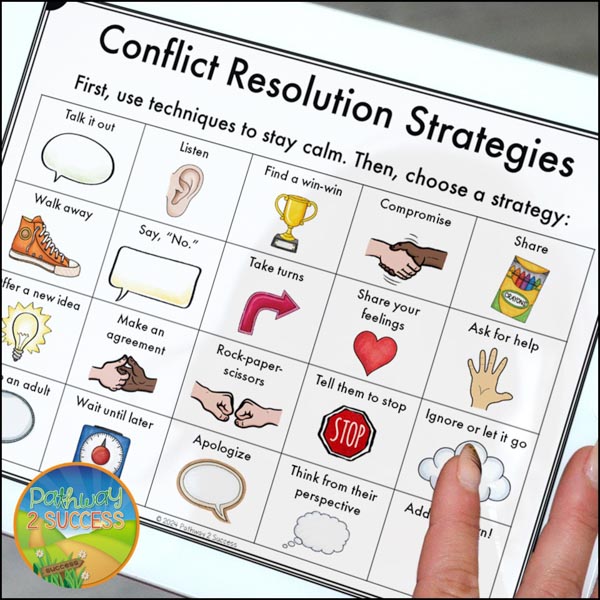
Being proactive means giving students the conceptual toolkits they need before a crisis hits. Educators should explicitly discuss that different scenarios demand different tactics. A collaborative group project requires active listening and compromise, whereas unwanted peer pressure to share answers requires assertive self-advocacy and a firm, clear "no."
3. Cultivating Active Listening
Active listening goes beyond mere silence while another person speaks; it is the deliberate process of hearing to understand rather than hearing to reply. Integrating structured listening protocols into academic discussions ensures that students validate one another’s perspectives before formulating counter-arguments.
4. Scenario-Based Practice and Roleplay
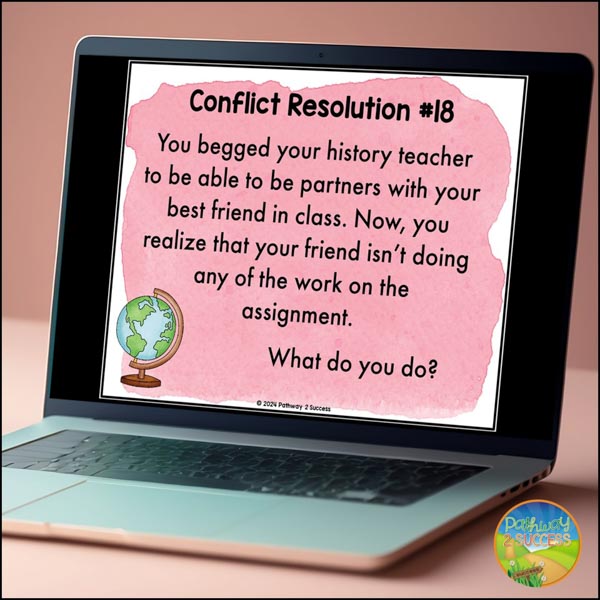
Utilizing conflict scenario cards provides adolescents with a safe, low-stakes environment to analyze real-life interpersonal dilemmas. By reading a hypothetical scenario, discussing the underlying motivations, and brainstorming multiple peaceful resolutions, students build cognitive flexibility and empathy.
5. Practicing Respectful Disagreement
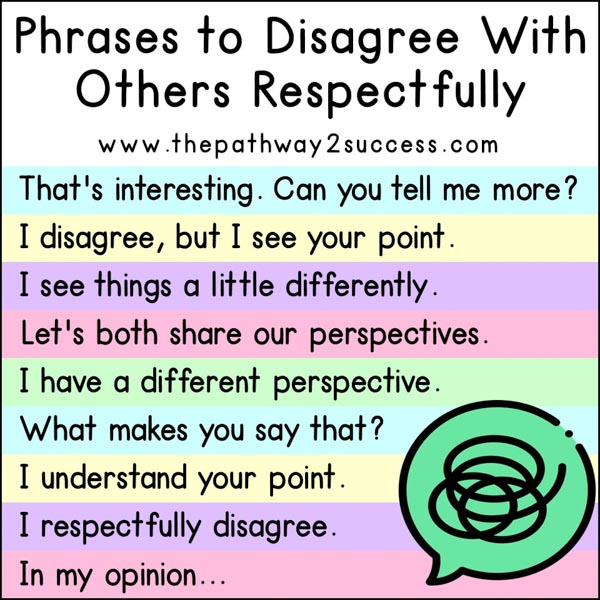
Disagreements over trivial matters—such as the best genre of music, the most influential historical invention, or preferred sports teams—offer lighthearted opportunities to practice the mechanics of respectful dissent. Providing students with concrete verbal frames helps normalize civil discourse:
"I see your point about [Topic], but I view it slightly differently because…"
"That’s an interesting perspective; have you ever considered…"
"I respectfully disagree with that approach, but I understand why you might think that."
Future Outlook
As educational institutions continue to adapt to the demands of the 21st century, the emphasis on social-emotional competence and conflict resolution will only intensify. Future classrooms are expected to increasingly blend digital citizenship education with face-to-face restorative practices, acknowledging that modern adolescent conflict frequently spills across both physical hallways and digital social platforms.
Looking ahead, school districts that invest in comprehensive, school-wide conflict resolution frameworks will likely see dramatic drops in disciplinary referrals, improved teacher retention rates, and—most importantly—graduating cohorts of young adults who possess the emotional maturity, resilience, and communicative prowess required to navigate an increasingly complex world. Conflict resolution is not merely a classroom management hack; it is an investment in the future social fabric of society.