
Executive Overview
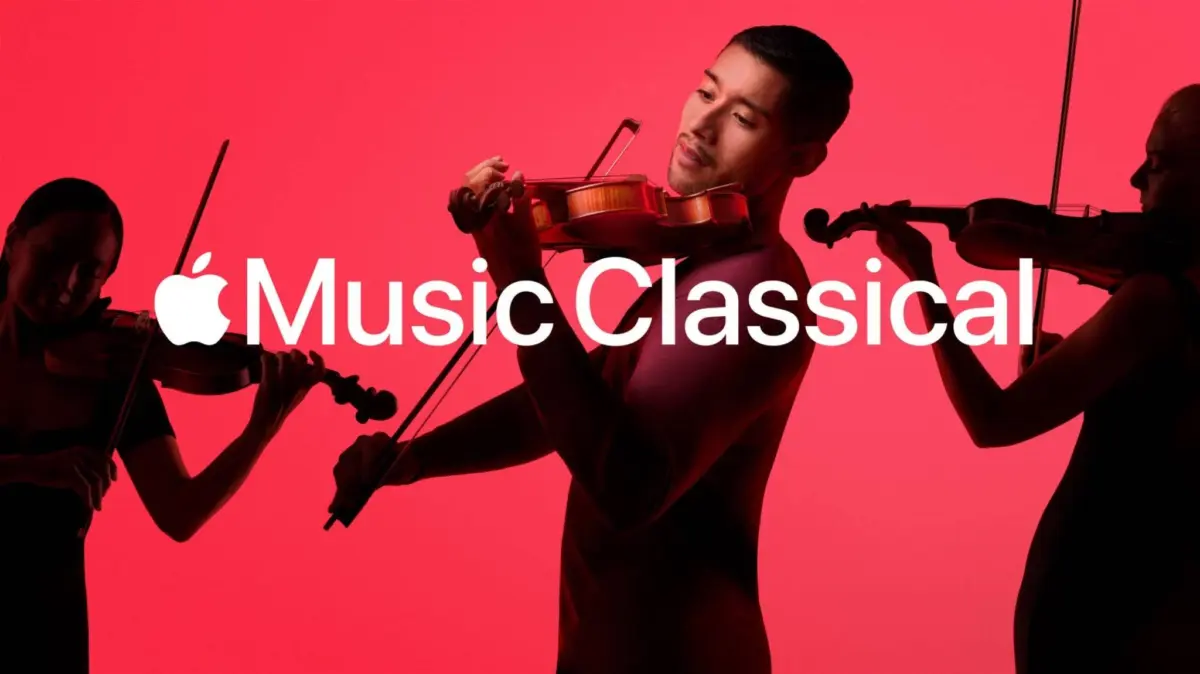
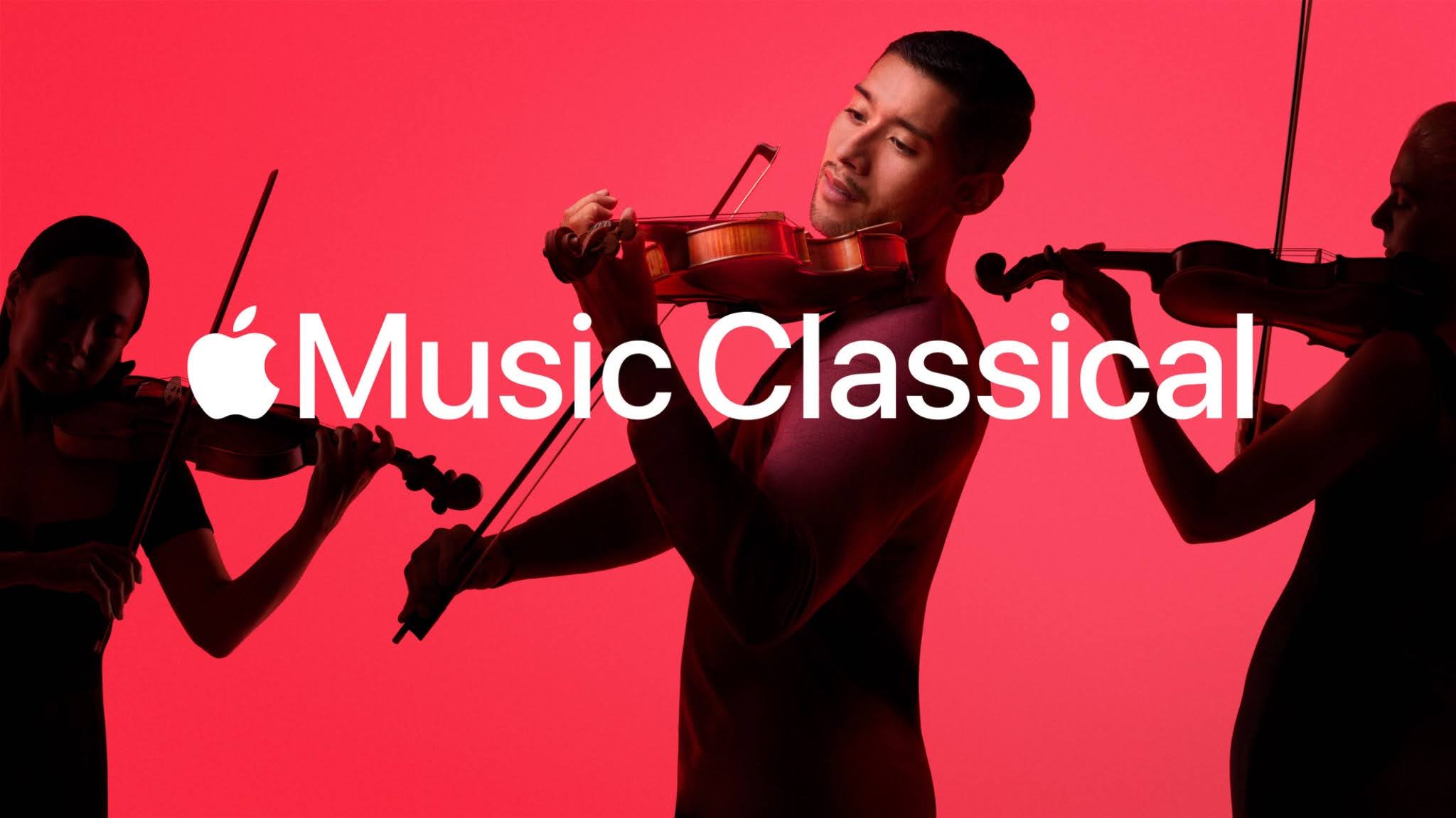
In an era where digital innovation continually reshapes pedagogical boundaries, a groundbreaking collaboration has emerged at the intersection of edtech and high culture. Kahoot!, the global game-based learning platform renowned for turning classrooms into vibrant arenas of interactive participation, has officially announced a strategic partnership with Apple Music Classical—the world’s most comprehensive classical music catalog.
This landmark alliance introduces a dedicated channel of ready-to-play educational games designed to demystify classical music for students, educators, and lifelong learners of all ages. By gamifying core musical concepts, this partnership breaks down historical barriers to entry, making centuries-old masterpieces accessible, engaging, and deeply resonant for digital-native generations.
Beyond the interactive quiz channel, the collaboration extends into the auditory realm with exclusive curated playlists on the Apple Music Classical app. Engineered to foster deep focus, cognitive flow, and optimal study environments, these acoustic soundscapes marry cognitive science with symphonic beauty.
As educational institutions increasingly seek multidisciplinary approaches that cultivate both technical proficiency and emotional intelligence, the Kahoot! and Apple Music Classical initiative arrives as a timely masterclass in modern instructional design.
Detailed Chronology
To understand the magnitude of this partnership, it is essential to trace the deliberate steps taken by both technology pioneers to bridge the gap between gamified learning and classical heritage.
The Foundation of Digital Accessibility
Long before this partnership materialized, both entities had been independently redefining their respective spaces. Kahoot!, launched in 2013, democratized formative assessment by turning quizzes into competitive, joyful experiences. Meanwhile, Apple Music Classical was developed to provide discerning listeners with the definitive digital destination for orchestral, operatic, and chamber music, offering high-resolution audio and deep metadata architecture.
The convergence of these two platforms began with a shared vision: that classical music should not be confined to elite concert halls or dusty textbooks, but should live dynamically in the minds and hands of the next generation. Engineers, musicologists, and educational designers spent months curating content that balances rigorous academic standards with the high-energy pacing characteristic of the Kahoot! ecosystem.
Launching the Interactive Channel
The rollout centers around a newly minted, dedicated channel on Kahoot! featuring interactive games categorized by theory, composer history, and active listening.
- The Melody and Theory Modules: Designed to build foundational literacy, these games teach students how to identify thematic motifs, understand musical form, and recognize dynamic shifts in tempo and rhythm.
- The Composer Spotlights: Moving beyond memorization of dates and names, these modules delve into the personal struggles, triumphs, and psychological landscapes of legendary figures such as Ludwig van Beethoven, Johann Sebastian Bach, and Pyotr Ilyich Tchaikovsky.
- Deep Listening Exercises: Utilizing interactive prompts, these sessions challenge players to discern subtle variations within complex compositions, transforming passive listeners into active, analytical critics.
Concurrently, Kahoot! launched specialized curator playlists on Apple Music. These audio collections are specifically sequenced to maintain student engagement, reduce cognitive fatigue, and enhance memory retention during intensive study sessions.
Supporting Context & Metrics
The integration of classical music into mainstream educational curricula is supported by a robust body of neurological and psychological research. For decades, educators have pointed to the "cognitive scaffolding" provided by music education, noting improvements in spatial-temporal reasoning, mathematical proficiency, and linguistic development.
The Cognitive Science of Musical Engagement
Engaging with classical music requires a unique synthesis of emotional processing and logical analysis. When students play games centered around musical form and melody, they activate multiple regions of the brain simultaneously—including the auditory cortex, the prefrontal cortex, and motor-control networks.
By layering Kahoot!’s competitive, time-sensitive mechanics onto this neurological foundation, the partnership leverages the principles of active recall and spaced repetition. Studies in educational psychology consistently demonstrate that gamified learning significantly spikes dopamine production, which in turn fortifies neural pathways associated with long-term memory storage.
Breaking Down Elitist Barriers
Historically, classical music has suffered from a perception of exclusivity—an art form reserved for those with formal conservatory training or generational exposure. By framing the works of Mozart, Beethoven, and Chopin within an interactive digital game format, the partnership neutralizes intimidation factors.
As noted in preliminary design guidelines for the Ludwig van Beethoven module, no prior musical background is required; success relies purely on curiosity, attentive listening, and an open ear. This inclusive design philosophy ensures that students from diverse socioeconomic backgrounds and varying academic profiles can step onto a level playing field and discover a lifelong appreciation for orchestral masterpieces.
Official Statements and Pedagogical Implications
Industry leaders and educational experts have widely praised the initiative for its innovative approach to arts integration—a subject frequently sidelined in favor of strictly STEM-focused (Science, Technology, Engineering, and Mathematics) curricula.
Redefining Arts Education in the Digital Age
"We are thrilled to embark on this journey with Apple Music Classical," representatives from Kahoot! shared upon the launch. "By combining the world’s finest classical catalog with our interactive learning platform, we are opening doors to a timeless art form. We want students to experience the thrill of discovery, whether they are decoding the architecture of a fugue or uncovering the personal trials of history’s greatest composers."
Educational theorists have echoed these sentiments, emphasizing that arts education is critical for developing holistic problem-solvers. In an era dominated by rapid-fire, bite-sized digital media, the deep listening exercises featured in the Apple Music Classical channel encourage sustained attention spans. Students are taught not merely to hear music, but to listen intentionally—a cognitive skill that translates directly into enhanced reading comprehension, critical thinking, and emotional resilience.
Furthermore, teachers utilizing the platform have highlighted its seamless adaptability. Whether deployed as an energetic warm-up activity at the start of a class, an interactive formative assessment tool, or a collaborative group challenge, the kahoots offer unprecedented flexibility for diverse classroom environments.
Future Outlook: The Next Movement in EdTech
As the initial wave of kahoots and curated playlists gains momentum across global classrooms, stakeholders are already looking toward the horizon of what this partnership might achieve.
Expanding the Repertory
Future updates to the channel are slated to introduce even broader historical epochs, ranging from the intricate counterpoint of the Baroque era to the bold dissonance of 20th-century modernism. Plans are also underway to incorporate regional and non-Western classical traditions, ensuring the catalog reflects the rich diversity of global musical heritage.
Technological Convergence and Immersive Learning
As spatial audio, augmented reality (AR), and generative AI continue to mature, the potential for immersive music education grows exponentially. Future iterations of this partnership could see students interacting with 3D audio environments, visualizing sound waves in real-time, or even testing their compositional skills against historical benchmarks within an interactive framework.
Ultimately, the collaboration between Kahoot! and Apple Music Classical proves that innovation and tradition are not mutually exclusive. By harmonizing cutting-edge educational technology with centuries of musical genius, this initiative ensures that the masterpieces of the past will continue to inspire, educate, and captivate the maestros of tomorrow.

