
Executive Overview
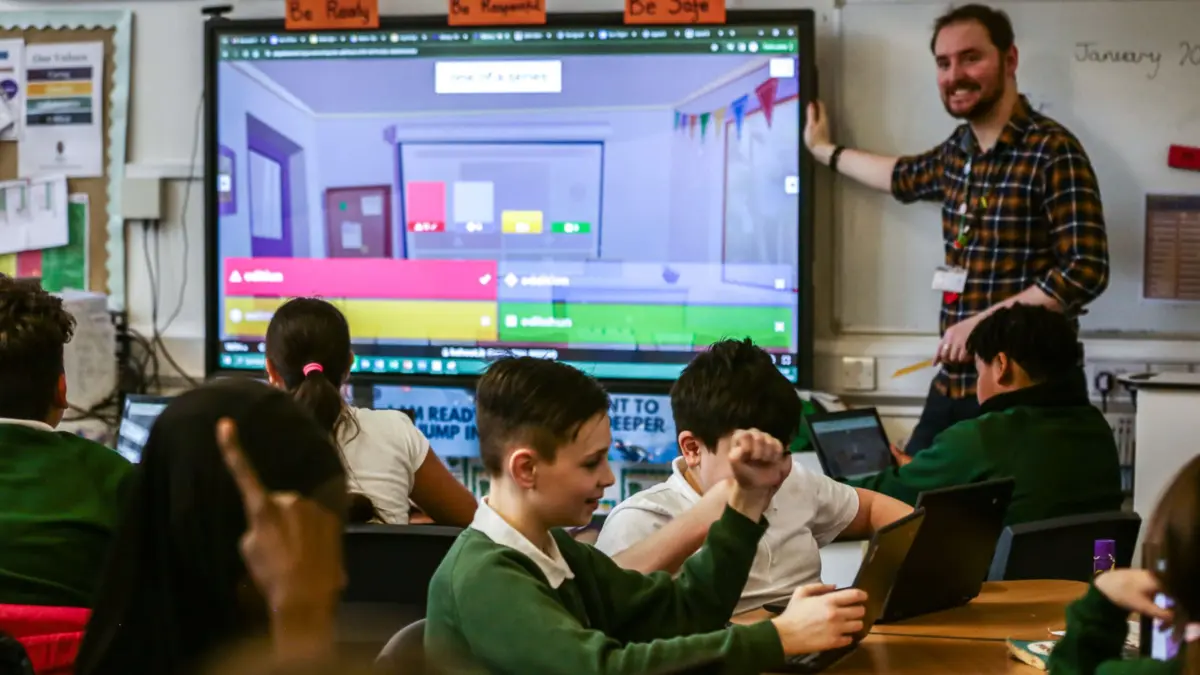
As educators worldwide prepare for the challenges and opportunities of a new academic year, the pressure to balance digital innovation with foundational learning has never been more pronounced. Classrooms today are dynamic ecosystems where student engagement, individual pacing, and digital fatigue intersect. In response to these complex pedagogical demands, the interactive learning platform Kahoot! has rolled out a comprehensive suite of updates designed to reshape the modern educational landscape.
This new feature set moves far beyond traditional multiple-choice trivia, addressing some of the most persistent hurdles teachers face: managing device-free learning environments, closing critical achievement gaps in mathematics, fostering multi-language proficiency, encouraging advanced critical thinking, and drastically reducing lesson preparation time through artificial intelligence.
By strategically blending analog interaction with adaptive digital tools, Kahoot! aims to equip K-12 and higher-education instructors with a versatile toolkit. This report provides an exhaustive, authoritative analysis of these newly launched features, examining how they address contemporary educational challenges, the technology behind them, and their anticipated impact on student outcomes globally.
Detailed Chronology of the Release and Core Feature Breakdown
The rollout of Kahoot!’s back-to-school feature suite represents a methodical evolution in educational technology design. Rather than releasing isolated updates, the platform has deployed an interconnected ecosystem of tools targeted at specific instructional pain points. Below is a detailed breakdown of the core components making up this release.
1. Reimagining Engagement: Unplugged Classical and Team Tiles
One of the most pressing debates in modern education centers on screen time and digital distraction. While edtech offers undeniable benefits, teachers frequently encounter classrooms where individual device management detracts from collaborative discourse.
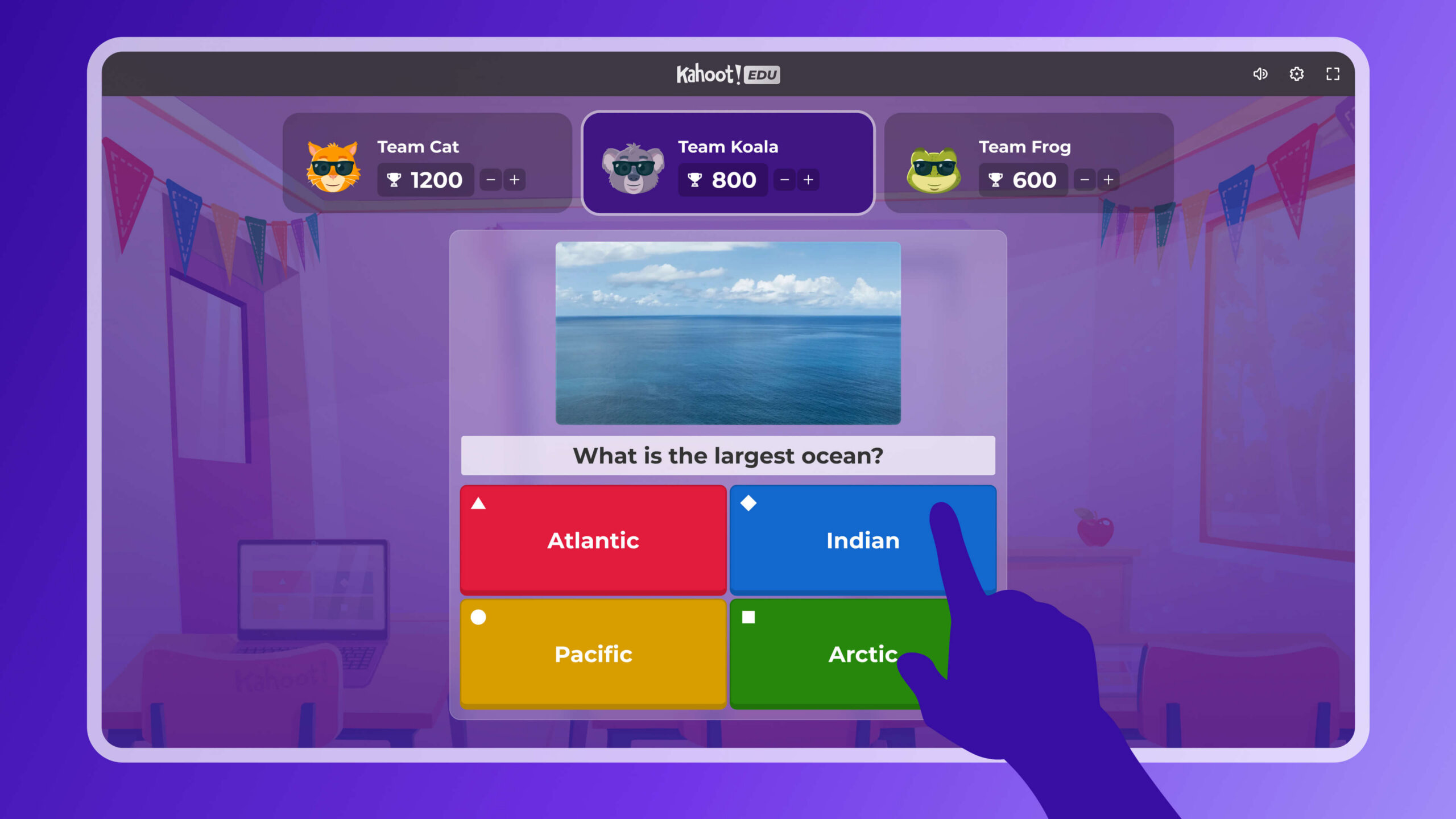
To address this, Kahoot! introduced Unplugged Classical and Team Tiles, two innovative formats designed for gerätefreie (device-free) environments.
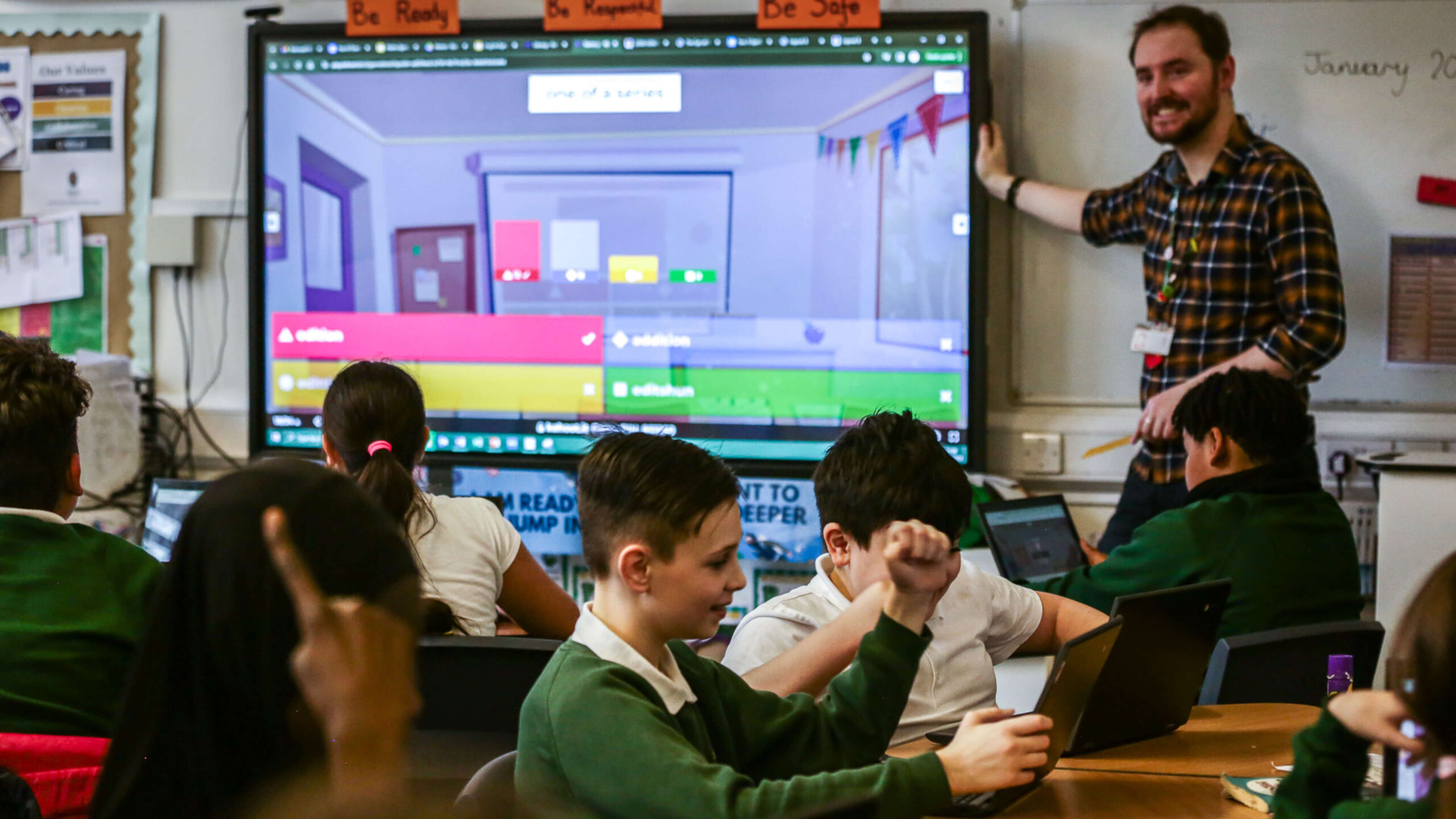
- The Mechanism: Instead of every student requiring a smartphone, tablet, or laptop, the entire interactive experience is anchored to a single shared classroom display (such as an interactive whiteboard or projector).
- The Interaction: Students engage by calling out answers, holding up physical response cards, or convening in small groups to debate solutions before submitting a consensus.
- Pedagogical Value: This approach preserves the high-energy gamification of Kahoot! while intentionally cultivating social learning, verbal communication, and active listening. It provides a strategic compromise for educators seeking to minimize individual screen time without sacrificing interactive motivation.
2. Adaptive Remediation: Math Missions
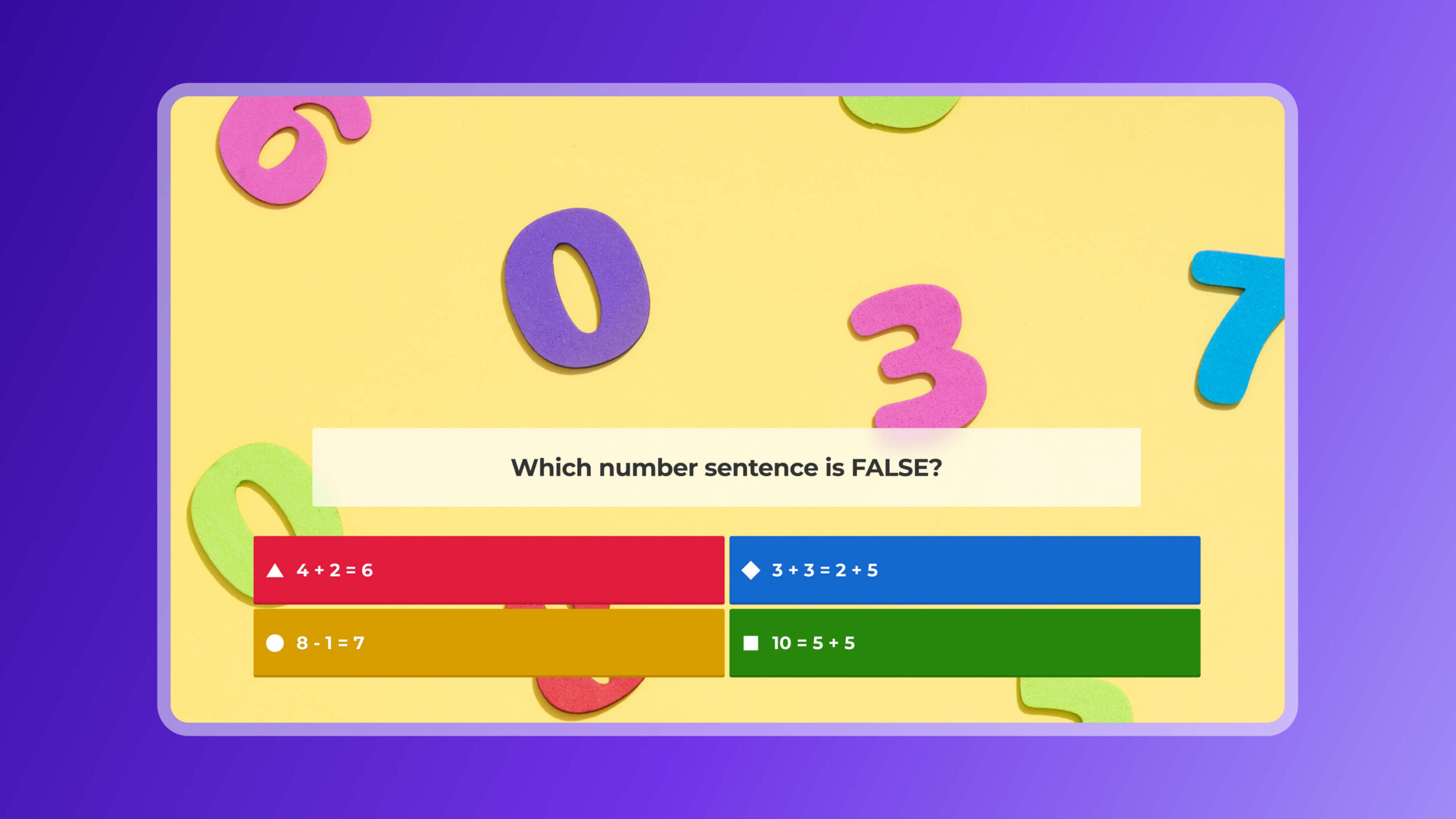
Mathematics education has faced unprecedented disruption in recent years, leaving wide learning gaps that traditional, one-size-fits-all curricula struggle to bridge. Recognizing that students master mathematical concepts at drastically different rates, Kahoot! expanded its Math Missions program.
- The Mechanism: Math Missions is an adaptive practice engine grounded in self-paced learning. The software continuously evaluates a student’s responses, automatically adjusting the difficulty and cadence of subsequent problems based on real-time performance data.
- Scope: The program spans foundational number sense up to complex algebraic concepts.
- Pedagogical Value: By removing the social stigma often associated with falling behind, Math Missions offers a low-stakes, highly personalized environment. It equips teachers with granular, real-time analytics to identify struggling learners early, ensuring that foundational gaps are closed before high-stakes testing.
3. Linguistic Diversity: Kahoot! Language Learning
In an increasingly interconnected global society, language acquisition is a critical competency. However, maintaining student momentum in vocabulary acquisition and conversational confidence can be challenging.
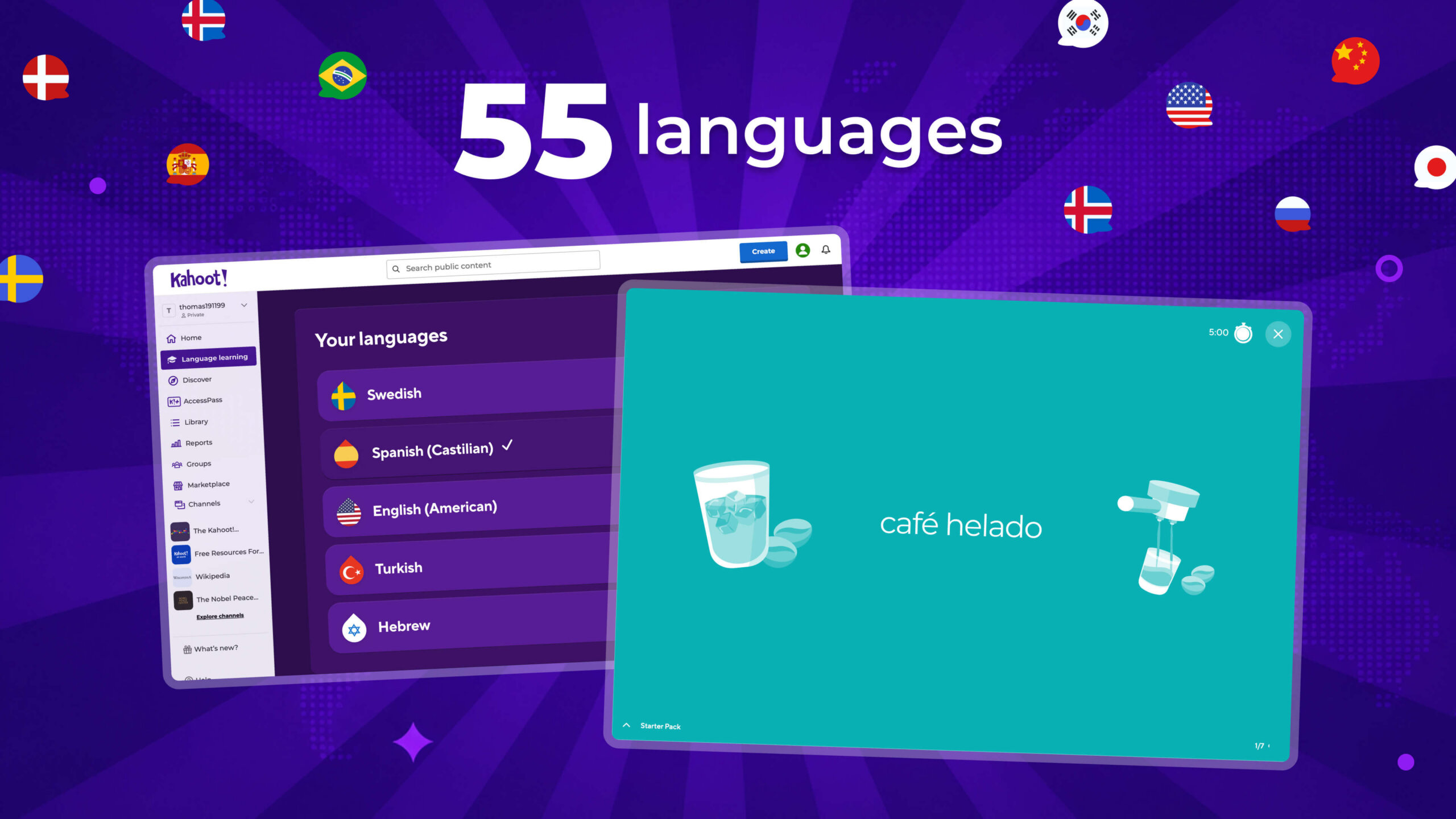
- The Mechanism: The newly integrated Kahoot! Language Learning suite supports over 55 languages. It merges visual, bite-sized lessons with the platform’s signature motivational mechanics.
- Flexibility: Instructors can utilize the tool across multiple scenarios: as a rapid 5-minute warm-up at the start of a lesson, an energetic multiplayer review session, or a stress-free homework assignment.
- Pedagogical Value: By lowering the affective filter—the mental barrier that can prevent students from speaking a new language—the platform provides a safe space for lexical expansion and self-paced linguistic practice.
4. Cultivating Higher-Order Skills: Open-Ended Questions
While rapid-fire multiple-choice questions excel at reinforcing recall and foundational knowledge, modern education demands the cultivation of higher-order cognitive skills, such as analysis, evaluation, and creative synthesis.
- The Mechanism: Designed specifically for educators teaching students aged 16 and older, the new Open-Ended Question Types (and enhanced brainstorming features) move beyond binary correct/incorrect answers.
- The Interaction: Students input qualitative responses, which are then displayed anonymously or collectively on a shared digital canvas (resembling digital sticky notes).
- Pedagogical Value: This format transforms the classroom into a seminar-style discussion space. It allows teachers to gauge authentic student comprehension, gather nuanced feedback, and encourage learners to articulate complex thoughts and justifications for their reasoning.
5. AI-Driven Efficiency: The Kahoot! Assistant
Administrative burnout and the sheer volume of lesson preparation time are among the leading drivers of teacher attrition globally. To combat this, Kahoot! has integrated an advanced artificial intelligence tool: the Kahoot! Assistant.
- The Mechanism: The AI assistant serves as a co-pilot for curriculum development. Educators can input any topic, URL, or raw document, and the assistant instantly generates a tailored, interactive quiz or learning session. Alternatively, teachers can upload existing slide decks or PDF files to be automatically converted into gamified formats.
- Pedagogical Value: By offloading the heavy lifting of content generation to artificial intelligence, educators can reclaim valuable planning hours. This allows them to redirect their energy toward direct student engagement, emotional support, and individualized mentorship.
Supporting Context & Metrics: The EdTech Landscape
To understand the significance of Kahoot!’s latest offerings, one must examine the broader socio-educational context in which they operate. Recent educational research highlights several critical trends:
- The Screen-Time Paradox: While digital tools have revolutionized remote and hybrid learning, post-pandemic classrooms have grappled with "digital burnout." Studies from educational psychologists indicate excessive individual screen time can diminish attention spans and interpersonal social skills. Kahoot!’s introduction of Unplugged modes directly responds to this paradigm, proving that gamified learning can thrive without a 1:1 device ratio.
- The Remediation Imperative: International assessments point to persistent learning deficits, particularly in mathematics and literacy. Adaptive platforms that offer real-time diagnostic data—such as Math Missions—are no longer viewed as optional supplements; they are essential infrastructure for closing achievement gaps.
- Teacher Retention and Workload: According to global education labor studies, administrative burdens and lesson preparation consume up to 50% of a teacher’s working hours outside of direct instruction. AI integration tools, like the Kahoot! Assistant, represent a critical technological intervention necessary to streamline teacher workflows and combat burnout.
Official Statements and Strategic Vision
Leadership at Kahoot! has framed this release not merely as a feature update, but as a reaffirmation of the platform’s core mission: making learning awesome while directly addressing the structural challenges of modern schooling.
In official communications accompanying the launch, product development leads emphasized that the modern classroom requires maximum flexibility. Rather than dictating how technology must be used, the new ecosystem empowers educators to choose the exact pedagogical tool that fits their immediate environment—whether that is a high-tech AI-generated quiz, an adaptive math mission, or a low-tech, device-free collaborative team exercise.
Furthermore, the company has underscored its commitment to professional development. Alongside the software update, Kahoot! launched the “Zurück in die Schule” (Back-to-School Essentials) Professional Development Course. This training curriculum is designed to help educators seamlessly integrate the new tools into existing lesson plans, ensuring that technological adoption translates directly into measurable pedagogical gains.
For institutions looking to deploy these capabilities at scale, the platform continues to offer tiered solutions, ranging from the free entry-level Kahoot! Go to comprehensive, all-in-one institutional toolkits such as Kahoot!+ Gold tailored for K-12 schools and higher education facilities.
Future Outlook: The Evolution of Interactive Learning
As we look toward the future of education, several trajectories are clear, and Kahoot!’s latest release offers a window into where the industry is heading:
- The Convergence of AI and Human Pedagogy: The integration of tools like the Kahoot! Assistant signals a future where artificial intelligence handles the mechanical aspects of teaching (formatting, content generation, baseline testing), freeing educators to focus on human-centric mentorship, emotional intelligence, and critical discourse.
- Flexible Technological Integration: The future of edtech is not absolute digitization, but intentional digitization. Features like Unplugged Classical and Team Tiles demonstrate that platforms must respect the physical dynamics of the classroom, offering hybridized models that blend analog social interaction with digital data tracking.
- Hyper-Personalization at Scale: As adaptive algorithms become more sophisticated—exemplified by Math Missions—the traditional classroom model of moving an entire cohort through identical material at identical speeds will continue to give way to individualized, mastery-based learning journeys.
In conclusion, Kahoot!’s comprehensive back-to-school release bridges the gap between engagement and academic rigor. By providing educators with tools that save time, bridge learning gaps, encourage critical thinking, and respect classroom boundaries, the platform reinforces its position as an indispensable partner in the evolution of modern education.

