As educators, parents, and administrators gear up for a new academic year, the perennial challenge of classroom preparation returns to the forefront. The transition from the relaxed pace of summer break to the structured environment of a new school year requires meticulous planning, strategic budgeting, and an abundance of reliable instructional materials. To ease this transition, educational resource creators have increasingly turned to digital platforms to distribute high-quality, accessible, and cost-effective tools.
Among the leading digital hubs providing these essential assets is This Reading Mama, an educational platform founded by Becky, a veteran educator dedicated to equipping teachers and homeschooling parents. This report offers an investigative overview of the current landscape of back-to-school printable resources, examining classroom posters, diagnostic assessments, themed learning packs, organizational strategies, and the integration of digital media in modern educational settings. By analyzing the tools available for the upcoming academic term, this article aims to provide educators with an authoritative guide to maximizing classroom efficiency and student engagement on any budget.
Detailed Chronology of Educational Resource Evolution
The availability and distribution of educational resources have undergone a radical transformation over the past three decades. Understanding this trajectory provides essential context for why digital printables and online resource hubs have become indispensable to modern teaching.
The Era of Physical Repositories (Pre-2000s)
Prior to the widespread adoption of the consumer internet, educators relied heavily on physical textbooks, printed workbooks, and resource rooms stocked with mimeograph or photocopy machines. Lesson planning was constrained by physical geography; teachers were limited to the resources housed within their specific school districts, local libraries, or expensive commercial teacher-supply stores. Diagnostic assessments and classroom posters had to be purchased out-of-pocket or painstakingly created by hand, consuming valuable hours outside of instructional time.
The Dawn of Digital Sharing (2000–2010)
As personal computers and high-speed internet became standard in schools and households, the early digital age introduced static websites where educators could download basic worksheets. However, these early resources often lacked professional formatting, pedagogical backing, or adaptability. Platforms began emerging that recognized the need for peer-to-peer sharing and professionally designed materials tailored to specific grade levels, particularly in foundational subjects like literacy and mathematics.
The Rise of Comprehensive Resource Hubs (2010–Present)
Today, platforms like This Reading Mama represent a sophisticated evolution in educational support. Rather than offering isolated worksheets, contemporary creators curate comprehensive ecosystems of learning materials. These include tiered phonics assessments, multisensory spelling folders, specialized learning cards, and budget-friendly organizational guides. The current paradigm emphasizes customization, allowing educators to select materials that target specific developmental milestones—from pre-kindergarten through upper elementary grades—while accommodating both traditional classrooms and homeschool environments.
Supporting Context & Metrics: The Modern Classroom Environment
Navigating the modern educational landscape requires addressing two persistent challenges: constrained classroom budgets and the growing need for differentiated instruction.
Financial Realities of Modern Teaching
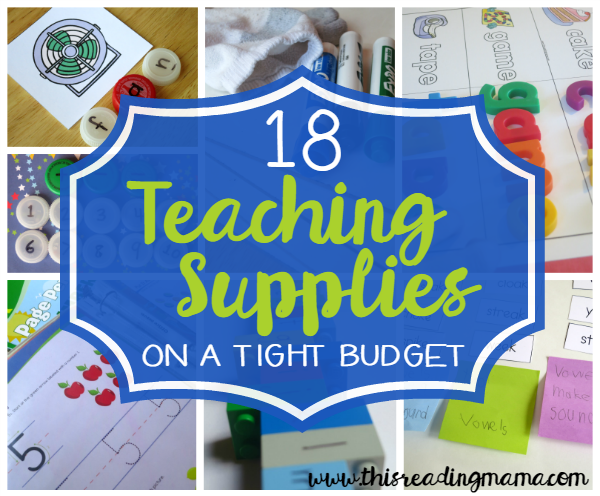
According to ongoing national surveys regarding educator spending, teachers routinely invest hundreds of dollars of their own money annually to supply their classrooms with basic necessities, organizational tools, and engaging visual aids. This financial strain is particularly acute at the start of the school year. Consequently, free printables and budget-conscious organizational strategies—such as those highlighted in resources like 18 Teaching Supplies on a Tight Budget—are not merely conveniences; they are financial lifelines for many educators.
The Imperative for Diagnostic Precision
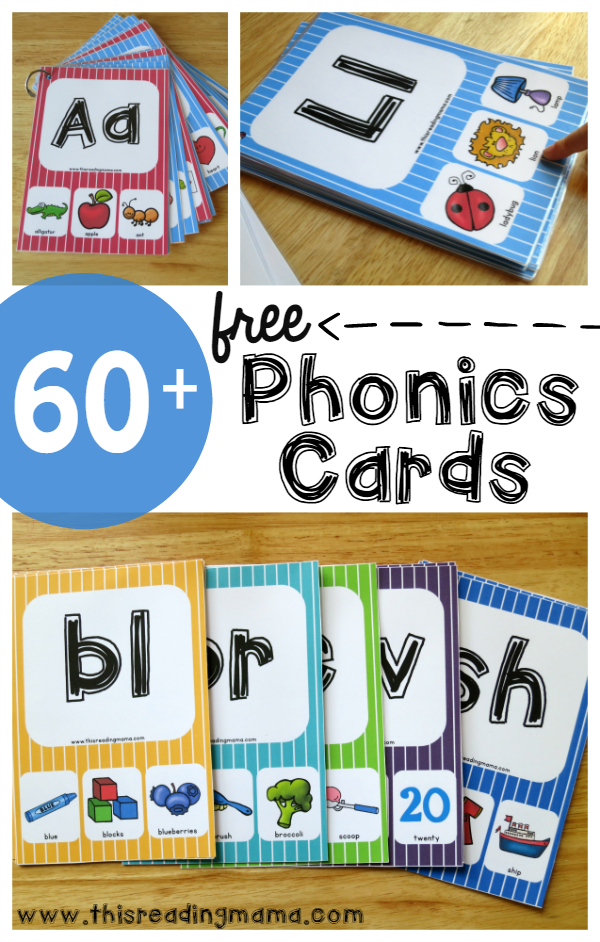
The push toward data-driven instruction has elevated the importance of early diagnostic screeners. Educators can no longer rely on a one-size-fits-all curriculum. Phonics assessments spanning kindergarten through third grade (K–3) are critical for identifying reading gaps early in the academic year. By utilizing standardized yet accessible phonics screeners and mega-packs of learning cards, teachers can group students effectively, tailor reading interventions, and monitor progress over time.
Key Resource Categories for the New School Year
To prepare effectively for the upcoming term, educators must curate a diverse toolkit spanning classroom management, visual instruction, student assessment, and student engagement.
1. Visual Learning Spaces and Social-Emotional Posters
Classroom environment plays a profound role in student behavior and academic success. Walking into a welcoming, highly functional learning space helps reduce back-to-school anxiety.
Social Problem-Solving Posters: These visual aids are essential for establishing a positive classroom culture. By offering students structured frameworks for resolving conflicts independently, teachers can minimize instructional interruptions and foster emotional intelligence.
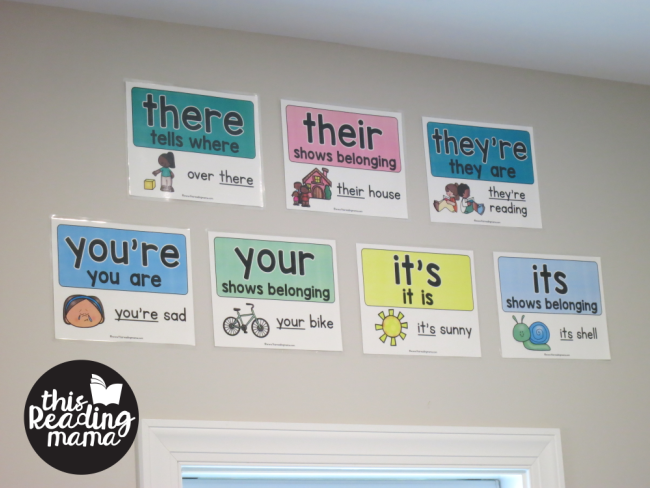
Homophone Posters: Placed strategically above windows or whiteboards, these graphic reminders assist students in mastering tricky spelling and vocabulary nuances during writing instruction.
2. Diagnostic Assessments and Screeners
Effective instruction begins with accurate placement.
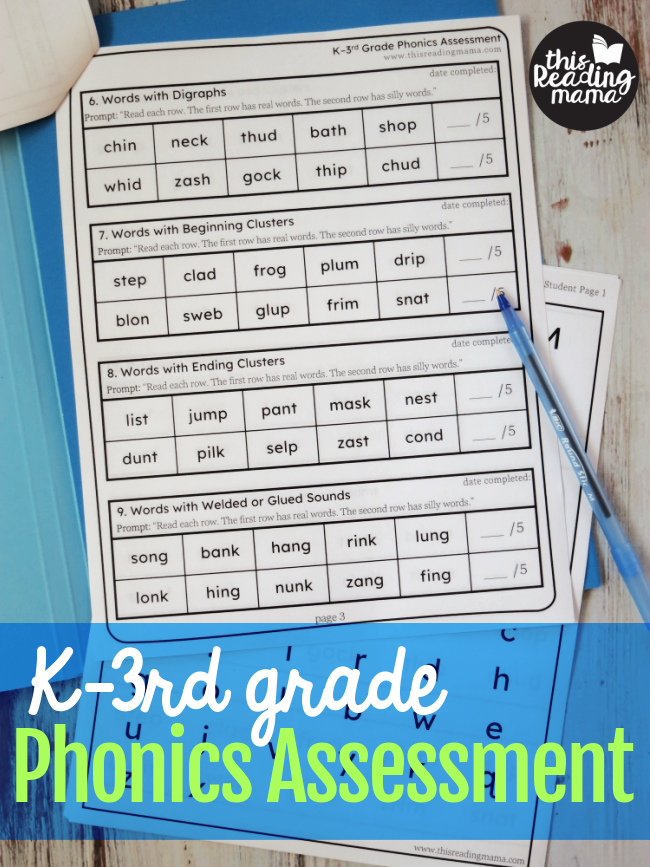
K–3 Phonics Assessments: Designed to pinpoint decoding strengths and weaknesses, these screeners allow educators to establish baseline data within the first few weeks of school. This ensures that reading intervention groups can be formed dynamically and targeted efficiently.
3. Themed Activities and Interactive Folders
Student engagement spikes when activities align with seasonal milestones.
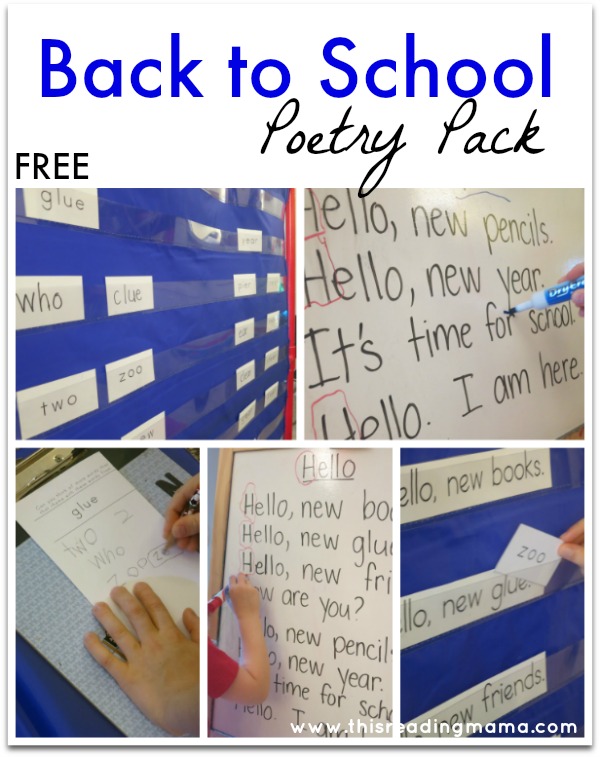
Back-to-School Poetry Packs: Integrating poetry early in the year encourages oral fluency, rhythm, and rhythm awareness in young readers while providing a low-stakes, joyful entry point into literacy instruction.
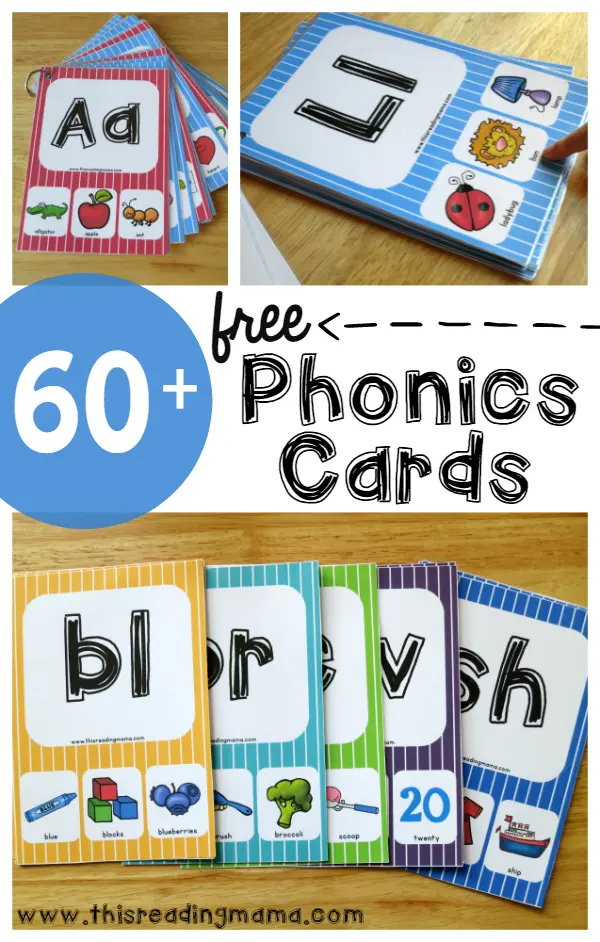
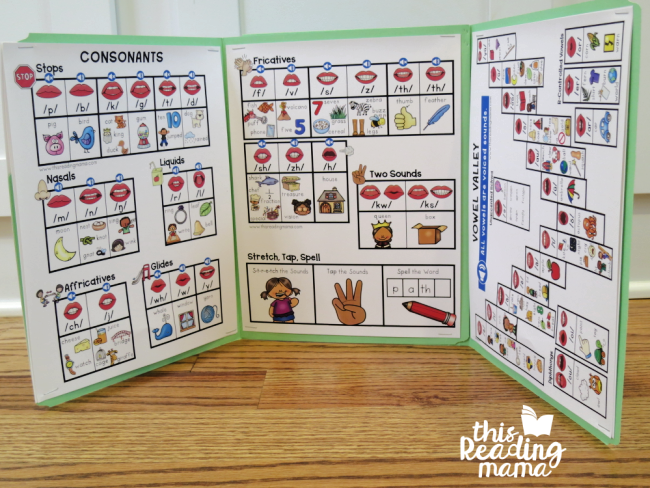
Spelling Folders and Learning Cards: Interactive tools—such as customizable spelling folders and extensive phonics card packs—provide tactile, hands-on learning experiences. These resources give students ownership over their spelling patterns and phoneme-grapheme correspondences, making them ideal for independent work stations and literacy centers.
4. Classroom Organization and Budget Management
A well-organized classroom saves instructional time and reduces educator burnout.
Supply Strategies on a Tight Budget: Creative organizational frameworks help teachers maximize existing materials, utilize recycled goods, and maintain orderly learning environments without incurring heavy personal expenses.
Curated Book Lists: Selecting high-interest literature tailored to specific reading levels ensures that classroom libraries remain dynamic, inclusive, and engaging throughout the year.
5. Integrating Digital Media
Modern education seamlessly blends physical printables with digital assets. Curated lists of educational YouTube channels for kids offer safe, vetted multimedia content that reinforces classroom concepts, accommodates visual and auditory learners, and provides dynamic supplementations to core curricula.
Official Statements and Pedagogical Perspectives
Industry experts and veteran educators emphasize that the success of any back-to-school strategy lies in intentional planning rather than the sheer volume of materials gathered.
In her welcome address for the academic year, educational blogger and resource creator Becky notes:
"Looking for some Back to School Printable Resources? You’re in the right place! I’m sharing loads of back-to-school printable resources and organizational ideas… Be sure to click through to find the blog posts with the freebies, and enjoy this school year!"
Pedagogical researchers echo this sentiment, stressing that the integration of structured, hands-on printables with digital connectivity bridges the gap between home and school. When parents and teachers utilize aligned resources—such as phonics cards, spelling folders, and leveled book lists—students experience consistency that reinforces cognitive retention. Furthermore, professional education advocates stress that providing these tools free of charge helps democratize education, ensuring that underfunded districts and independent homeschoolers alike have access to high-caliber instructional assets.
Future Outlook: The Intersection of Print and Digital in Education
As we look toward the future of education, the debate between physical printables and digital-only interfaces continues to evolve. Current cognitive science suggests a hybrid approach yields the strongest learning outcomes, particularly for younger children. While digital platforms offer unmatched distribution speed and interactivity, physical printables—such as tactile phonics cards, printable posters, and interactive spelling folders—engage fine motor skills and reduce screen fatigue.
Resource hubs are responding to this trend by developing integrated ecosystems where digital newsletters, targeted email subscriptions (segmented by grade level ranging from Pre-K to upper elementary, homeschooling, and biblical studies), and downloadable printables work in tandem. Teachers and parents who subscribe to these networks gain access to dynamic, regularly updated libraries that adapt to changing educational standards and curriculum requirements.
Ultimately, the upcoming school year presents both challenges and extraordinary opportunities for academic growth. By leveraging free printable resources, investing in proactive diagnostic tools, prioritizing smart classroom organization, and maintaining open lines of communication through specialized educational newsletters, educators can build a resilient, engaging, and highly effective learning environment for every student.