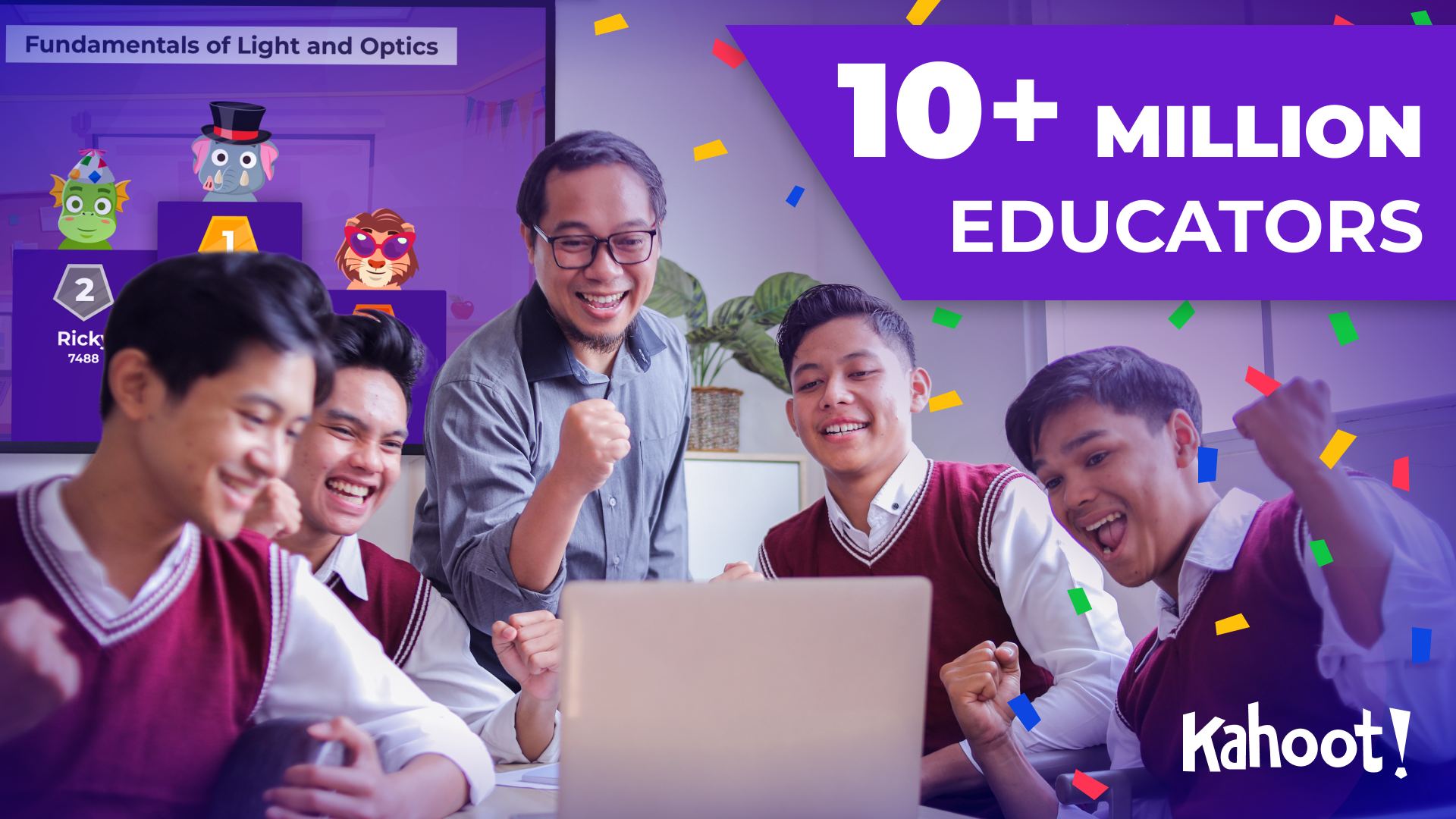
In an era defined by rapid technological integration within traditional pedagogical frameworks, digital learning platforms have fundamentally reshaped how educators engage modern students. At the forefront of this educational evolution is Kahoot!, a globally recognized game-based learning platform that has officially crossed a monumental threshold: empowering over 10 million K-12 and higher education educators worldwide.
This milestone is not merely a quantitative achievement in software adoption; it represents a profound paradigm shift in instructional design. By leveraging gamification, interactive quizzes, and real-time formative assessment tools, Kahoot! has bridged the gap between digital native students and traditional curriculum delivery. From primary school classrooms introducing foundational arithmetic to university lecture halls tackling complex organic chemistry, educators across the globe have embraced the platform to foster dynamic, inclusive, and high-energy learning environments.
This comprehensive report examines the trajectory of Kahoot!’s milestone, exploring the underlying pedagogical philosophies, the voices of educational leaders driving its adoption, the impact of advanced reporting analytics, and the future outlook for gamified educational technology in a post-digital classroom era.
Detailed Chronology: From Classroom Novelty to Global Standard
The journey of Kahoot! from a collaborative academic research project to an indispensable tool in millions of classrooms is a masterclass in product-market fit within the edtech sector.
The Inception and Early Adoption Phase
Launched commercially in 2013, Kahoot! was built on principles of behavioral psychology, specifically leveraging play, competition, and instant feedback to enhance cognitive retention. In its infancy, the platform was largely viewed as an innovative novelty—a fun way to review vocabulary or conduct low-stakes Friday afternoon quizzes. Early adopters were typically tech-forward teachers willing to experiment with Bring Your Own Device (BYOD) policies and classroom smartphone integration.
Scaling Through the K-12 and Higher Education Sectors
As digital infrastructure in schools improved globally—accelerated by widespread tablet deployments and robust school-wide Wi-Fi networks—Kahoot! transitioned from an occasional treat to a core instructional tool.
Phase 1 (2015–2018): Rapid organic growth across Scandinavian and North American school districts. Teachers began sharing user-generated "kahoots" publicly, creating a vast, collaborative repository of cross-curricular content.
Phase 2 (2019–2021): The global shift to remote and hybrid learning during the COVID-19 pandemic catalyzed unprecedented demand. Kahoot! introduced features tailored for synchronous virtual teaching via video conferencing platforms, solidifying its role as a lifeline for student engagement during periods of isolation.
Phase 3 (2022–Present): Reaching the 10-million-educator milestone signifies mainstream saturation. The platform has evolved from a simple quiz generator into a comprehensive learning ecosystem encompassing interactive presentations, flashcard modes, collaborative brainstorming spaces, and advanced assessment analytics.
Supporting Context & Metrics: The Scale of Gamified Learning
To understand the weight of 10 million educators, one must examine the ripple effect across student engagement metrics globally.
Engagement Multipliers
With 10 million educators actively designing and hosting sessions, the aggregate reach spans hundreds of millions of students annually. According to internal platform data and independent educational research:
Attention Retention: Gamified learning environments stimulate the release of dopamine, which correlates with heightened focus and improved information retrieval. Studies on game-based formative assessments indicate a significant reduction in passive listening behavior.
Inclusivity and Anonymity: Features such as "ghost mode" (playing against one’s previous score) and nickname generators allow anxious or introverted students to participate without the paralyzing fear of public failure in front of peers.
Global Footprint: The educator base is distributed across more than 200 countries and territories, demonstrating that the universal appeal of play transcends cultural and linguistic barriers. Curricula ranging from the British National Curriculum to Common Core standards in the United States and international baccalaureate programs are routinely supported by user-generated and verified Kahoot! content.
Official Statements and Educator Perspectives
The milestone has drawn praise from institutional leaders, pedagogical experts, and everyday educators whose daily classroom experiences validate the platform’s utility.
Insights from Educational Leadership
Reflecting on the milestone, educational strategists have emphasized the symbiotic relationship between teacher ingenuity and platform flexibility.
"Reaching 10 million educators is a testament to the creativity, resilience, and dedication of teachers worldwide who are constantly seeking innovative ways to connect with their students. Kahoot! has always strived to make learning awesome, and seeing educators transform our tools into engines of curiosity is the ultimate validation of our mission."
— Pam Ganley, Global Head of Education Solutions
Educators have consistently praised the platform’s ability to bridge generational divides in the classroom. Traditional lecturing often struggles to capture the sustained attention of students accustomed to interactive, media-rich digital environments. By turning assessment into an active, communal event, teachers have reclaimed the attention economy of the modern classroom.
"As educators, our greatest challenge is not merely delivering information, but igniting a genuine desire to learn. Kahoot! empowers us to turn every classroom review into an event filled with excitement, collaboration, and healthy competition. Knowing that 10 million of us are sharing this journey highlights a global movement toward more engaging, student-centric teaching."
— Kurt Naicker, Senior Educator and EdTech Advocate
The Power of Analytics: Moving Beyond the Game
While the energetic, music-driven countdown timers and colorful shapes capture headlines, the underlying pedagogical power of Kahoot! lies in its robust data architecture.
For decades, formative assessment was a labor-intensive process requiring teachers to collect paper exit tickets, grade them overnight, and adjust instruction days later. Kahoot! revolutionized this workflow by generating instantaneous, automated reports at the conclusion of every session.
Key Analytical Capabilities for Educators:
Immediate Identification of Knowledge Gaps: Teachers can instantly view which questions caused the most widespread confusion, allowing them to reteach a concept on the spot rather than discovering the misunderstanding weeks later during a high-stakes summative exam.
Student-Paced Reporting: Individual student reports allow educators to track longitudinal progress, identifying students who may be falling behind or those who require advanced enrichment activities.
Data-Driven Lesson Planning: By aggregating reporting data over units of study, teachers can tailor their pedagogical strategies to address systemic comprehension hurdles rather than relying on generalized assumptions.
Future Outlook: The Next Frontier of EdTech
As Kahoot! looks beyond the 10-million-educator milestone, the horizon of educational technology points toward deeper personalization, artificial intelligence integration, and cross-platform interoperability.
Artificial Intelligence and Content Generation
The integration of generative AI tools is currently transforming how quickly educators can build rigorous, curriculum-aligned content. Features that allow teachers to input a PDF, YouTube video, or text prompt and instantly generate a comprehensive, multi-format interactive quiz are reducing lesson-prep time from hours to minutes. This efficiency allows educators to dedicate more of their valuable time to direct student mentorship and emotional support.
Expanding Accessibility and Adaptive Learning
Future iterations of gamified learning platforms are expected to incorporate more sophisticated adaptive learning algorithms. These systems will dynamically adjust difficulty levels based on real-time individual performance, ensuring that advanced learners remain challenged while struggling students receive scaffolded support without feeling singled out.
Conclusion
The milestone of 10 million K-12 and higher education educators is much more than a corporate milestone for Kahoot!; it is a celebration of the teaching profession’s adaptability and hunger for innovation. By combining the timeless power of play with rigorous data analytics and modern digital infrastructure, educators around the world are redefining what it means to learn in the 21st century. As classrooms continue to evolve, platforms that prioritize student engagement, teacher efficiency, and inclusive participation will remain foundational pillars of modern education.