
EXECUTIVE OVERVIEW
In the modern educational landscape, the integration of Science, Technology, Engineering, and Mathematics (STEM)—and increasingly, STEAM, which weaves the arts into the equation—has transitioned from an academic luxury to a developmental necessity. As parents and educators continuously search for effective methodologies to combat screen fatigue and foster genuine problem-solving capabilities, children’s subscription boxes have surged in popularity.
While brands like KiwiCo have long dominated this booming market, a diverse ecosystem of specialized alternatives has emerged. These alternatives offer tailored approaches to early-childhood development, hard-core engineering, geographical exploration, and chemical sciences. Following extensive, hands-on testing by families across multiple age groups, this report provides an authoritative analysis of the premier STEM subscription services available today. Designed to save parents time, ease educational preparation, and spark a lifelong love of learning, these kits transform living rooms into dynamic, interactive laboratories.
The Value Proposition of STEM Subscriptions: Why Hands-On Learning Matters
Before examining specific market alternatives, it is crucial to understand the pedagogical framework driving the subscription box industry. STEM education is rooted in real-world application. Rather than rote memorization of theoretical concepts, modern educational strategies rely on project-based learning where children confront tangible obstacles, brainstorm hypotheses, test variables, and iterate on designs.
Cognitive and Life Skill Development
Engaging young minds in physical construction and experimentation stimulates several vital cognitive pathways:
- Critical Thinking: Children learn to evaluate why a mechanism failed and determine how to correct it.
- Intrinsic Motivation: Because the end goal is often a functioning toy, machine, or experiment, children are naturally driven to see the project through to completion.
- Resilience and Grit: Troubleshooting a malfunctioning gear or a failed chemical reaction teaches emotional regulation and perseverance when faced with technical hurdles.
Advantages for Parents and Educators
Beyond the cognitive benefits for children, subscription boxes offer undeniable structural advantages for parents, particularly in households balancing remote work, traditional schooling, and homeschool environments.
| Benefit | Why It Helps Parents & Educators |
|---|---|
| Reduced Screen Time | Provides tactile, physical alternatives to digital devices and video games. |
| Prepped Activities | Eliminates the stress and logistical nightmare of sourcing obscure craft or science supplies. |
| Homeschool Support | Introduces structured, sequential science and geography lessons without requiring a specialized teaching background. |
| Administrative Simplicity | Delivers curated, all-inclusive projects directly to the doorstep on a predictable schedule. |
Detailed Comparative Analysis of KiwiCo Alternatives
While KiwiCo remains a gold standard for many, various competitors cater to specific age brackets, learning styles, and unique educational niches. Below is an exhaustive breakdown of the top-performing alternatives hand-tested by families.
1. CrunchLabs: Engineering Through Invention
- Ideal Age Range: School-age children through teens (varies by kit complexity)
- Founder/Origin: Founded by former NASA engineer and prominent YouTube creator Mark Rober.
The Experience:
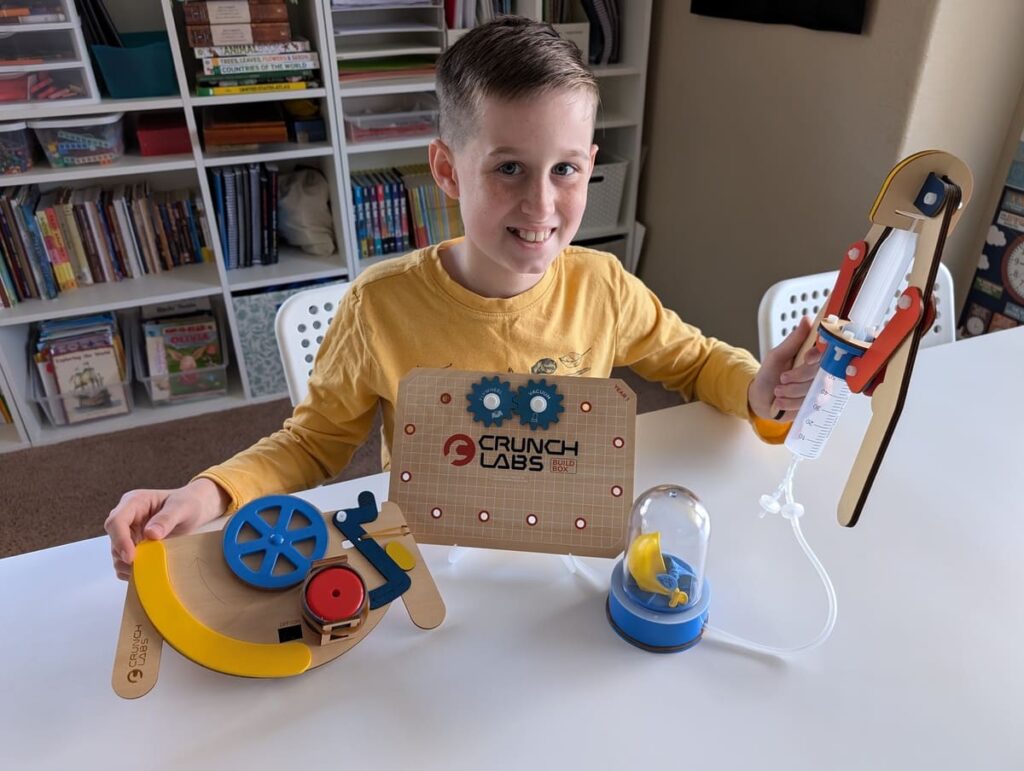
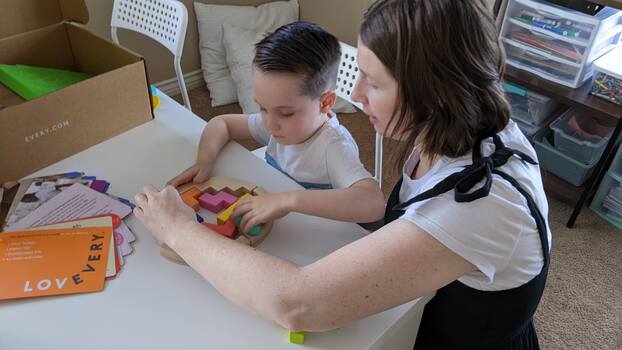
CrunchLabs focuses heavily on the "E" in STEM—engineering. Each monthly delivery supplies raw parts, hardware, and instructions required to build a working gadget, ranging from mechanical toys to complex kinetic machines. What sets CrunchLabs apart is its seamless integration with digital media: children receive access to exclusive, highly entertaining video content featuring Mark Rober, who breaks down complex physics and mechanical engineering principles in an approachable, engaging manner.
Pedagogical Comparison:
While similar to KiwiCo’s Tinker Crate or Eureka Crate, CrunchLabs leans deeper into open-ended invention and real-world mechanical challenges, making it an exceptional choice for kids who love tearing appliances apart to see how they work.
2. Lovevery: Stage-Based Montessori Play for Early Childhood
- Ideal Age Range: Infants and toddlers (0–4 years old)
- Delivery Schedule: Bi-monthly (every two months)
The Experience:
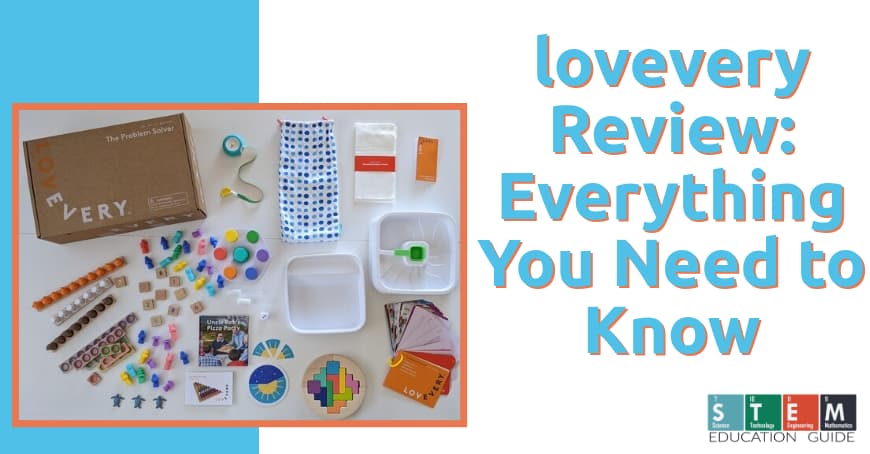
For families with children under the age of four, Lovevery is widely considered the premier early-childhood development subscription on the market. Grounded in a Montessori-inspired philosophy, Lovevery focuses on stage-based play. The company collaborates extensively with a multidisciplinary advisory board—ranging from human neuroscientists to certified positive discipline trainers—to ensure that every toy and puzzle precisely targets a child’s current developmental window.
Why It Excels:
Although Lovevery lacks the advanced electronics or chemical experiments found in kits for older kids, its build quality, safety standards, and targeted educational focus make it an unrivaled choice for early cognitive and motor-skill development.
3. MEL Science: Comprehensive, Multi-Disciplinary Science Labs
- Ideal Age Range: Elementary through high school
- Core Disciplines: Chemistry, Physics, Medicine, STEM, Math, and Coding
The Experience:
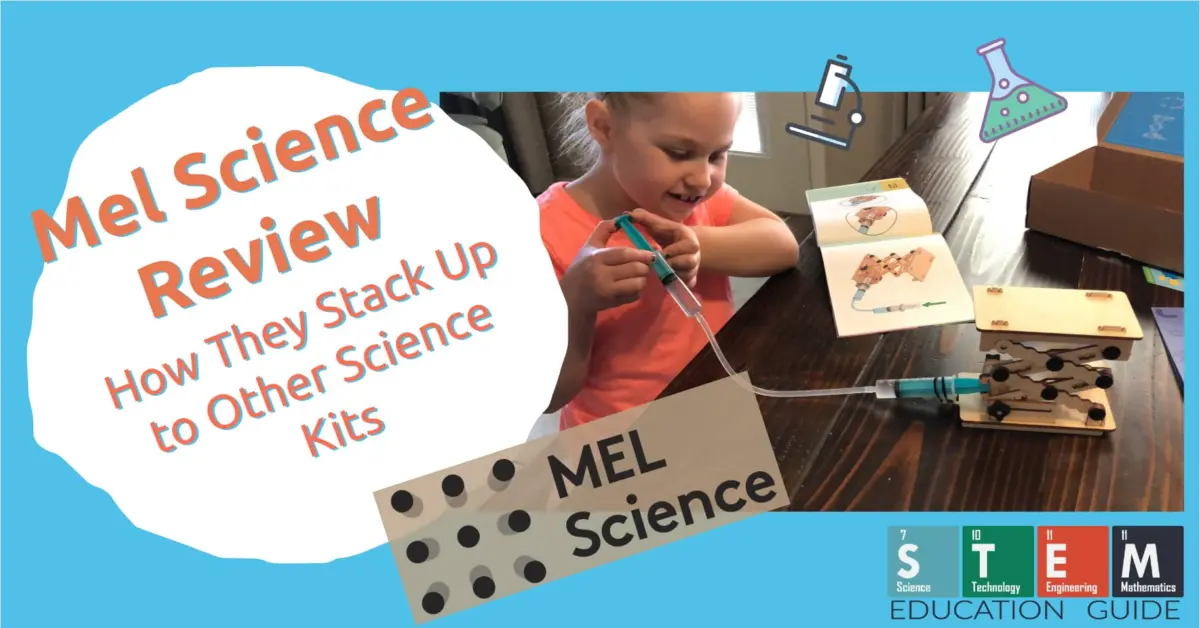
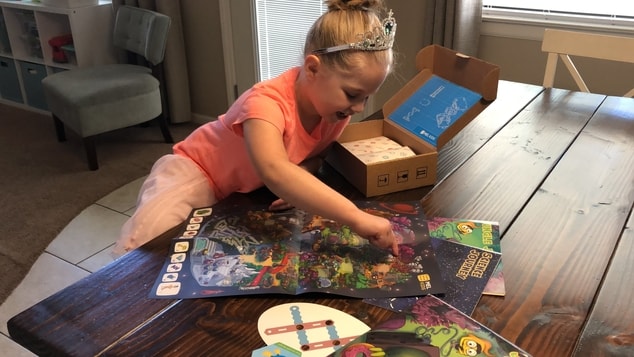
MEL Science offers one of the most direct, robust alternatives to KiwiCo’s comprehensive catalog. Dedicated to making science genuinely exciting rather than intimidating, MEL Science delivers true laboratory-grade experiments straight to the home, supported by immersive virtual reality (VR) and augmented reality (AR) experiences.
Why It Excels:
MEL Science stands out for its fearless approach to advanced subjects. In addition to standard physics and chemistry kits, they offer specialized modules in medicine and coding. The integration of digital applications helps children visualize microscopic molecular reactions, bridging the gap between physical hands-on building and digital comprehension.
4. Little Passports: Fostering Global Citizenship and Science
- Ideal Age Range: 3 to 10 years old
- Core Disciplines: Geography, Culture, Space, Animals, and Junior STEM
The Experience:
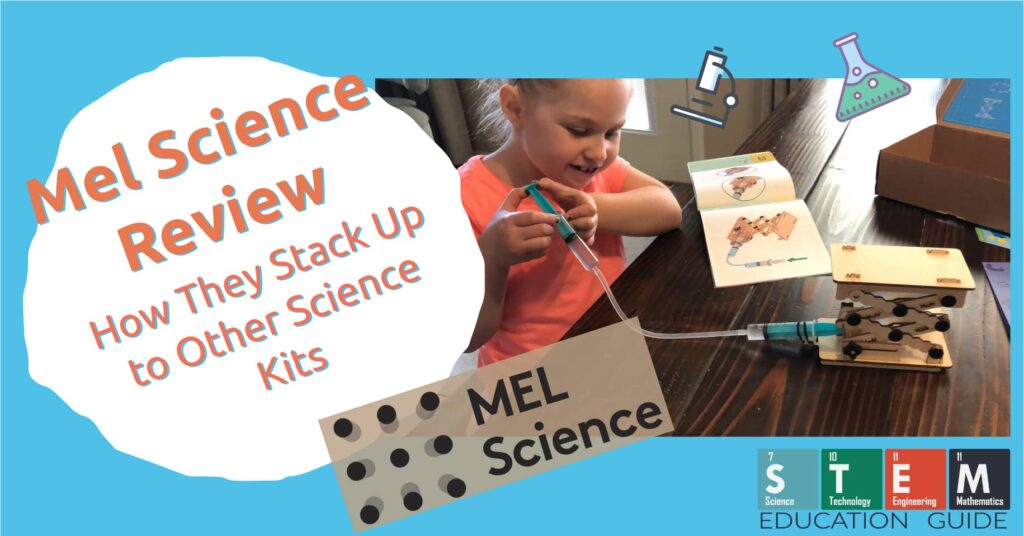
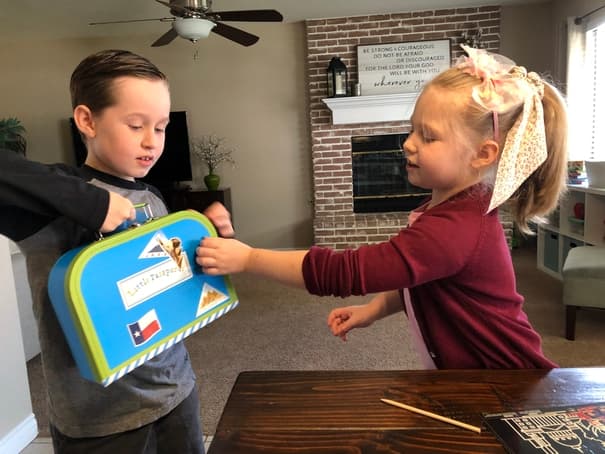
Originally launched as a pioneer in cultural and geographical education, Little Passports has dramatically expanded its offerings. Children receive a starter "suitcase" and build out their global knowledge month-by-month by earning stamps in their passport, reading stories, and completing arts and crafts tied to specific countries.
Why It Excels:
In addition to their cultural boxes, Little Passports features dedicated STEM-focused lines, such as the Science Expedition and Space boxes. It offers an impeccably organized, award-winning curriculum that blends social studies with empirical science.
5. Green Kid Crafts: Blending STEM with Artistic Expression
- Ideal Age Range: 3 to 10+ years old
- Core Disciplines: STEAM (Science, Technology, Engineering, Arts, and Mathematics) and Environmental Science
The Experience:
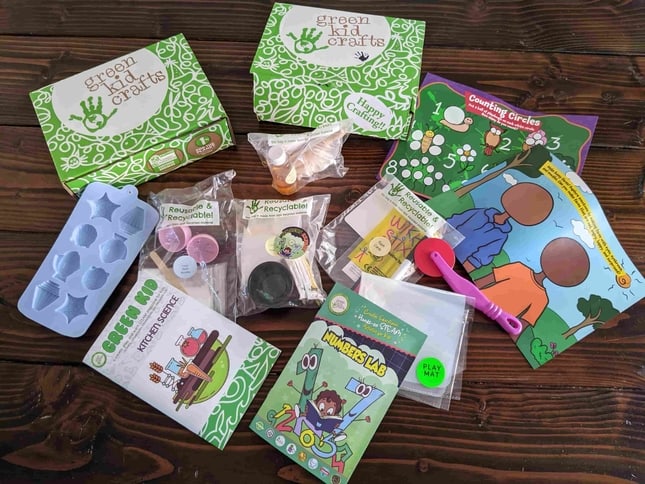
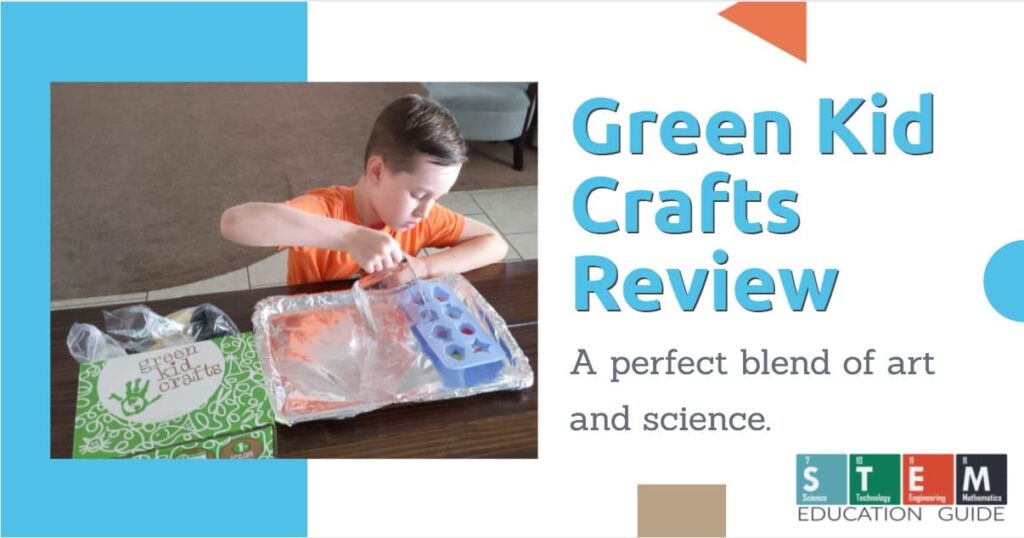
Founded by an environmental scientist and mother, Green Kid Crafts was established to connect children directly with the natural world while emphasizing ecological sustainability. Crucially, Green Kid Crafts fully embraces the shift from STEM to STEAM by injecting creative arts into every scientific exploration.
Why It Excels:
Kits frequently combine ecological science—such as learning about ecosystems, alternative energy, or geology—with hands-on art projects. This dual approach ensures that analytically minded children explore their creative sides, while artistically inclined children develop an appreciation for scientific inquiry.
6. The Curiosity Box: Advanced Science for Teens
- Ideal Age Range: 13 years and up
- Delivery Schedule: Quarterly (seasonal, every three months)
- Origin: Created by Vsauce, a premier science education network.
The Experience:
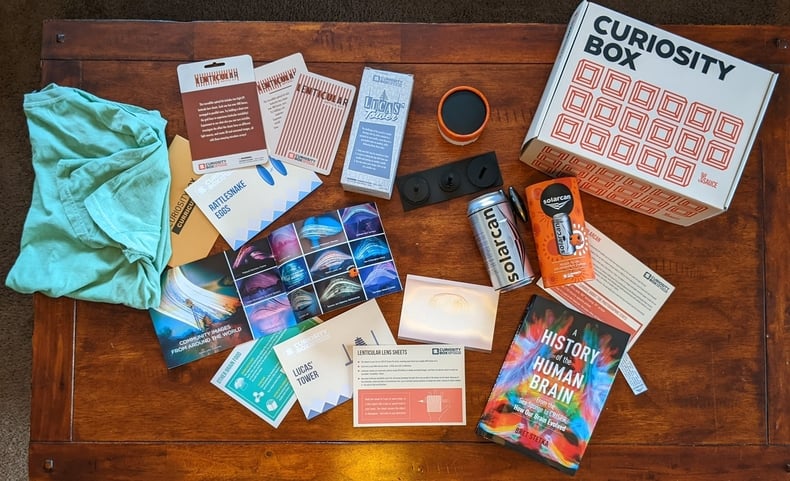
For households with teenagers or older adolescents who have outgrown standard children’s crafts, The Curiosity Box provides an intellectually stimulating alternative. Delivered once every three months, these seasonal boxes provide high-end, complex scientific apparatuses and toys—such as Newton’s cradles, plasma orbs, and advanced optical illusion kits.

Why It Excels:
Because the boxes arrive quarterly, older teens have ample time to deeply engage with the sophisticated equipment, accompanied by deep-dive educational literature curated by professional science communicators.
7. Womple Box: Exploring Geography and STEAM
- Ideal Age Range: 3 to 5 (Dinobox) and 6 to 11 (Womple Box)
- Core Disciplines: Geography, Culture, and STEAM
The Experience:
Womple Box takes children on fictional and factual expeditions around the globe, pairing geographical explorations with hands-on STEAM projects. Alongside the traditional Womple Box, the company offers a specialized Dinobox tailored to younger children with a passion for paleontology and sensory-rich, project-based play.
Supporting Context & Metrics: Choosing the Right Box
Navigating the crowded subscription box market requires matching a child’s intrinsic interests with the appropriate platform. Parents are advised to evaluate potential subscriptions based on the following evaluative criteria:
- Child-Led Interest vs. Parent-Led Aspiration: While parents often hope to cultivate an interest in chemistry or coding, forcing a child into a rigid, step-by-step curriculum can backfire. If a child naturally prefers building physical structures, an engineering-focused box like CrunchLabs will yield higher engagement than a chemistry set.
- Commitment and Flexibility: Subscription models vary widely. Some platforms offer strict multi-month lock-in periods, while others allow users to pause, skip, or cancel at any time. Reviewing cancellation policies before purchasing prevents unexpected recurring charges.
- Frequency of Delivery: Monthly subscriptions keep momentum going with frequent touchpoints, whereas quarterly deliveries (such as The Curiosity Box) offer deeper, more complex projects suited for older, more independent learners.
Official Statements and Industry Insights
Educational experts and creators within the STEM community continually emphasize the importance of experiential learning over passive screen consumption. Mark Rober, founder of CrunchLabs and former NASA engineer, has frequently noted that children learn best when they are tricked into thinking they are simply playing. By framing complex engineering challenges as fun, tangible building games, subscription boxes remove the intimidation factor historically associated with advanced mathematics and physical sciences.
Similarly, developmental psychologists supporting brands like Lovevery emphasize that the first few years of life establish the neural scaffolding for all future learning. Providing tactile, sensory-rich objects that respond predictably to a child’s physical actions accelerates spatial reasoning and cause-and-effect understanding.
Future Outlook: The Evolution of At-Home Learning
As the education sector continues to evolve in a post-pandemic world, the role of at-home supplementary learning is cementing its place in modern family life. The future of children’s subscription boxes points toward increased integration of hybrid learning models—seamlessly blending physical mechanical parts, biological specimens, and chemical reagents with immersive digital guides, augmented reality apps, and community-driven online builders’ clubs.
For parents seeking to steer their children toward analytical confidence, creative problem-solving, and a genuine enthusiasm for discovery, the current market of KiwiCo alternatives offers an unprecedented array of choices. By selecting a box tailored to your child’s specific developmental stage and personal interests, you can turn ordinary afternoons into extraordinary journeys of scientific exploration.

